Multi-Engine Rating in 2026: Requirements, Cost & Timeline

Published by
Jessica Haney
Published on
Updated on
Read time
10 min read
The first time a student sits in the left seat of a twin, the question is not “can I fly this?” It is “should I add this rating right now?” A multi-engine rating opens the door to complex-aircraft flying and career-track hours, but before you spend a dollar on it, you need three answers: what the FAA actually requires, what it realistically costs, and how long it takes.
We’ll walk through all three here before we ever touch checkride mechanics or ACS maneuvers. If you already know you want the rating and you’re ready for exam-day prep, our multi-engine checkride guide picks up where this one leaves off.
What a Multi-Engine Rating Actually Is (And Who Needs One)
A multi-engine rating is not a separate pilot license. It is a class rating added to a pilot certificate you already hold, authorizing you to act as pilot in command of an airplane with more than one engine. That distinction matters for planning: you are not starting a new certification track from zero, you are adding a specific skill set to what you already have.
Three types of pilots typically look into this rating:
- Career-track pilots building toward regional and airline eligibility, where multi-engine time is a standard part of the resume.
- Rated pilots who want complex-aircraft currency, since twins bring retractable gear, constant-speed propellers, and asymmetric-thrust decision-making into the cockpit.
- Pilots who already fly single-engine airplanes and want to fly, rent, or eventually own a twin for personal or business travel.
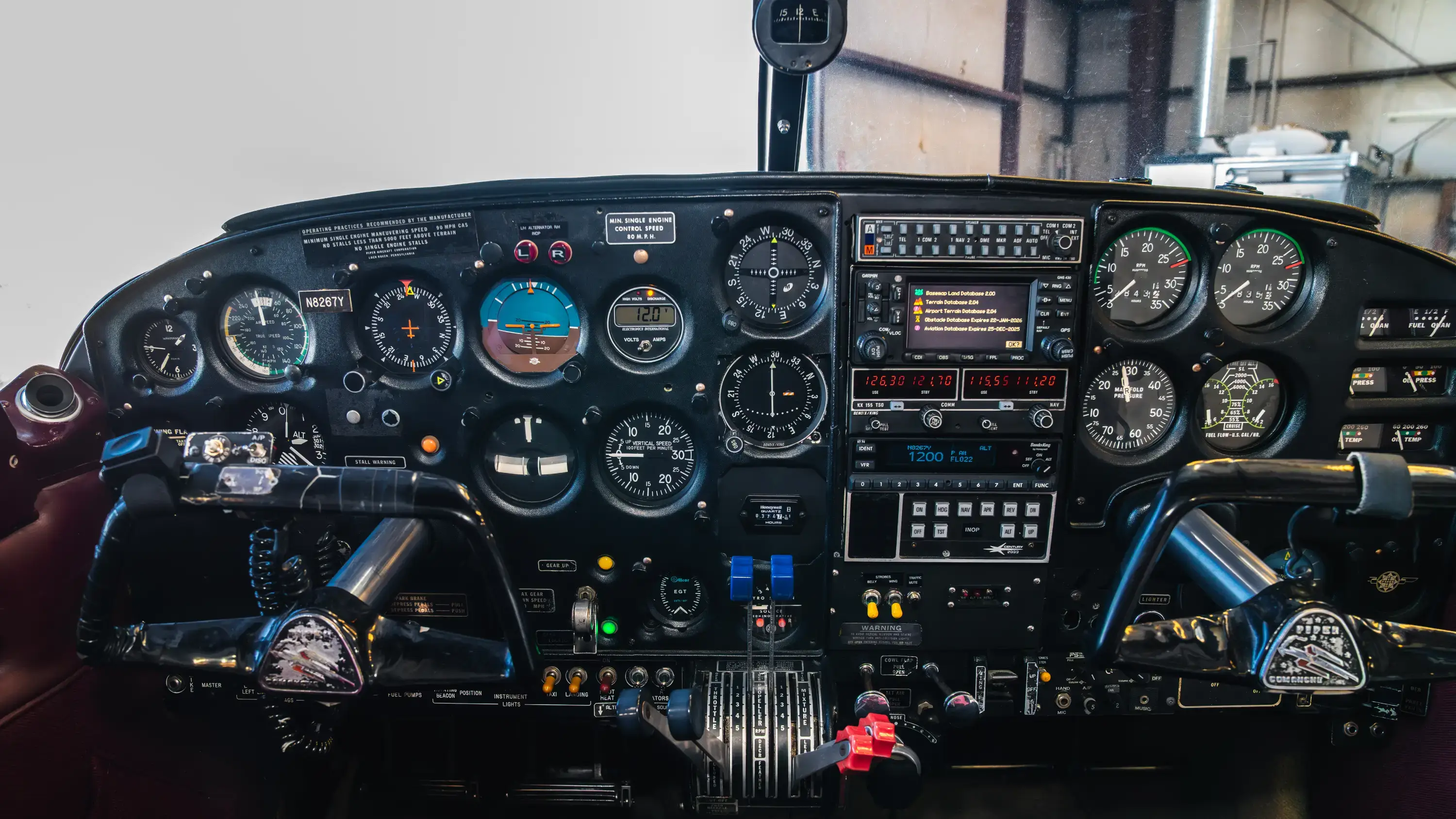
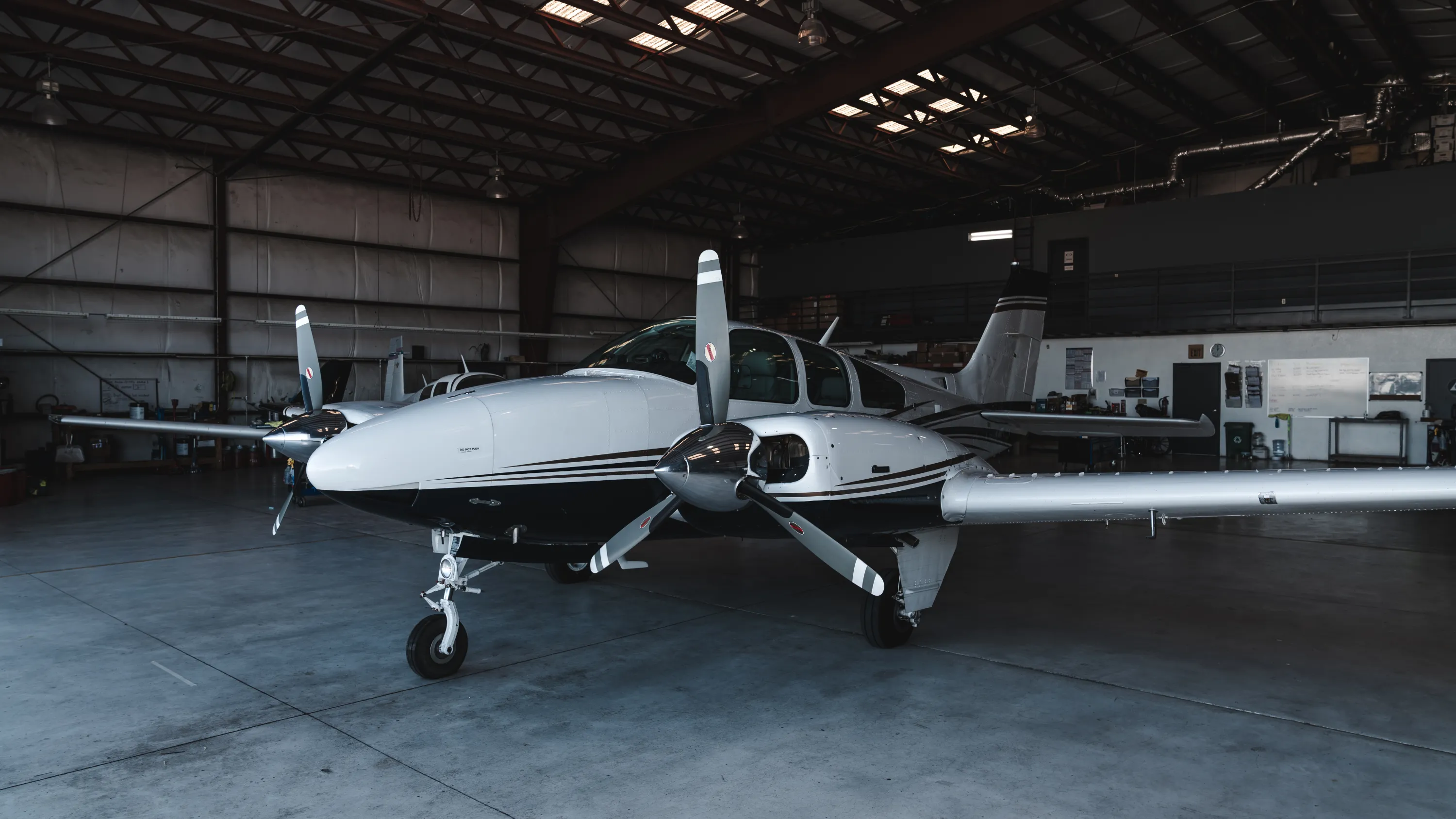
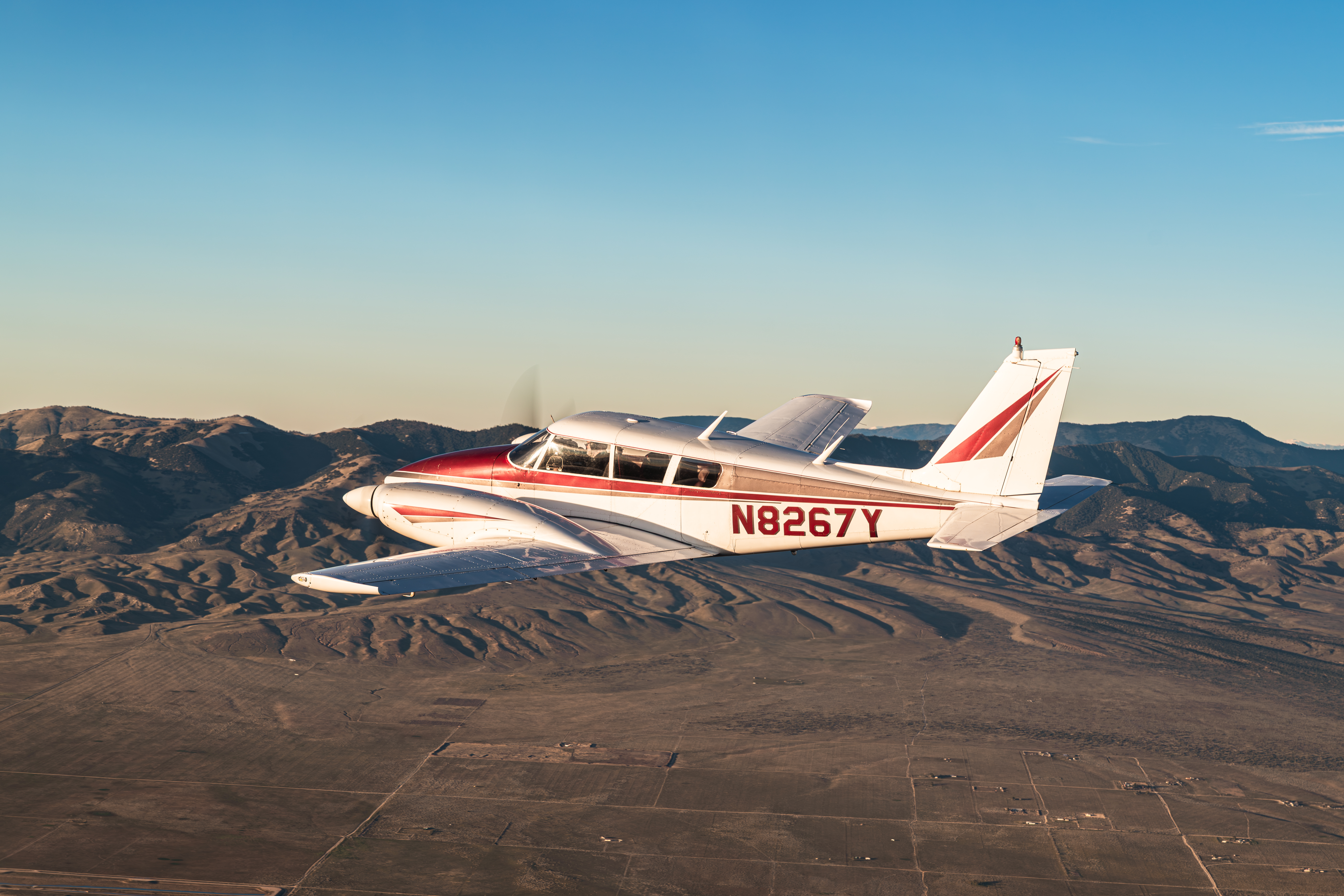
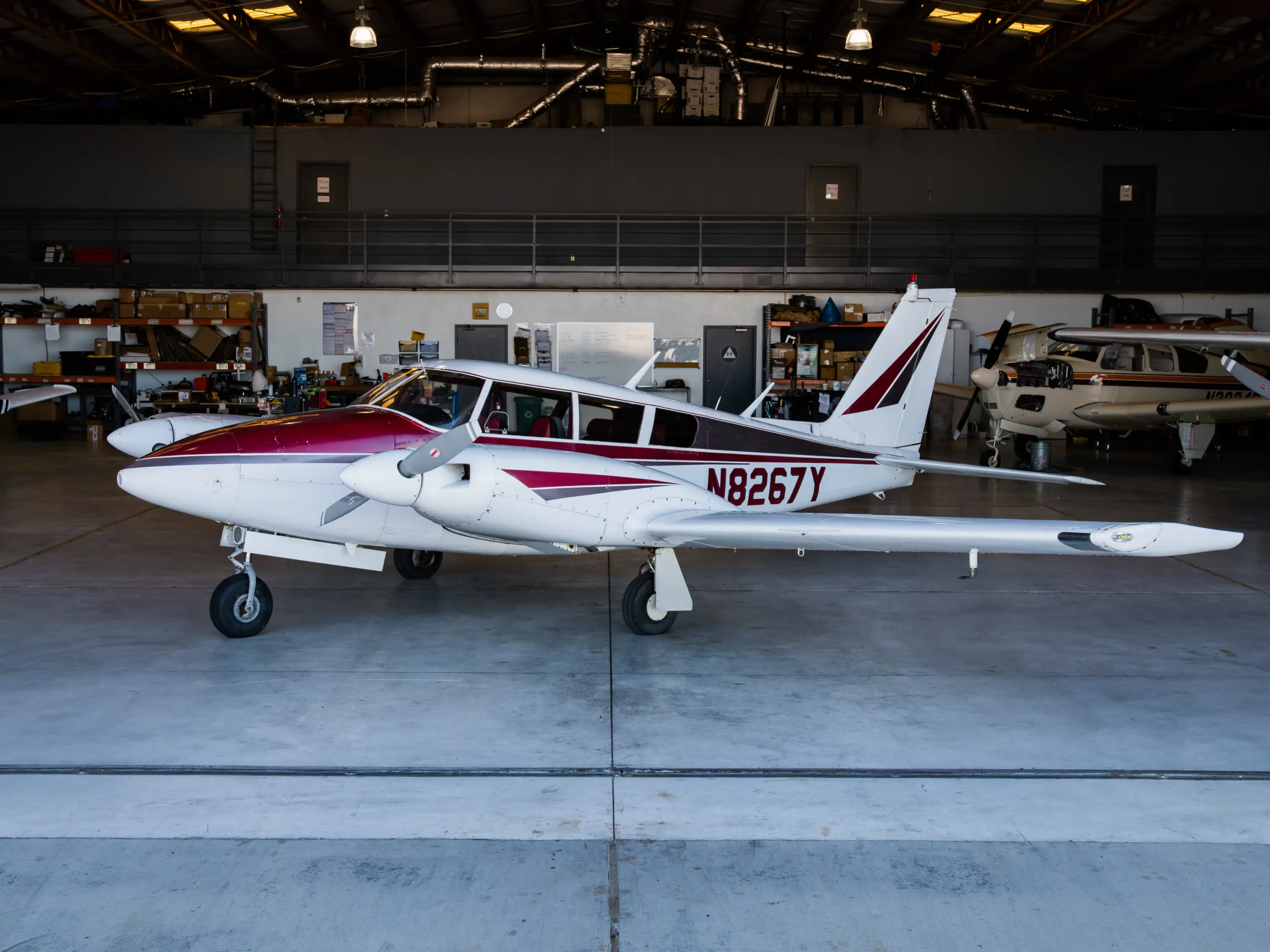
At MH Aviation in Lancaster, CA, we train multi-engine students in our Piper PA-30 Twin Comanche. If you are weighing whether this rating fits your goals, start with what the FAA requires and what MH Aviation requires before you commit training dollars.
The Part 61 Requirements Behind the Rating
A multi-engine class rating falls under the additional-ratings section of 14 CFR Part 61, specifically the provisions covering additional aircraft ratings and endorsements (14 CFR 61.31 and 14 CFR 61.63). Here is what that means for your planning:
- There is no fixed FAA hour minimum, unlike a private pilot certificate (40 hours) or an instrument rating (40 hours of instrument time). Instead, you train until your instructor determines you are proficient and signs the endorsement required for the practical test.
- The practical test structure is the same shape as any other checkride: an oral portion and a flight portion, evaluated against the Multi-Engine Airman Certification Standards.
- Complex-aircraft training folds in naturally. Training in a twin like our Piper PA-30 Twin Comanche covers retractable gear, constant-speed propellers, and flaps, which is why our multi-engine curriculum satisfies the complex-aircraft endorsement requirement as part of the course.
At MH Aviation, we ask students to hold at least a Private Pilot Certificate and a current FAA Medical Certificate before starting. That is our program’s enrollment standard, built around giving you a solid single-engine foundation first. An Instrument Rating is not required to add the multi-engine class, though we recommend having one if you plan to fly the twin in IFR conditions.
Because there is no set hour count, the answer to “how many hours will I need” comes down to your existing stick-and-rudder skills, how current you are, and how quickly you pick up asymmetric-thrust procedures. That is exactly why the number that matters is cost per hour, not one sticker price.
What a Multi-Engine Rating Costs in 2026
Because the FAA does not set a fixed hour minimum for this rating, no school can hand you a fixed price before knowing your proficiency. What we can give you is the current cost math so you can plan realistically.
| Cost component | 2026 rate at MH Aviation | What it means for your budget |
|---|---|---|
| Piper PA-30 Twin Comanche aircraft time (wet) | $295/hr | Fuel included, so this is your full aircraft cost per hour |
| Multi-engine flight instruction | $90/hr | Combined with aircraft time, each training hour runs $385/hr |
| LA-area twin rental (regional comparison) | ~$395/hr aircraft alone | Training locally at Fox Field can save roughly $100/hr on aircraft time versus the LA Basin |
| Safety Pilot Program instruction (rated pilots, time-building only) | $60/hr | Lower instruction rate once you already hold the rating |
Every training hour blends aircraft and instructor cost, so the fastest way to control your total is proficiency going in: recent flying, sharp instrument scan, and a clear understanding of single-engine aerodynamics before your first lesson in the twin.
MH Aviation does not currently offer direct financing. We run on a pay-as-you-go model instead, which means you pay for the hours you fly rather than committing to a large loan up front. Because total cost depends entirely on how many hours you need, the most useful next step is a personalized estimate rather than a generic number pulled from a search result. Contact us with your current logbook totals and we’ll walk through a realistic budget for your specific experience level.
How Long a Multi-Engine Rating Actually Takes
Timeline is the other variable that search results tend to oversimplify. Because this is usually an add-on rating for pilots who already hold a certificate, it moves faster than earning a certificate from scratch. Many of our proficient students complete training and checkride prep in 7 to 14 days when their schedule stays consistent and the aircraft is available.
That timeline assumes steady flying, not one lesson a week with long gaps between sessions. Two things shape it most:
- How current you already are. A pilot flying regularly walks into the Twin Comanche with sharper instrument scan and radio habits than someone returning after a long break.
- Checkride scheduling once training wraps. Finishing your training hours is not the same as finishing your rating. If you want the full picture on examiner availability and scheduling delays, our guide on how long it usually takes to get a multi-engine checkride scheduled covers that separately.
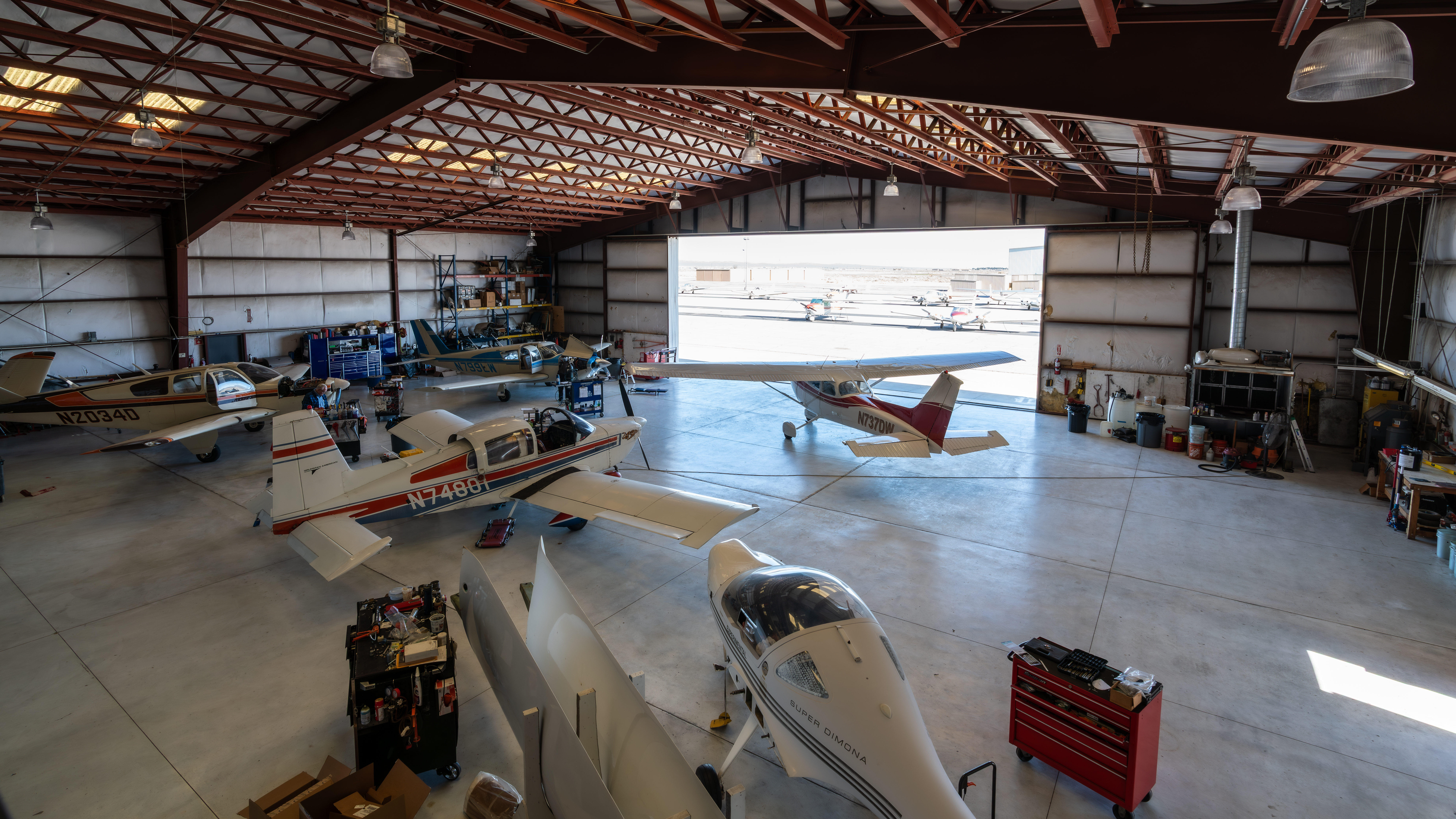
Because we run our own on-site FAA Part 145 Repair Station, our multi-engine trainer does not sit grounded waiting on an outside mechanic when a squawk comes up. That keeps your training days on your calendar, not a maintenance shop’s.
Training Locally: Why the Antelope Valley Matters for This Rating
If you searched for a “multi engine rating near me,” location changes more than your commute. MH Aviation is currently the only multi-engine training provider in the Antelope Valley, which means you can train at Fox Field (KWJF) instead of driving into LA Basin airspace and waiting behind a longer line of students for a shared twin.
Lancaster’s high-desert location also generally avoids the coastal marine layer that grounds flights in the LA Basin for hours at a time, giving you more consistent training days across the year. Some days still bring wind or heat that call for good judgment, but the pattern of flyable days is a real structural advantage when you are trying to keep momentum through 7 to 14 days of concentrated flying.
If you are commuting from Palmdale, Santa Clarita, or Victorville, training locally with the multi-engine program also means less time driving to reach LA-area schools and more time actually flying the twin.
Renting a Twin or Building Time Without Starting From Scratch
Not every pilot researching this topic is a brand-new multi-engine student. Some already hold the rating and are looking for multi-engine plane rental options to stay current or build hours toward airline minimums.
At MH Aviation, rated pilots can use our Safety Pilot Program to fly the Piper PA-30 Twin Comanche at a reduced $60/hr instruction rate for time-building flights, rather than paying full dual-instruction rates for every hour. That keeps twin-engine currency and hour-building more affordable once you already hold the rating.
If your goal after earning the rating is building meaningful multi-engine hours toward airline minimums, our guide on how to build multi-engine hours affordably walks through that next phase in detail, including how the Safety Pilot Program fits in.
Your Next Step Once You’re Ready to Commit
You’ve got the should-I-do-this answers now. Once you’re ready to commit, the questions shift to execution:
| Where you are | Best next resource |
|---|---|
| Ready to understand exactly what the checkride tests | Mastering your multi-engine checkride |
| Want the ACS and FAR breakdown of what you’re tested on | What’s on the multi-engine checkride |
| Worried about examiner and scheduling delays after training | How long checkride scheduling usually takes |
| Considering the instructor path after your rating | Mastering the MEI checkride ACS |
Every one of those posts assumes you’ve already decided to pursue the rating. This one was for the step before that — understanding the requirements, the real cost drivers, and a realistic timeline, so your decision is grounded in facts instead of a headline number.
FAQ
What are the FAA requirements for a multi-engine rating?
A multi-engine rating is an add-on class rating under 14 CFR Part 61, not a separate certificate. There is no fixed FAA hour minimum the way there is for a private pilot certificate or instrument rating. Instead, you train with an instructor until you are proficient, receive a logbook endorsement, and pass a practical test covering both an oral and a flight portion.
How much does a multi-engine rating cost in 2026?
At MH Aviation’s current 2026 rates, the Piper PA-30 Twin Comanche runs $295/hr wet and instruction is $90/hr, for a combined $385/hr per training hour. Because there is no fixed hour requirement, total cost depends on your proficiency going in. Contact us for a personalized estimate based on your current experience.
How long does it take to get a multi-engine rating?
Many proficient MH Aviation students complete training and checkride prep in 7 to 14 days when their schedule stays consistent and the aircraft is available. Pilots returning after a long break from flying should plan for more time to rebuild currency first.
Do I need an instrument rating before adding a multi-engine class?
No. You can add a multi-engine class rating without holding an instrument rating. We recommend having one if you plan to fly the twin in IFR conditions or you are training toward a professional pilot career.
Where can I get a multi-engine rating near Lancaster, CA?
MH Aviation is currently the only multi-engine training provider in the Antelope Valley, training in our Piper PA-30 Twin Comanche at Fox Field (KWJF) instead of the more congested LA Basin.
Can I rent a multi-engine plane if I already have the rating?
Yes. Rated pilots can use our Safety Pilot Program to fly the Twin Comanche at a reduced $60/hr instruction rate for time-building flights. See our guide on building multi-engine hours affordably for more on how that works.
Ready to Start Your Multi-Engine Rating?
You’ve got what you came for: what the FAA requires, what it costs, and how long it realistically takes in 2026. If a multi-engine rating fits your career goals or your flying plans, the next step is a conversation about your specific logbook and timeline, not another generic search result.
Visit our Multi-Engine Rating program page to see the Piper PA-30 Twin Comanche and start planning your training with our team.