How Long Does It Take to Reach 1,500 Flight Hours in 2026?
Published by
Jessica Haney
Published on
Updated on
Read time
7 min read
Two students start training on the same day with the same goal. One reaches 1,500 hours in about two and a half years. The other is still logging hours in year five. They did not differ in talent. They differed in how many hours they flew each month, and in how often a grounded airplane or a weather cancellation broke their rhythm.
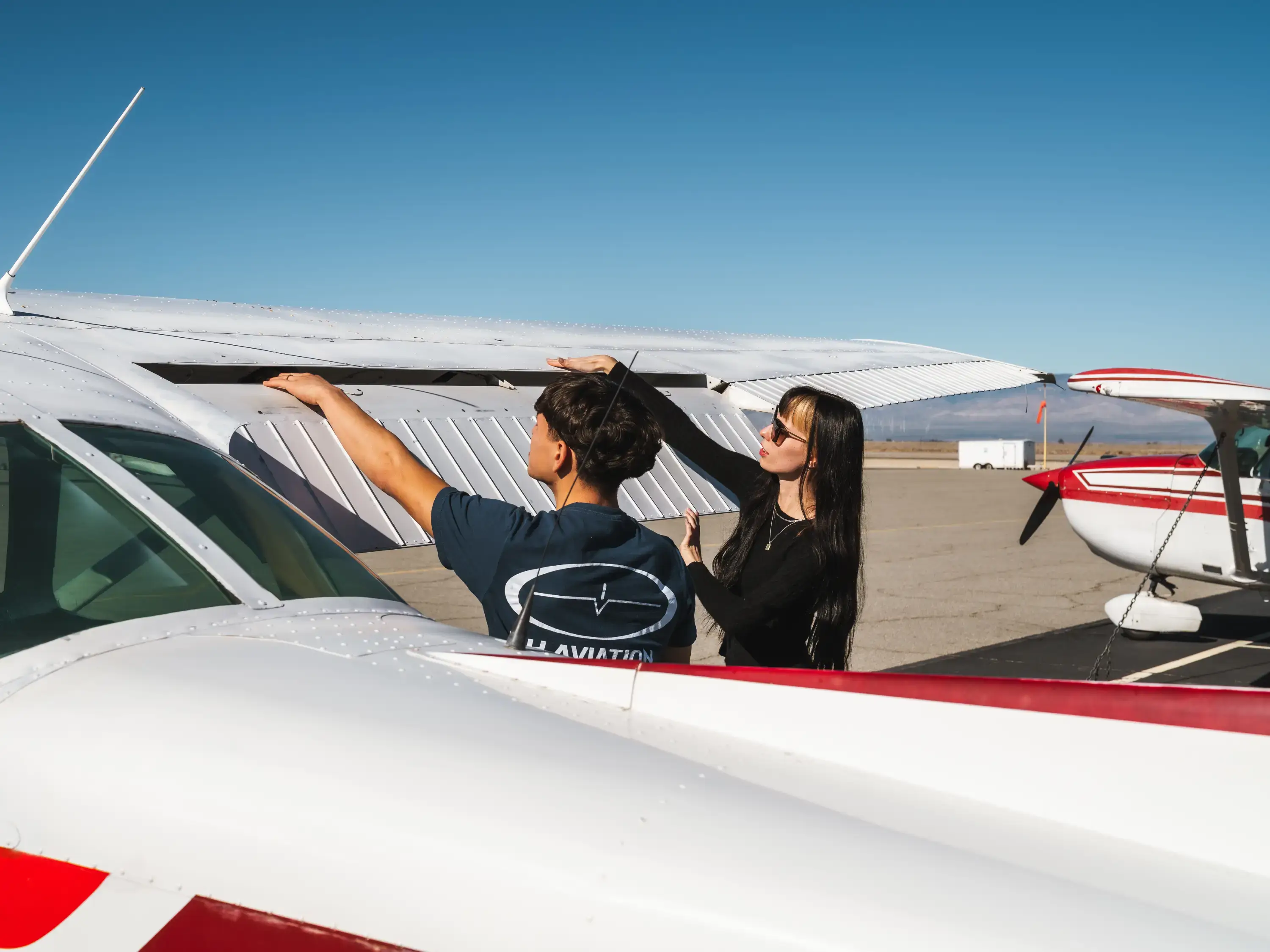
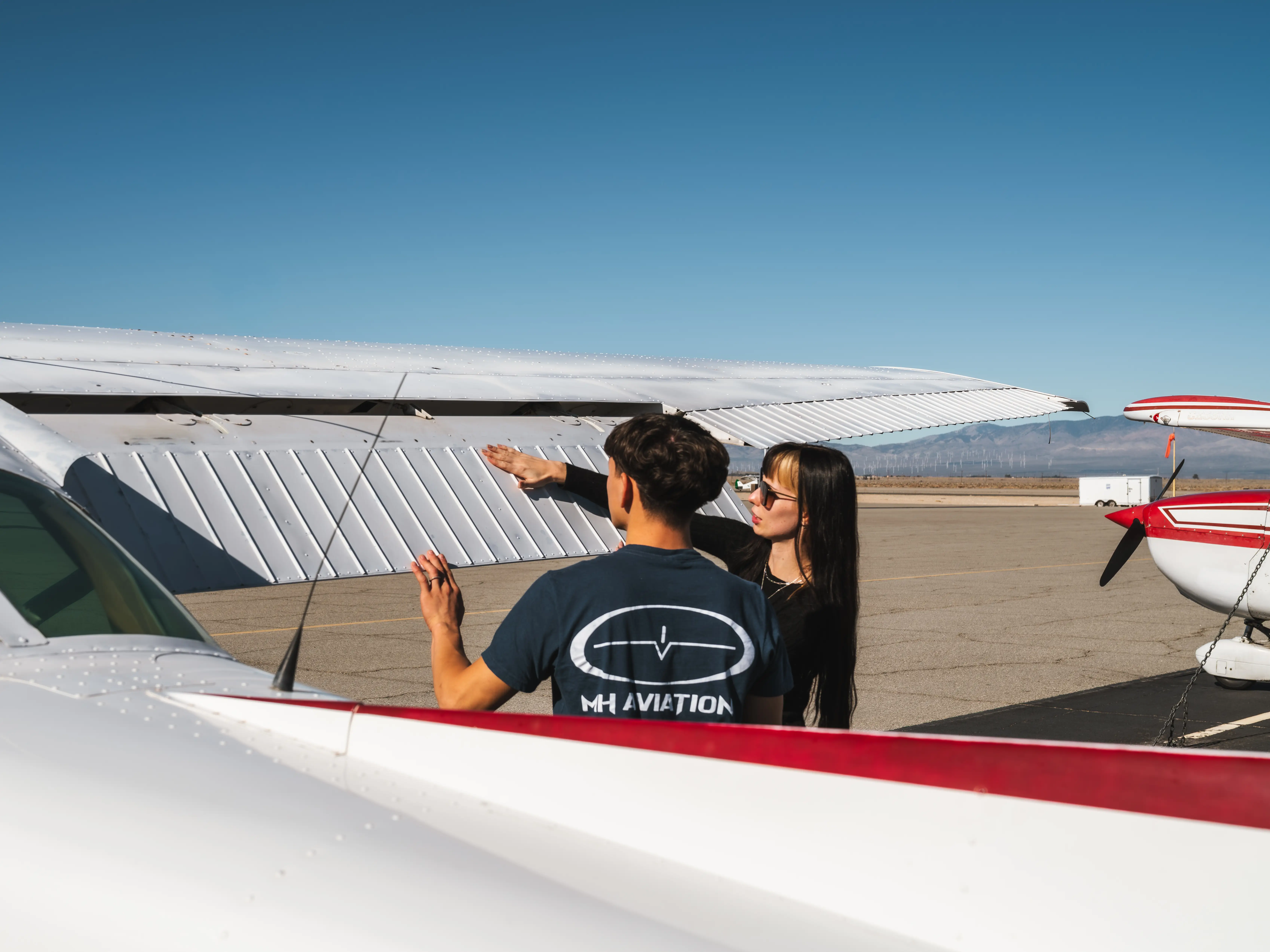
If you want an airline career, the timeline to 1,500 hours is something you can plan with arithmetic. This guide gives you the numbers, shows what slows the clock, and explains what we do at MH Aviation to keep your schedule steady.

The timeline has two phases
Getting to the airlines is not one stretch of flying. It is two phases with different clocks.
Phase one is training. You earn the certificates and ratings you need to work as a pilot: private pilot, instrument, commercial, multi-engine and flight instructor. A full-time student at MH Aviation can move through these ratings in as little as 12 to 18 months in our Zero to Airline roadmap. Part-time students take longer, and that is normal.
Phase two is building time. Once you hold a flight instructor certificate, you fly more hours as a working pilot. The Zero to Airlines program is structured around roughly 250 hours of training before instructing begins, which leaves about 1,250 hours to build. This is the phase where most of the calendar time goes.
The math you can run yourself
Take the 1,250 hours left after training and divide them by the hours you actually fly each month. The result is your time in phase two.
| Hours flown per month | Months to build 1,250 hours | Years, roughly |
|---|---|---|
| 20 hours | 63 months | 5.2 |
| 40 hours | 31 months | 2.6 |
| 60 hours | 21 months | 1.7 |
| 80 hours | 16 months | 1.3 |
These are scenarios, not promises. Your monthly hours depend on how many students you teach, how your schedule fills and what the weather allows. The program describes instructors who can reach 80 to 100 hours in a full month, and that is the top of the range, not the average.
The useful lesson is the shape of the table. Doubling your monthly hours cuts the calendar time in half. A student who flies 20 hours a month and moves to 40 hours saves more than two years. That is why we treat schedule, not talent, as the main lever.
What slows the clock
Four things stretch the timeline more than anything else.
- Grounded aircraft. At many schools a broken part means waiting weeks for an outside shop. A single aircraft out of service can cost a student several lessons.
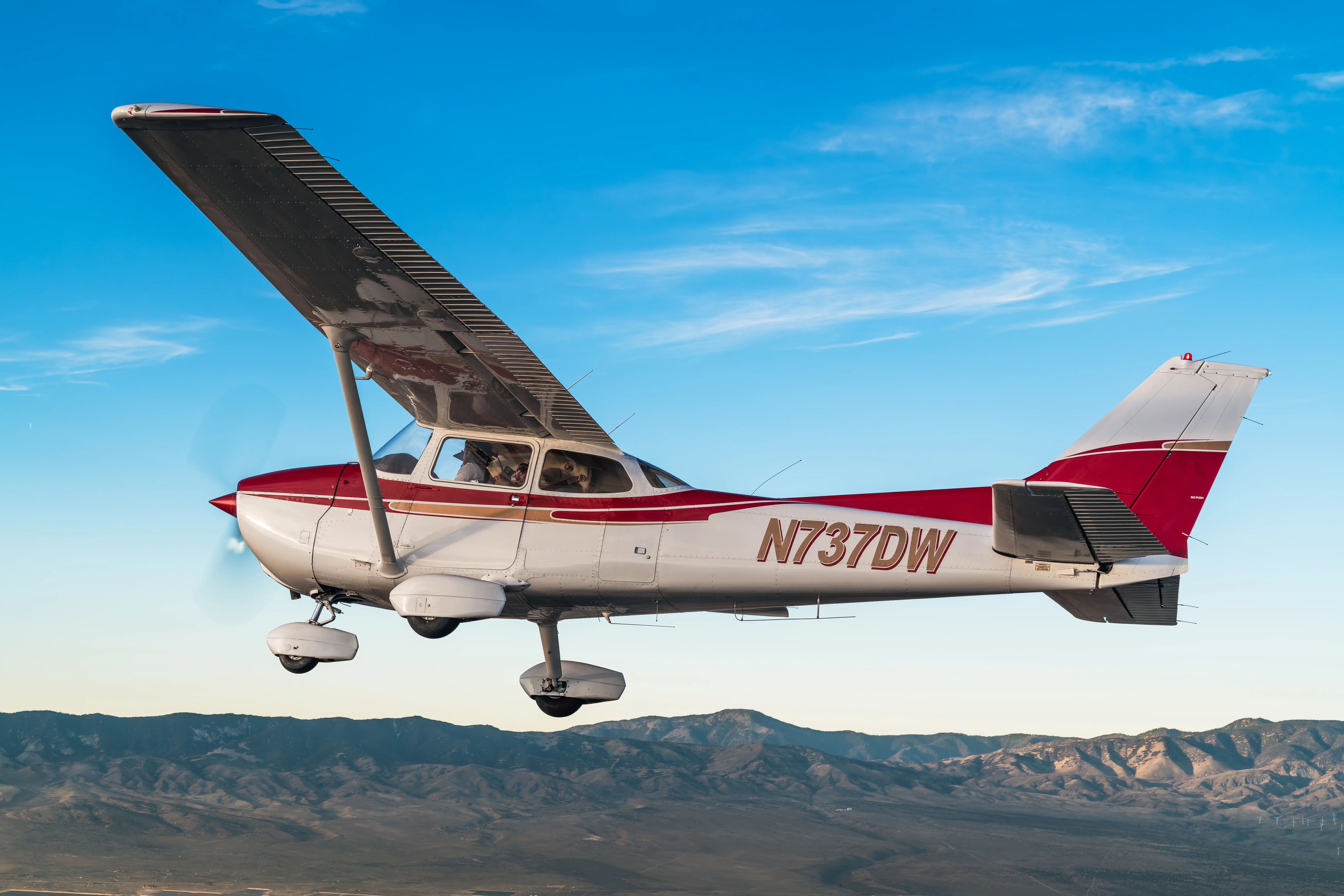
- Weather cancellations. Coastal schools lose mornings to the marine layer. We fly from the high desert at Fox Field, which keeps cancellations lower than at schools near the coast.
- A thin schedule. Students who train one or two days a week spend half of each lesson relearning the last one.
- Waiting on checkrides. Practical test availability can add weeks between finishing training and holding the certificate.
None of these is a character flaw. All of them are things a school can control or a student can plan for, and the first one is ours to fix. Because MH Aviation owns its Part 145 repair station, the training fleet gets priority maintenance and returns to the line faster than it would waiting on an outside shop. You can read how that works in our guide to Part 145 repair stations.
What speeds it up
The fastest plans share a few habits.
- Fly often. Three or more lessons a week keep skills fresh and reduce review flights.
- Study before you fly. Showing up with the maneuver already reviewed makes each hour count.
- Book ahead. Checkrides, endorsements and written exams scheduled early stop gaps from forming.
- Plan the time-building phase early. Students who know their instructing or flying plan before they finish training start logging hours the week they certify.
Instructing is the path most students take because a certificated instructor may log pilot-in-command time for all flight time while serving as the authorized instructor, as the FAA explains in 14 CFR 61.51. We cover the certificate itself in our CFI guide.
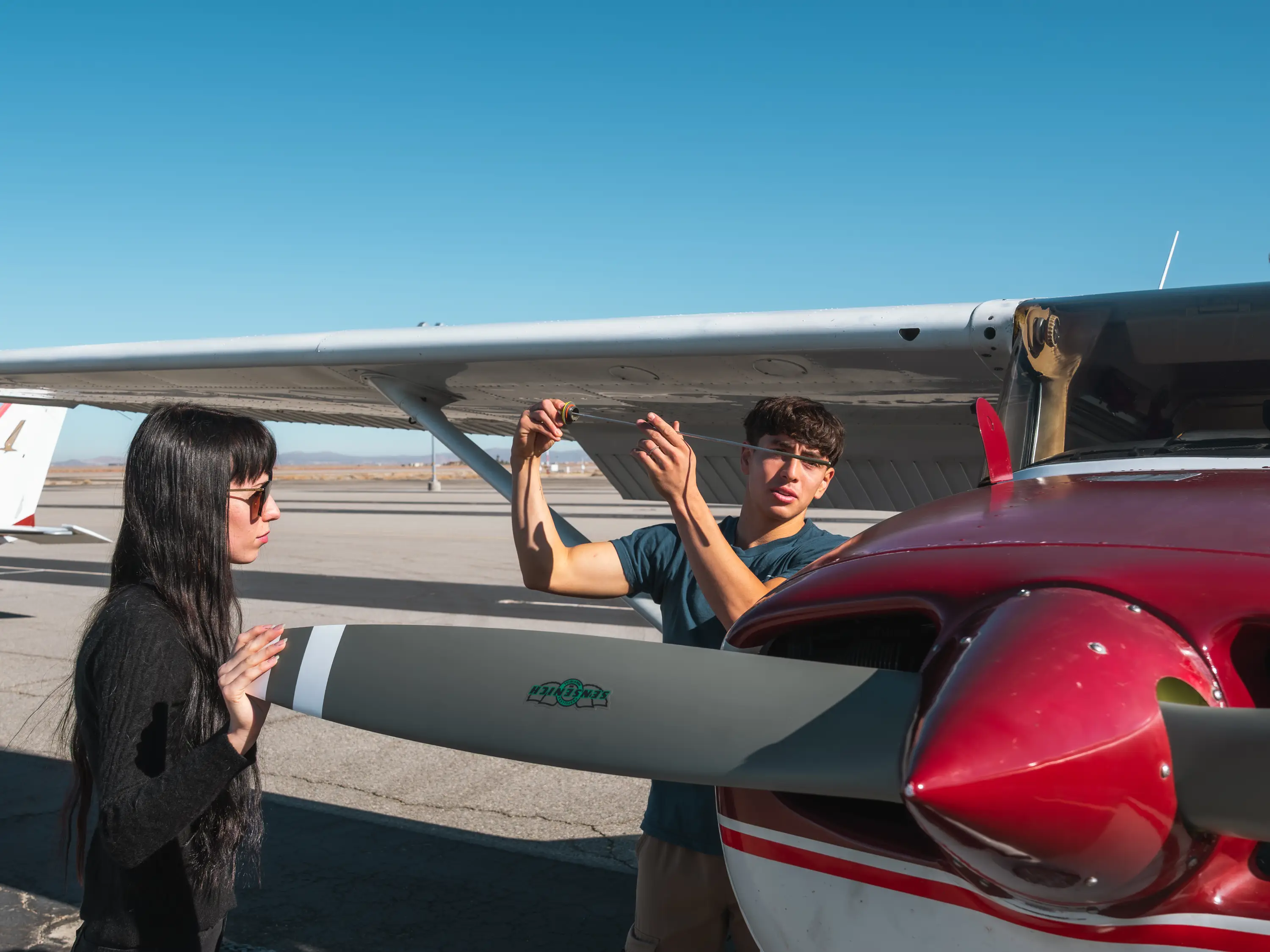
A worked example from first lesson to 1,500\n\nPicture a student who starts part time and trains for 24 months while holding a day job. That student certifies as an instructor and begins building time. If a typical month brings 40 hours, the 1,250 remaining hours take about 31 months. The whole path runs roughly 55 months, a little under five years. Now change one variable. The same student moves to full-time instructing at 60 hours a month and the building phase drops to 21 months, for a total near 45 months. The first plan is slower, and it is also easier to fund and to fit around a job. Neither is wrong. The point of the example is that both numbers are choices you can see before you start.\n\n## Eligibility and hiring are separate clocks
Reaching 1,500 hours makes you eligible for the airline ATP, provided the other requirements are met. It does not start a hiring clock. Airlines set their own requirements, which can exceed the FAA minimum, and hiring depends on the employer and on you. Treat the 1,500-hour date as the day your options open, not the day a job appears. Use the time before it to build the habits, the network and the professional record that employers look at, because a logbook with the right hours and a clean record opens more doors than a logbook with the right hours alone.
If you qualify for a reduced-hours route, the math changes. We explain those paths in our guide to who qualifies for reduced hours.
Build your own timeline
Here is a simple way to plan. Pick the month you could start training. Add your training phase using the full-time or part-time estimate that fits your life. Then pick a monthly hours target for phase two, divide 1,250 by that number, and add the result. That date is your working estimate, and you can adjust it every quarter.
If you want to see the first step in person, a first flight is a low-commitment way to meet the instructors, see the fleet and talk through what a plan for your situation would look like, including how much of your week you can realistically give to training. We also lay out costs on our rates page, and pay-as-you-go pricing lets you fit the training phase to your budget without taking on a loan.
Frequently Asked Questions
How long does it take to get 1,500 flight hours?
For most students the total is two to five years from the first lesson, depending on how many hours you fly each month. A full-time student who flies 60 hours a month in the building phase can reach the total in roughly two years of instructing after certification.
Can I get 1,500 hours faster if I train full time?
Yes. Full-time students finish training sooner and can start building time earlier. Flying more hours each month shortens phase two, as the table shows.
How many hours can a new instructor fly each month?
It depends on student demand and on your schedule. Some months are slow and some are full. The program describes 80 to 100 hours in a full month, and a plan built on a lower number is safer.
Do simulator hours count toward the 1,500?
Only in an approved Part 121, 135, 141 or 142 course, and only up to 100 hours of the total. The best way to plan is to assume that time in the airplane is what builds your logbook.
Is 1,500 hours the same as getting hired by an airline?
No. It makes you eligible for the ATP under FAA rules, and airlines can set requirements above that minimum. The FAA ATP training page explains the certificate side of the process.
Start your timeline at Fox Field
The best timeline starts with a first lesson. Book a first flight at MH Aviation and you will meet the instructors, see the fleet and the maintenance hangar, and sit down with us to map a plan from your first hour toward 1,500. Bring your schedule and your questions, and we will show you what a realistic month looks like. You can reserve your spot at our first flight page.