How to Build Multi-Engine Hours Affordably in 2026

Published by
Jessica Haney
Published on
Updated on
Read time
7 min read
For many aspiring pilots, the ultimate goal is to transition from a zero to airline pilot career path as quickly and cost-effectively as possible. While accumulating your 1,500 hours is a marathon, one of the most critical hurdles on this track is building the multi-engine flight hours required by regional airlines.
Most regional airlines require a minimum of 25 to 50 hours of multi-engine flight time before you can be hired as a First Officer. However, twin-engine aircraft are expensive to rent, and many flight schools charge astronomical rates that can quickly stall your career progression.
At MH Aviation in Lancaster, CA, we believe that high-quality career training shouldn’t require financial distress. Here is a guide on how to build your multi-engine time affordably and why our High Desert training hub is the perfect launchpad for your airline career.
Why Multi-Engine Hours Are a Bottleneck
Multi-engine aircraft are inherently more complex than single-engine trainers. They have two of everything—engines, propellers, fuel systems, and alternators—which translates to higher maintenance costs and higher fuel burn.
Because of this, renting a twin-engine aircraft at standard flight schools in the Los Angeles basin often costs upwards of $395 per hour (Wet). When you add the cost of an instructor, building 25 to 50 hours of multi-engine time can easily cost over $15,000. This financial barrier is why many flight instructors struggle to build their multi-engine time.
Strategic Ways to Build Twin-Engine Time Affordably
1. Leverage a Safety Pilot Program
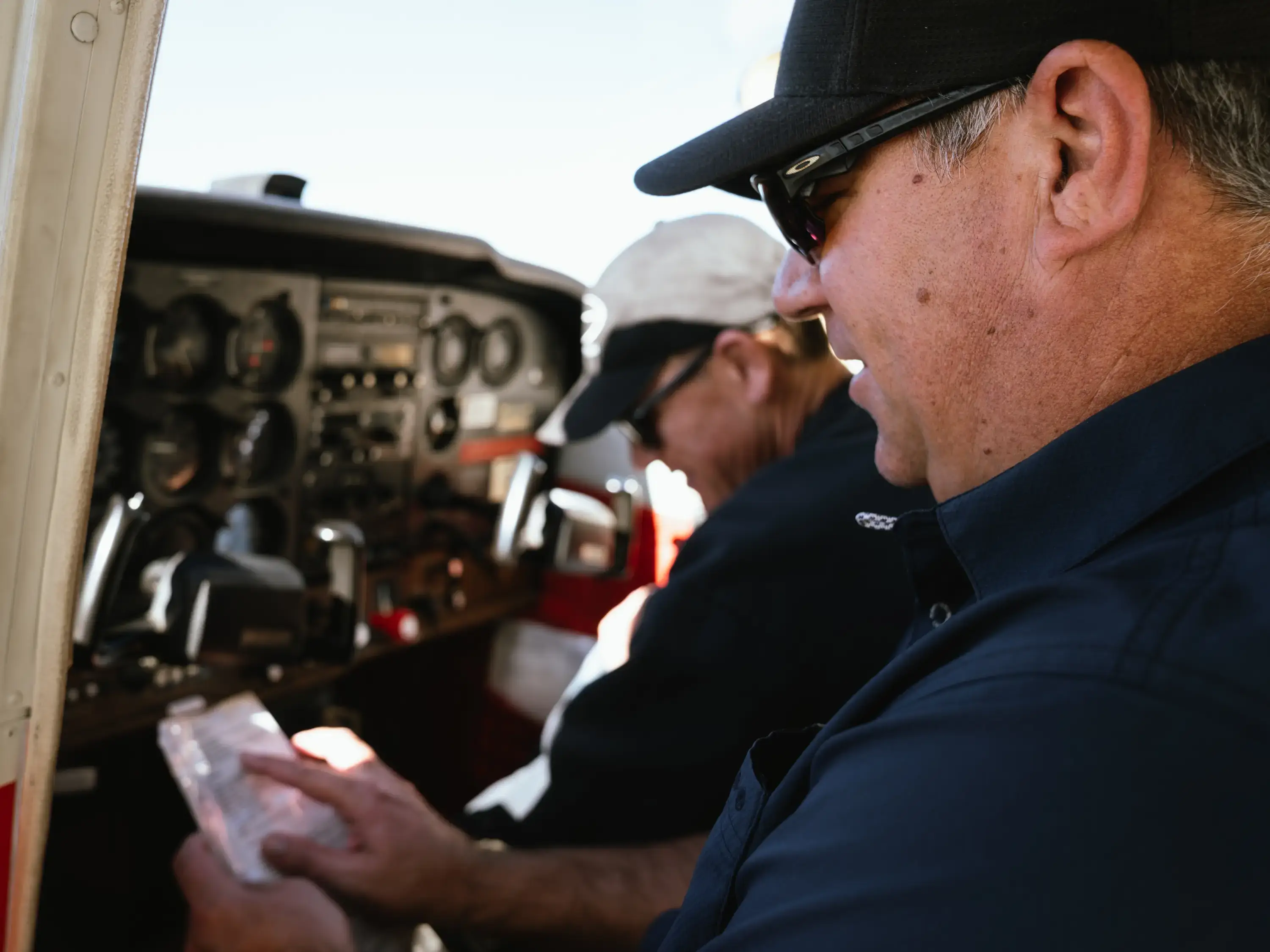
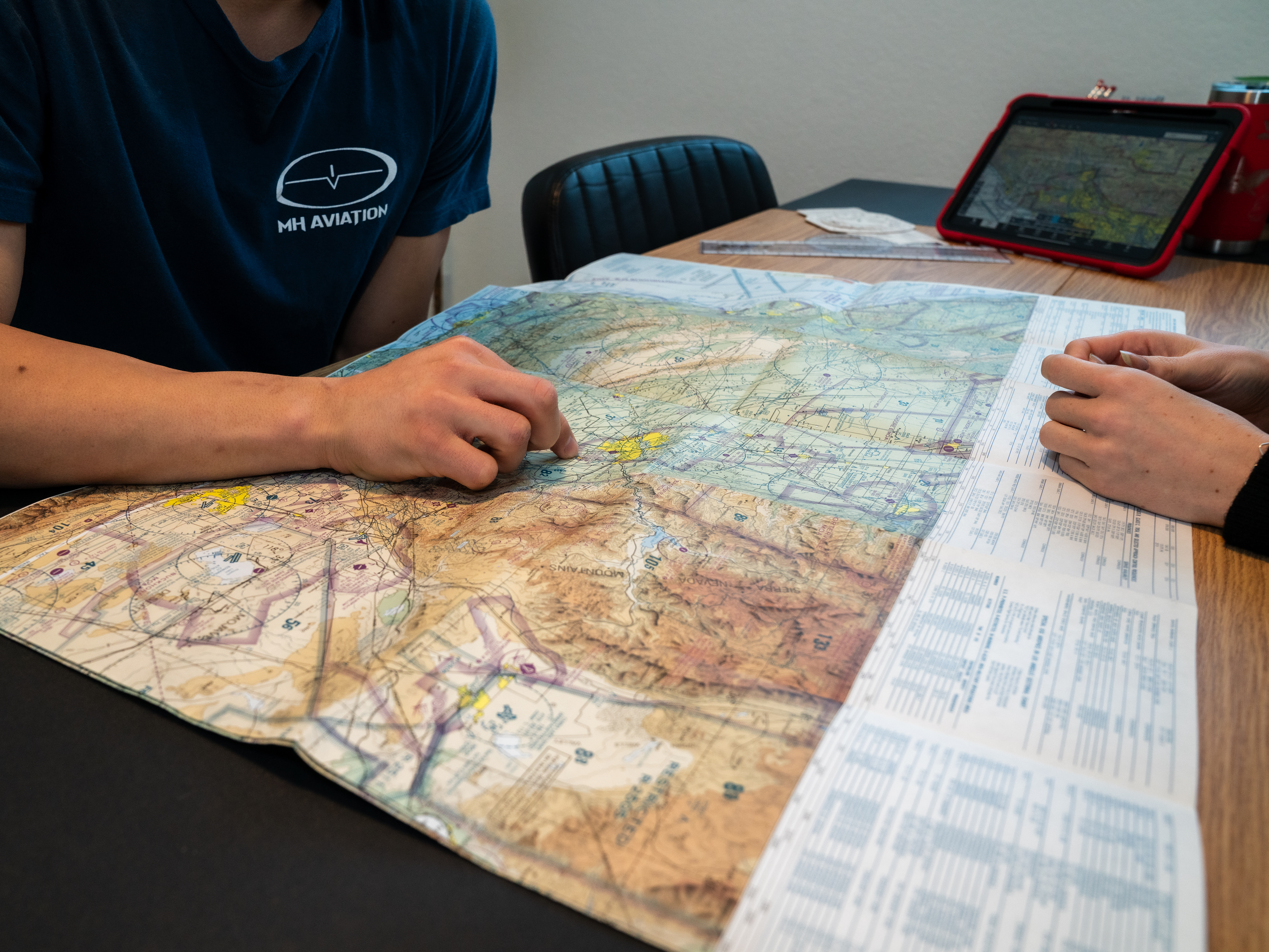
Under FAA regulations (14 CFR 61.51), two pilots can log pilot-in-command (PIC) time simultaneously if one is flying solely by reference to instruments (wearing a view-limiting device or “hood”) and the other acts as a safety pilot.
At MH Aviation, we offer a dedicated Safety Pilot Program for rated pilots. This allows you to split the rental cost of the aircraft while building time, or fly with our safety-rated pilots at a reduced instruction rate of $60/hr (compared to our standard $90/hr instructor fee). This effectively cuts your training costs in half.
2. Choose the Right Training Platform
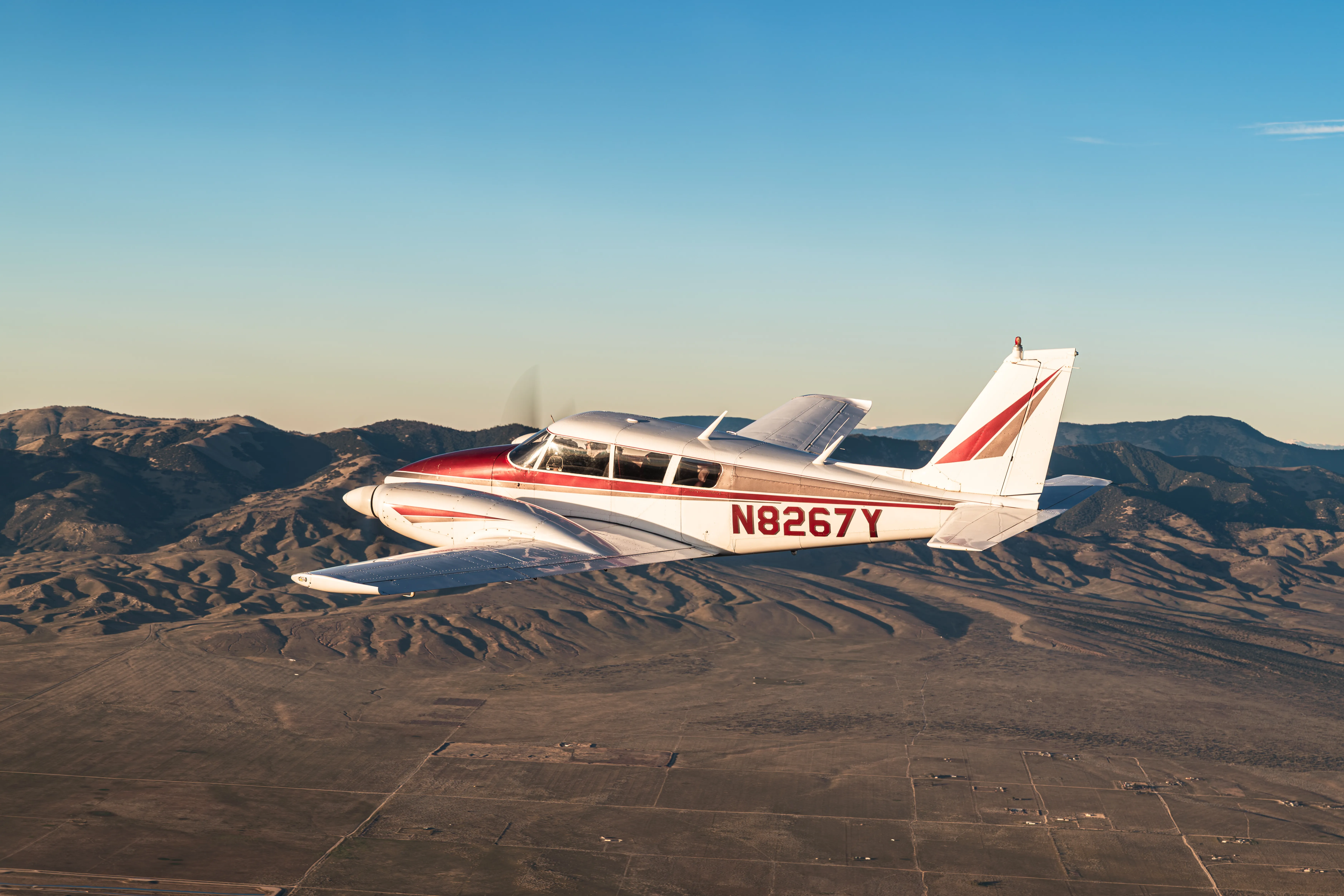
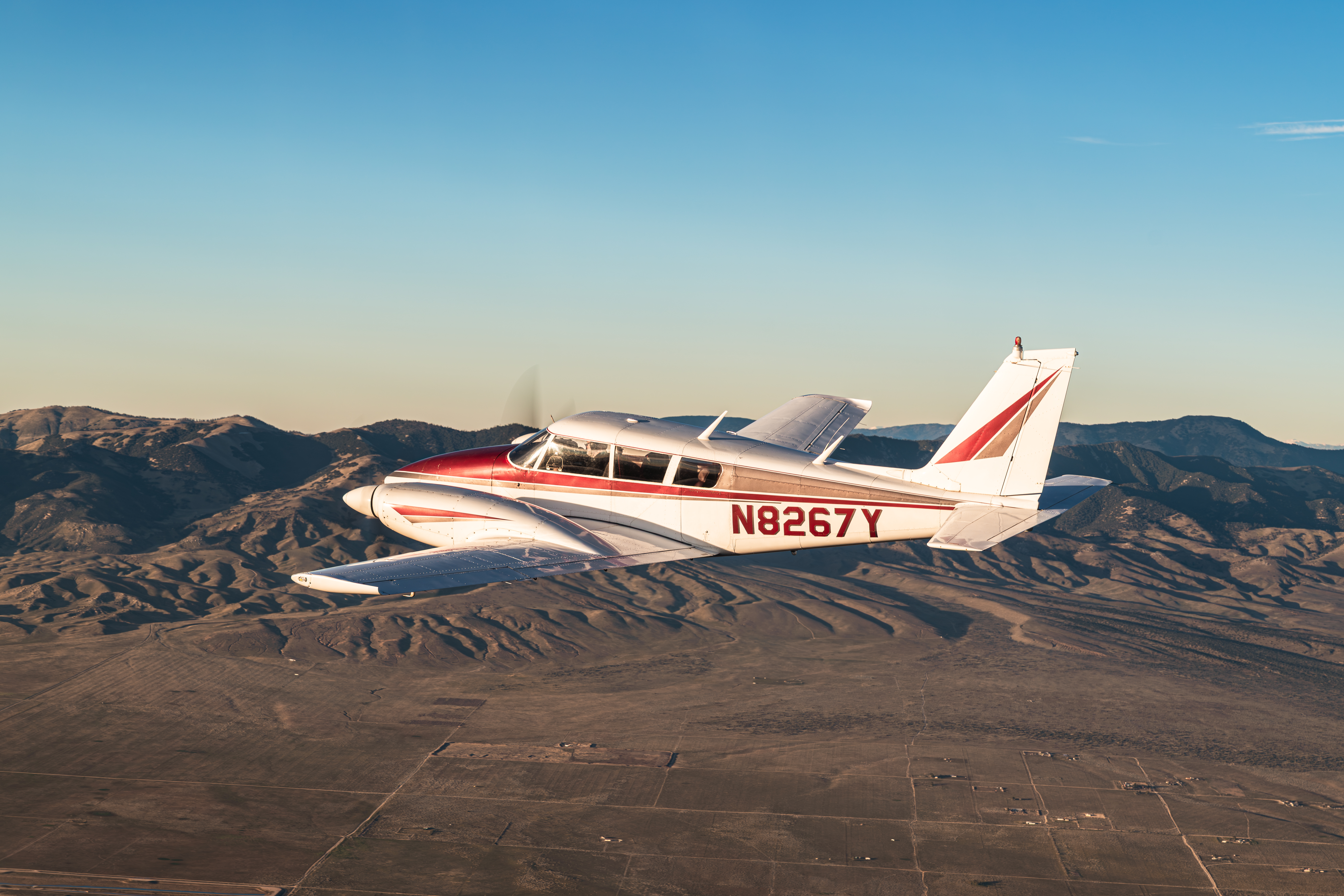
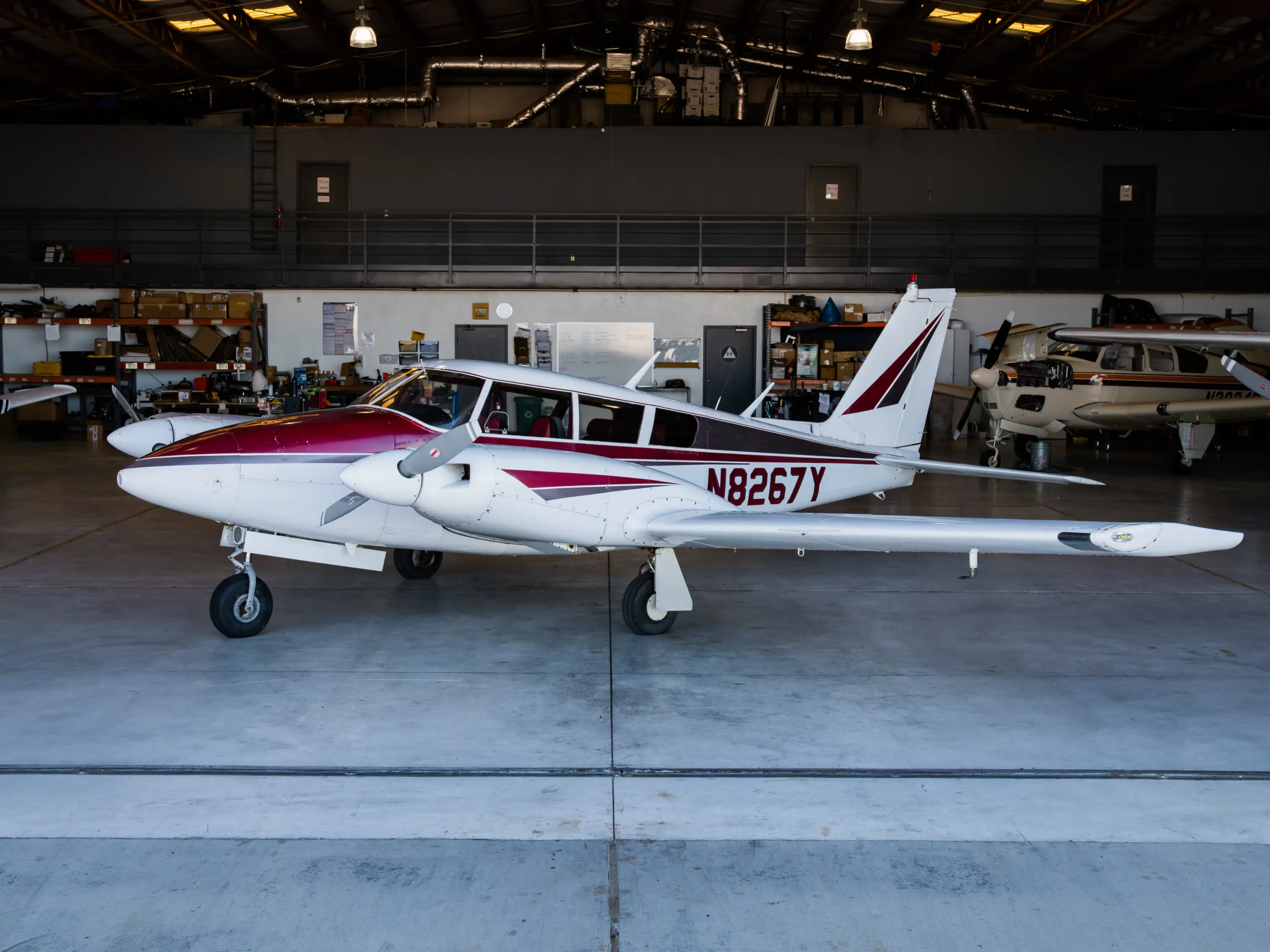
Some flight schools train in heavy, fuel-thirsty twins. We train in the Piper PA-30 Twin Comanche. The Twin Comanche is legendary in the aviation industry for its efficiency. It provides all the complex, multi-engine systems you need to master—such as retractable gear, constant-speed propellers, and asymmetric aerodynamics—while burning a fraction of the fuel of larger twins. This efficiency is why we can pass the savings directly to you.
3. Compare Regional Rates
Location matters. By moving your training outside the congested coastal airports, you can save thousands. MH Aviation’s multi-engine rate is $305/hr (Wet), compared to the ~$395/hr rates common at LA area schools. Over a 30-hour time-building block, this rate difference alone saves you $2,700.
The MH Aviation Advantage for Career Pilots
If you are on the Zero to Airline track, every hour and every dollar counts. Training at Fox Field (KWJF) in Lancaster offers:
- No Traffic Delays: You won’t spend 20 or 30 minutes taxiing or holding for commercial traffic. When you start the engines, you are in the air and logging useful training time almost immediately.
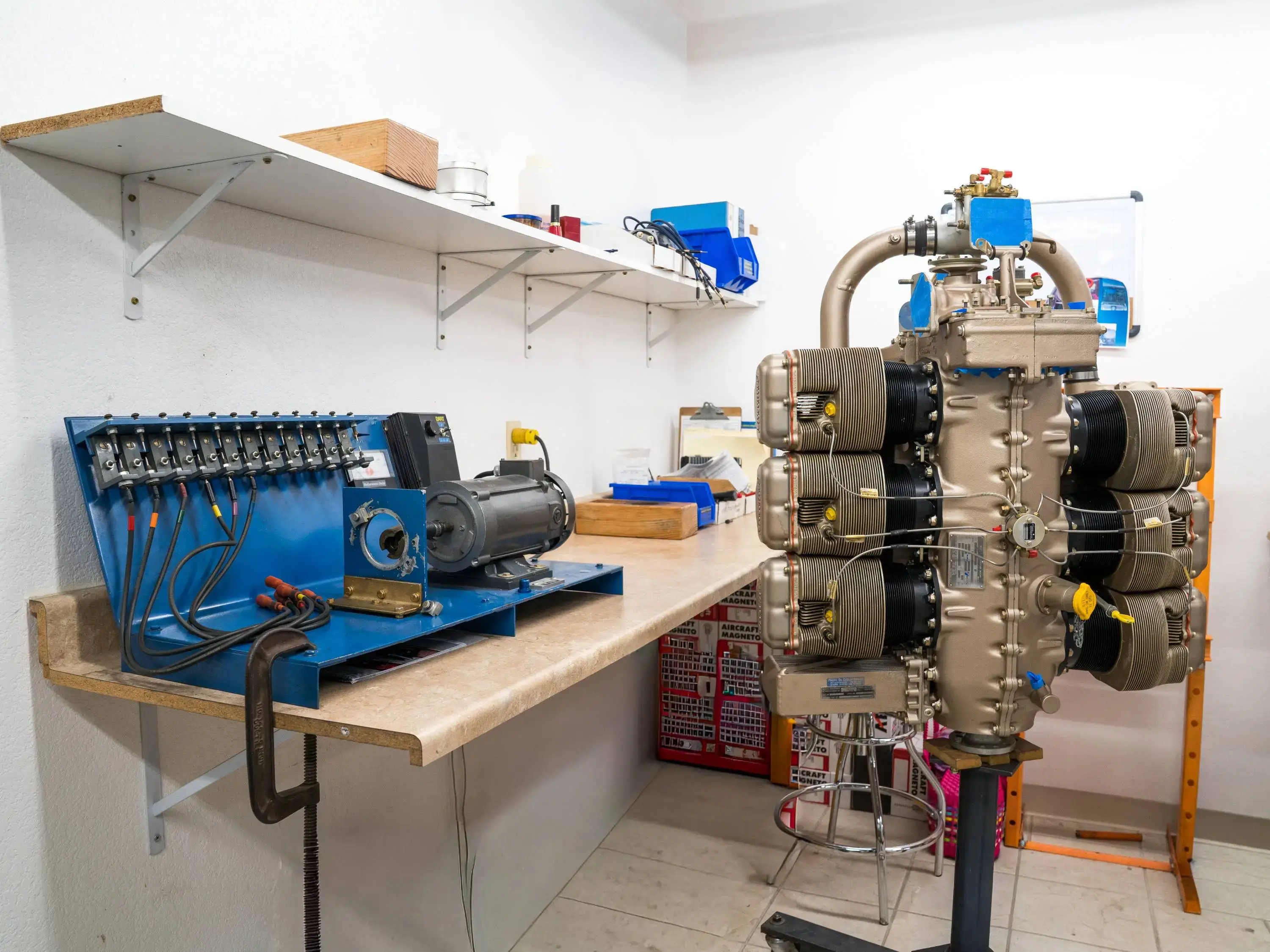
- Part 145 Maintenance Backing: Our aircraft are maintained by our own in-house FAA Part 145 Repair Station. If a squawk arises, it is addressed immediately, ensuring maximum fleet availability so you can build hours on your schedule.
- MEI Career Path: Once you earn your rating, we prioritize hiring our own graduates as instructors. Teaching multi-engine students is the ultimate way to build your twin-engine time while earning an income.
Earning your multi-engine rating and building your hours doesn’t have to be a financial bottleneck. Check out our Zero to Airline program or contact our team to learn more about our Safety Pilot Program.