Is Flight School a Trade School? Lancaster 2026 Guide

Published by
Jessica Haney
Published on
Updated on
Read time
10 min read
If you are searching for trade schools in Lancaster, CA, flight school belongs in the conversation. But the answer to “is flight school a trade school?” needs a clear line.
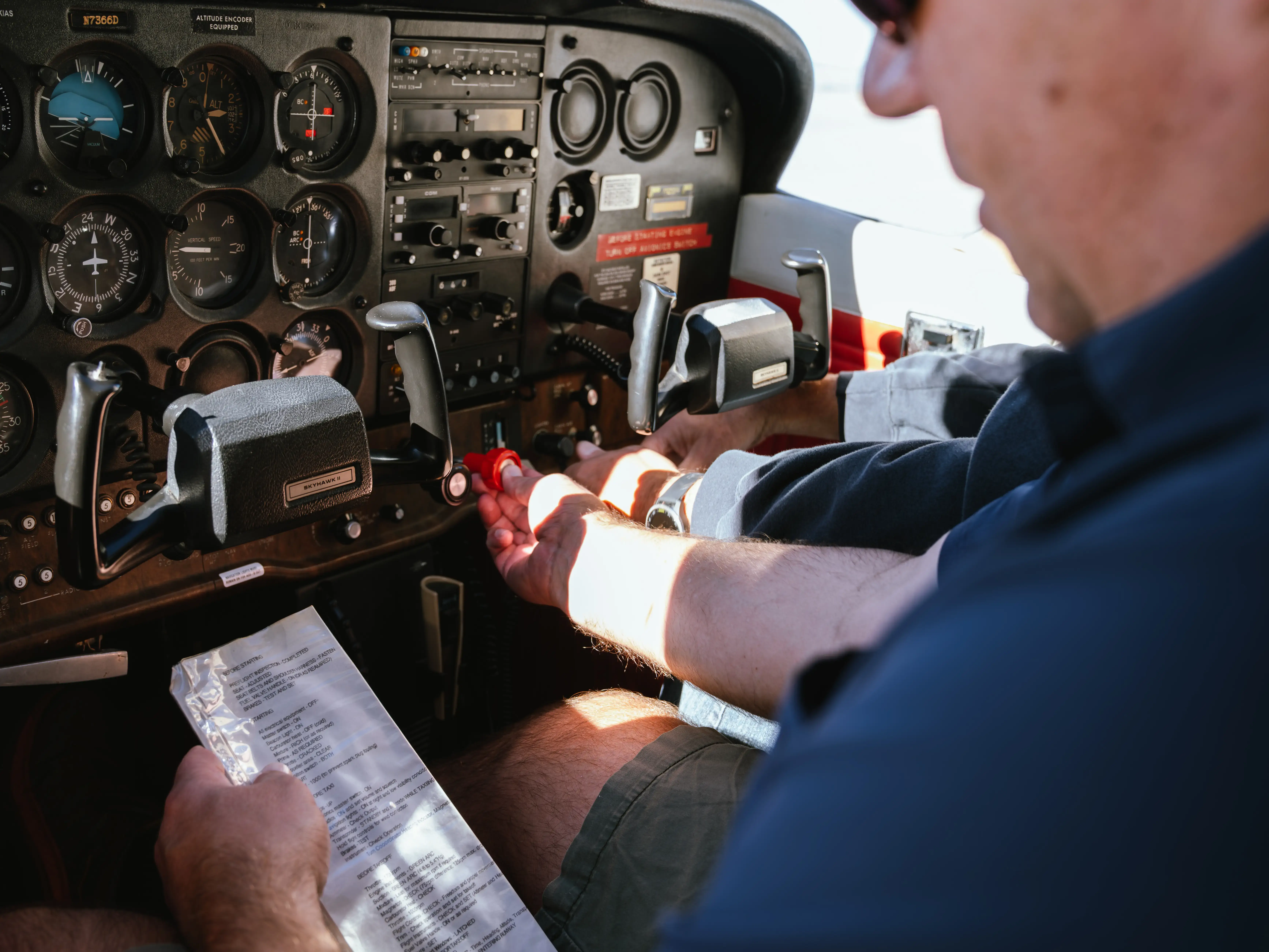
In plain English, flight training is a hands-on career-training path like many trades. But the credential is different. You earn Federal Aviation Administration (FAA) pilot certificates and ratings, not a trade-school diploma. At MH Aviation, that path starts at Fox Field (KWJF) in Lancaster and can move from a first flight through advanced pilot training.
This guide helps Antelope Valley students compare flight school with local paths like welding, HVAC, and electrical training without guessing, overpaying, or choosing the wrong path for their goals.
Is Flight School a Trade School? The Plain Answer
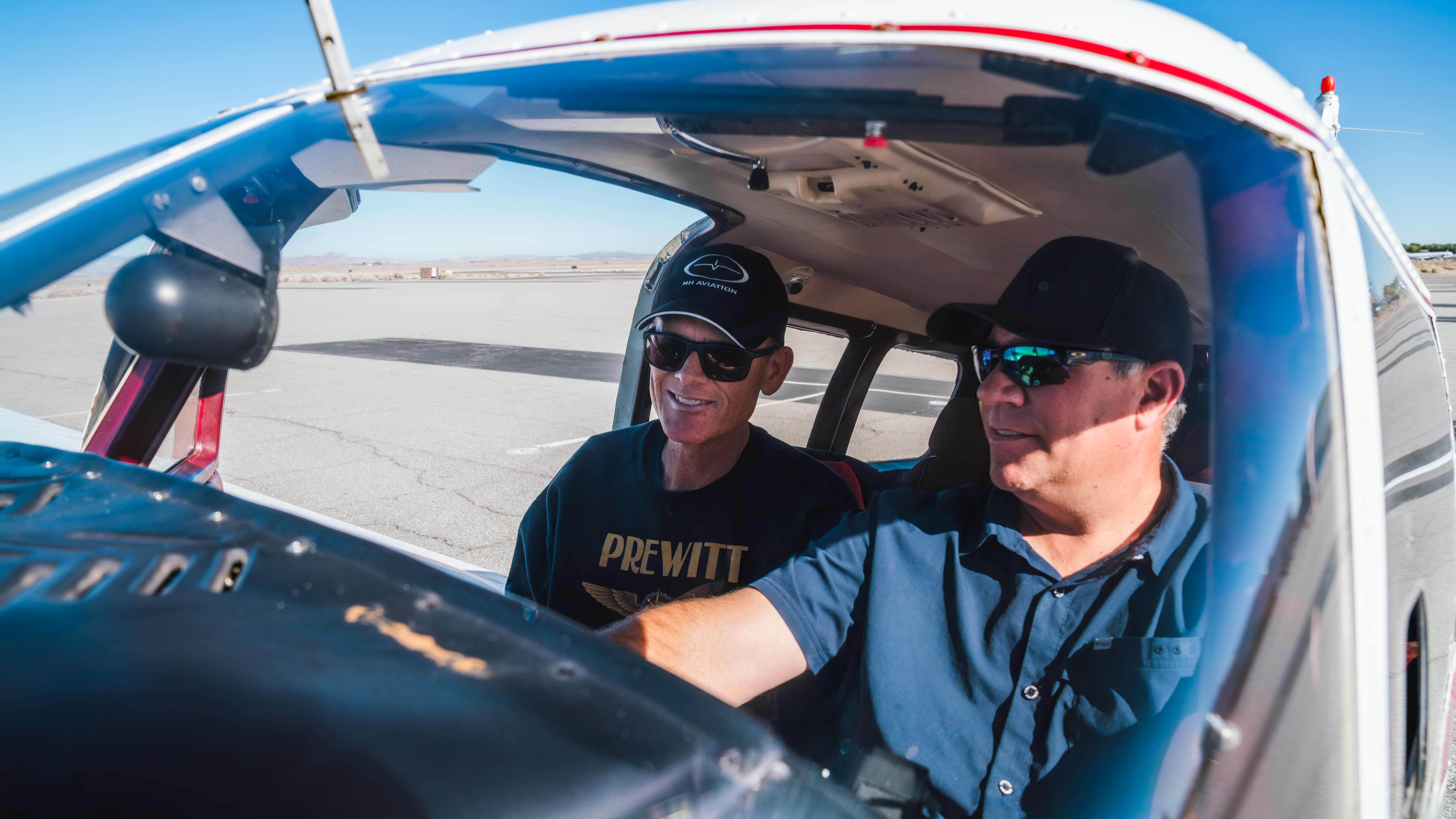
Flight school is not the same thing as a trade school in a legal or school-accreditation sense. The FAA has its own rules for pilot training, pilot schools, certificates, ratings, medical standards, and checkrides. You can see that difference in the FAA’s own pilot-school language, including its explanation of Part 141 pilot schools.
But from a student decision point of view, flight school can feel very similar to a trade path:
- You learn a practical skill, not just classroom theory.
- You train with an instructor.
- You build skill in stages.
- You must pass tests before you move forward.
- Your progress depends on practice, consistency, and readiness.
The difference is the credential. A welding program may lead toward a welding certification. An electrical program may support a trainee or journeyman path. Flight training leads to FAA pilot certificates and ratings, such as the Private Pilot Certificate, Instrument Rating, Commercial Pilot Certificate, Certified Flight Instructor, and Multi-Engine Rating.
So the best answer is:
Flight school is a vocational, skills-based path, but it is not simply a trade-school diploma path. If you are comparing options in Lancaster, compare the credential, total cost, time, schedule, medical or licensing gates, and the real next step after training.
How Flight Training Compares With Antelope Valley Trade Programs
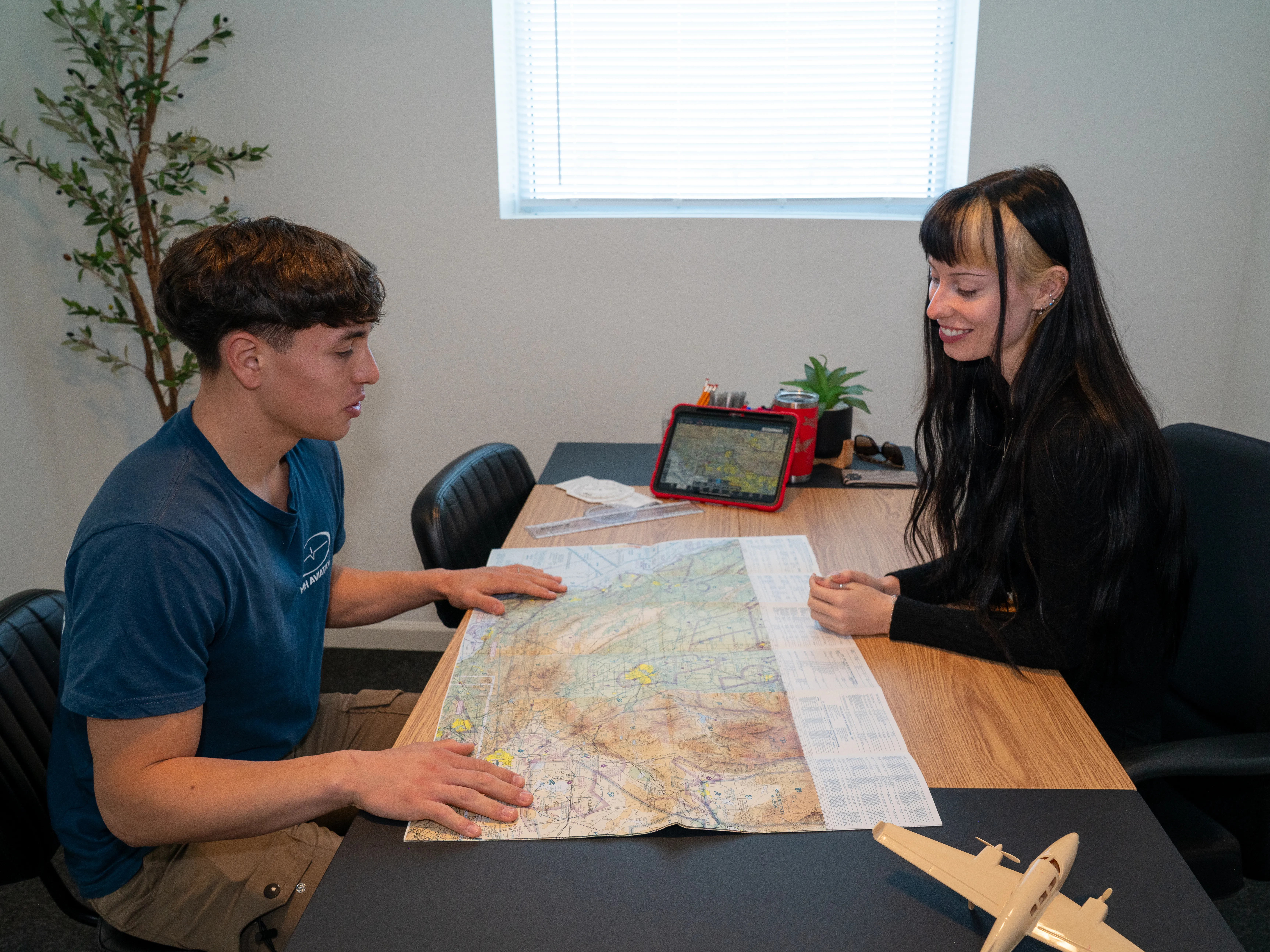
If you live in Lancaster, Palmdale, Rosamond, Quartz Hill, or nearby North LA County, you may already be looking at Antelope Valley College programs in welding, electrical technology, or air conditioning and refrigeration. Those are serious hands-on paths. Flight training is another hands-on path, but it has different rules and risks.
Use this table as a first-pass comparison, then go deeper before you enroll in any school or program.
| Path you may be comparing | Credential or next step | Gate you must understand | What to ask before you choose |
|---|---|---|---|
| Welding | Certificate or welding certification path | Skill tests, shop practice, employer needs | What certification does the program prepare you for, and what jobs does it support locally? |
| Electrical technology | Electrical trainee or journeyman exam path | California rules, supervised work, exam eligibility | How do classroom hours, trainee status, and work hours connect? |
| Air conditioning and refrigeration | Certificate, degree, or EPA refrigerant handling test prep | Hands-on service skill and certification needs | What equipment will you train on, and what entry jobs does it prepare you for? |
| Flight training at MH Aviation | FAA certificates and ratings | Medical before solo, FAA tests, checkrides, and flight-hour requirements | What is the aircraft rate, instructor rate, schedule plan, and next certificate after your first goal? |
This is where many students make a mistake. They compare paths by one number, one school name, or one job title. A better comparison looks at what must happen after enrollment.
For example, California electrician paths may include thousands of qualifying work hours or an approved apprenticeship route before certification exam eligibility. Flight training has a different kind of gate: you need the right FAA paperwork, medical readiness before solo, knowledge tests, practical tests, and enough flight time to meet the certificate or rating you are pursuing.
That is why your first step should not be a vague “which school is best?” search. Start with a more useful question: which path fits the way you want to train, pay, schedule, and build your career? If aviation is on your list, review the MH Aviation program path before comparing it with local trade options.
The Aviation Gates Lancaster Students Should Understand First
Flight training has a clear path, but it is not one single class. It is a step-by-step system. Before you compare it with trade school, understand the aviation gates that can affect your time, cost, and momentum.
1. You can start lessons before you solo. You do not need to have every FAA item completed before your first flight lesson. Many students begin with a discovery flight or first conversation, then map the next steps.
2. You need to handle the medical question early. For most airplane students, a medical certificate is needed before solo flight. The FAA also suggests handling medical questions early so you do not spend heavily before finding an issue. If you have a medical concern, talk with an Aviation Medical Examiner before you commit to a full plan.
3. Your first certificate is not a paid-job credential. The Private Pilot Certificate is the foundation. It lets you build skill and fly under specific rules, but it is not the credential that lets you broadly work as a paid pilot.
4. Professional flying takes more steps. A student who wants paid flying work usually needs to continue through advanced training, such as the Instrument Rating and Commercial Pilot Certificate. Many career-minded students also look at the CFI path or the Zero to Airline roadmap.
5. Airline eligibility is later. The standard Airline Transport Pilot path is often discussed around 1,500 hours, but the actual FAA rule has details and exceptions. Do not choose flight school because someone promised a fast airline job. Choose it because the training path, cost structure, schedule, and long-term career fit make sense for you.
Cost and Financing: Compare the Full Path, Not One Number
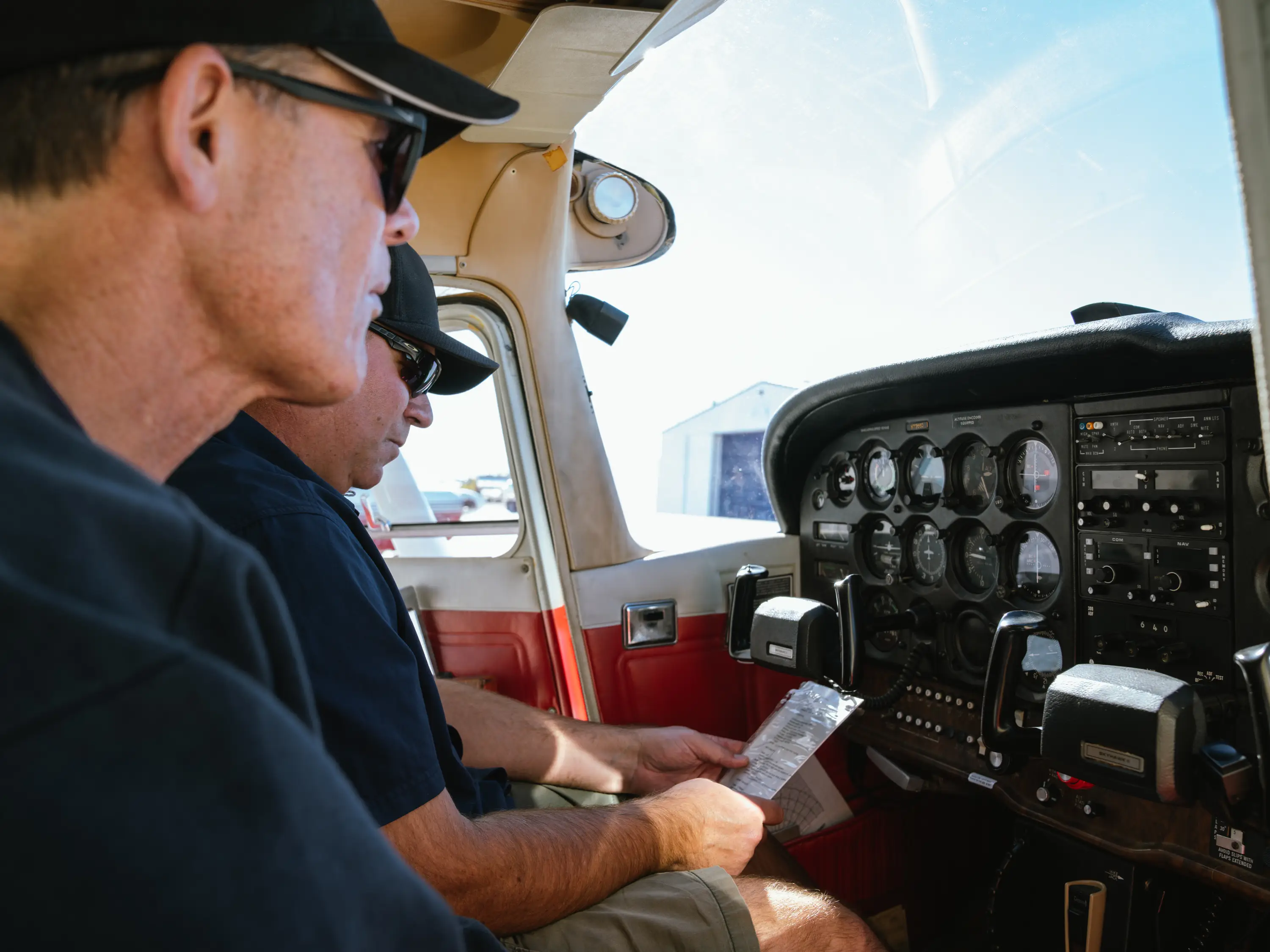
Cost is where students get confused. A trade program may show tuition. A flight school may show aircraft rates. An apprenticeship may include paid work but take longer to reach full independence. None of those numbers mean much until you know what is included.
For flight training, ask for the full picture:
- Aircraft rate: Is it wet, meaning fuel is included?
- Instructor rate: Is it separate from the aircraft?
- Ground school: Is it included, online, or paid separately?
- Testing: Who pays for written tests, checkrides, and examiner fees?
- Medical: When should you complete it?
- Schedule: How often can you train without losing skill between lessons?
- Extra time: What happens if weather, maintenance, proficiency, or checkride timing adds hours?
MH Aviation currently charges a $170/hr wet single-engine rate and a $295/hr wet multi-engine rate. Instructor fees are separate by program. Confirm current pricing before you commit, because rates can change.
Just as important, MH Aviation does not currently offer direct financing and runs on a pay-as-you-go model. That can help some students pace training, but it does not remove the need for a written budget. Before you decide, compare the rates page with your training goal and submit an enrollment inquiry if you need help building a realistic plan.
The same rule applies to trade school. Do not compare flight training to welding, HVAC, or electrical training by headline cost alone. Ask what the program includes, what it does not include, what happens after completion, and what credential or work experience comes next.
When Flight School May Fit Better Than a Traditional Trade Path
Flight school is not for every student. That honesty matters. If you want a path where you can earn while completing a long apprenticeship, a trade may fit your life better. If your medical eligibility is uncertain, handle that question before you spend serious money on flight training.
But flight training may be a strong fit if you want a path with these traits:
- You want a hands-on career skill with a clear certificate ladder.
- You are willing to study and practice outside lessons.
- You can train consistently enough to keep momentum.
- You want to learn in aircraft, not only in a classroom or shop.
- You are comfortable with FAA tests, checkrides, and ongoing standards.
- You want a local school at Fox Field (KWJF) instead of commuting deep into the LA Basin.
At MH Aviation, the path can start with one first flight, then move into the Private Pilot Certificate. From there, career-minded students can compare the Instrument Rating, Commercial Pilot Certificate, CFI training, Multi-Engine Rating, or Zero to Airline path.
The point is not that flight school is better than a trade. The point is that aviation may be the better fit for a certain kind of student: one who wants a cockpit-based skill, accepts the FAA gates, and wants a step-by-step path from first flight to advanced training.
How to Compare Schools in Lancaster Without Getting Sold
When a school, trade program, or academy sounds too easy, slow down. A serious school should help you understand the tradeoffs before you sign up.
Use this checklist when comparing flight school with trade-school options in Lancaster:
- Ask what credential you earn. Is it a certificate, rating, degree, trainee status, license path, or exam prep?
- Ask what the credential lets you do next. A credential is only useful if you understand the next step.
- Ask what is not included in the advertised cost. This matters for both flight training and trade programs.
- Ask what can delay you. Weather, aircraft maintenance, instructor schedules, checkride timing, work-hour requirements, and class availability all matter.
- Ask who will guide your next step. You should not have to guess after enrollment.
For aviation, a smart comparison includes the school visit. Walk the facility. See the aircraft. Ask how scheduling works. Ask what happens if you miss a week. Ask how the school helps you move from one certificate to the next. You can start that process through a visit to MH Aviation or a direct training inquiry.
If you want the broader salary, timeline, and career comparison, read the existing guide to Flight School vs Trade School in Lancaster, CA. Use that as the wide-angle guide. Use this post as the local decision filter for Antelope Valley students asking whether flight school belongs in the trade-school conversation.
FAQ: Flight School and Trade School in Lancaster
Is flight school a trade school?
In plain language, flight school is a hands-on career-training path. But it is not the same as a trade-school diploma path. Flight training leads to FAA pilot certificates and ratings. Start with the program overview if you want to see how the aviation path is built.
Is flight school considered a vocational program?
It can be discussed that way in a broad sense because it teaches a practical skill. Still, the official credential system is FAA-based. Before you compare it with a local trade program, check the exact school status, credential, cost, and next step. A first-flight conversation can help you sort that out before you commit.
Do I need a medical certificate before starting flight school?
You can start lessons before solo, but most airplane students need a medical certificate before solo flight. Handle the medical question early, especially if you have a condition that may affect eligibility. The Private Pilot Certificate page is a good place to understand the first training step.
How should I compare flight school cost with trade school cost?
Compare the full path, not the first number you see. For flight training, that means aircraft rate, instructor rate, ground school, written tests, medical, supplies, checkride fees, and extra training time. Review the MH Aviation rates page before making a budget.
Can I work as a pilot after a Private Pilot Certificate?
No, not in the broad paid-job sense. The Private Pilot Certificate is a foundation, not a general paid-flying credential. Students who want professional options usually continue toward the Commercial Pilot Certificate and often add ratings or instructor training.
Is flight school a good option if I am already looking at trade schools in Lancaster?
It can be, if you want a hands-on aviation path and you are ready for the FAA requirements, medical step, study load, and training investment. If you are not sure, start with one clear next step instead of a full commitment: ask MH Aviation about a first flight or training consultation.
Start With One Flight, Then Compare the Path
If you are comparing trade schools in Lancaster, CA, you do not need to decide your whole future from a search page. You need a clear first step.
Flight training is worth comparing if you want a hands-on path, a certificate ladder, and a local school at Fox Field. It is not worth rushing if you have not checked the medical question, schedule, cost, and next credential.
Start with one conversation at MH Aviation. Ask what your first flight would look like, what the current rates are, and how the path would compare with the trade options you are already considering.