Fox Field Lancaster Guide: What Pilots Need in 2026

Published by
Jessica Haney
Published on
Updated on
Read time
10 min read
If you are searching for Fox Field Lancaster, KWJF, or a Lancaster CA airport, you are looking for General William J. Fox Airfield. It is Lancaster’s public general aviation airport, and it is the home airport for MH Aviation.
For student pilots, Fox Field is worth understanding before you choose a school. For transient pilots, it is worth checking before you plan a fuel stop, maintenance stop, or visit to the Antelope Valley. This guide gives you the practical picture: what Fox Field is, what to verify before flying in, and how the airport environment compares with busier LA-area options.

What Fox Field Is, in Plain English
Fox Field is the local name for General William J. Fox Airfield, also listed as WJF or KWJF. Los Angeles County describes it as a public-use general aviation airport about 4 miles northwest of Lancaster. You can review the county’s Fox Field overview through Los Angeles County Public Works airport materials.
That matters because Fox Field is not a large airline airport. It is built around general aviation: flight training, private aircraft, transient pilots, aviation businesses, airport services, and local aerospace activity.
Los Angeles County describes Fox Field as:
- Publicly available to general aviation aircraft 24 hours a day, 7 days a week
- Home to more than 200 based aircraft
- Supported by aviation-related businesses, a restaurant, an aviation museum, and a local air tanker base
- Facilitating over 58,000 general aviation takeoffs and landings each year
For a local student, that means you are training at a real airport with aviation activity around you. For a visiting pilot, it means Fox Field is not just a pin on the chart. It is an active Lancaster aviation base with services to check before you arrive.
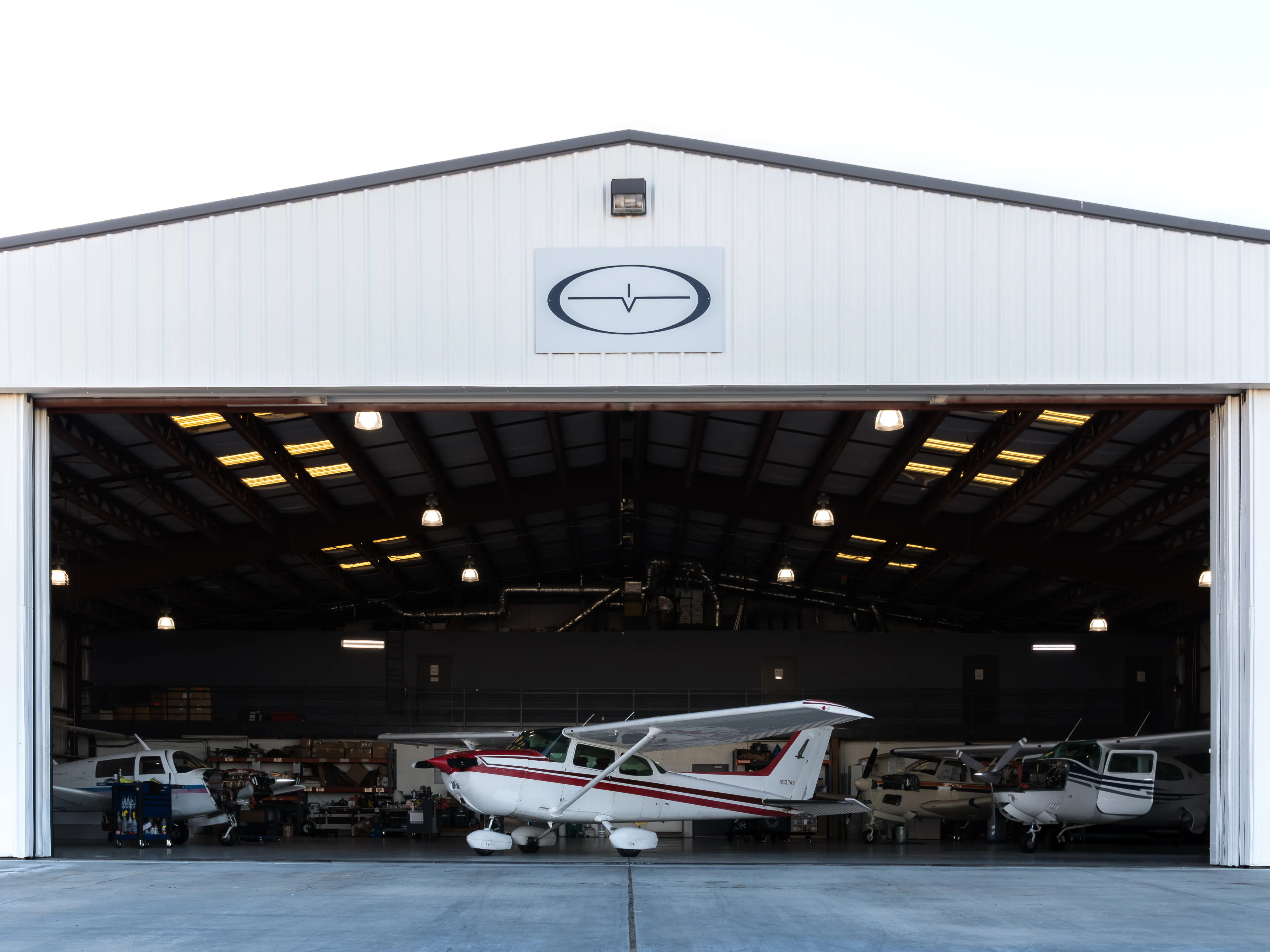
MH Aviation is based at 4651 William J Barnes Avenue at Fox Field, so students can connect the airport environment directly to a flight school, fleet, FBO, and maintenance operation instead of treating the airport and school as separate decisions.
What Pilots Should Check Before Flying to KWJF
Fox Field gives pilots several planning points that are useful to know, but you should always verify current airport data before flight. Airport status, NOTAMs, weather, service hours, and fuel availability can change.
According to Los Angeles County airport materials, Fox Field has a 7,201-foot by 150-foot Runway 6/24, an operating control tower, 24-hour ASOS weather reporting, listed 100LL and Jet A fuel availability, and tie-down parking. For students, that runway environment can support training exposure to a towered general aviation airport. For transient pilots, it gives you a clear checklist of what to confirm before arrival.
Before flying to KWJF, check:
| What to check | Why it matters before you go |
|---|---|
| Current airport diagram and Chart Supplement | Avoid relying on old frequencies, hours, visual-aid status, or airport notes |
| NOTAMs | Runway, lighting, taxiway, tower, or service information can change |
| ASOS and forecast weather | High-desert weather can still include wind, heat, turbulence, ceilings, or visibility limits |
| Fuel and FBO availability | County materials list fuel availability, but you should confirm current service and after-hours details |
| Ground transportation and parking needs | Transient pilots should verify what is available for the specific arrival time |
MH Aviation offers FBO and fueling services at Fox Field, with FBO facilities open Monday through Friday from 8:00 AM to 5:00 PM and fueling available 24/7, with possible after-hours call-out fees. Treat those hours as details to confirm before arrival, especially if you are planning an after-hours stop.
If fuel is the main reason for your stop, use the MH Fuels contact page before you launch. If training, maintenance, or a facility visit is the reason, start with the main contact page.
Why Student Pilots Compare Fox Field With LA-Area Airports
Fox Field is not automatically better than every LA-area airport. No airport is. The better question is: what kind of training environment fits your goal, schedule, and budget?
Fox Field gives students a towered airport environment in Lancaster. That can help a student build radio confidence, runway awareness, and comfort working with air traffic control. But towered training is not the only useful training environment. Non-towered airports teach traffic scanning, self-announcing, pattern discipline, and different decision habits. A good Private Pilot Certificate plan should build both confidence and judgment.
Where Fox Field becomes especially worth comparing is against very busy LA Basin airports. FAA materials describe Van Nuys as one of the busiest general aviation airports in the country, and its local information notes heavily congested airspace and extremely busy VFR training activity. You can review the FAA’s Van Nuys overview through FAA From the Flight Deck.
Whiteman is also a public, towered Los Angeles County airport in Pacoima. County materials list Whiteman’s runway at 4,120 feet by 75 feet, while Fox Field’s runway is listed at 7,201 feet by 150 feet. That does not make one airport universally better. It simply gives you a concrete comparison point.
| Airport | Verified comparison point | What a student should ask |
|---|---|---|
| Fox Field (WJF/KWJF) | Lancaster public GA airport with a listed 7,201-foot by 150-foot runway | Does this towered Lancaster environment fit your schedule, commute, and training path? |
| Van Nuys (VNY) | FAA describes it as one of the busiest GA airports in the country | Are you ready for that traffic environment at your current stage? |
| Whiteman (WHP/KWHP) | Public towered airport in Pacoima with a listed 4,120-foot by 75-foot runway | How do runway environment, commute, aircraft access, and nearby airspace affect your plan? |
If you are comparing schools, do not stop at airport facts. Ask how the airport connects with the school’s fleet, scheduling process, aircraft rates, instructor availability, and next-step training path.

What the MH Aviation FBO Environment Is Like at Fox Field
For local pilots, Fox Field is more than the runway. The support environment on the ground matters. You may need fuel, a place to brief, a maintenance conversation, a rental question, or a clear next step after your first visit.
MH Aviation offers FBO amenities such as private briefing rooms, a comfortable lobby or break area, kitchen, and restrooms for pilots and crews. MH Fuels and FBO facilities are open Monday through Friday from 8:00 AM to 5:00 PM, with fueling available 24/7 and possible after-hours call-out fees.
For transient pilots, that means you should confirm service details before arrival. For students, it means you are not showing up to a bare ramp with no support structure. You can brief, debrief, ask questions, and connect the airport experience with flight training programs or aircraft services.
MH Aviation operates an FAA Part 145 repair station at Fox Field. That means maintenance support is on the same property where you train — not something you have to arrange separately.
If you are flying in for aircraft support, review aircraft maintenance and repair before you arrive. If you need fuel-specific help, use MH Fuels. If you are not sure which path fits, use the general contact form.
How Fox Field Fits a Flight Training Plan
For a student pilot, the airport should support the training plan instead of becoming a mystery. Fox Field gives you a local Lancaster base, a towered airport setting during tower service hours, a long runway environment, weather reporting, and aviation services around the field.
That does not guarantee faster training. It does not remove weather, wind, maintenance, checkride timing, or proficiency issues. The honest benefit is more practical: you can see the environment before you commit, ask better questions, and decide whether the airport and school fit your life.
At MH Aviation, a beginner can start with a first-flight conversation, then compare the full path from Private Pilot Certificate to Instrument Rating, Commercial Pilot Certificate, Certified Flight Instructor, and Multi-Engine Rating. Career-minded students can also review the Zero to Airline path.
Cost and financing also belong in this airport decision. MH Aviation does not currently offer direct financing and runs a pay-as-you-go model. That may help some students pace training, but it does not replace a written plan. Before you compare Fox Field with a school at another airport, review the rates page and ask for a current estimate that separates aircraft, instructor, testing, supplies, examiner fees, and any extra training time.
If a school promises that one airport will make training easy, be careful. A better school will explain the tradeoffs: airport environment, aircraft, weather, schedule, maintenance support, instructor fit, and how often you can train without losing momentum.

What to Ask Before You Train or Stop at Fox Field
Whether you are a student or a transient pilot, the right questions prevent bad assumptions. Use Fox Field’s verified airport facts as the starting point, then confirm what matters for your specific mission.
If you are a student pilot, ask:
- Which aircraft will you train in, and how does it fit your first goal?
- How often should you fly to keep progress steady?
- How does towered airport training fit into the full Private Pilot training plan?
- What weather, wind, heat, or scheduling factors can slow training?
- What costs are included, and what costs are outside the aircraft and instructor rates?
If you are a transient pilot, ask:
- Is fuel available at your planned arrival time?
- Are after-hours call-out fees or procedures involved?
- Is maintenance support available for your type of issue?
- Do you need tie-down, briefing space, or local transportation?
- Which current NOTAMs or airport notes affect your flight?
For both groups, a visit helps. You can see the ramp, ask about the fleet, confirm current services, and understand how the airport fits your goal. Start with visit information if you want to see the facility first, or use contact if you have a specific training, fuel, or maintenance question.
FAQ: Fox Field, KWJF, and Lancaster Aviation
Is Fox Field the same as KWJF?
Yes. Fox Field is the local name for General William J. Fox Airfield. You may see it listed as WJF or KWJF. MH Aviation is based at Fox Field in Lancaster.
Is Fox Field a public airport?
Yes. Los Angeles County describes Fox Field as a public-use general aviation airport. Pilots should still check current airport data, NOTAMs, and weather before flight. If you are visiting MH Aviation, start with the contact page.
Does Fox Field have fuel?
County airport materials list 100LL and Jet A fuel availability. MH Aviation also offers MH Fuels support at Fox Field, with fueling available 24/7 and possible after-hours call-out fees. Confirm current service before flying in.
Is Fox Field good for student pilots?
Fox Field can be a strong training environment for students who want a Lancaster-based, towered general aviation airport. It is not a guarantee of faster training. The right fit depends on your schedule, budget, instructor, aircraft, weather, and training goal. Compare the program path before you enroll.
How does Fox Field compare with Van Nuys?
FAA materials describe Van Nuys as one of the busiest general aviation airports in the country, with heavily congested airspace. Fox Field is a public general aviation airport in Lancaster with a very different training environment. Neither airport is universally better — compare the commute, aircraft, rates, and school support before choosing. MH Aviation also has a broader LA-area comparison guide.
Can transient pilots use MH Aviation at Fox Field?
Transient pilots can use MH Aviation as a starting point for fuel, FBO, maintenance, or general airport support questions. Review FBO and fueling services or aircraft maintenance and repair before arrival, then confirm current availability.
Visit Fox Field With a Clear Plan
Fox Field is Lancaster’s public general aviation airport, but the right next step depends on why you are looking it up. A student pilot needs to compare the airport with the training path. A transient pilot needs current fuel, service, weather, and airport information. An aircraft owner may need maintenance support.
MH Aviation brings those pieces together at Fox Field: flight training, FBO support, fueling, maintenance, and a local team at the airport. Start with one clear question and get the current answer before you drive or fly in.
Use the MH Aviation contact page to ask about training, fuel, maintenance, or a facility visit at Fox Field.