Instrument Rating Requirements: 2026 Guide (Hours & Timeline)
Published by
Jessica Haney
Published on
Updated on
Read time
10 min read
If you just earned your private pilot certificate and you’re wondering what actually stands between you and an instrument rating, this 2026 guide answers that question directly: the prerequisites you need, the exact FAA hour requirements you have to satisfy, what checkride day looks like, and a realistic way to think about your timeline at Fox Field.
We’re not talking dollars here — for the cost breakdown, check our instrument rating cost guide. What matters on this page is understanding exactly what the FAA asks of you, in what order, so you can plan your training with confidence instead of guessing.

What the Instrument Rating Actually Requires You to Become
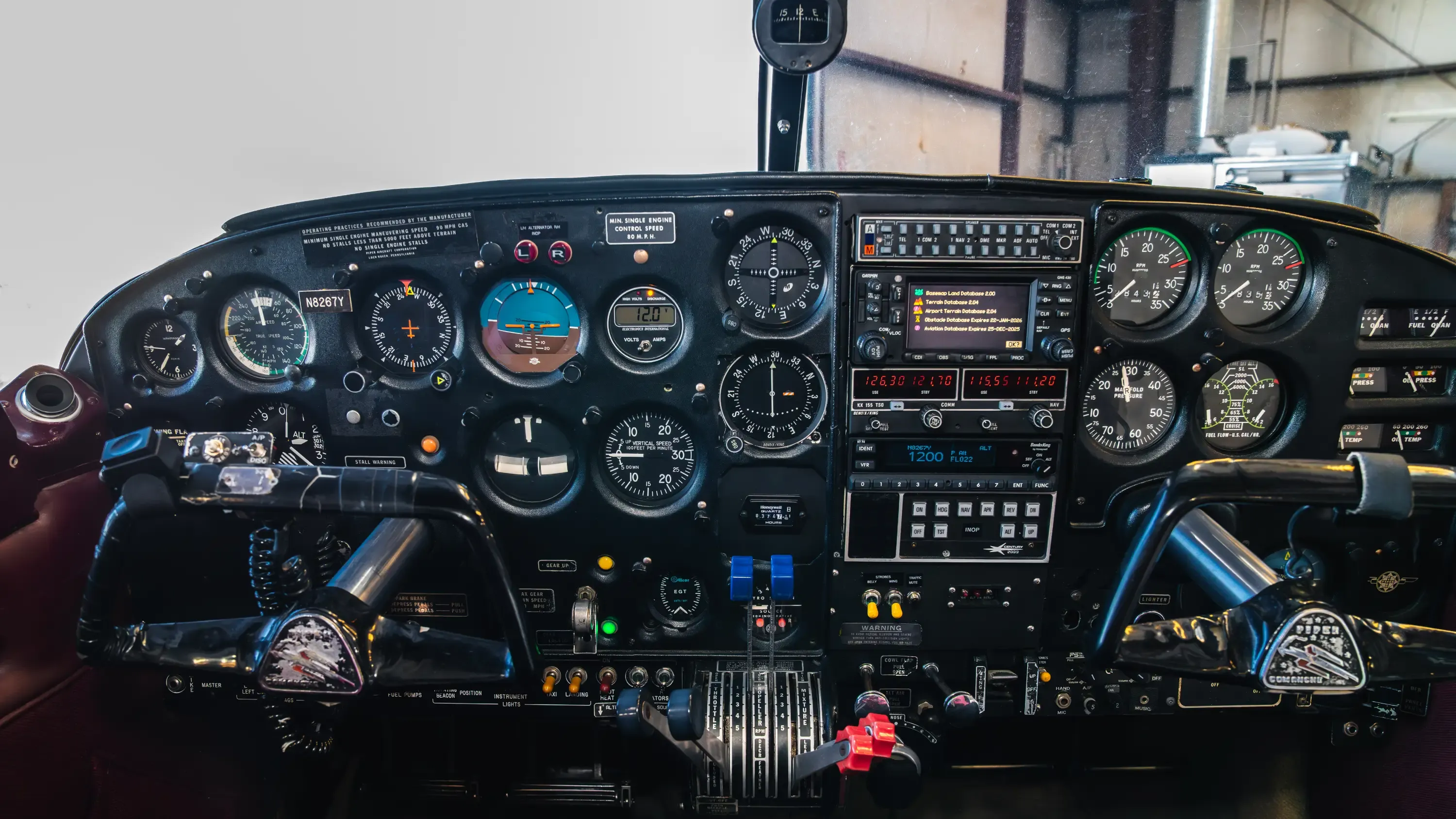
An instrument rating is not a separate pilot certificate. It’s a rating added to the pilot certificate you already hold, and it’s built around one core outcome: teaching you to fly safely and legally by reference to instruments, under Instrument Flight Rules (IFR), instead of relying on outside visual references.
The FAA lays out the requirements in 14 CFR 61.65. Strip away the regulatory language, and it comes down to four pieces:
- Prerequisites you need before you can even start counting instrument hours
- Aeronautical knowledge you have to study and demonstrate on a written test
- Aeronautical experience — the hour minimums most people mean when they search “instrument rating requirements”
- A practical test (checkride) that confirms you can put it all together
Here’s each one, in the order most private pilot graduates actually move through them.
The Prerequisites You Need Before You Start
Before you fly a single instrument-training hour, the FAA requires two things:
- A private pilot certificate, or an application for one submitted concurrently. Most students starting instrument training already hold their private pilot certificate, which is exactly how we sequence it at MH Aviation.
- The ability to read, speak, write, and understand English, since instrument flying depends on precise radio communication and written clearances.
There’s no separate medical requirement unique to the instrument rating beyond whatever medical certificate already applies to your flying privileges. If you’re current as a private pilot, you’re already meeting that piece.
The more practical prerequisite is readiness, not paperwork. Instrument training asks you to fly with more precision, hold headings and altitudes tighter, and think several steps ahead of the airplane. If your private pilot certificate is fresh, that discipline is usually still close to the surface, which is why so many students move straight into instrument training rather than taking a long break first.
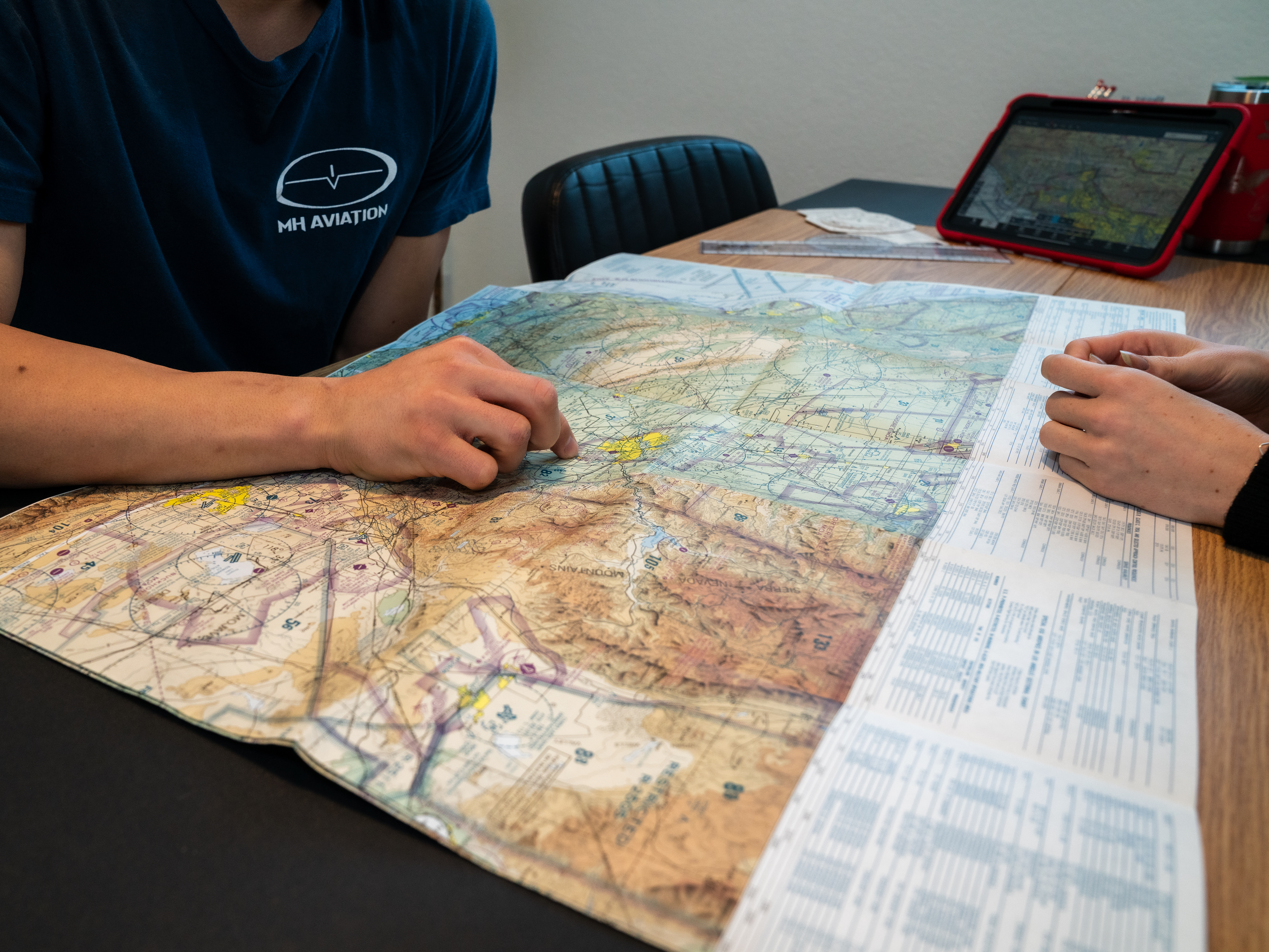
The FAA Hour Requirements You Have to Satisfy
This is the part everyone actually wants when they search “instrument rating requirements.” Under 14 CFR 61.65, here’s what you need to log:
| Requirement | What it means | Where it comes from |
|---|---|---|
| 50 hours of cross-country PIC time | At least 10 of those hours must be in an airplane. Time you already logged as a private pilot counts toward this. | Cross-country requirement, 14 CFR 61.65 |
| 40 hours of actual or simulated instrument time | This is the core instrument-training total, and the main driver of how many lessons you’ll fly. | Instrument time requirement, 14 CFR 61.65 |
| 15 hours with an authorized instrument-airplane instructor | Instrument time has to include dedicated instruction, not just solo practice. | Dual instruction requirement, 14 CFR 61.65 |
| 3 hours of instrument training within 2 calendar months before the checkride | This is a recency requirement, separate from the 15-hour dual minimum — it’s your finish-phase polish before test day. | Recent experience requirement, 14 CFR 61.65 |
| One 250 NM IFR cross-country flight with your instructor | The flight has to include instrument approaches at three different airports, using three different kinds of approaches. | Cross-country flight requirement, 14 CFR 61.65 |
A few things worth knowing about how these hours overlap:
- The 40-hour instrument total and the 15-hour dual minimum overlap. They’re not stacked on top of each other — your dual instrument hours count toward your 40-hour total.
- Simulator and aviation training device time can count toward part of your 40 hours. How much depends on the training program and device approval, so it’s worth asking your instructor how that applies to your specific plan.
- FAA minimums are a floor, not a promise of your finish line. They set the legal minimum experience required to test, not an expected total for every student.
The FAA also requires an Instrument Rating Airplane knowledge test — 60 questions, in a 2-hour window, with a 70% passing score required. This is separate from your flight training, so ground study and test prep belong in your planning early, not squeezed in right before your checkride.
Want to see how these same hour minimums translate into a training budget? Our instrument rating cost guide walks through the aircraft, instructor, and third-party costs behind each one — this page is about what the hours require of you, not what they cost.
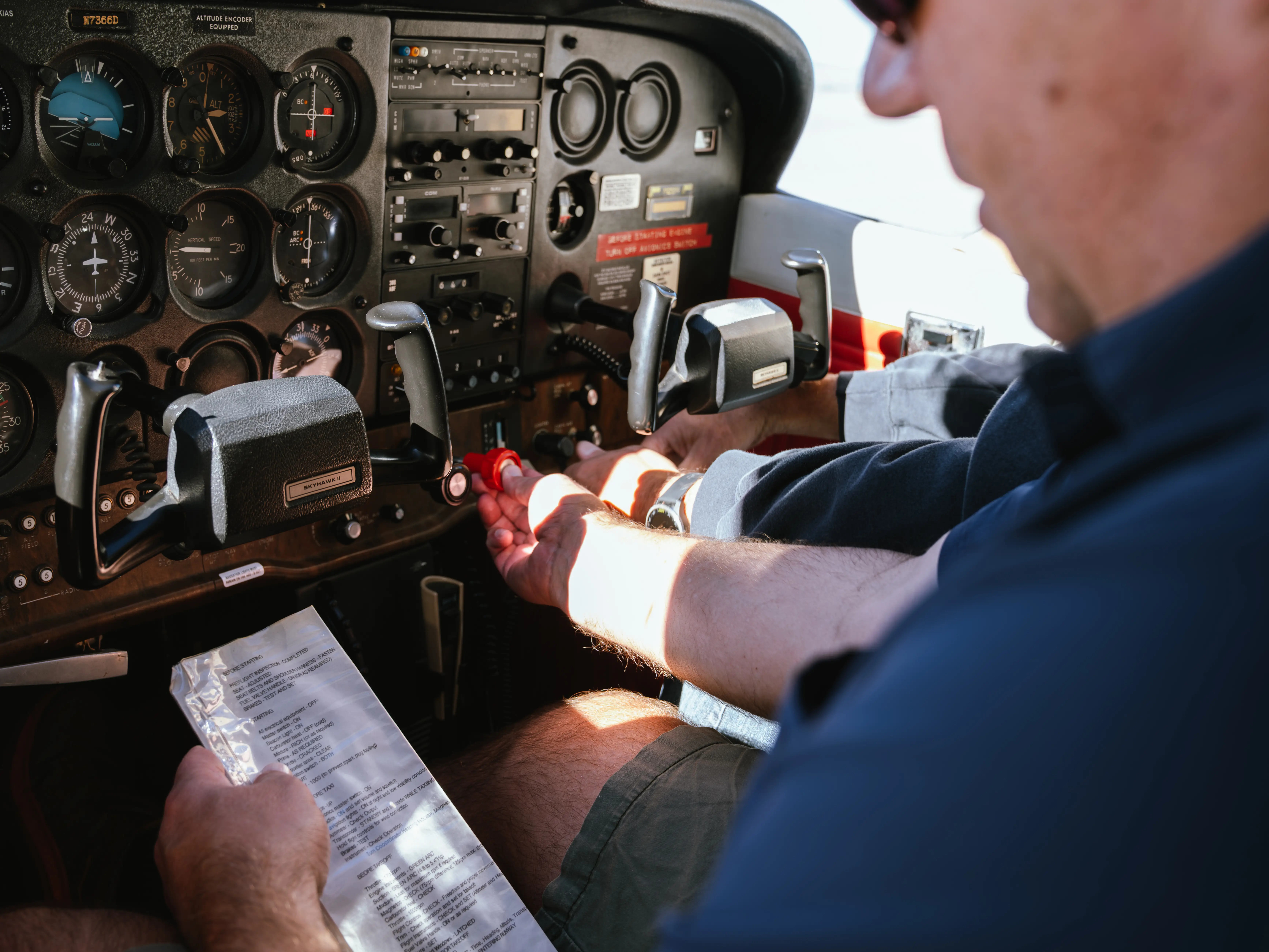
What the Cross-Country Requirement Looks Like in Practice
The 250 NM IFR cross-country flight is the single most concrete “prove it” moment in the hour requirements, and it’s worth understanding before you’re staring at the scheduling calendar.
That flight has to hit three specific marks:
- A total distance of at least 250 nautical miles along the planned route
- Instrument approaches at three different airports, not the same airport three times
- Three different kinds of approaches, so you’re demonstrating range, not repetition
In practice, that means route planning becomes part of the training itself. You and your instructor are choosing airports based on published approach types, weather, and airspace, not just picking the closest destinations. At Fox Field, that planning conversation includes nearby options like Palmdale and Mojave, which gives students a realistic mix of approaches without a long transit to reach them.
The other 50 hours of cross-country PIC time is more flexible. Some of it may already be sitting in your logbook from private pilot training, and the rest builds naturally as you fly toward your 40-hour instrument total. Bring your current logbook totals to your first conversation with us — knowing what you already have narrows down what’s actually left to fly.
What Checkride Day Looks Like at a High Level
Once you’ve met the aeronautical experience and knowledge requirements and your instructor has endorsed you as ready, you move to the practical test — the instrument rating checkride.
It works the same way every FAA practical test does:
- An oral portion, where a Designated Pilot Examiner (DPE) evaluates your knowledge of instrument procedures, weather, regulations, and decision-making against the FAA’s Airman Certification Standards (ACS).
- A flight portion, where you demonstrate the instrument skills the ACS requires — approaches, holds, and operating under simulated or actual instrument conditions.
Your instructor doesn’t sign you up for a checkride hoping you’re ready. They recommend you for the test once you consistently meet the ACS standards, which is a different bar than simply hitting the hour minimums. That’s part of why the 3-hour recency requirement exists — it’s built-in time to sharpen the specific skills the examiner will be evaluating.
DPE scheduling depends on examiner availability, aircraft, and location, so it’s worth talking to your instructor early about realistic test-date windows rather than assuming a slot will be open the week you hit your hour minimums.
A Realistic Way to Think About Your Timeline
“How long will this take” is the question we hear most, and it comes down more to your schedule than to the hour minimums themselves.
A few variables move the timeline more than anything else:
- How often you fly. Students training two to three days a week build instrument skills — and hours — differently than students training near-daily. Instrument flying in particular rewards consistency, because the skills are precise and perishable between lessons.
- How much cross-country PIC time you already have. If you built strong cross-country time during private pilot training, you’re starting the 50-hour requirement ahead of a student who didn’t.
- Weather and scheduling. Fox Field’s High Desert location generally avoids the coastal marine-layer pattern that can stall training near the LA Basin, which helps keep lessons on the calendar. Aircraft and instructor availability still matter alongside weather.
- How much finish-phase polish you need. Some students are ready for their checkride close to the FAA minimums. Others need more approach practice before they’re consistently meeting ACS standards, and that’s a normal part of building real proficiency, not a setback.
We won’t hand you a fixed number of weeks — too much of it rides on you. Bring your goals and your schedule to a conversation with our instructors, and we’ll help you build a training plan around your actual pace, not a generic estimate. We run on a pay-as-you-go model with no in-house financing, so a clear plan also helps you pace your training budget realistically.
FAQ
What are the FAA hour requirements for an instrument rating?
You need 50 hours of cross-country PIC time (at least 10 in an airplane), 40 hours of actual or simulated instrument time, 15 of which must be with an authorized instrument-airplane instructor, plus 3 hours of instrument training within 2 calendar months before your checkride. One of your cross-country flights must be at least 250 NM with instrument approaches at three different airports using three different approach types.
Do you need a private pilot certificate before starting instrument training?
Yes. You need to hold a private pilot certificate, or apply for one concurrently, before you can qualify for the instrument rating. Most students at MH Aviation start instrument training right after finishing their private pilot certificate.
Can simulator time count toward the instrument rating hour requirements?
Time in an approved simulator or aviation training device can count toward part of your 40-hour instrument total. Exactly how much depends on the training program and device approval, so ask your instructor how that applies to your training plan.
What does the instrument rating checkride actually involve?
It’s a practical test with an oral portion and a flight portion, administered by a Designated Pilot Examiner and evaluated against the FAA’s Airman Certification Standards. Your instructor recommends you for the test once you’re consistently meeting those standards, not simply once you’ve logged the minimum hours.
How long does it realistically take to finish an instrument rating?
It depends more on your training frequency, existing cross-country time, and finish-phase readiness than on the hour minimums themselves. Students who fly consistently and already have solid cross-country time from private pilot training tend to move faster than students training once a week. Talk to our instructors about a plan built around your schedule.
Where can I see what the instrument rating actually costs?
The hour requirements above shape the training, but they’re not a cost estimate. Our instrument rating cost guide breaks down current aircraft rates, instructor rates, and third-party fees so you can see the budget side separately.
Build Your Instrument Rating Plan
The FAA hour minimums and prerequisites give you the floor. What actually determines your path is your schedule, your existing cross-country time, and how much finish-phase practice you need before you’re ready for the checkride.
If you’ve already got your private pilot certificate and you’re ready to talk through what an instrument rating plan looks like for you, contact us and we’ll help you map your requirements against a realistic training pace at Fox Field.