How to Get Your Commercial Pilot License: 2026 Requirements & Timeline
Published by
Jessica Haney
Published on
Updated on
Read time
9 min read
Earning your Commercial Pilot Certificate is the dividing line between aviation as a hobby and aviation as a career. It is the legal credential that allows you to fly for compensation or hire. But for many pilots who have recently finished their Private Pilot Certificate or Instrument Rating, looking at the road ahead can feel overwhelming.
The transition to a professional mindset is not just about logging a larger number of flight hours. It is about demonstrating precision, airmanship, and mastership over the aircraft. At MH Aviation, we believe that understanding the exact path, the required maneuvers, and the cost-saving strategies is key to maintaining your training momentum.
This guide outlines the FAA requirements under Part 61, the specific commercial maneuvers you will need to master, and how to structure your timeline and budget at Gen. William J. Fox Airfield (KWJF) without getting stuck.
Overcoming the 250-Hour Flight Time Hurdle
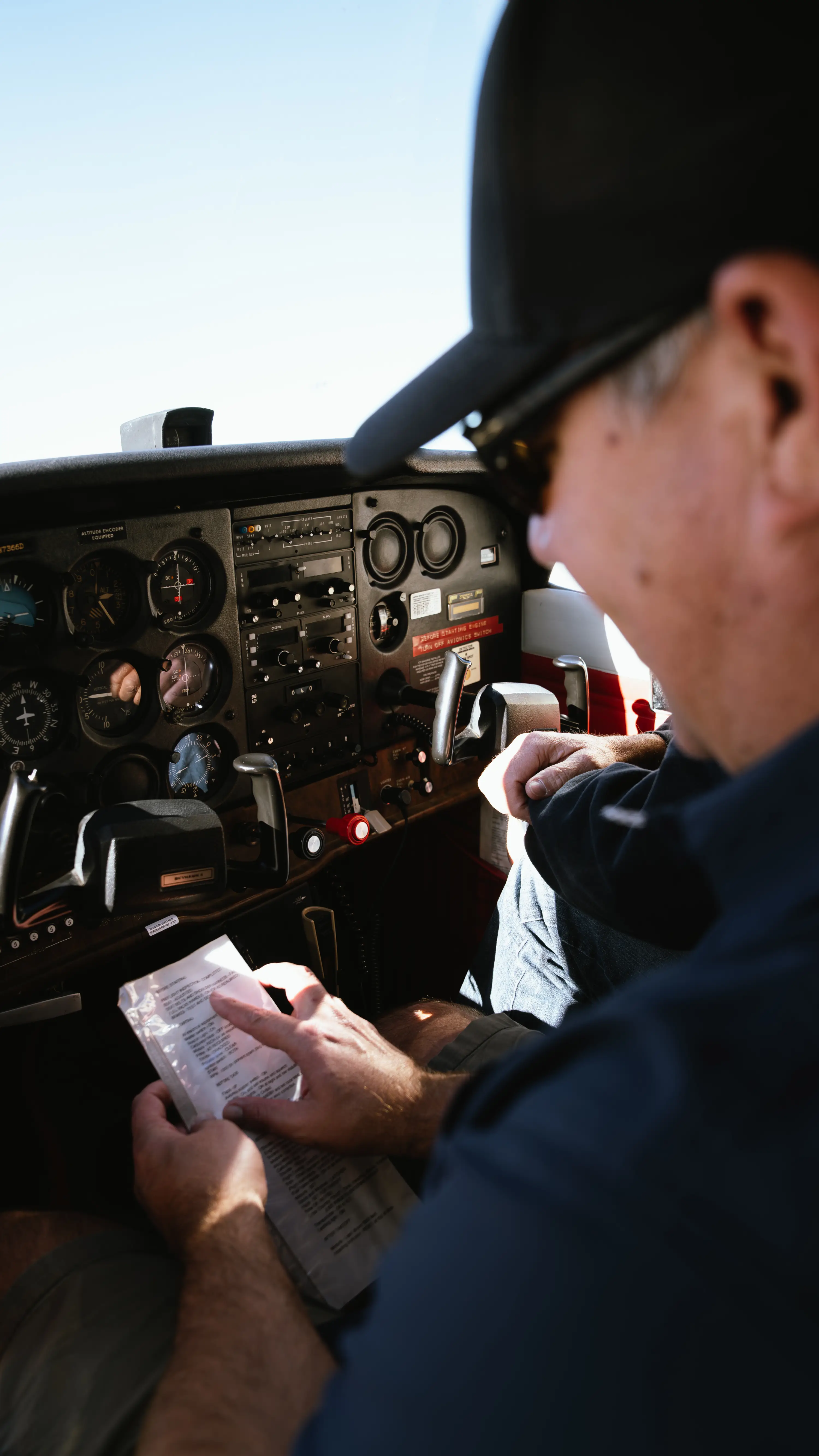
Under FAA Part 61 rules, the primary milestone for a commercial pilot rating is reaching 250 total flight hours. For most students, this is the longest and most expensive phase of training. When you transition from visual and instrument basics to professional training, the temptation is to simply “fly around” to build time. This is where many students waste thousands of dollars.
To keep your flight training costs under control, every hour in the air must serve a purpose. Time-building should be structured around perfecting commercial flight parameters, practicing cross-country planning, and building night flying proficiency.
While the 250-hour requirement is a regulatory minimum, your actual completion timeline will depend on how frequently you fly, how well you prepare on the ground, and your ability to maintain consistent scheduling.
FAA Commercial Pilot Requirements Checklist
To qualify for the commercial practical test under 14 CFR 61.129(a) for a single-engine airplane rating, you must meet the following aeronautical experience requirements:
- 250 hours of total flight time, which includes at least 100 hours in powered aircraft (with 50 hours in airplanes).
- 100 hours of pilot-in-command (PIC) time, including at least 50 hours in airplanes and 50 hours of cross-country flight time (with 10 hours in airplanes).
- 20 hours of training on commercial areas of operation, including:
- 10 hours of instrument training (with at least 5 hours in a single-engine airplane).
- 10 hours of technically advanced airplane (TAA) training or complex airplane training.
- One 2-hour day cross-country of at least 100 nautical miles straight-line distance.
- One 2-hour night cross-country of at least 100 nautical miles straight-line distance.
- 3 hours of test preparation within 2 calendar months of the checkride.
- 10 hours of solo flight time or performing duties of PIC, including:
- One 300-nautical-mile cross-country flight with landings at a minimum of three points, including one straight-line leg of at least 250 nautical miles.
- 5 hours of night VFR conditions with 10 takeoffs and landings at an airport with an operating control tower.
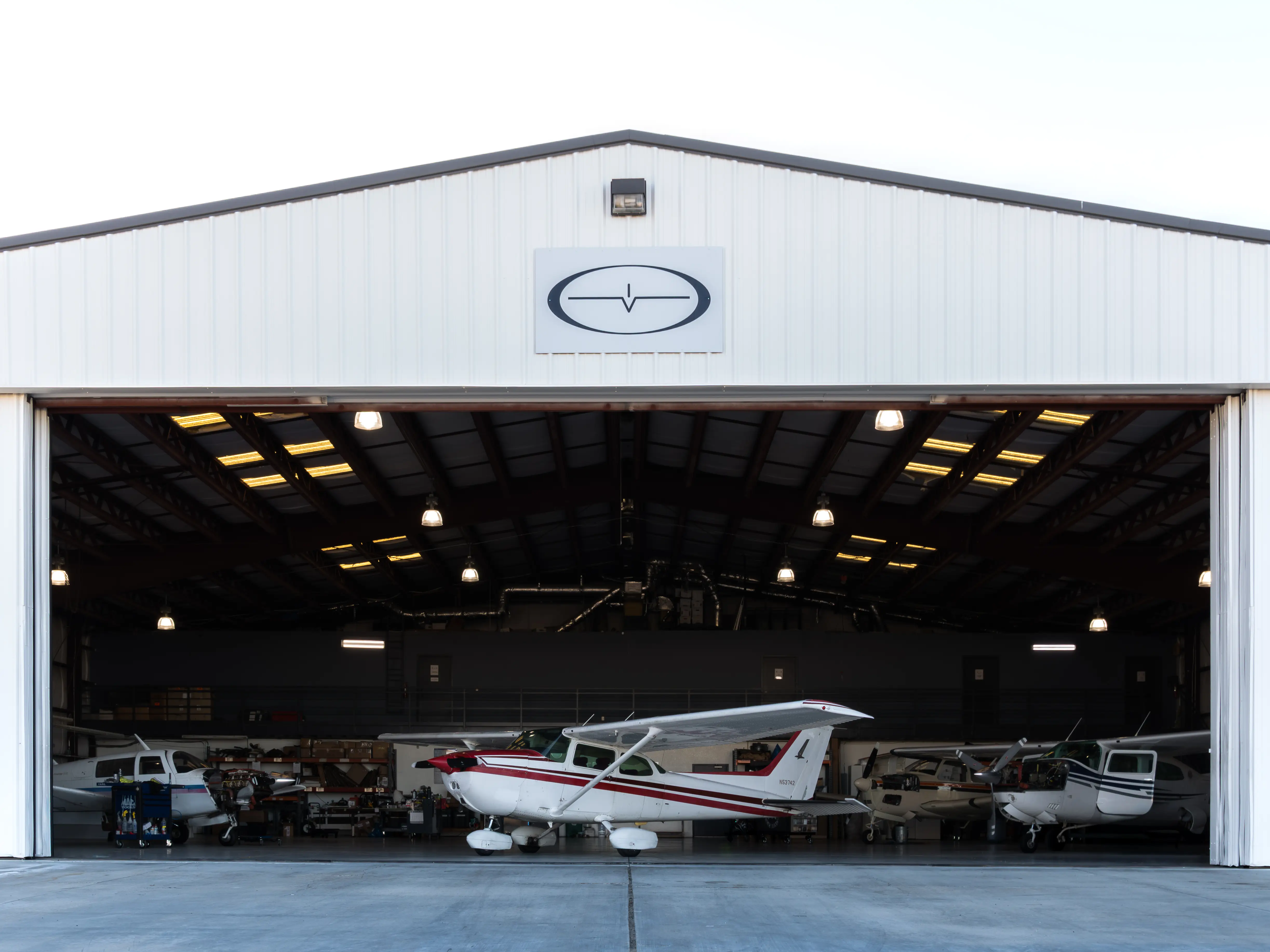
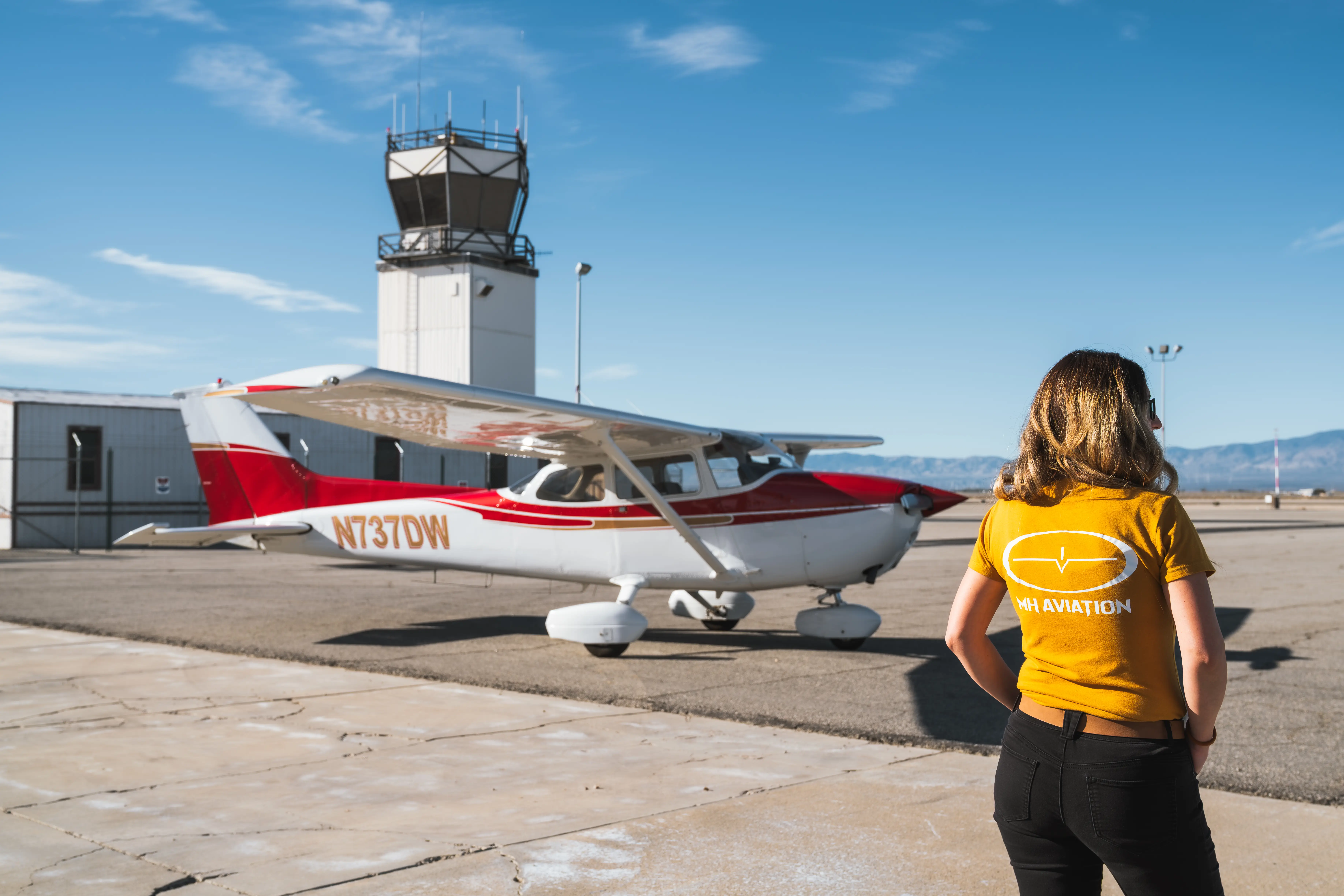
A key advantage in our fleet at Fox Field is our modernized Cessna 172 aircraft. Equipped with Garmin G5 glass displays and integrated GPS-coupled autopilots, these aircraft meet the FAA’s definition of a Technically Advanced Airplane (TAA) under 14 CFR 61.129(j). This means you can complete your 10 hours of advanced aircraft training without paying the higher rates or dealing with the maintenance complexities of an older retractable-gear complex aircraft.
Master the Commercial Checkride Maneuvers
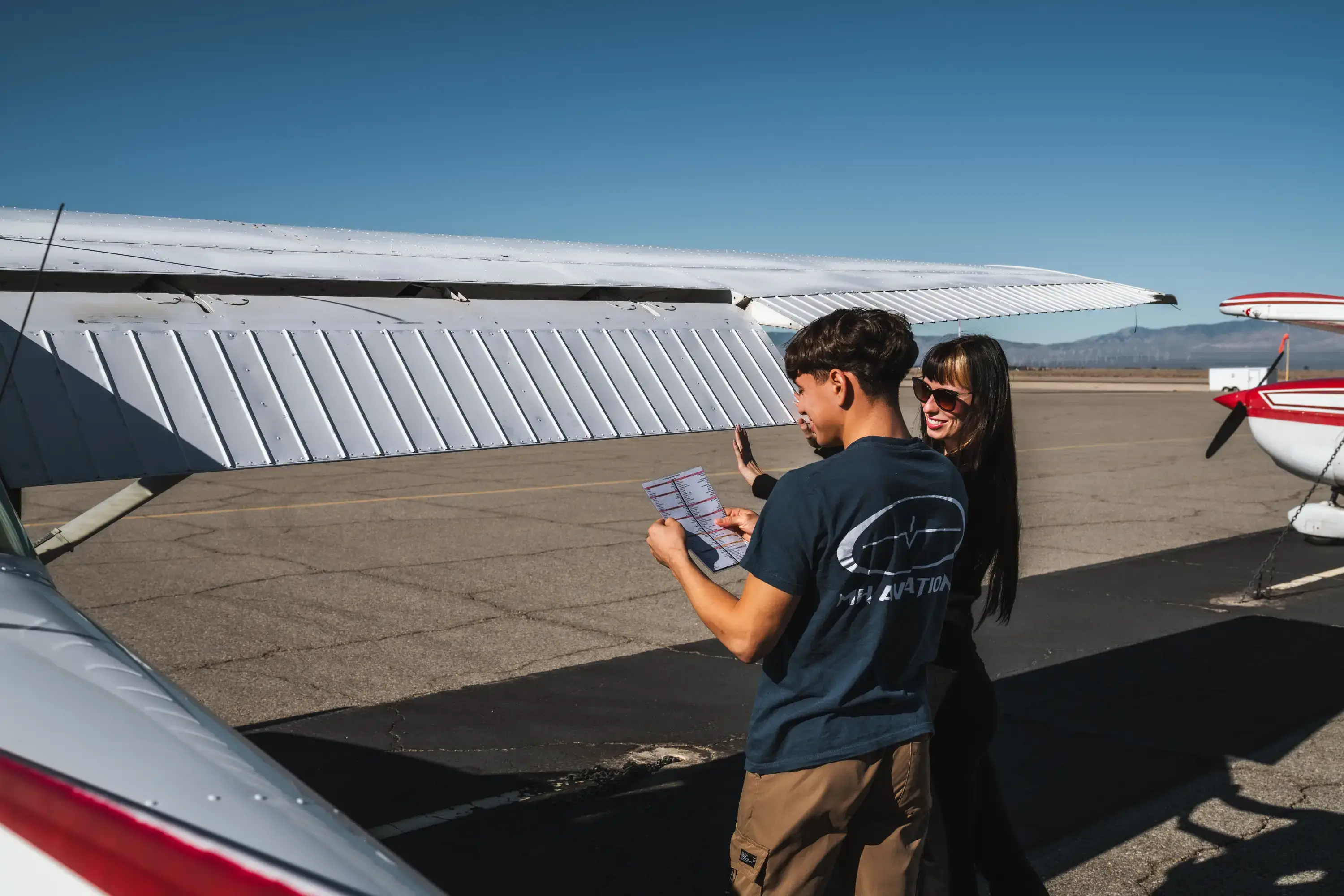
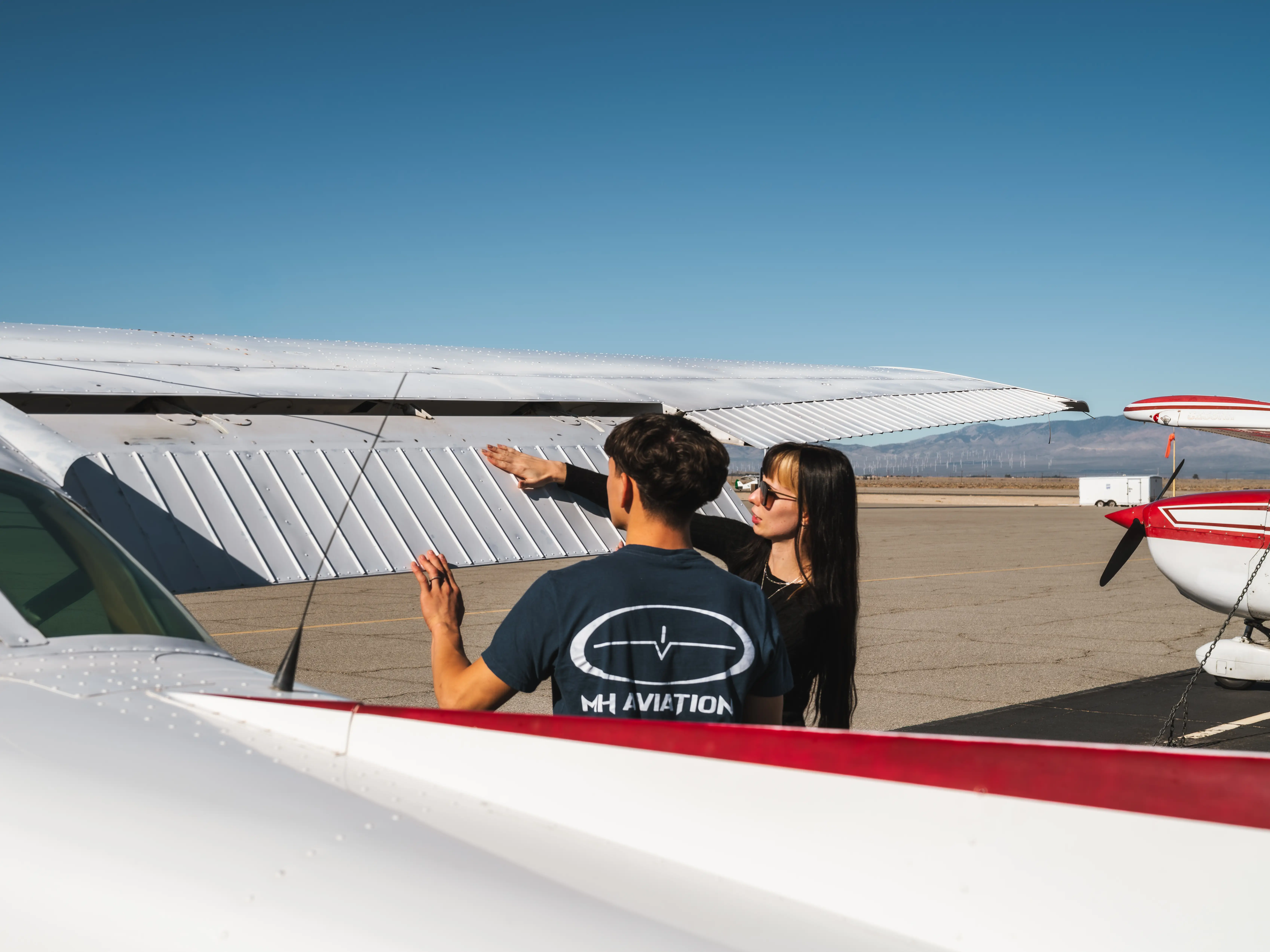
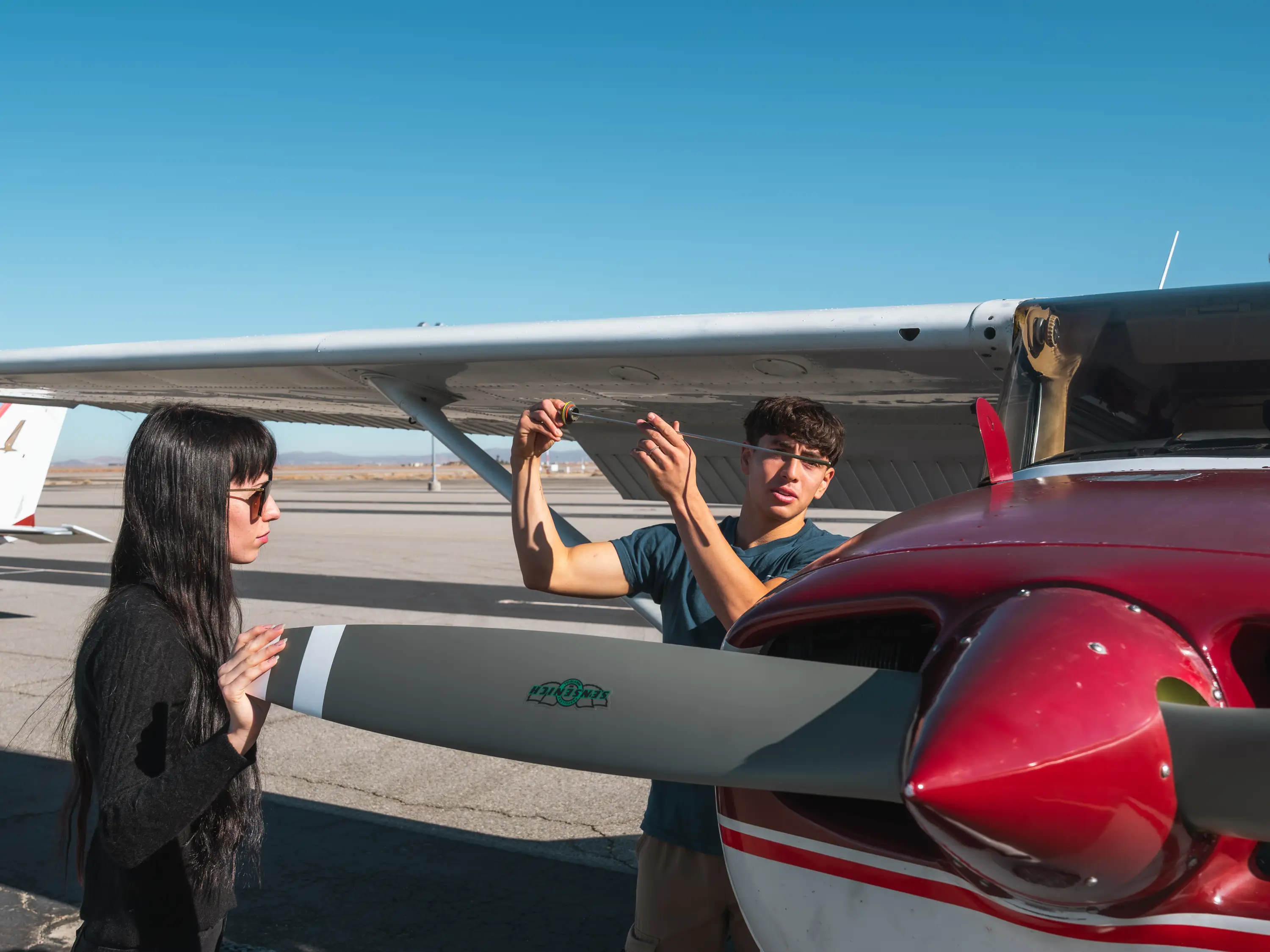
The commercial checkride evaluates your ability to fly the aircraft to precise standards. You will be tested on several advanced maneuvers outlined in the FAA’s Airman Certification Standards (ACS). These maneuvers demonstrate coordination, wind correction, and energy management:
- Eights-on-Pylons: A ground-reference maneuver where you pivot the airplane around two visual ground points. This requires constant altitude and bank adjustments to maintain a fixed visual line of sight on the pylons, teaching you to divide your attention between flight controls and external references.
- Steep Spirals: A gliding turn from altitude around a specific point on the ground, designed to teach wind correction during a steep descent.
- Lazy Eights: A symmetrical, rhythmic maneuver that alternates climbing and descending turns. It tests your ability to coordinate pitch, roll, and airspeed throughout a continuous range of flight attitudes.
- Chandelles: A maximum-performance climbing turn that ends just above stalling speed, demonstrating efficient energy management.
- Power-Off 180 Accuracy Landing: The maneuver that causes the most checkride anxiety. From a standard traffic pattern altitude on the downwind leg, you pull the throttle to idle and must glide the aircraft to land within a specific landing zone (typically 0 to 200 feet beyond a designated line) without using engine power.
Our training location in the High Desert is ideal for mastering these skills. The consistent winds and thermals at Fox Field build superior rudder control and aircraft handling. You will learn to fly the airplane with precision rather than fighting the environment. This high-standard preparation is a major reason why our commercial students maintain strong pass rates, similar to our multi-engine checkride graduates.
Combine Your CPL and Multi-Engine Ratings for Maximum Efficiency
If your long-term goal is a career with the airlines, you will eventually need a Multi-Engine Rating. A highly efficient way to structure your roadmap is to complete your commercial single-engine certificate and then add a commercial multi-engine rating.
By combining your commercial time-building hours, you can transition straight into twin-engine training. This strategy reduces your total time to checkout and saves you money.
| Program Phase | Focus Area | FAA Minimum Hours | How We Help You Save |
|---|---|---|---|
| Private Pilot Certificate | Foundational flying skills | 40 hours | 300+ flyable days at Fox Field |
| Instrument Rating | Cloud and low-visibility navigation | 40 hours | Garmin G5 glass cockpit fleet |
| Commercial Pilot Certificate | Professional maneuvers and airmanship | 250 hours (Part 61) | Lower wet rates ($195/hr) and TAA training |
| Multi-Engine Rating | Multiengine aerodynamics and systems | 10 hours (approx.) | Twin Comanche wet rate ($305/hr vs. $395/hr in LA) |
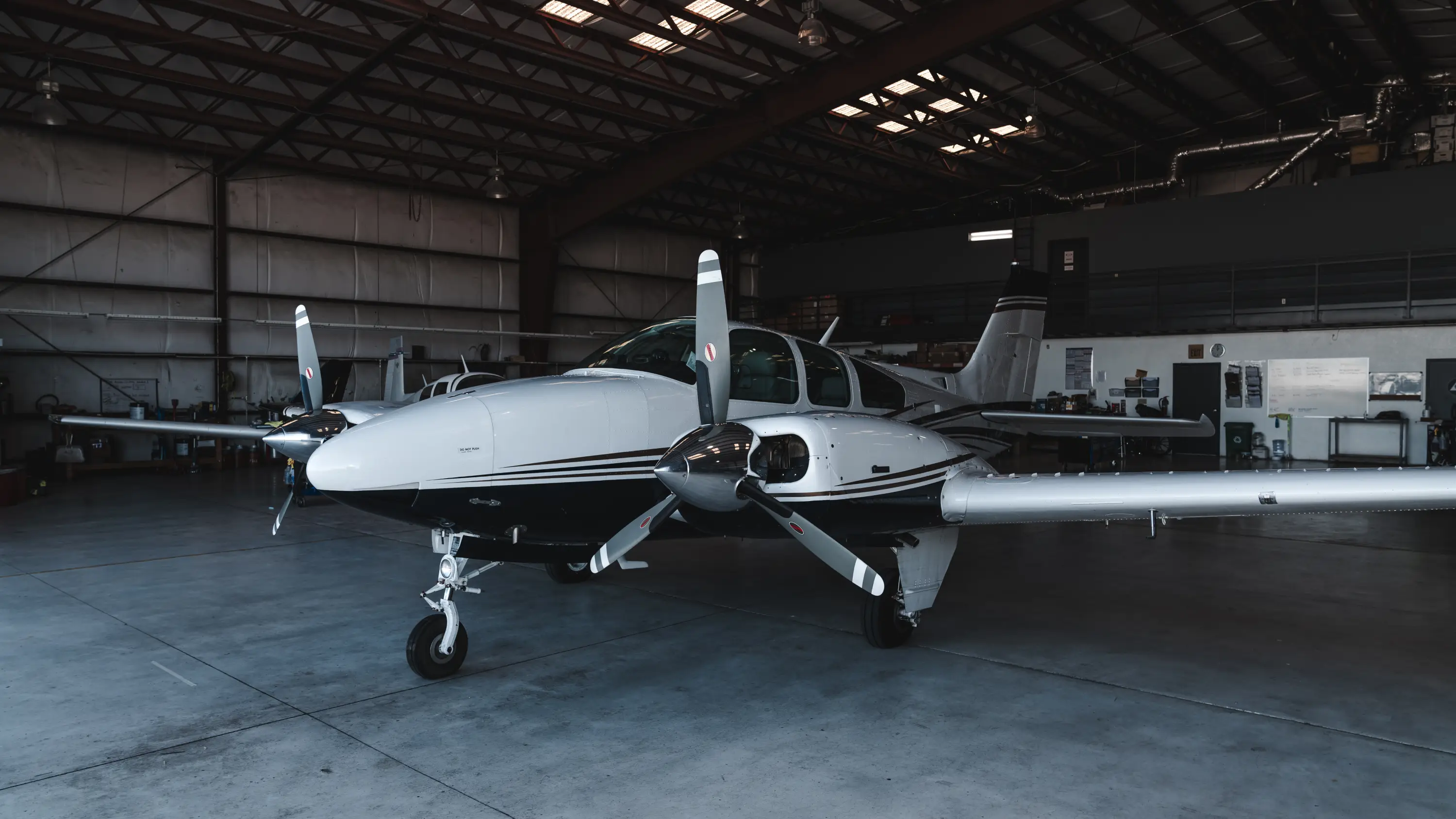
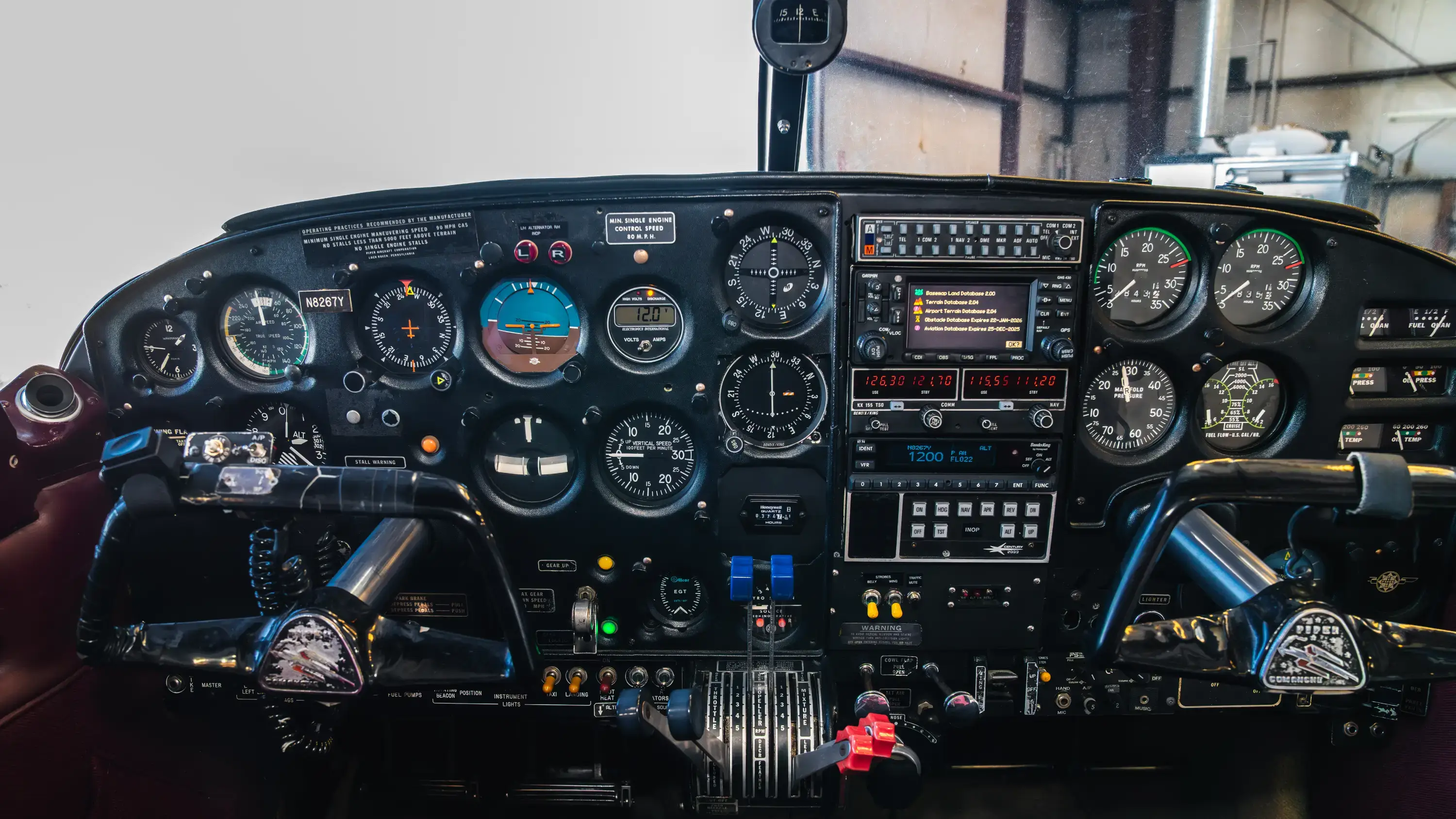
Our multi-engine training is conducted in our Piper Twin Comanche at a wet rate of $305 per hour, which is significantly lower than the standard $395 per hour rates found closer to Los Angeles. You can review all of our current aircraft and instructor options on our rates page.
Keep Your Momentum: Commercial Timeline and Hour Building
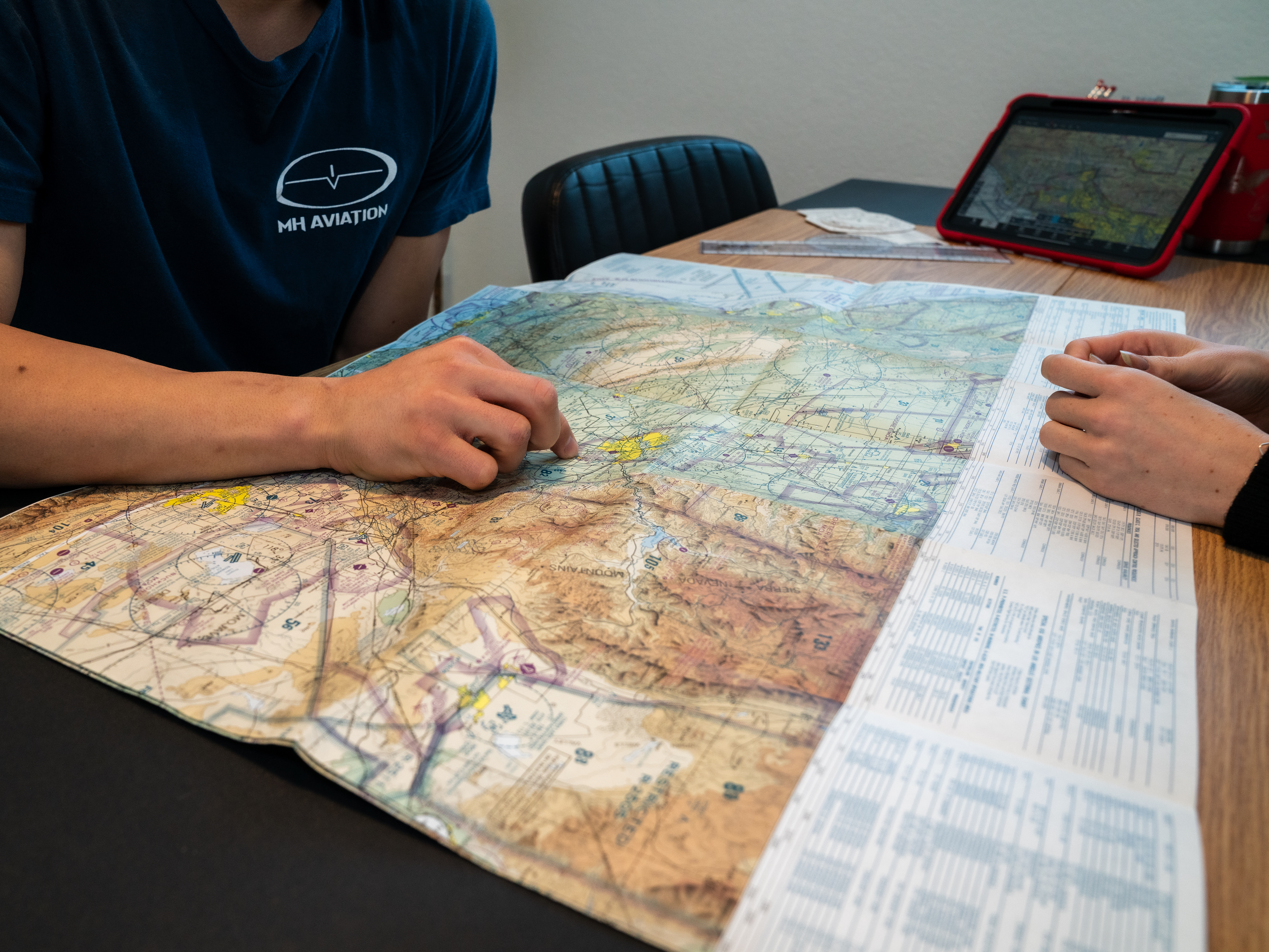
For a full-time student, the Commercial Pilot Certificate phase typically takes 6 to 9 months. Part-time students training on weekends should expect a timeline of 12 to 18 months.
The greatest threat to your timeline is scheduling delays. Gaps in training cause your flying skills to fade, requiring extra review flights that inflate your final bill. Training at an uncongested airport like Fox Field means you spend your paid Hobbs time practicing maneuvers in the practice area, not waiting in long taxi lines or holding patterns.
Once you earn your commercial certificate, the next step toward the standard regional airline hiring minimum of 1,500 flight hours is earning your Certified Flight Instructor (CFI) certificate. Earning your CFI allows you to get paid to teach while logging the hours you need for your airline transport pilot (ATP) qualifications.
While we run a strict pay-as-you-go financial model to keep you in control of your budget without taking on front-loaded debt, we can guide you toward third-party aviation financing options if you are looking to fund your commercial or instructor certificate. We also offer priority hiring status to our own CFI graduates, helping you transition quickly from student to paid instructor on our flight line.
Frequently Asked Questions
What is the difference between a Commercial Pilot Certificate and a Private Pilot Certificate?
A Private Pilot Certificate allows you to carry passengers but prohibits you from flying for compensation or hire. The Commercial Pilot Certificate allows you to be legally compensated for piloting an aircraft under specific FAA operational regulations.
Do I need a college degree to fly for the airlines?
No. While some major carriers historically preferred college degrees, the current hiring market has shifted. Airlines focus heavily on your total flight hours, checkride record, and FAA certificates. Regional airlines routinely hire pilots with a high school diploma or equivalent who meet the 1,500-hour ATP flight experience requirements.
How much does it cost to get a Commercial Pilot License?
Because the commercial certificate requires 250 total hours, the final cost depends on how many hours you hold when you start the program. At our single-engine wet rate of $195/hr and commercial instruction rate of $80/hr, training at MH Aviation is highly competitive. Contact us directly to review your logbook totals and receive a personalized estimate.
Can I complete my commercial training in a technically advanced airplane (TAA)?
Yes. The FAA allows TAA training (airplanes equipped with a primary flight display, multifunction display, and integrated GPS-coupled autopilot) to satisfy the 10 hours of advanced training required under 14 CFR 61.129. Our upgraded Cessna 172 fleet meets these requirements, saving you from the higher costs of renting retractable-gear complex aircraft.
Why is Fox Field ideal for commercial time building?
Fox Field offers uncongested airspace, a long runway, and consistent High Desert weather with over 300 flyable days per year. This environment means you spend less time waiting for ATC clearances and more time flying, helping you build hours faster and more affordably than in the congested LA Basin.
Plan Your Professional Career Path
Building the skills and hours required for a commercial certificate is a major step. It requires consistency, a clear training plan, and a school environment that supports your momentum.
Whether you are looking to build time efficiently at our wet rates, master commercial maneuvers in the High Desert, or add a multi-engine rating to your certificate, we are here to support your path.
Contact our team today through our contact page to schedule a tour of our facilities, review your current logbook hours, and receive a personalized training estimate.