Mastering the Glass Cockpit: Why We Train with Garmin G5 Digital Avionics

Published by
Jessica Haney
Published on
Read time
7 min read
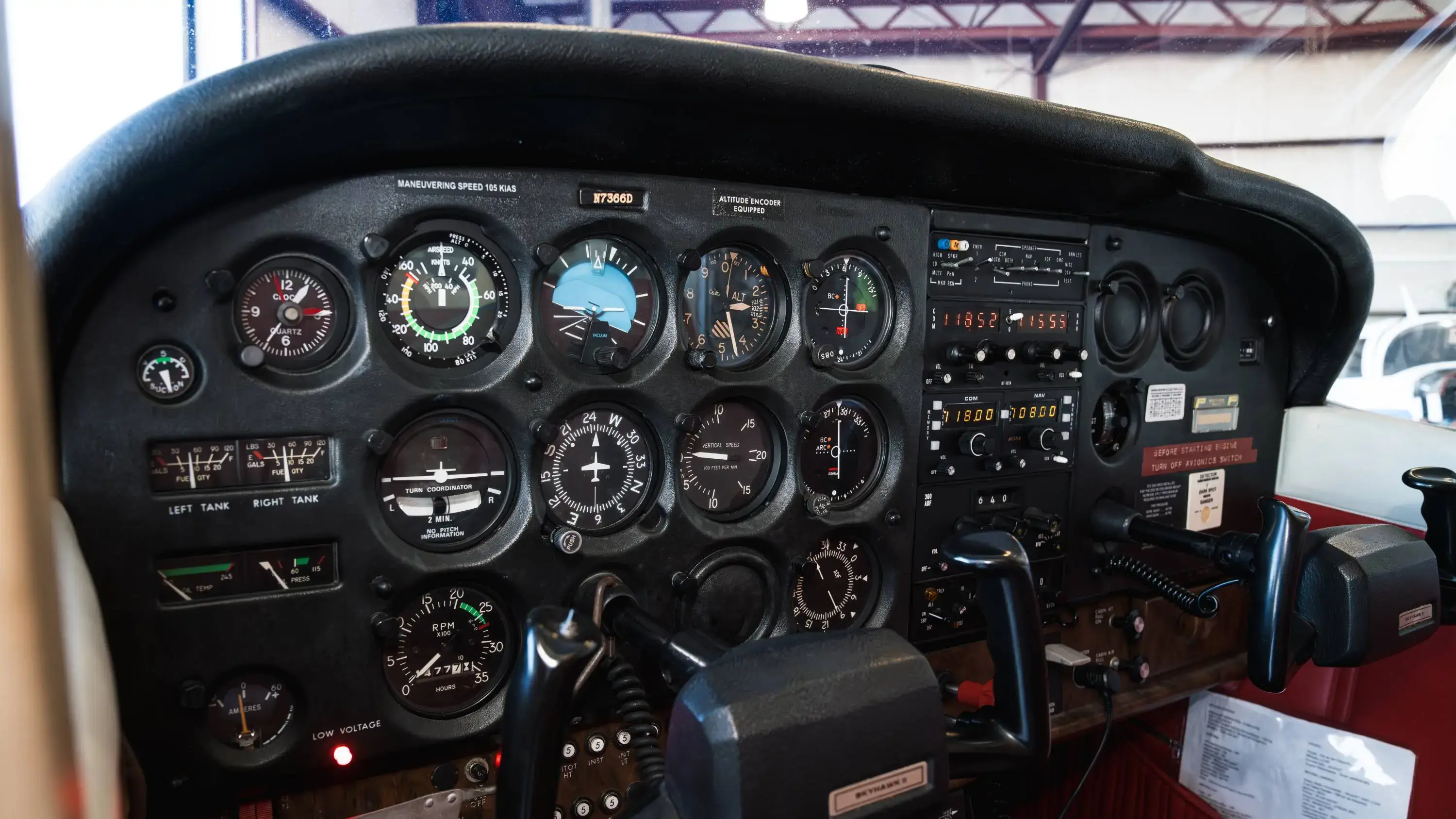
Aviation technology has advanced rapidly over the past two decades. Yet, walk into many flight schools today, and you will still find training fleets equipped with the same mechanical “steam gauges” used in the 1970s.
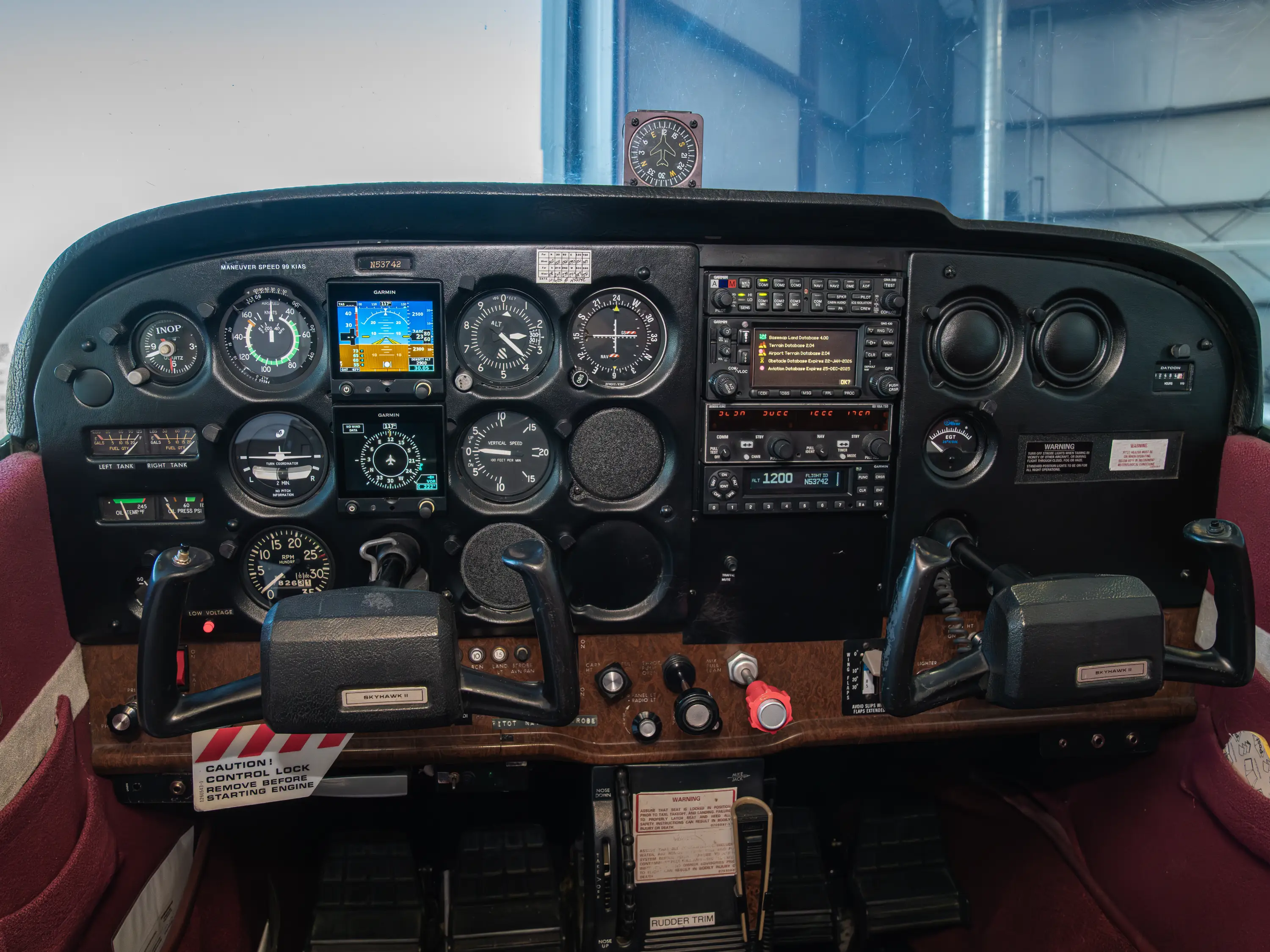
While learning the basics on analog instruments is traditional, the reality of modern aviation is digital. From corporate turboprops to regional and major airline jets, today’s flight decks are dominated by glass cockpits—integrated electronic displays that present flight instrument, navigation, and engine data.
At MH Aviation in Lancaster, CA, we believe in training you for the future, not the past. That is why we recently invested $150,000 to upgrade our Cessna 172 training fleet with Garmin G5 digital avionics.
Here is why glass cockpit training is a game-changer for your instrument rating, how it reduces your cognitive load, and why it sets you up for professional success.
What is a Glass Cockpit?
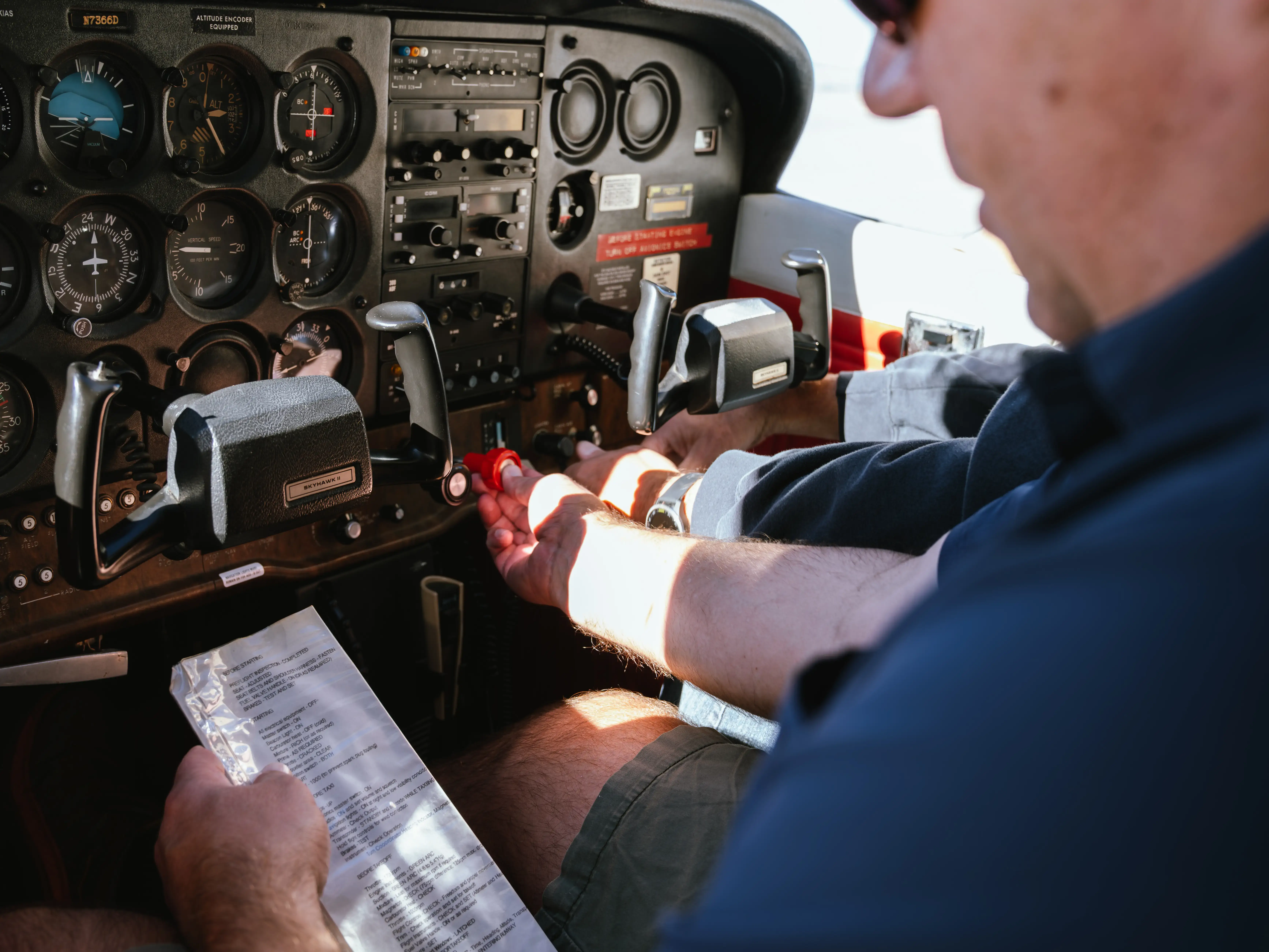
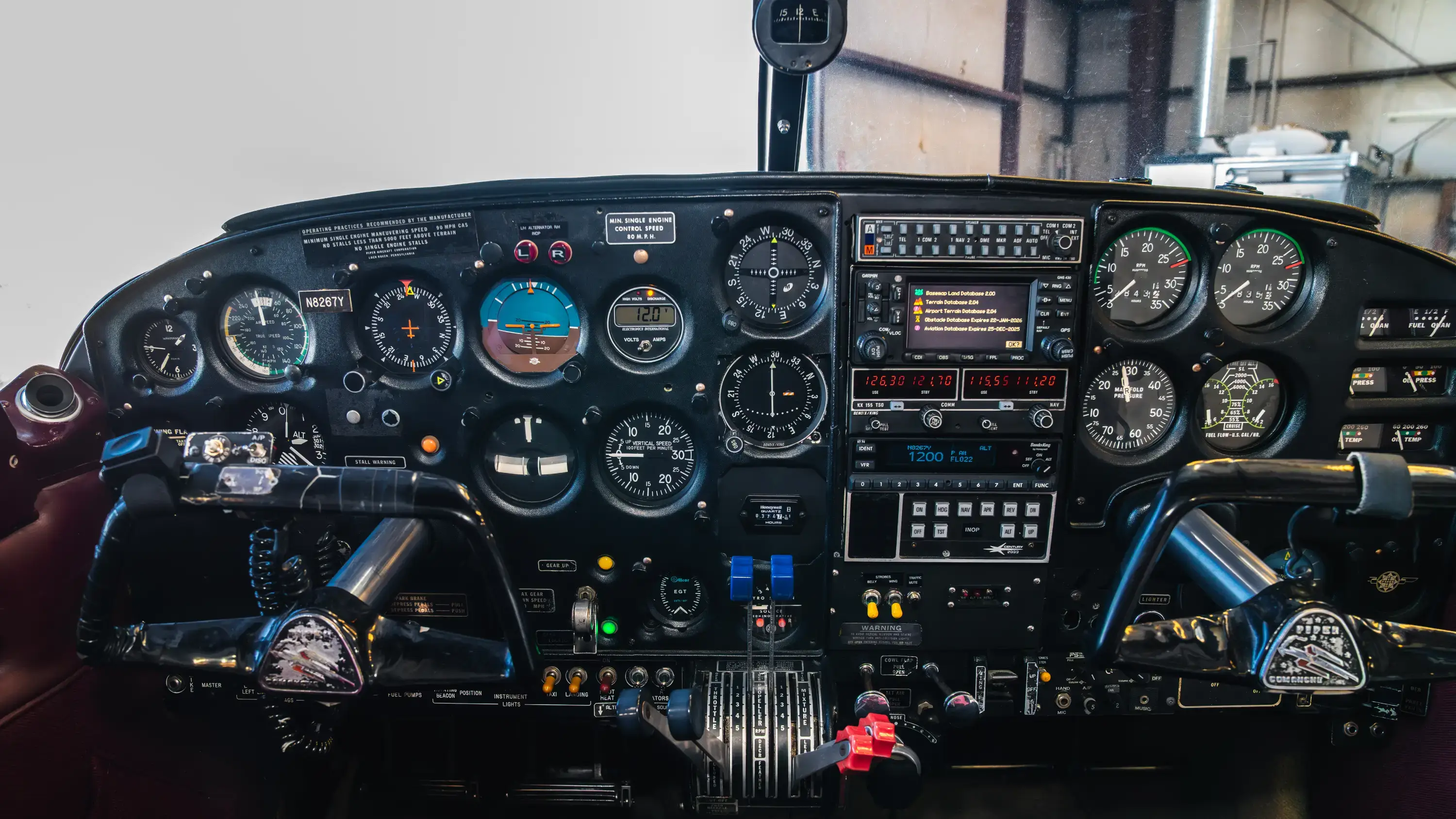
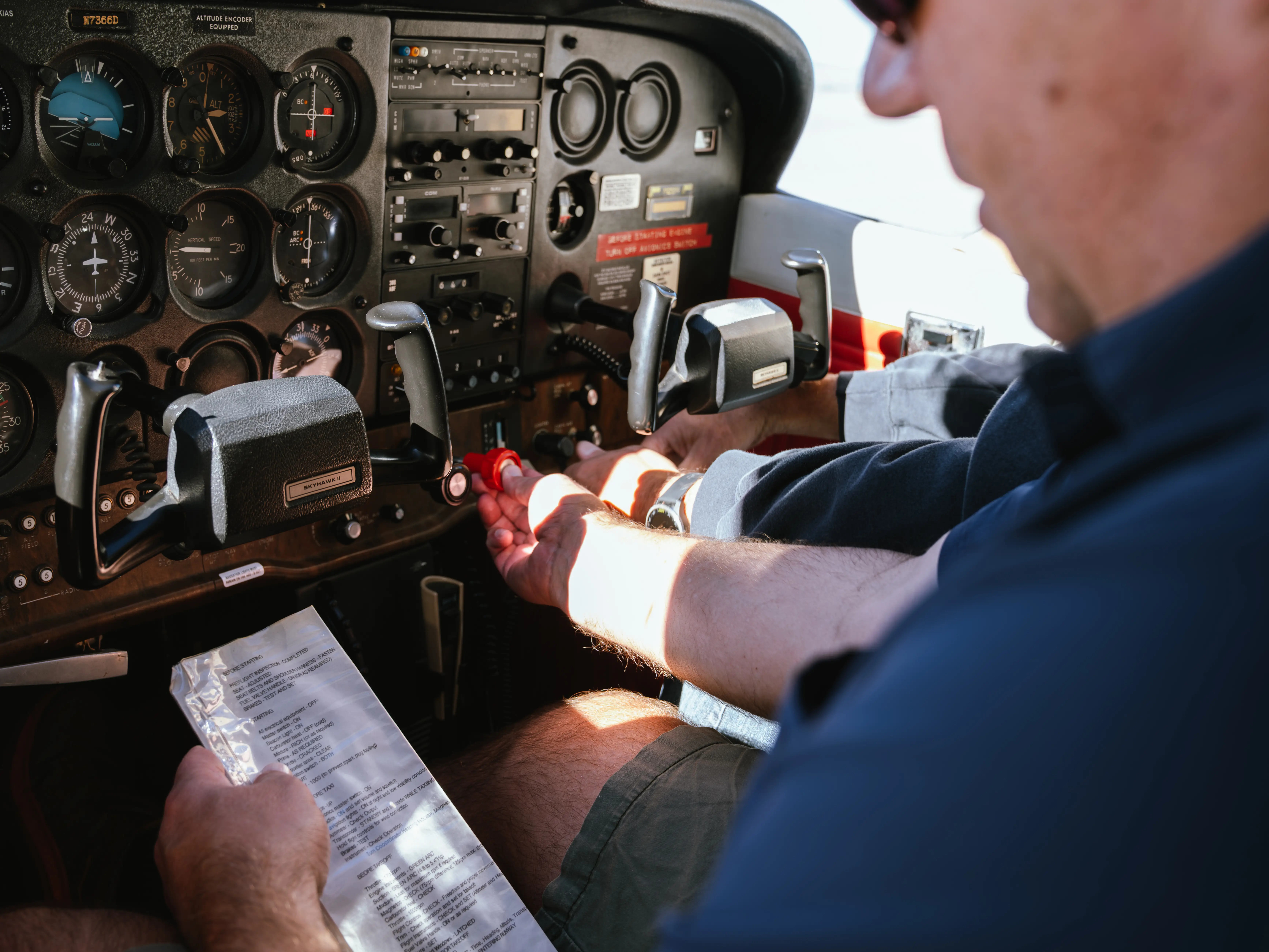
In a traditional cockpit, pilots rely on the “six-pack” of mechanical instruments: the airspeed indicator, attitude indicator, altimeter, turn coordinator, heading indicator, and vertical speed indicator. Each instrument operates on its own mechanical or vacuum system, requiring the pilot to scan six separate dials to maintain situational awareness.
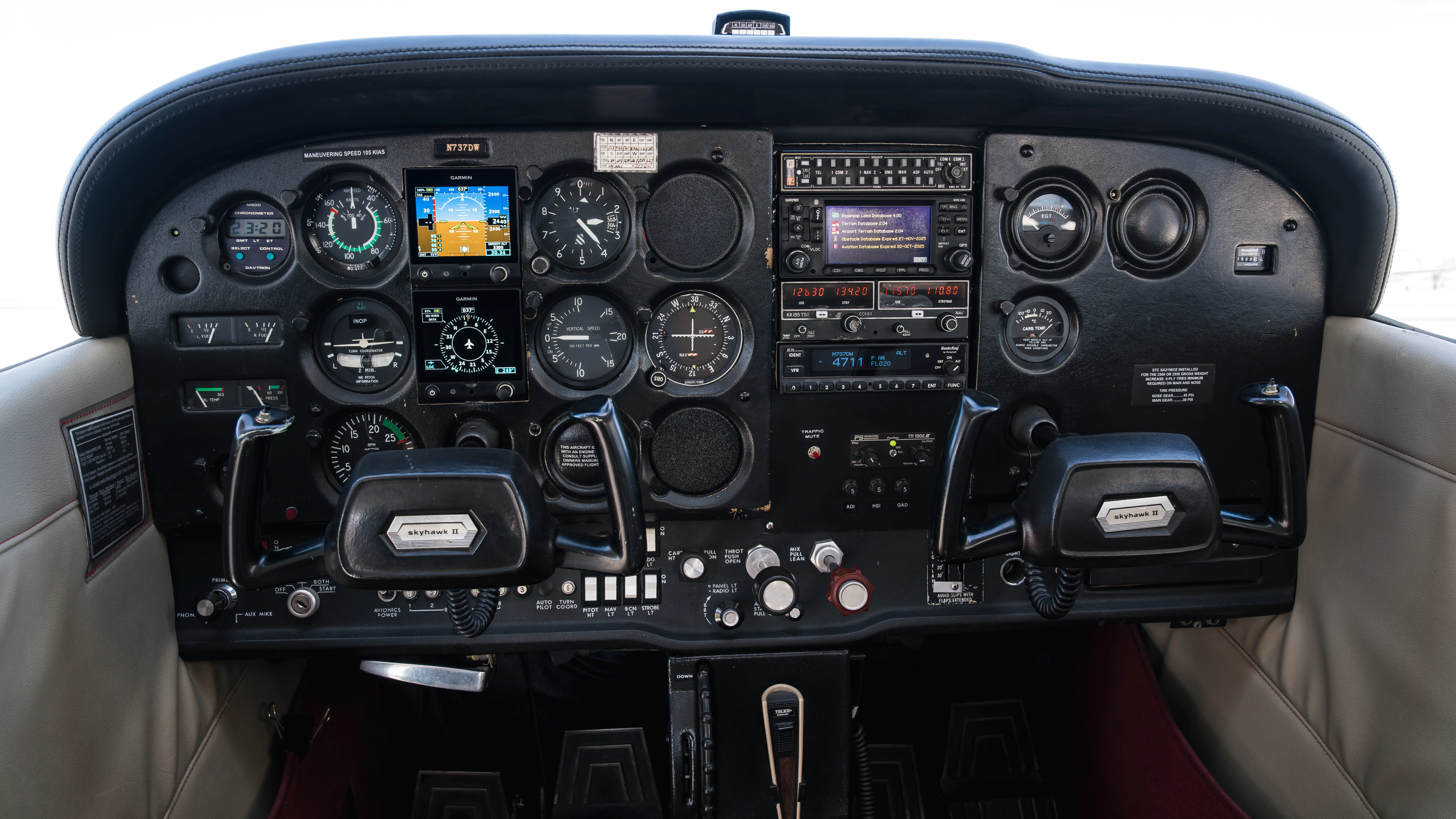
A glass cockpit consolidates this information into electronic flight displays (EFDs). In our upgraded fleet, we use dual Garmin G5 digital displays acting as the Primary Flight Display (PFD) and Horizontal Situation Indicator (HSI). These solid-state electronic displays combine:
- Attitude and slip/skid information on a bright, easy-to-read screen.
- Airspeed, altitude, and vertical speed tape displays.
- Heading and navigation guidance integrated with our Garmin GPS systems.
- Wind speed and direction vectors calculated in real time.
The Cognitive Benefits of Digital Avionics
1. Reduced Cognitive Load
During instrument training, you must fly the aircraft solely by reference to your instruments. Mechanical gauges require a constant, active mental loop to read and interpret the individual needles. The Garmin G5 displays consolidate this data into a single, intuitive visual field, significantly reducing the mental effort required to maintain straight-and-level flight or fly a precision approach.
2. Elimination of Vacuum System Failures
Traditional attitude and heading indicators are driven by a vacuum pump. Vacuum pump failures are a common and dangerous occurrence in general aviation, often leading to spatial disorientation in IMC. The Garmin G5 is solid-state (no moving parts) and features a dedicated backup battery. If the aircraft loses electrical power, the G5 will continue to operate for up to four hours, providing an unmatched safety margin.
3. Precision Scan Development
The G5’s digital tapes make it much easier to detect small trend changes in airspeed and altitude. This allows you to make minor, proactive corrections rather than reacting to large deviations, resulting in smoother, more precise flying.
Preparing for Your Professional Career
If your ultimate goal is to fly for the airlines or a corporate charter department, glass cockpit experience is non-negotiable. Modern airliners do not have steam gauges. By mastering digital avionics, GPS integration, and electronic flight bags (EFBs) during your Instrument Rating training, you build the exact muscle memory and scan patterns you will use in your first airline simulator.
At MH Aviation, we pair our Garmin G5 displays with 180 HP engine conversions and integrated autopilots in our Cessna 172 fleet. This gives you a highly capable, modern training platform that prepares you for the realities of commercial flying.
Start Your Modern Training Journey
Earning your instrument rating is a major milestone. Training with modern, reliable equipment not only makes you a safer pilot, but it also helps you complete your rating more efficiently, protecting your budget.
If you want to experience the advantages of modern avionics firsthand, check out our Instrument Rating program or visit our Flight Training FAQ page to learn more about our fleet upgrades.