FAR 61.56 Flight Review Requirements: The 24-Month Rule

Published by
Jessica Haney
Published on
Updated on
Read time
8 min read
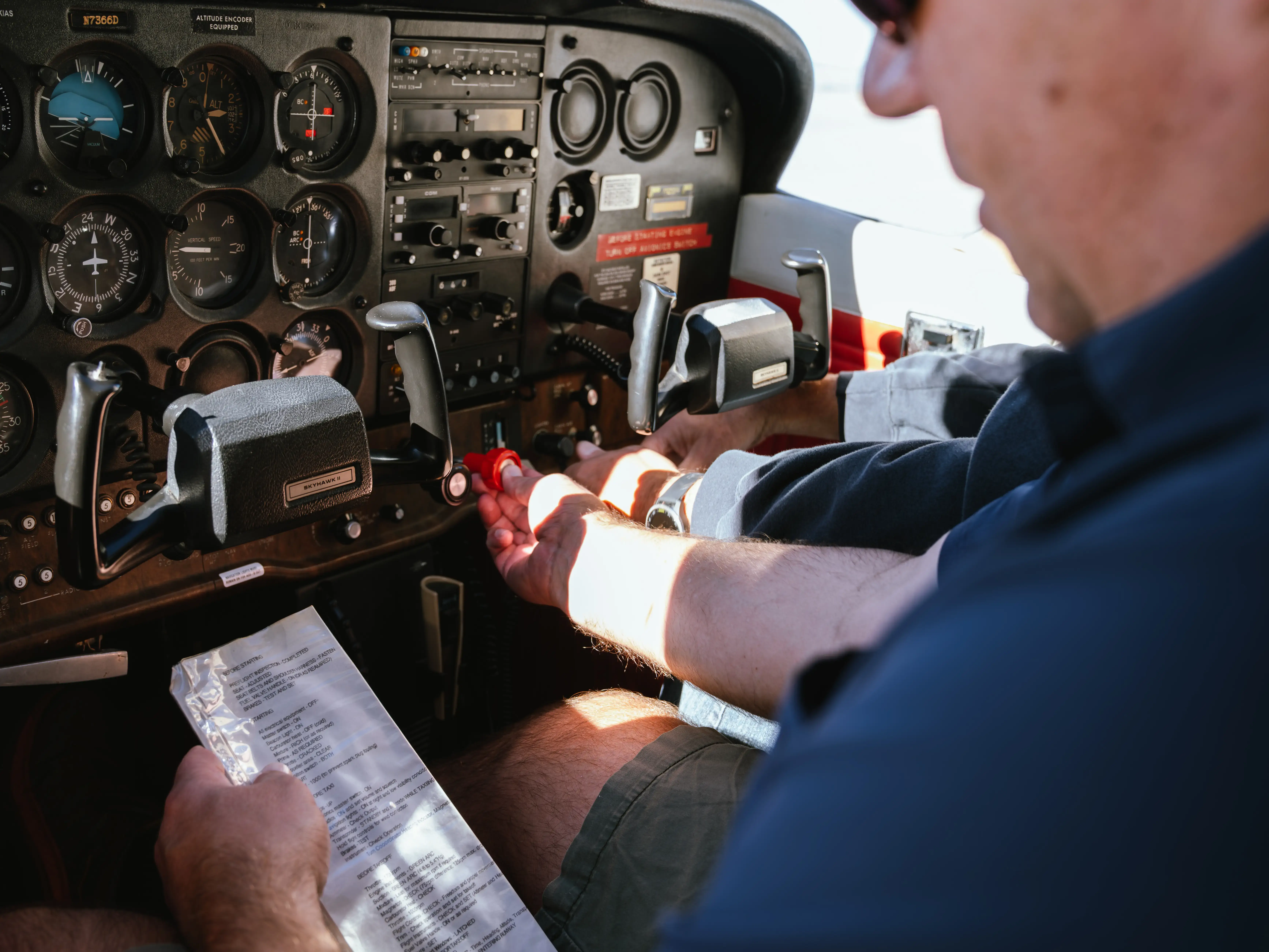
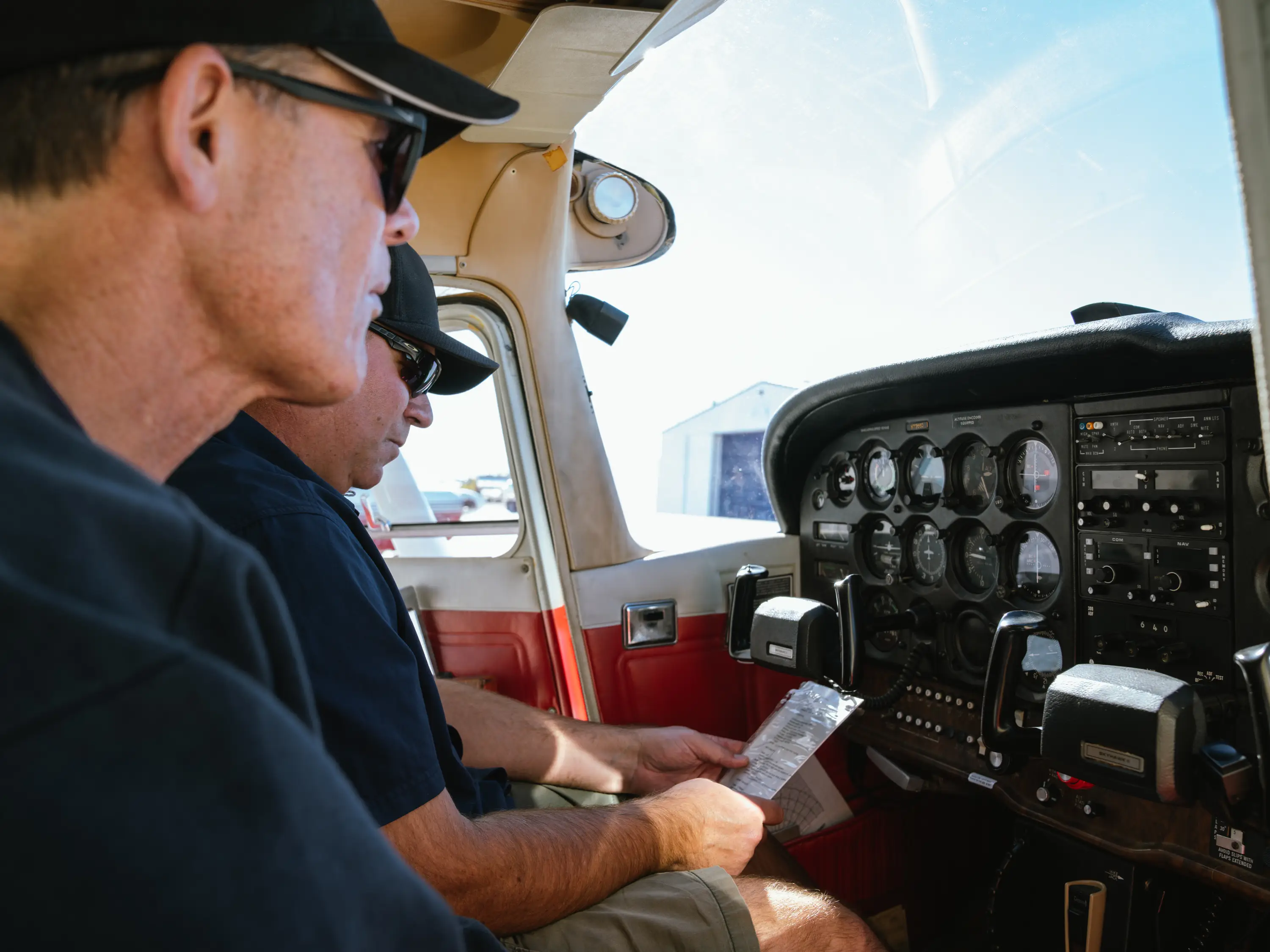
You are sitting in the cockpit, running through your preflight checklist, and you take a quick look at the back of your logbook. When was your last endorsement? If you want to exercise your privileges to fly as pilot in command (PIC) of a civil aircraft, the FAA requires you to complete a flight review every 24 calendar months.
Historically known to many pilots as the “biennial flight review” or BFR, the FAA officially removed the word “biennial” from the regulations. The goal was simple: encourage general aviation (GA) pilots to train with an instructor more frequently than the bare-minimum two-year interval, promoting safety and proficiency across the pilot community.
At MH Aviation, we view the flight review not as a stressful test, but as a constructive opportunity to dust off the maneuvers, procedures, and ground knowledge you might not use in your day-to-day flying.
This guide breaks down the FAA flight review requirements under Part 61, lists common checkride and training exemptions, and explains how you can coordinate your pilot currency with your aircraft’s annual inspection at our Fox Field facilities.
FAA Flight Review Requirements Under FAR 61.56
The baseline rules for maintaining pilot currency are detailed in 14 CFR § 61.56. To act as pilot in command, you must complete a review consisting of a minimum of:
- 1 hour of flight training covering maneuvers and procedures necessary to demonstrate the safe exercise of your pilot privileges.
- 1 hour of ground training covering the current general operating and flight rules of 14 CFR Part 91.
Ground and flight minimums are the regulatory baseline; the actual training time required to earn your endorsement is at the instructor’s discretion depending on your proficiency and how frequently you fly.
If you already know you are due and just want to walk in ready, our biennial flight review checklist lists exactly what to bring and what the ground hour covers.
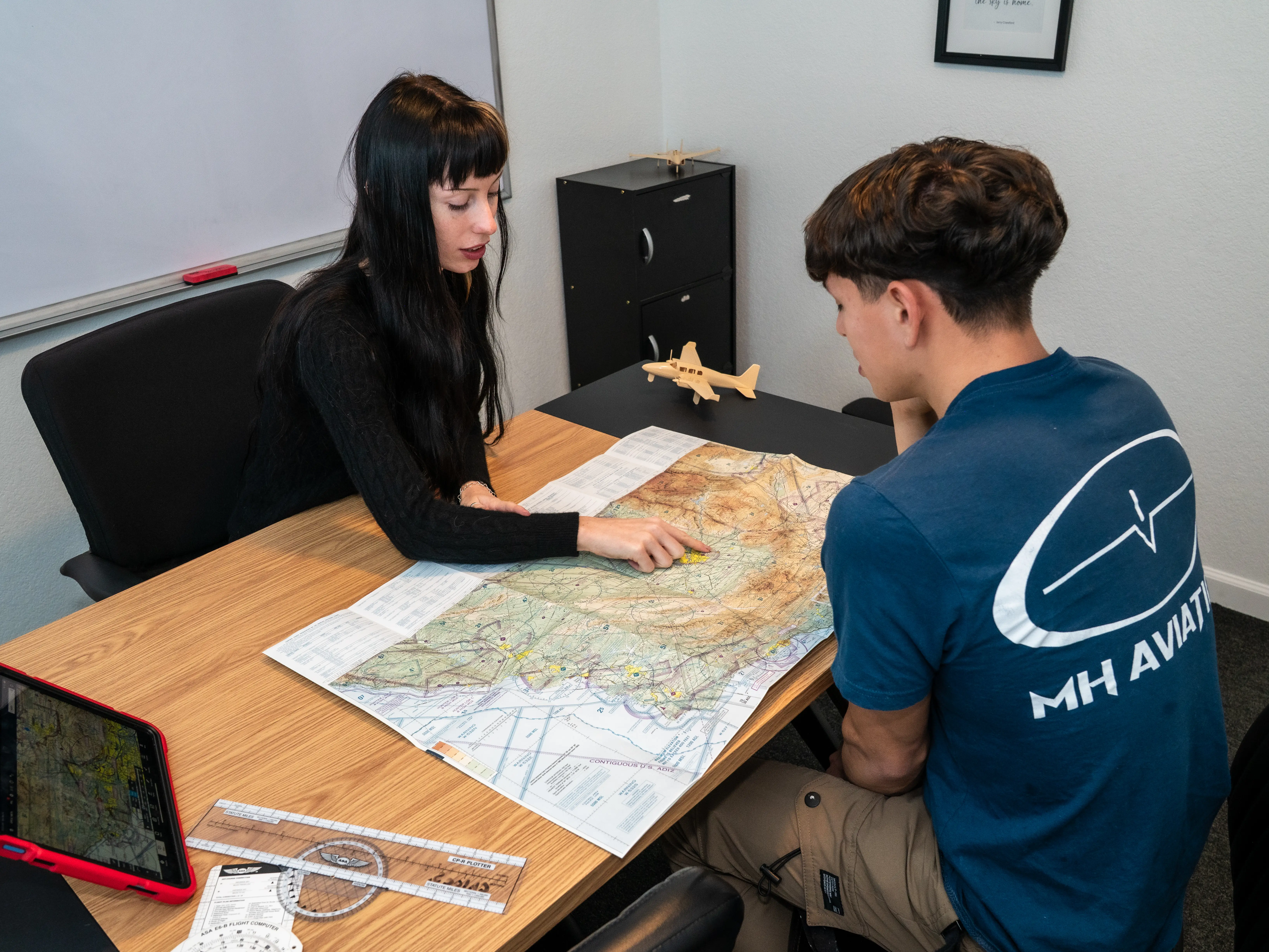
The maneuvers and ground topics covered are highly customizable. A good instructor will evaluate your typical flying habits. If you primarily fly local weekend flights, they might use the flight review to practice cross-country diversion planning and radio communications. If you fly constant cross-country routes under instrument flight rules, they might focus on ground-reference maneuvers, stalls, and emergency landings.
You Can’t “Fail” a Flight Review
One of the greatest points of friction for pilots is checkride anxiety. However, a flight review is not a pass-or-fail test. It is a training event.
If your maneuvers are a bit rusty or your regulatory knowledge is out of date, the instructor will not log a failure in your logbook. There is no regulatory entry for an unsatisfactory flight review. Instead, the flight is simply logged as dual instruction given.
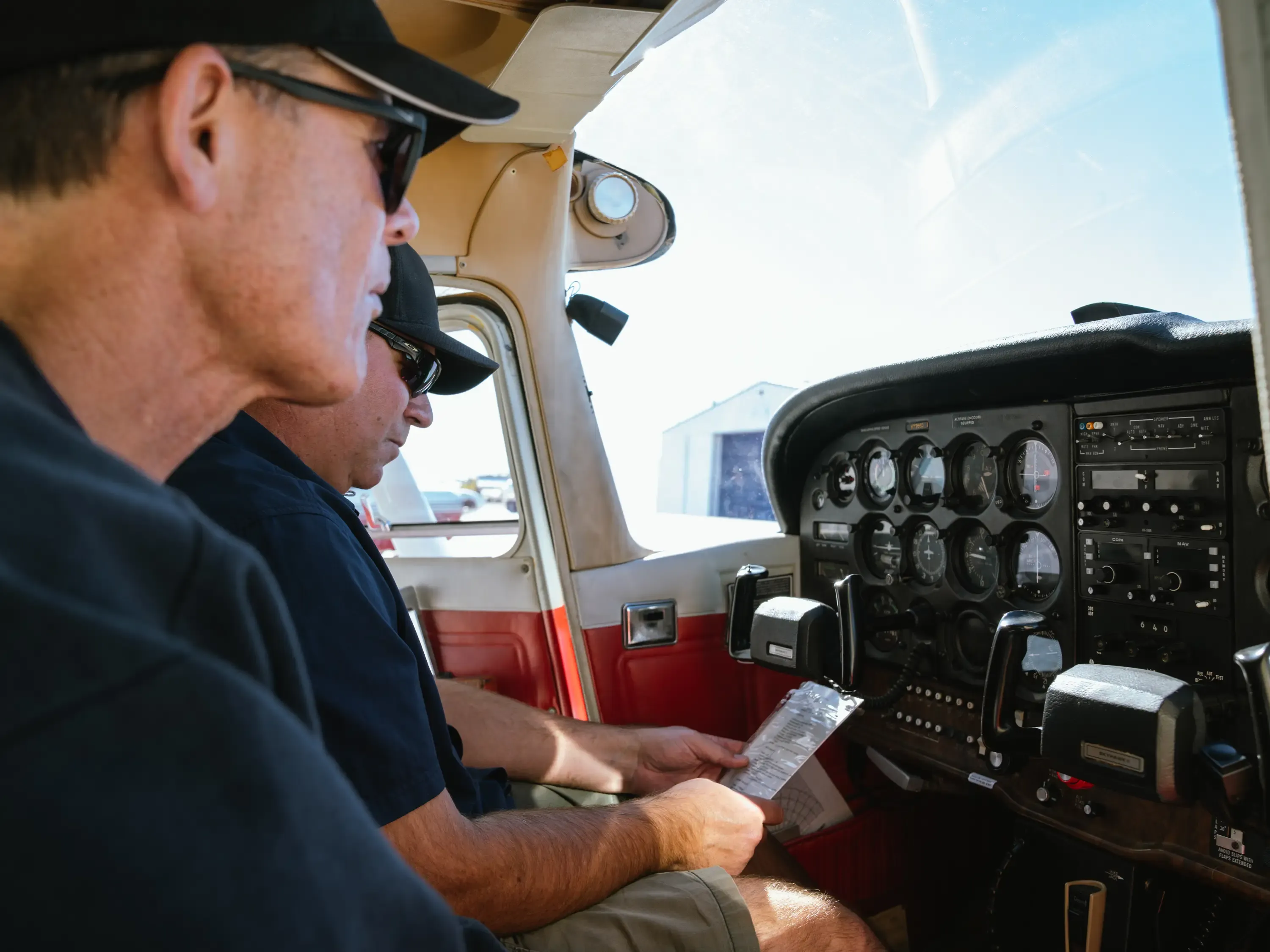
Your instructor will work with you to design a structured plan to brush up on those specific skills. Once you meet the standard, they will sign the endorsement, resetting your 24-calendar-month currency clock.

FAA Flight Review Exemptions
You may be exempt from the 24-month flight review requirement if you meet one of the following FAA exceptions:
- Checkrides and Practical Tests: You do not need a flight review if you have passed a pilot practical test conducted by a Designated Pilot Examiner (DPE) for a new certificate, rating, or operating privilege within the past 24 calendar months. This includes earning a Private Pilot Certificate, adding an Instrument Rating, or adding a Multi-Engine Rating.
- Flight Instructor Checkrides: Passing an FAA practical test for the issuance, renewal, or reinstatement of a flight instructor certificate satisfies the review.
- FAA WINGS Program: Completing one or more phases of the FAA-sponsored WINGS Pilot Proficiency Program satisfies the flight review requirement. WINGS is a structured safety program focused on addressing the primary causes of general aviation accidents.
Pilot Currency vs. Aircraft Airworthiness: The Annual Inspection
For aircraft owners, maintaining pilot currency is only half the airworthiness equation. While you must stay current under FAR 61.56, your aircraft must remain airworthy under 14 CFR § 91.409(a), which requires a complete annual inspection every 12 calendar months. Under 14 CFR 91.403, the primary responsibility for keeping an aircraft airworthy rests with the owner or operator.
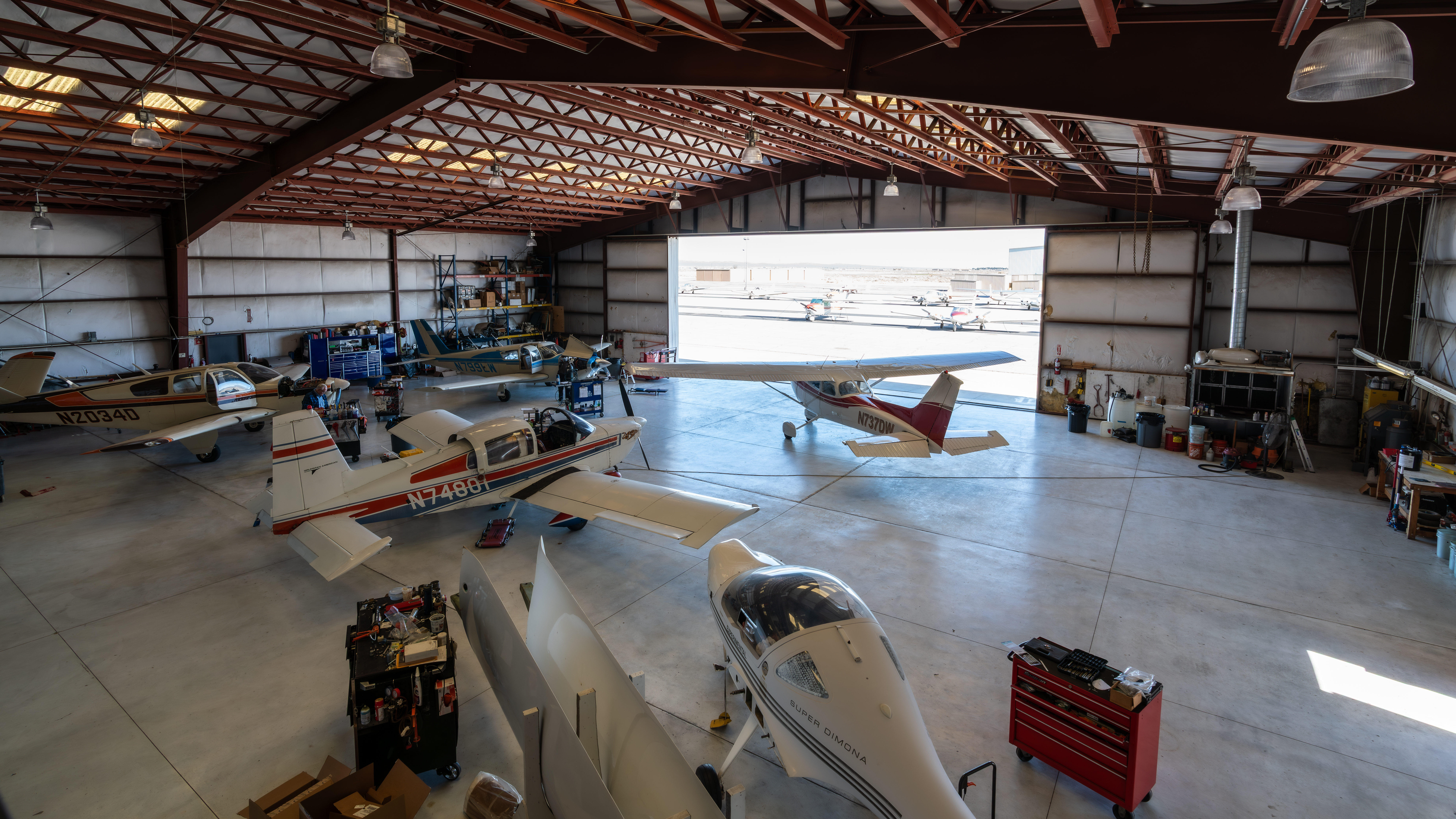
At MH Aviation, we help you manage both requirements efficiently. We operate an on-site FAA Part 145 Repair Station (Certificate #MHAR094E) at Gen. William J. Fox Airfield (KWJF).
| Currency Type | Regulatory Interval | Primary Responsibility | How We Support You |
|---|---|---|---|
| Pilot Currency (Flight Review) | 24 calendar months | Pilot in Command | Gold Seal Instructors & Upgraded Cessna Fleet |
| Aircraft Airworthiness (Annual) | 12 calendar months | Owner or Operator | Part 145 Repair Station ($125/hr Shop Rate) |
By coordinating your schedule, you can drop your aircraft off for its annual inspection at our maintenance facility and complete your pilot flight review with one of our instructors using our flight school fleet. This eliminates downtime and ensures that both you and your aircraft are safe and legal to fly.
If you do not own an aircraft, you can complete your flight review in one of our upgraded Cessna 172s, which start at a competitive rate of $195 per hour (wet). While our standard flight reviews and annual inspections run on a pay-as-you-go model, we can assist you in reviewing third-party financing options for major engine overhauls or extensive avionics upgrades if required.
Frequently Asked Questions
How is the 24-calendar-month period calculated?
The FAA uses calendar months, meaning your currency extends to the last day of the 24th month. For example, if you completed your last flight review on June 5, 2024, your flight review remains valid until June 30, 2026.
What happens if my flight review expires?
If your flight review expires, you cannot act as pilot in command of an aircraft. However, your pilot certificate itself does not expire or become invalid. You simply need to schedule and satisfactorily complete a flight review with a certified flight instructor to restore your PIC privileges.
Can I complete a flight review in an FAA-approved flight simulator?
Under 14 CFR 61.56(i), flight simulators or flight training devices (FTDs) can be used to meet certain flight review requirements, but only if they are used as part of an approved course at an FAA-certificated Part 142 training center. Because we focus on practical general aviation training, all of our flight reviews at MH Aviation are conducted in actual aircraft.
What is the difference between an annual inspection and a 100-hour inspection?
An annual inspection is required for all civil aircraft once every 12 calendar months. A 100-hour inspection is an additional requirement under 14 CFR 91.409(b) for aircraft that carry passengers for hire or are used to provide flight instruction for hire.
What should I bring to my flight review?
You should bring your pilot logbook, pilot certificate, a valid FAA medical certificate (or BasicMed documentation), and a prepared cross-country flight planning scenario if requested by your instructor. See our full flight review checklist for the aircraft paperwork and study topics that go with it.
Where can I find more answers about FAR 61.56?
We keep a running FAA flight review FAQ covering the endorsement, expired reviews, simulator eligibility, and what a review costs at Fox Field.
Keep Your Flying Safe and Legal
Staying current is not just about checkmarks in your logbook—it is about ensuring you are prepared to handle unexpected cockpit situations. Combining a pilot currency review with structured aircraft maintenance planning is the most efficient way to protect your investment and keep your flying habits sharp.
Whether you need to schedule your 24-month flight review with an instructor or book your aircraft’s next annual inspection with our Part 145 maintenance team, we are here to support your aviation goals in the High Desert.
Contact our team today through our contact page to schedule your flight review or book your aircraft maintenance slot at Fox Field.