Student Pilot Safety Training at MH Aviation: 2026 Guide
Published by
Jessica Haney
Published on
Updated on
Read time
7 min read
The first time you sit in the left seat, someone hands you a checklist before they ever let you touch the throttle. That is not bureaucracy — it is student pilot safety training working exactly the way it should. If you are weighing whether flight school is safe enough to hand over your time, money, and trust, the honest answer is that safety is not a slogan here. It is built into how every lesson is planned, briefed, and flown.

Safety Starts Before the Engine Ever Turns Over
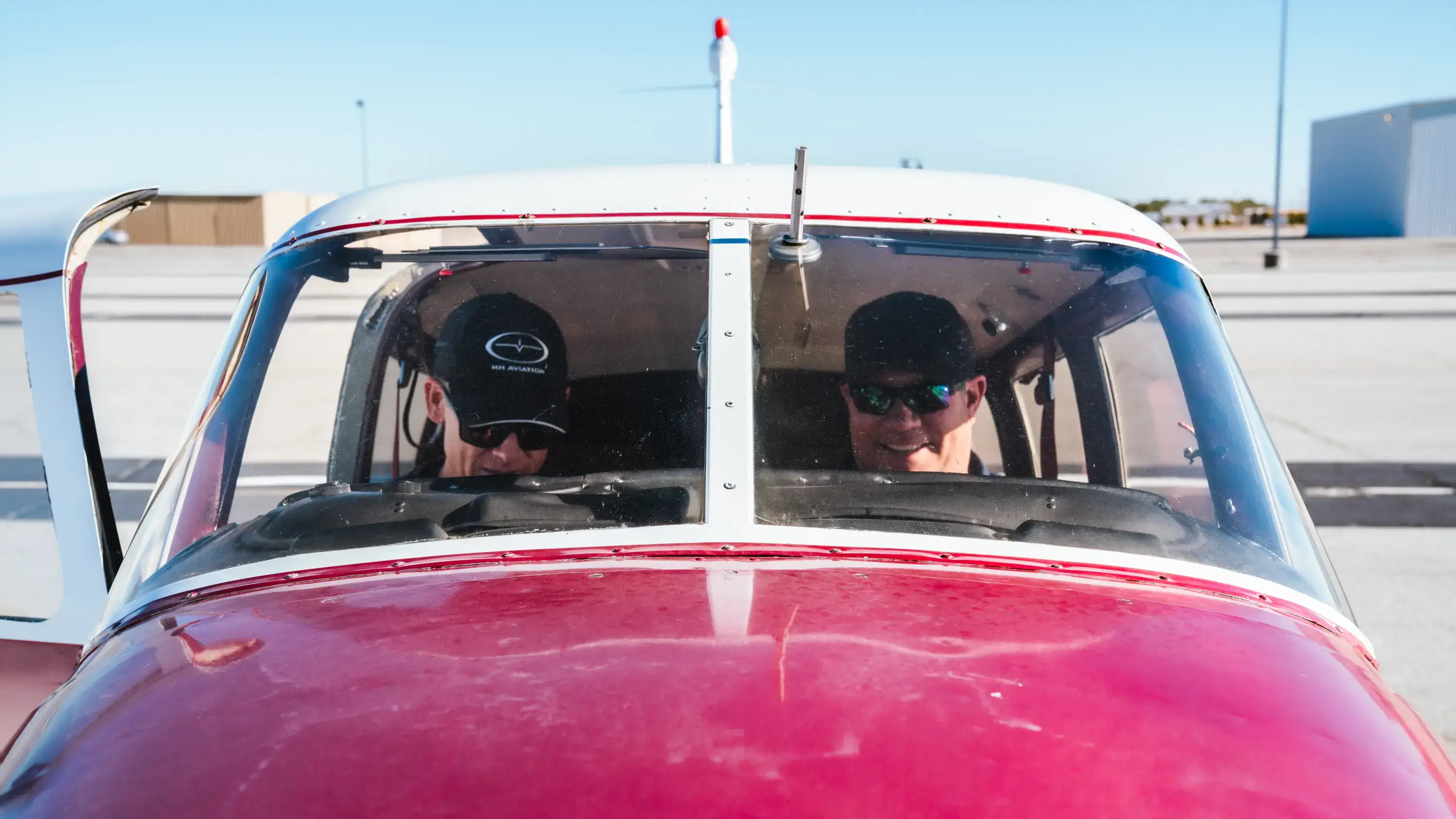
Every lesson at MH Aviation follows a structured curriculum under FAA Part 61, which means your instructor is teaching risk management alongside stick-and-rudder skills from your very first flight — not introducing it later once you are “ready.” Before you ever touch the controls, your instructor walks you through:
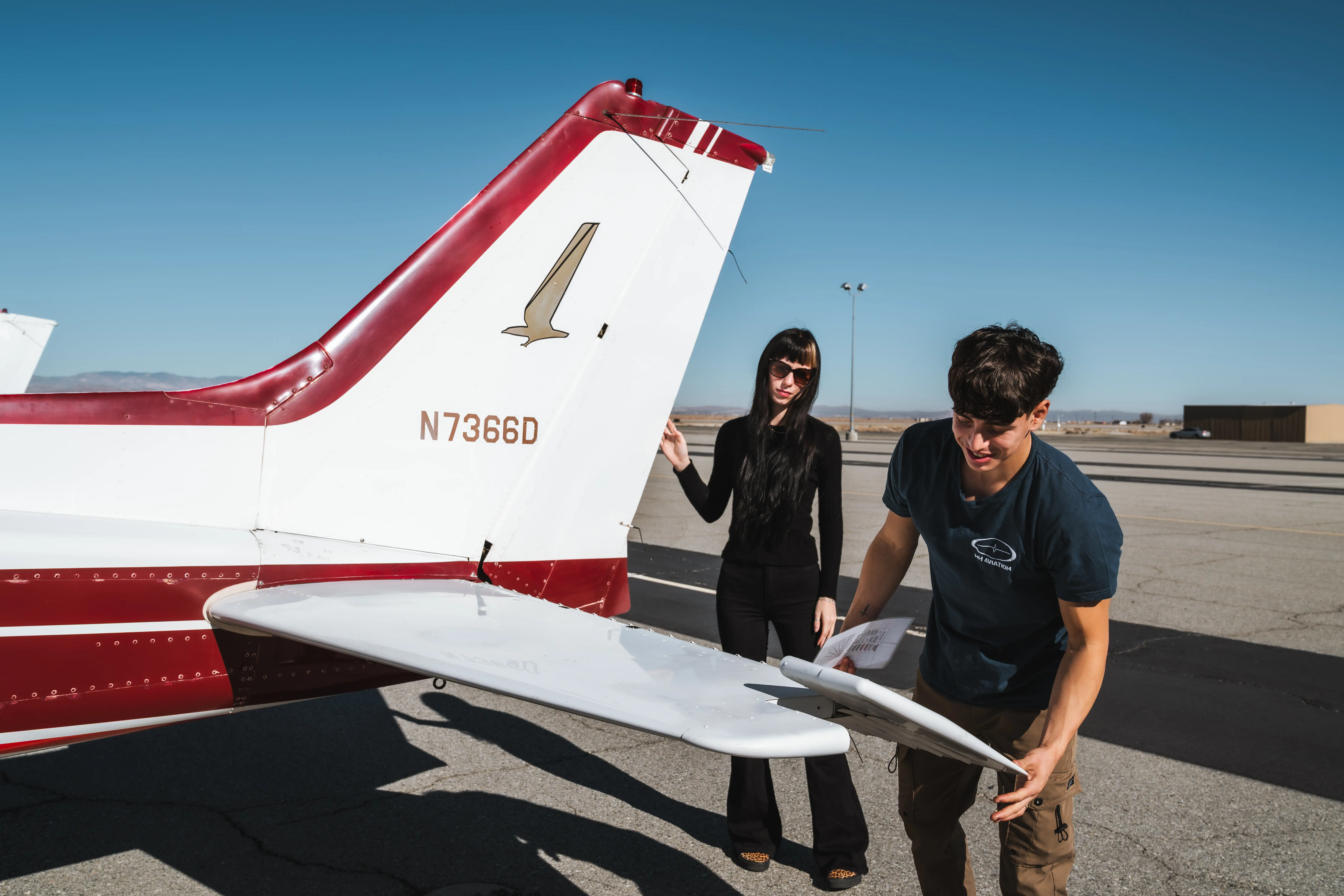
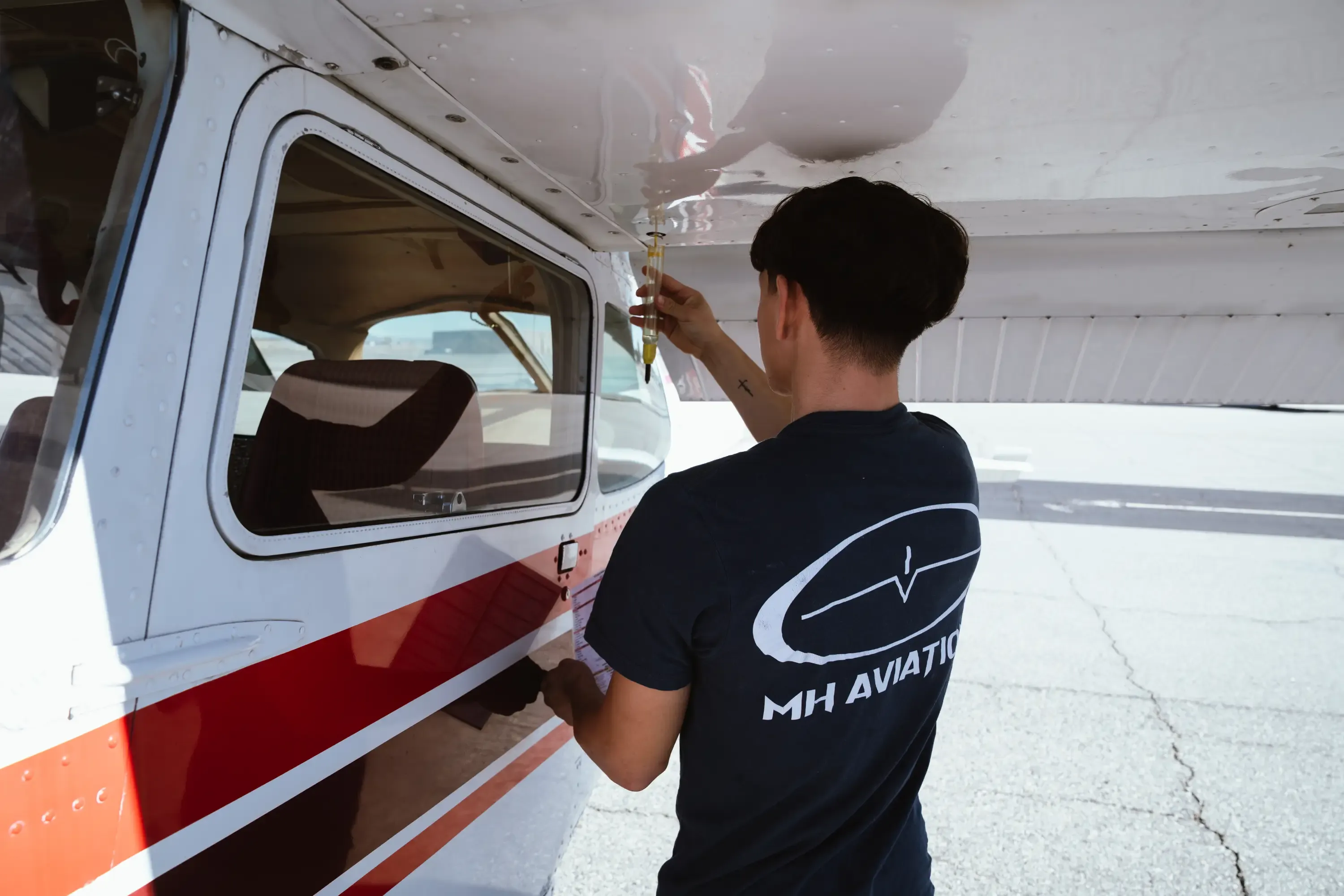
- A full preflight inspection, so you learn to spot a problem on the ramp instead of in the air.
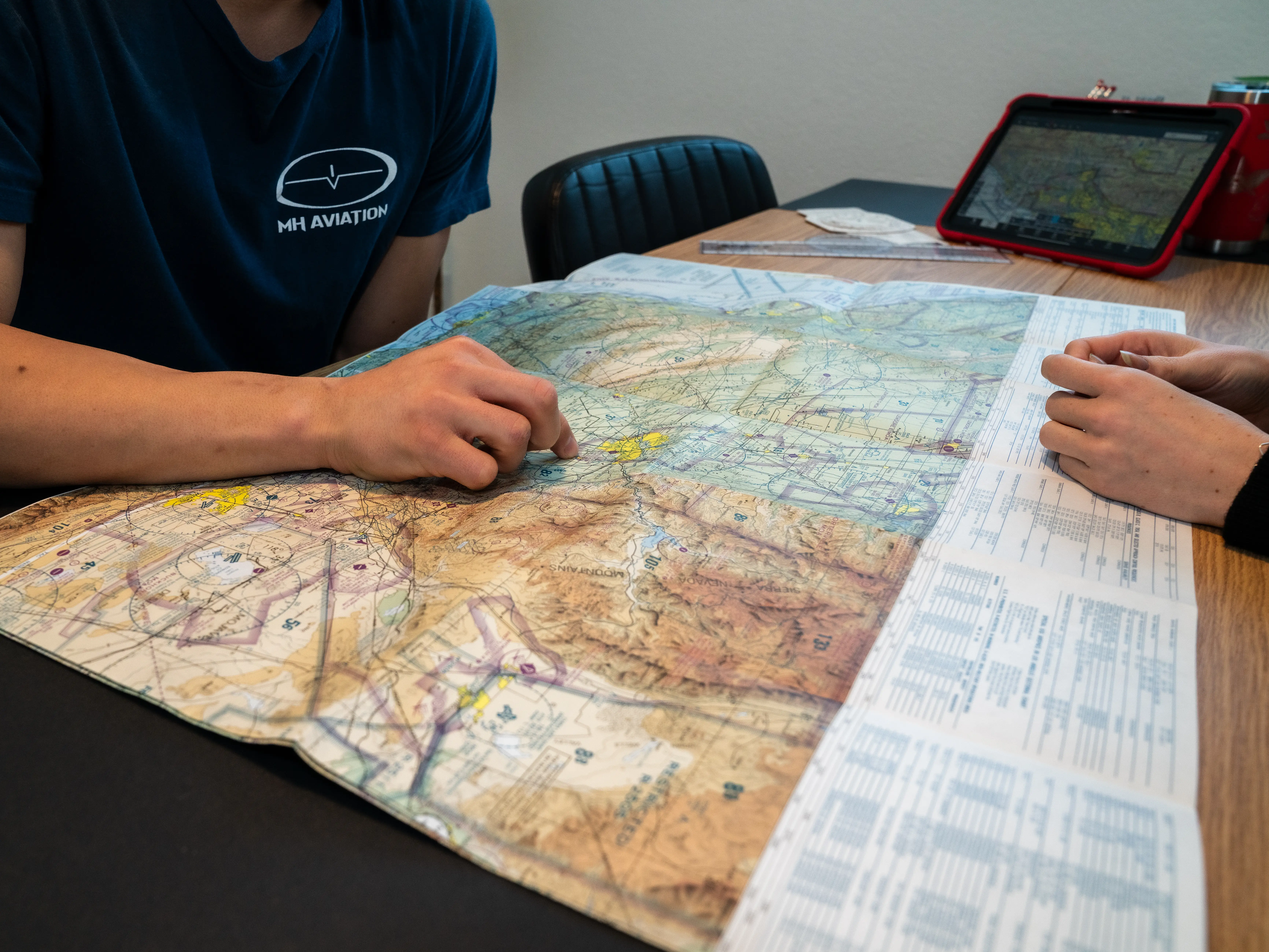
- A weather and go/no-go briefing, so decision-making becomes a habit, not an afterthought.
- A maneuver briefing, so you know exactly what you are practicing and why before the wheels leave the ground.
None of this slows you down. It is the same structure that lets you progress confidently toward your Private Pilot Certificate without skipping the fundamentals that keep training safe.
Instructors Who Are Trained to Teach Judgment, Not Just Maneuvers
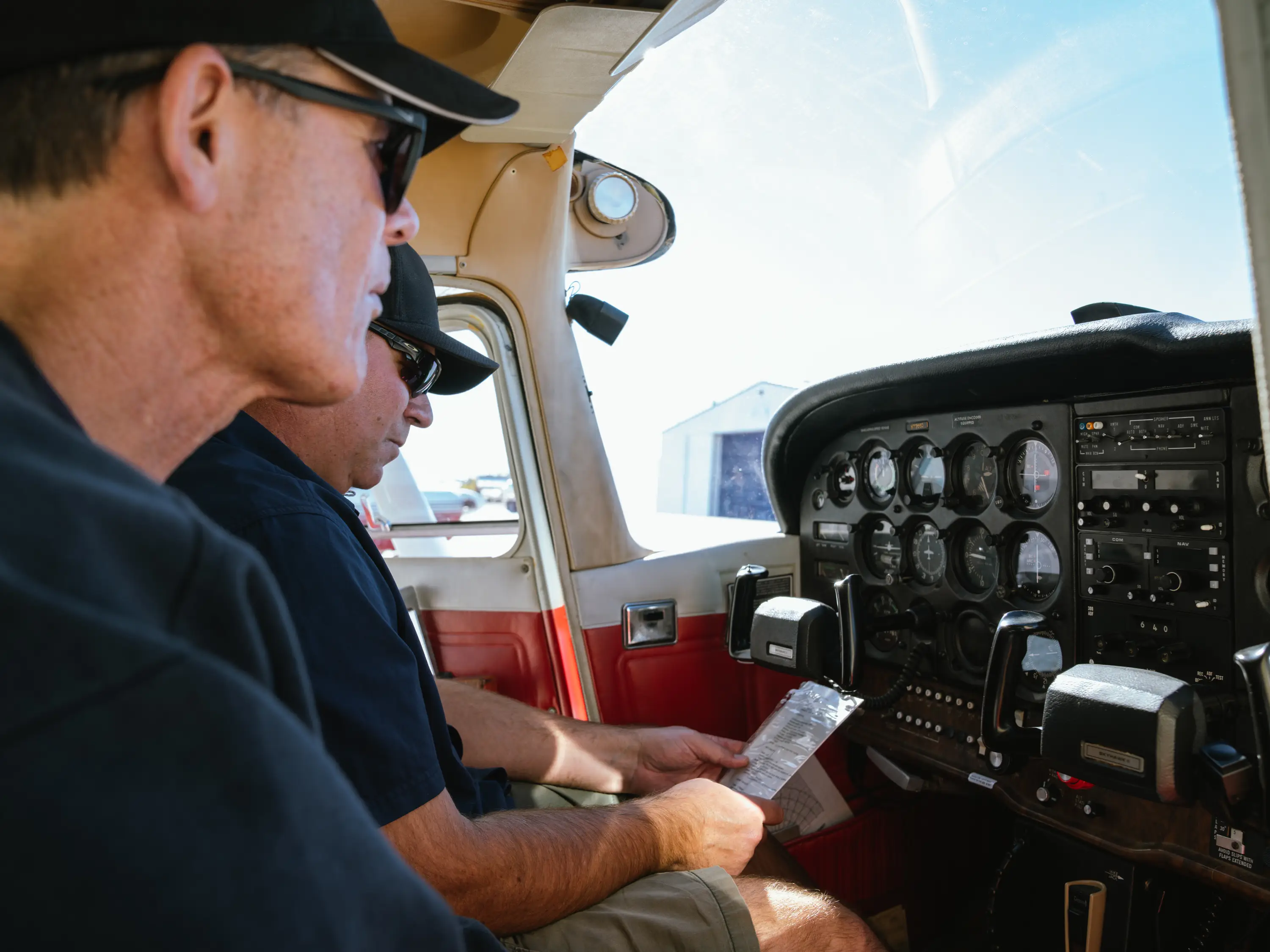
A flight instructor’s job is bigger than demonstrating a steep turn correctly. Our CFIs are trained to model good aeronautical decision-making in real time — narrating why a crosswind changes the landing plan, or why a hazy afternoon might mean rescheduling instead of pushing through. You will not be handed a checklist and left to figure out the rest; your instructor stays with you until you are cleared to solo, and even then, every milestone is signed off deliberately, not assumed.
The Aircraft You Train In Matter Just as Much as the Curriculum
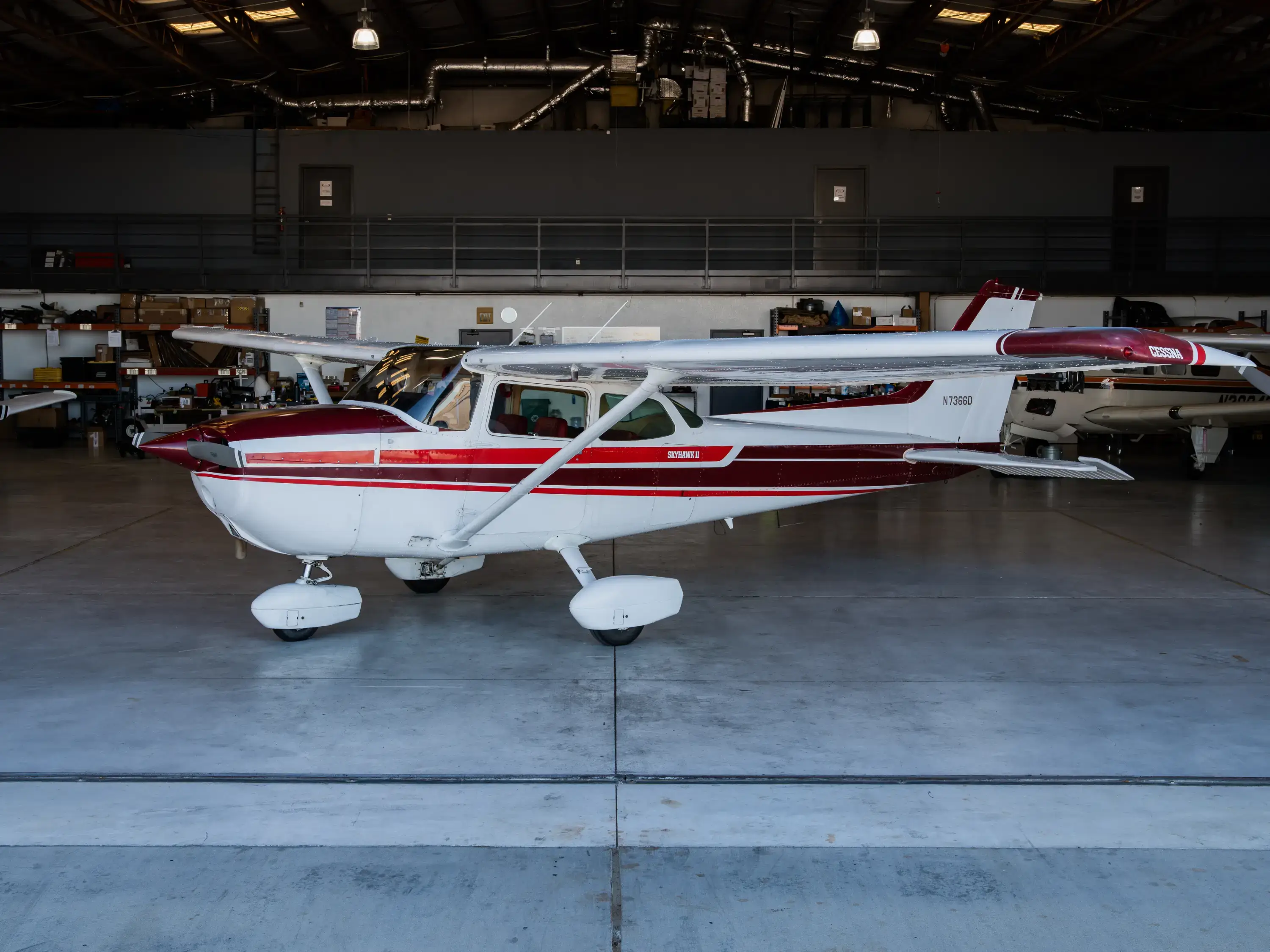
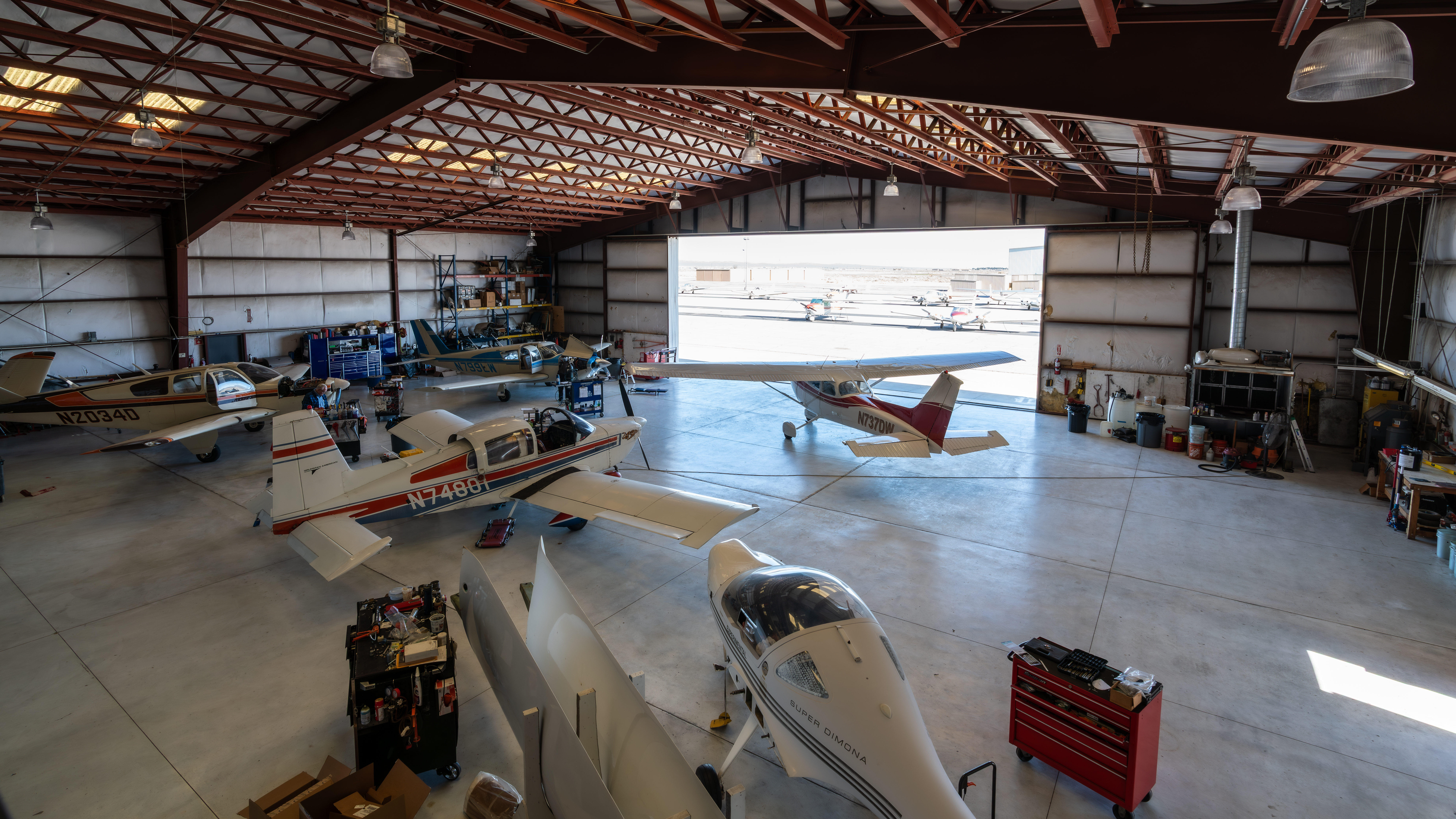
Safety training is only as good as the aircraft it happens in. That is where MH Aviation is structured differently than most flight schools: we are also a full-service FAA Part 145 Repair Station, so the same operation that teaches you to fly also maintains the fleet you fly in. Annual, 50-hour, and 100-hour inspections happen in-house, which means small squawks get addressed quickly instead of waiting on an outside shop’s schedule. You can see exactly how that maintenance culture works on our aircraft maintenance and repair page.
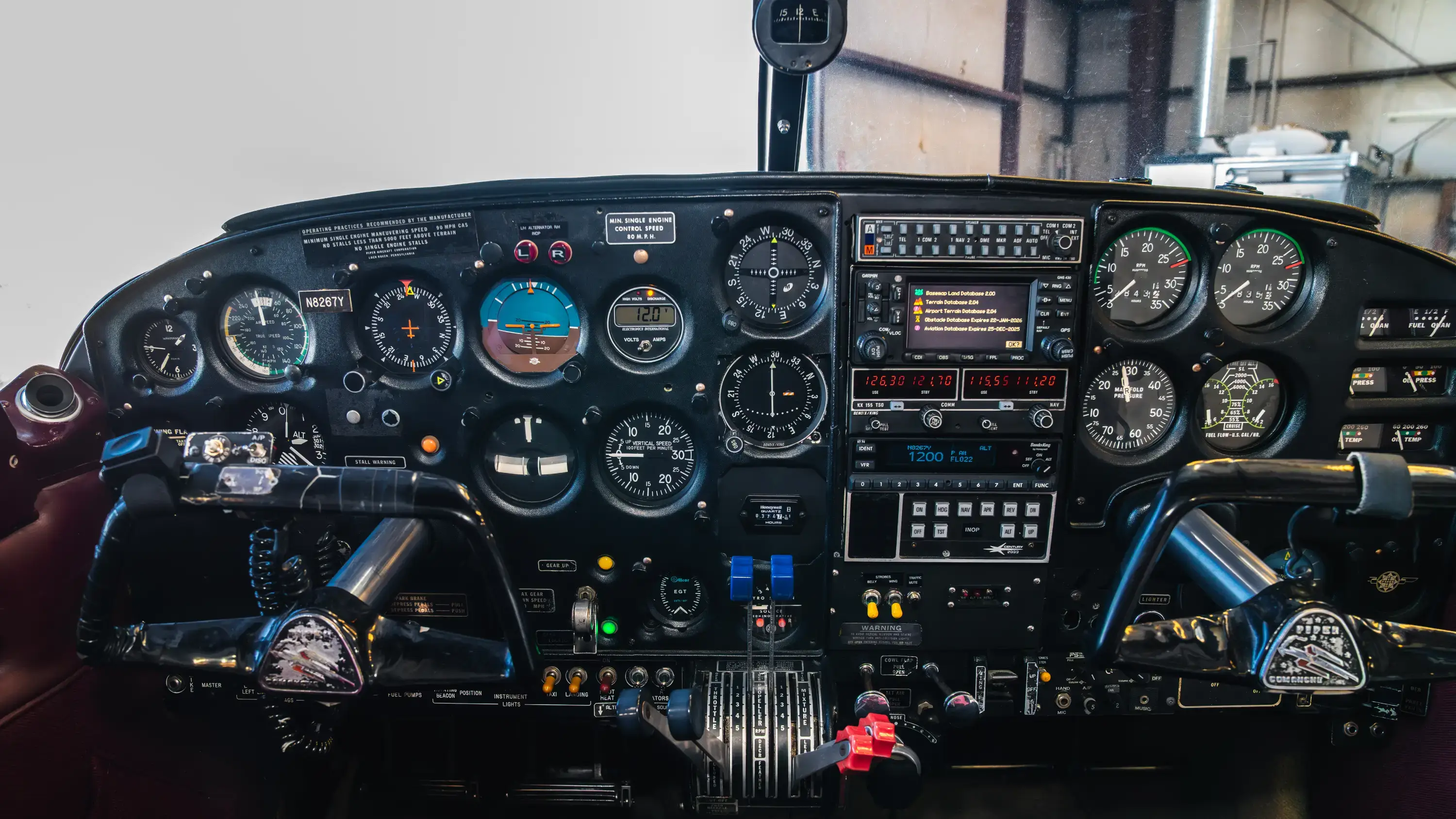
Our fleet also includes Garmin G5 glass cockpits and 180 HP engine conversions, giving student pilots clearer situational awareness and stronger performance margins from day one — especially useful in the High Desert’s higher density altitude.
Training Location Is a Safety Decision Too
Where you train shapes how safely you learn to fly. Gen. William Fox Airfield (KWJF) sits in the High Desert and sees over 300 flyable days a year, keeping students clear of the marine-layer fog and congested airspace that complicate training closer to the LA Basin. Fewer rushed decisions and less traffic mean your instructor can spend lesson time on judgment and technique instead of managing chaos in the pattern.
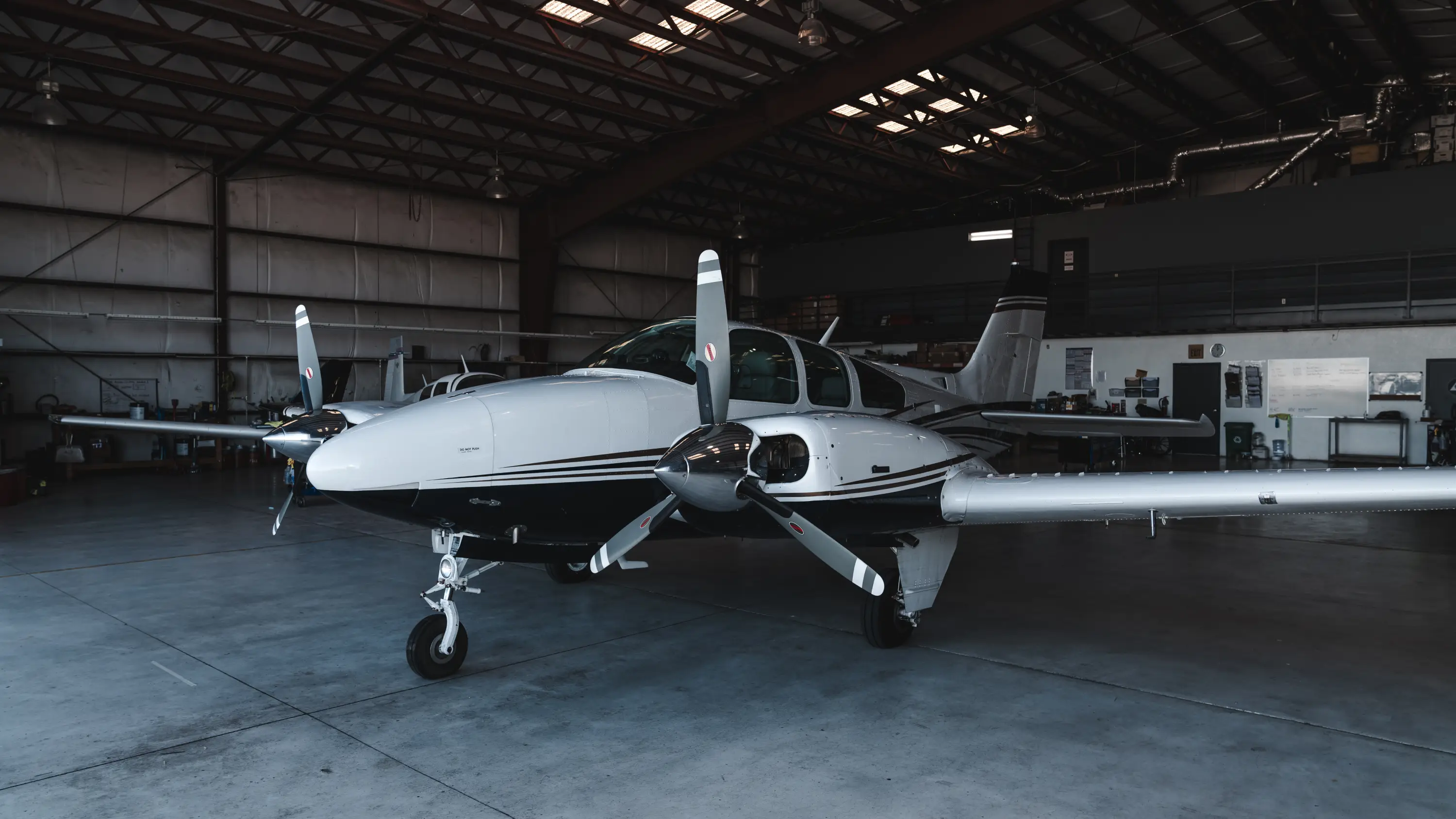
For students working toward more advanced ratings, that same safety-first structure carries through to programs like the Multi-Engine Rating, where simulated engine failures are practiced at safe altitudes using “zero-thrust” settings that follow FAA Practical Test Standards, rather than real engine shutdowns.
What Safety-First Training Costs
Because MH Aviation does not currently offer third-party financing, our approach to affordability is transparency instead: you pay per flight hour on a pay-as-you-go basis, with wet rates that run below the regional average, so safety-focused training does not require a large upfront commitment. You can review current rates in detail on our rates page.
Frequently Asked Questions
Is it safe for a complete beginner to start flight training?
Yes. Every new student starts with ground instruction and supervised flight lessons under FAA Part 61, with a certificated instructor present for every flight until you are cleared to solo.
What happens if my instructor and I disagree about flying in certain weather?
Your instructor makes the final go/no-go call. Learning to accept and understand that decision-making process is part of your student pilot safety training, not a sign that something went wrong with your schedule.
How often is the training aircraft inspected?
Beyond the FAA-required Annual Inspection, our fleet receives 50-hour and 100-hour inspections in-house at our Part 145 Repair Station, well beyond what a personally owned aircraft typically requires.
Do I need any experience before my first lesson?
No. Most students start with a discovery flight and no prior experience at all — your instructor builds your safety habits from the very first lesson.
Does training under Part 61 mean less safety oversight than Part 141 schools?
No. Both structures answer to the same FAA certification standards; Part 61 simply gives your instructor more flexibility to pace lessons around your progress.
Ready to Start Training the Right Way
If you want to see exactly how maintenance, instruction, and airspace choices come together at MH Aviation, our aviation safety standards page and aviation safety FAQ walk through the full picture — and if recent aviation news has you asking bigger questions, our guide on whether general aviation is safe covers that directly. When you are ready to experience it firsthand, contact our team to schedule a discovery flight and meet the instructors who will be with you from your first checklist to your first solo.