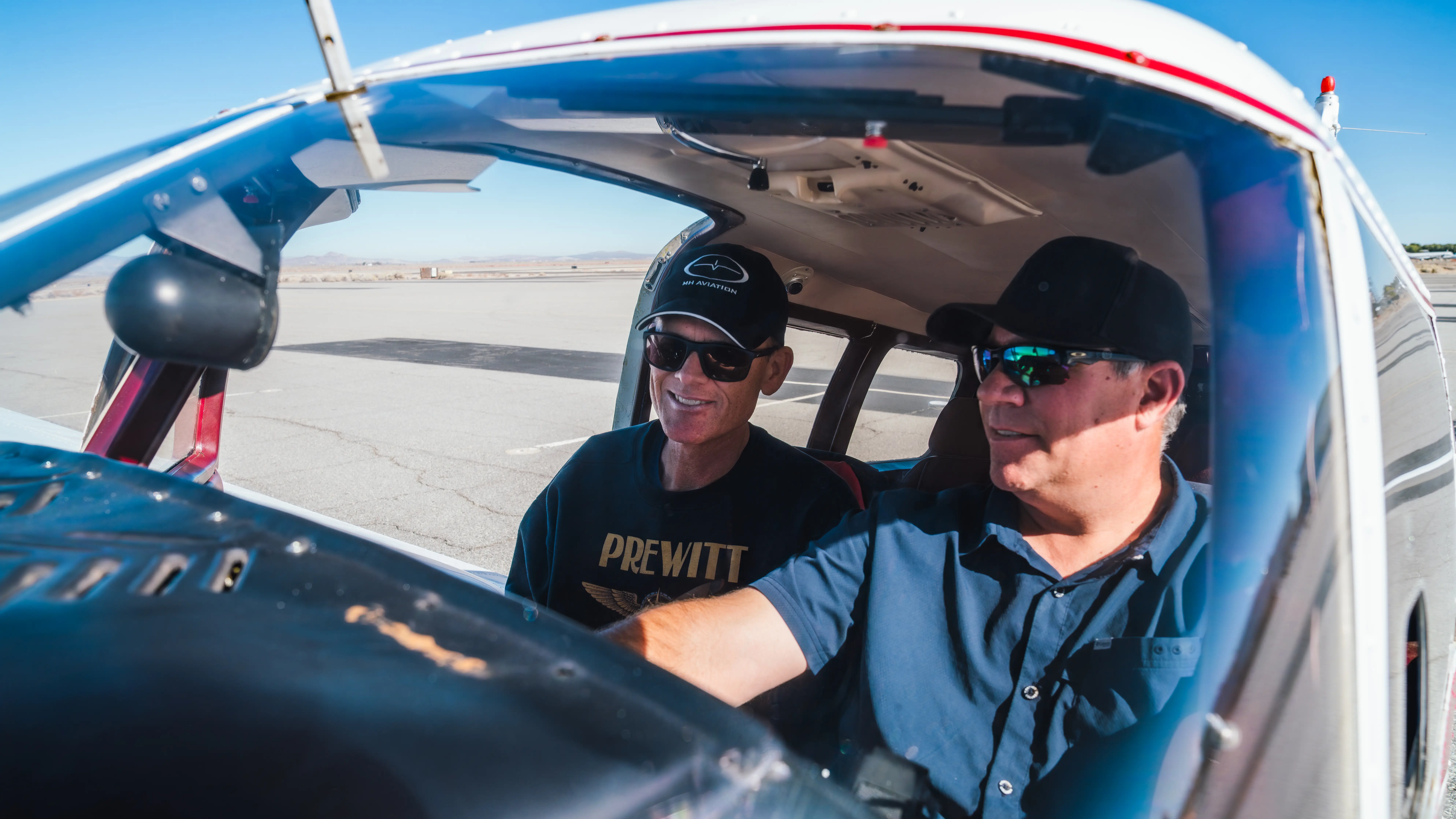
Do You Need a Degree to Become an Airline Pilot in 2026?

Published by
Jessica Haney
Published on
Updated on
Read time
10 min read
No. In 2026, you do not need a four-year degree to become an airline pilot through the standard FAA path.
But that answer needs a real plan behind it. A degree is not the same thing as a pilot certificate. Airline hiring is not the same thing as FAA eligibility. And skipping college only helps if you use that time to build the certificates, ratings, flight time, and cockpit habits airlines actually review.
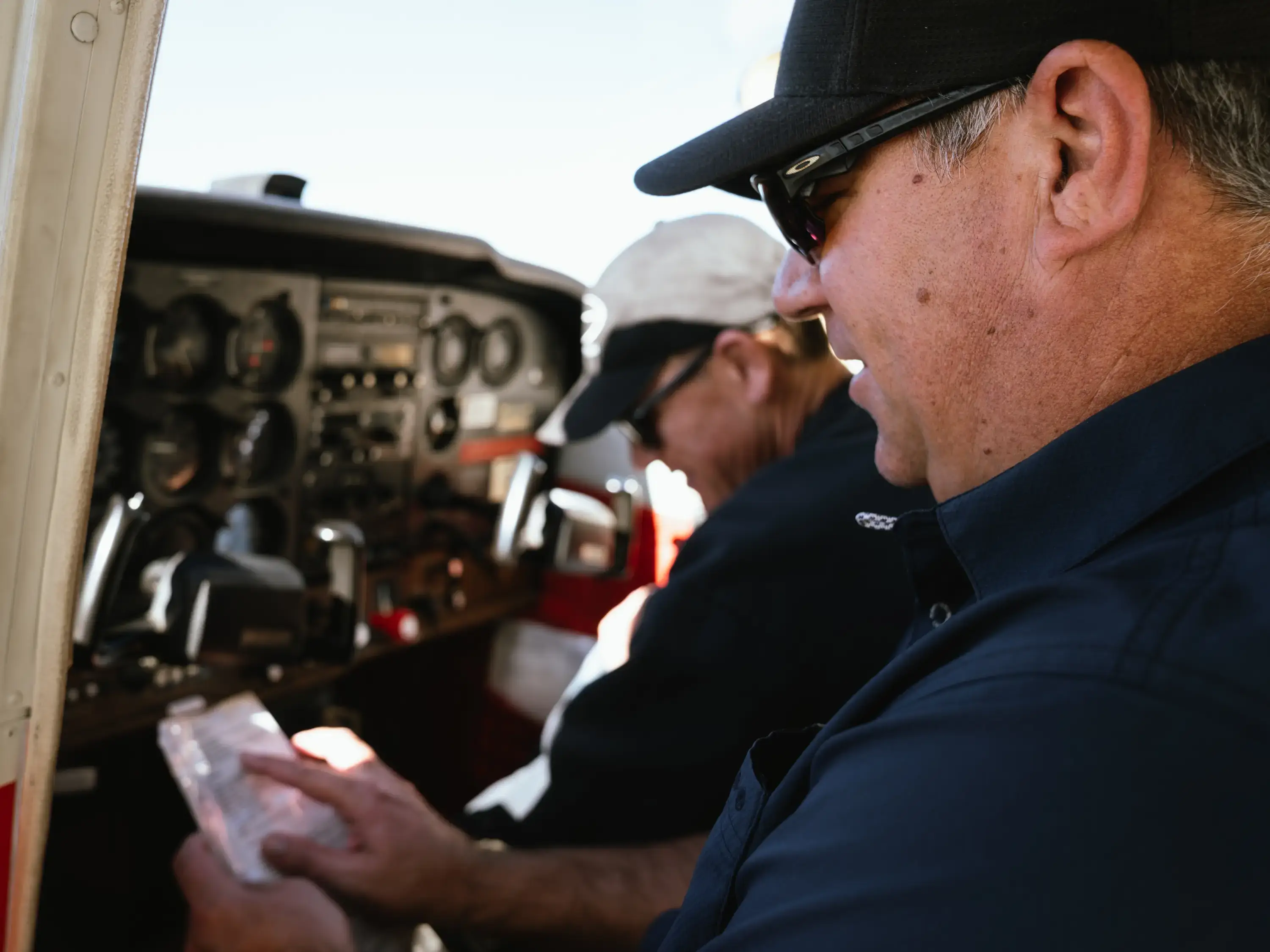
At MH Aviation in Lancaster, CA, our Zero to Airlines program is built for that exact decision: start flying now, train through the professional certificates, and work toward the 1,500-hour airline milestone without waiting four years to begin.
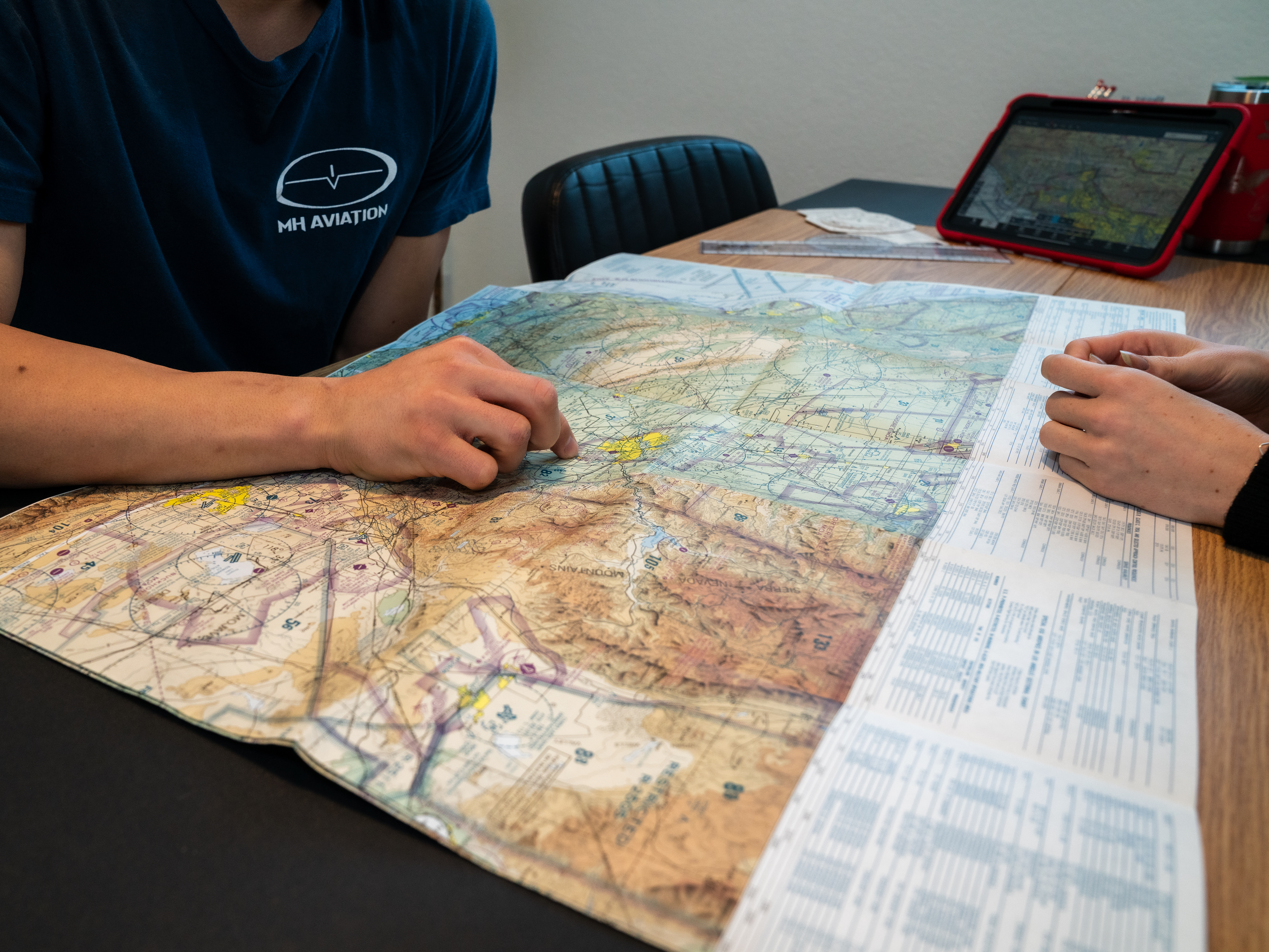
Your Logbook Matters More Than a Diploma
The FAA does not ask for a bachelor’s degree before you can earn a Private Pilot Certificate, add an Instrument Rating, earn a Commercial Pilot License, become a Certified Flight Instructor, or build toward an Airline Transport Pilot certificate.
The standard airline-track question is different: can you build the required experience and meet the airline’s hiring standards?
For many civilian pilots, the big milestone is the 1,500-hour ATP path. That number is common shorthand, but it is not the only requirement. The FAA also looks at age, English proficiency, commercial pilot privileges, instrument privileges, ATP training, knowledge testing, practical testing, and specific flight experience such as cross-country, night, instrument, and pilot-in-command time.
If you want the official FAA background, the FAA’s ATP training page explains how ATP and restricted ATP pathways work.
Here is the simpler way to think about it:
| Question | Short Answer | What You Should Plan |
|---|---|---|
| Is a four-year degree required by the FAA? | No | Build the certificates, ratings, medical qualification, testing, and flight time. |
| Can a degree still help? | Sometimes | Certain aviation degree paths can qualify for restricted ATP hour reductions. |
| Can an airline still prefer a degree? | Yes | Hiring policies vary, so do not treat one airline’s preference as every airline’s rule. |
| Can you start flight training without college? | Yes | A Part 61 training path can let you begin now and train around your real schedule. |
This is why your first decision should not be “college or no college” in the abstract. Your first decision is whether you want to spend the next year moving your logbook forward or waiting to begin.
College Can Help When It Lowers the ATP Hour Target
College is not useless. It is just not mandatory for every future airline pilot.
The strongest reason to choose an aviation college route is the restricted ATP, often called R-ATP. Under FAA rules, certain military pilots and graduates of authorized aviation degree programs may qualify for restricted ATP privileges with fewer than 1,500 total hours. That can matter if the degree program is approved, the coursework qualifies, and the student completes the right training path.
The tradeoff is time and cost. A degree path may lower the flight-hour target later, but it can also delay the day you start flying and add college tuition to your total plan. If you are comparing that option against MH Aviation’s current rates, compare the full path, not just one requirement.
| Path | Degree Required? | Main Benefit | Main Tradeoff |
|---|---|---|---|
| Part 61 Zero to Airlines | No | Start flight training without college enrollment and build toward the standard ATP path. | You usually plan around the full 1,500-hour milestone. |
| Aviation college with qualifying R-ATP path | Yes | May reduce the total hour threshold for eligible graduates. | Adds college time, tuition, and program-specific rules. |
| Non-aviation college plus flight training | No for the FAA path | Gives you a degree that some airlines may value. | Does not automatically reduce ATP flight-hour requirements. |
The best path depends on your goal. If you want a college experience, a degree backup, or a specific R-ATP route, college may be a good fit. If your goal is to start flying now and build a professional pilot path without the four-year delay, a focused flight school route may fit better.
Part 61 Training Fits Students Who Want to Start Now
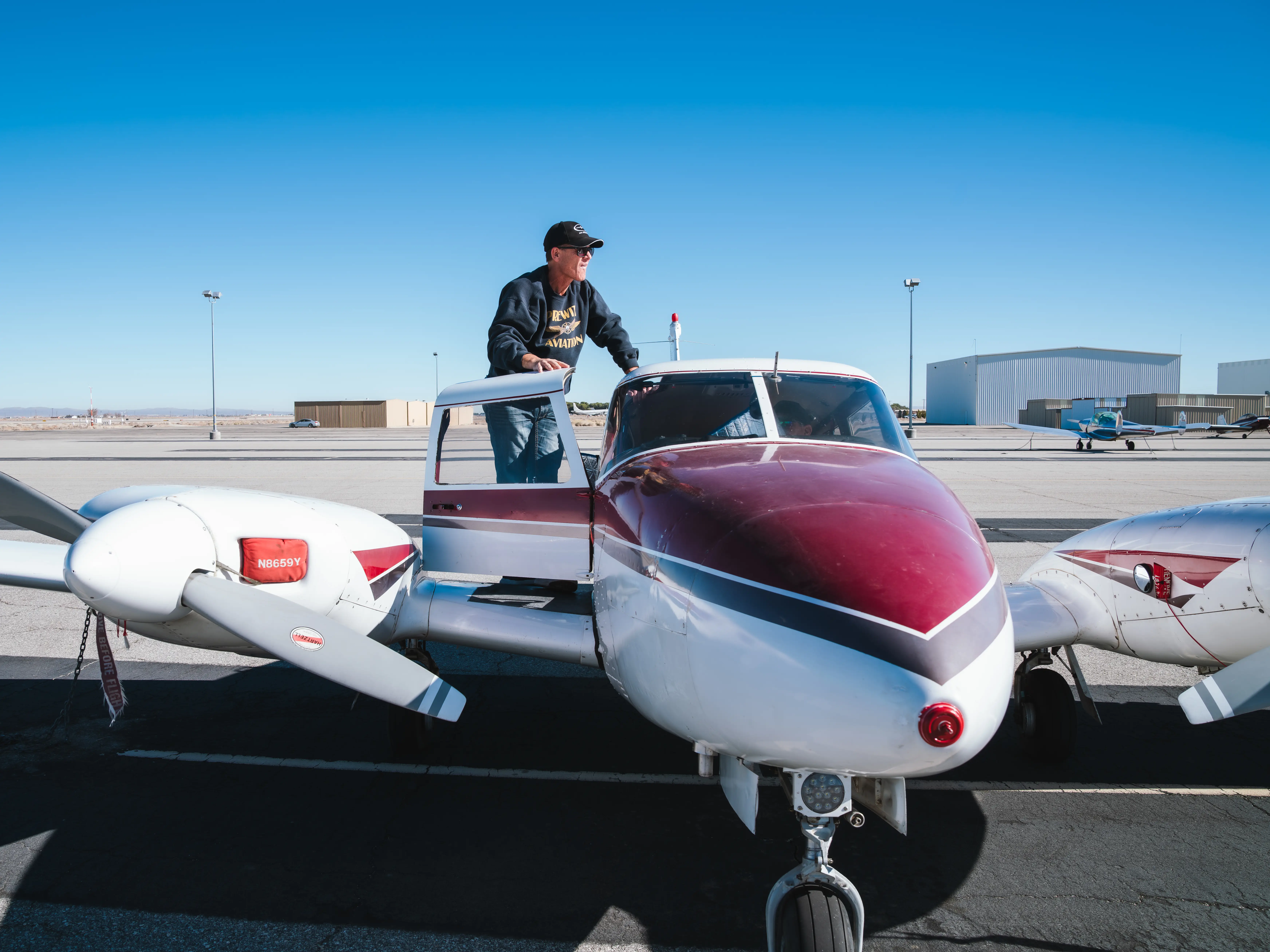
MH Aviation is an FAA Part 61 flight school. For a career-focused student, that flexibility is useful.
Part 61 training can let you build a plan around your schedule, your progress, and your budget. You still must meet FAA requirements. You still need proficiency. You still need to pass the tests. But you are not required to enroll in a college program just to begin earning pilot credentials.
That matters for two types of students we see often at Fox Field:
- High school graduates who are ready for a career path but do not want to wait four years before serious flight training begins.
- Career changers who already know they need structure, speed, and cost control more than another general education path.
Our Zero to Airlines program is designed around that reality. You move through the training sequence that supports a professional pilot career: private pilot, instrument, commercial, instructor training, hour building, and the eventual airline transition.
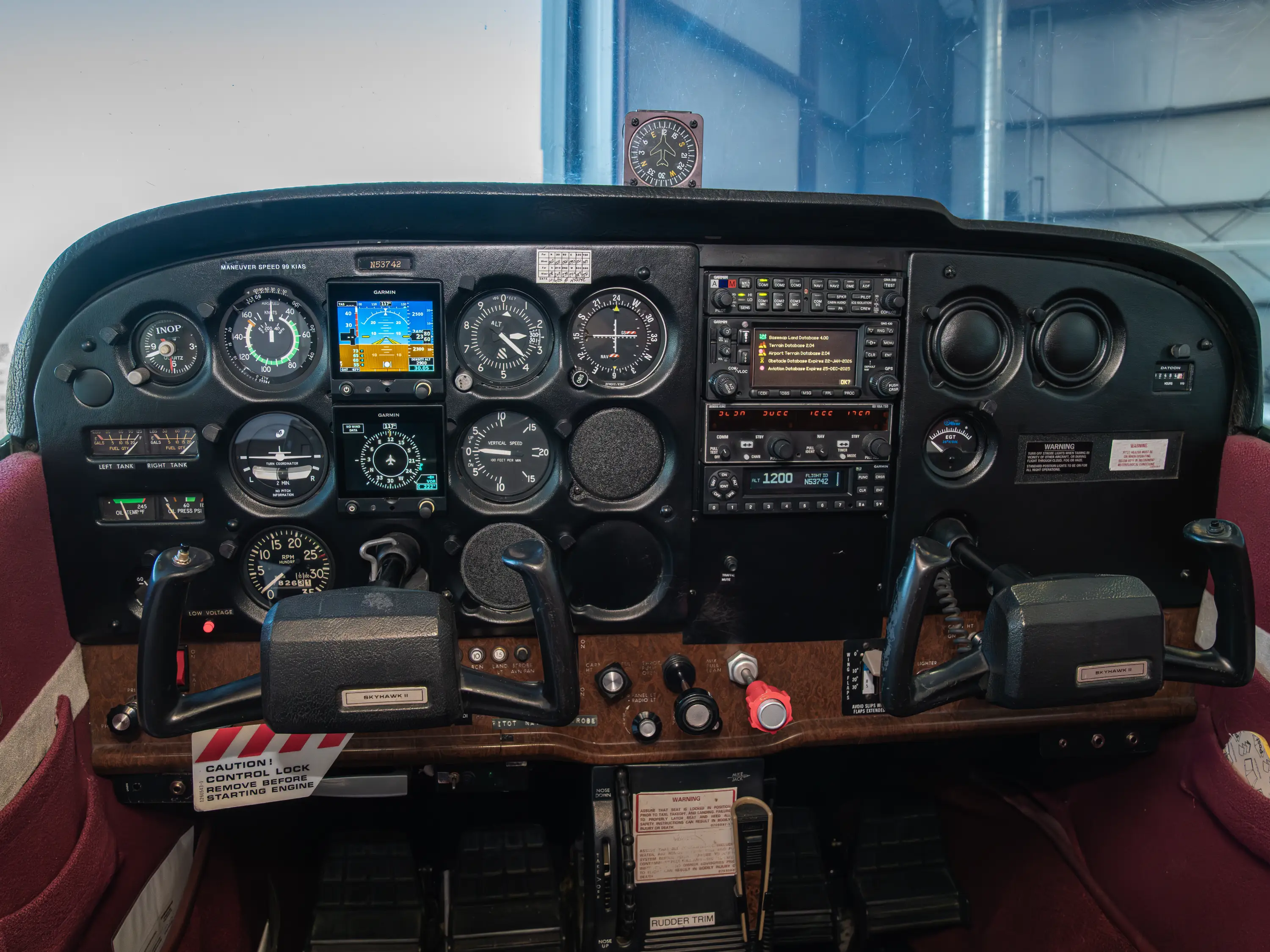
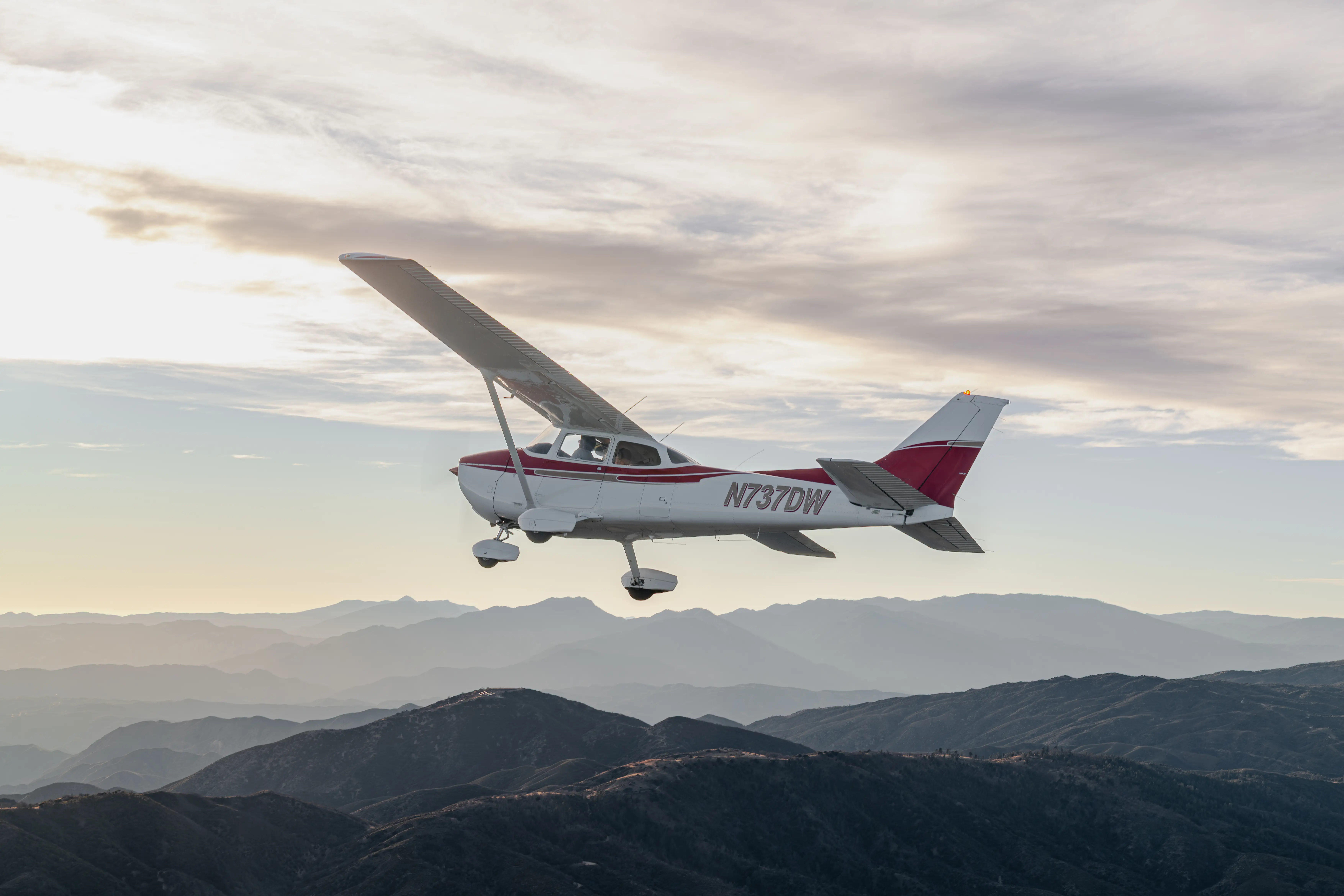
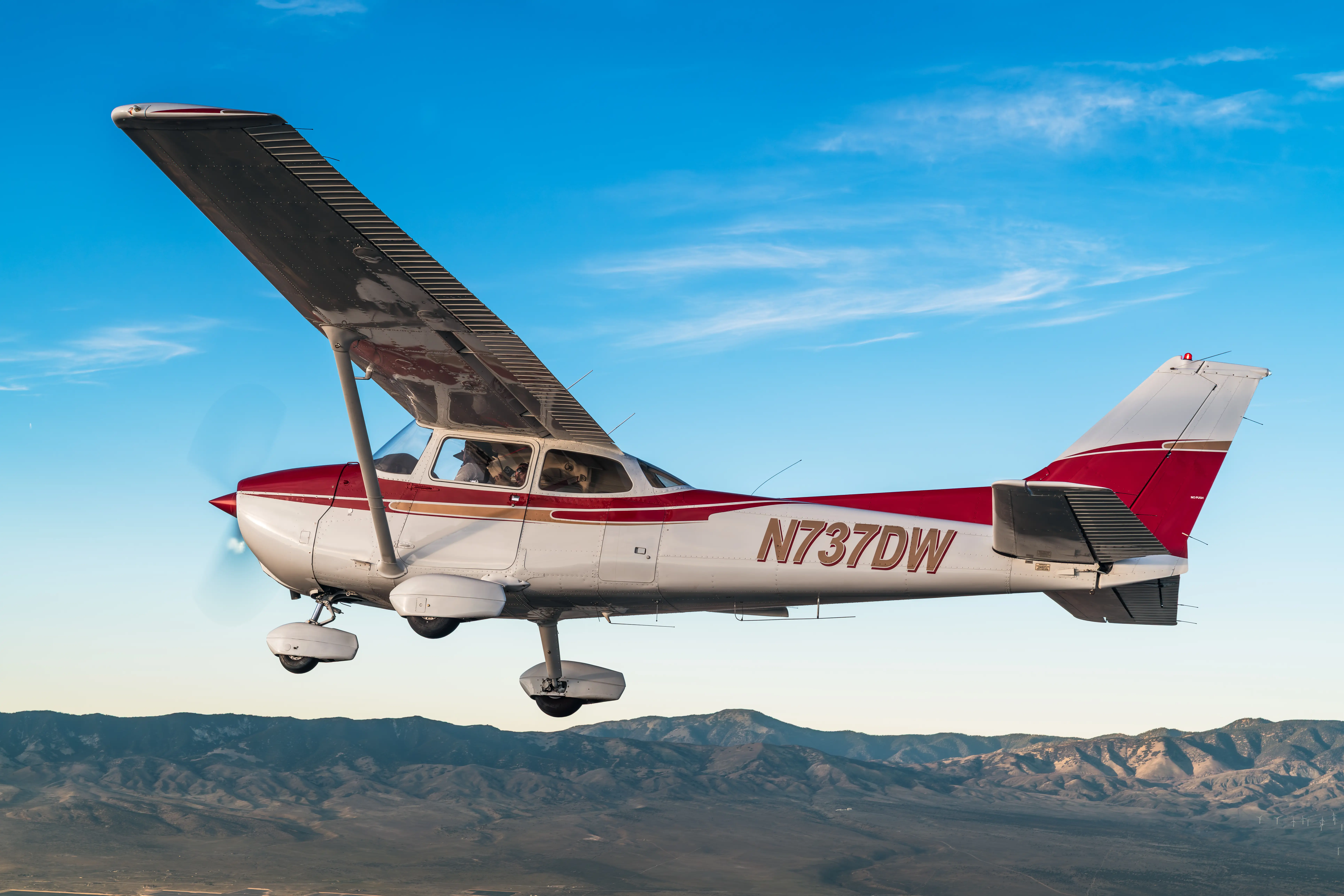
Cost still deserves a sober look. Our Cessna 172 training rate starts at $195/hr wet, with instructor fees billed separately. If financing is part of your plan, treat it as one piece of the full training budget, not as a shortcut. You should understand aircraft time, instructor time, testing, supplies, checkride fees, medical costs, and the schedule needed to keep your skills fresh.
The degree question gets attention because it feels like a gate. In daily training, the gate is consistency. You need to fly often enough to keep learning instead of paying to relearn.
Airline Hiring Looks Beyond the College Checkbox
Airlines do not all hire from one checklist, and their policies can change. Some still prefer a degree. Some give it weight when comparing similar applicants. Some care more about the quality, recency, and complexity of your flight experience.
Current major-airline examples show the shift clearly. Delta’s pilot hiring FAQ describes a four-year degree as highly preferred, not required for first officer candidates. United’s first officer posting lists a high school diploma or GED as a minimum education item and a bachelor’s degree as preferred.
That does not mean every airline treats the degree the same way. It means the degree is no longer the first wall many students think it is.
When an airline reviews a pilot, the degree is only one possible part of the file. The stronger career question is whether your record shows professional readiness:
- FAA certificates and ratings earned in the right order
- Total time, cross-country time, night time, instrument time, and multi-engine experience
- A clean and explainable training history
- Checkride outcomes and how you handled setbacks
- Medical qualification and ability to meet airline standards
- Interview preparation, communication, judgment, and crew mindset
Those are the areas a focused pilot career guide should help you build. A diploma can help in some hiring rooms, but it cannot replace weak flight experience, poor preparation, or an unclear training record.
The No-Degree Career Path Still Needs Structure
“No degree required” should never mean “no plan required.”
The students who do well on a no-degree airline path usually treat flight training like professional training from the start. They know what certificate comes next. They understand why consistency protects their budget. They build the right habits before the checkride, not after it.
Here is the practical sequence we help career-track students understand:
| Phase | Credential or Milestone | Why It Matters |
|---|---|---|
| 1 | Private Pilot Certificate | You learn aircraft control, communication, navigation, and solo decision-making. |
| 2 | Instrument Rating | You learn to fly by reference to instruments and manage weather-related risk. |
| 3 | Commercial Pilot License | You earn the certificate that allows certain paid flying work. |
| 4 | Multi-Engine Rating | You add twin-engine experience needed for many professional pilot paths. |
| 5 | Certified Flight Instructor | You can build experience while teaching, if hired and qualified. |
| 6 | Zero to Airlines hour building | You work toward the 1,500-hour ATP milestone and prepare for airline hiring standards. |
Our location at Gen. William J. Fox Airfield (KWJF) supports that structure. High Desert weather, less coastal marine-layer disruption, and our in-house Part 145 maintenance environment help students protect training rhythm. No flight school can remove every delay from aviation, but the system around your training can reduce the avoidable ones.
That is the hidden value of choosing the right school. You are not only buying hours. You are choosing the environment where those hours turn into skill.
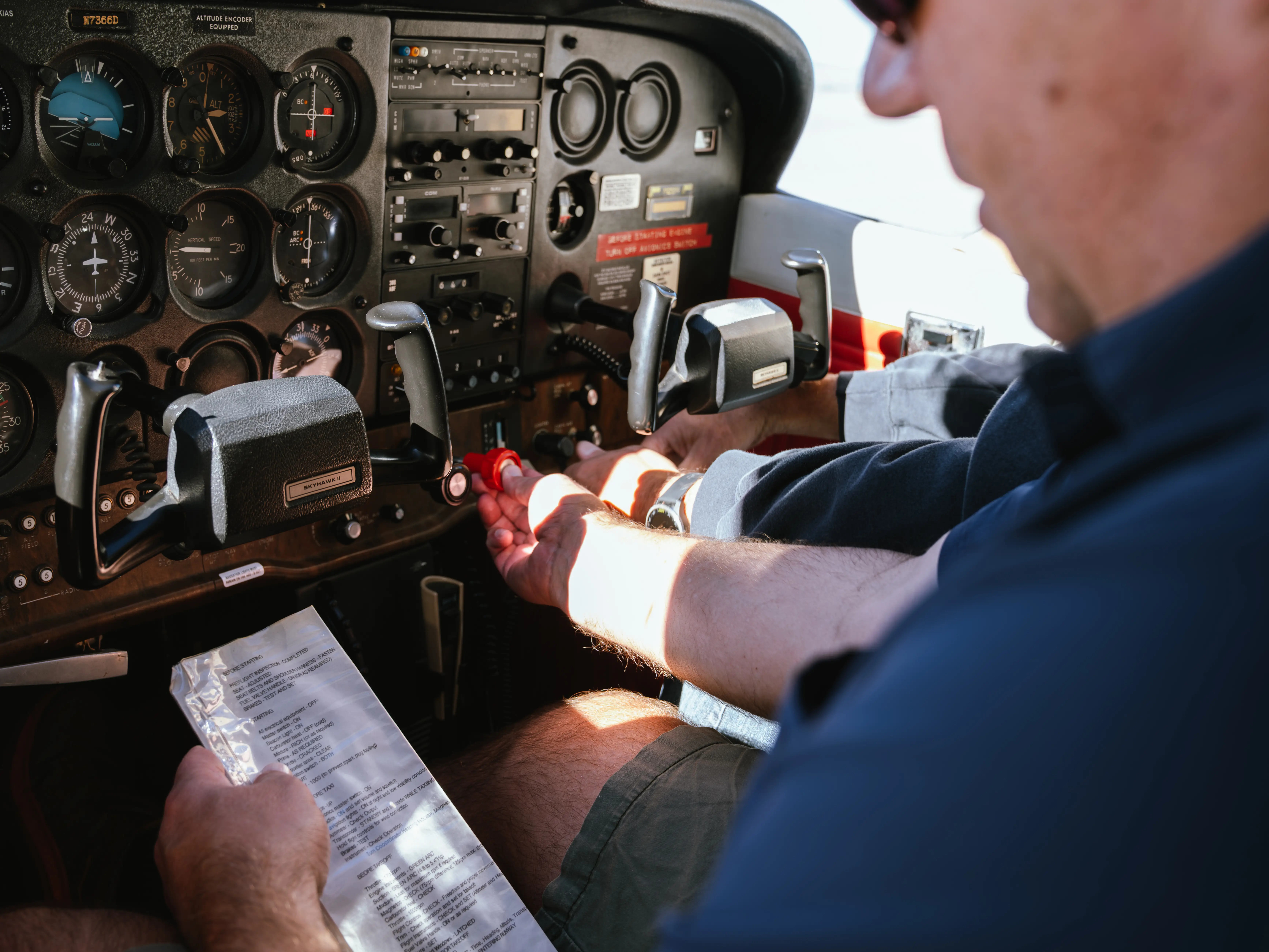
College May Still Be the Better Move in These Cases
Skipping college is not automatically the smarter choice. It is smarter only when it matches your goals, your budget, and your risk tolerance.
College may be worth serious consideration if you:
- Want a traditional campus experience before flying full time
- Want a degree as a backup credential outside aviation
- Qualify for a specific aviation program with an FAA-authorized R-ATP pathway
- Have scholarships, family support, or education benefits that change the cost equation
- Are aiming at an airline or career path where a degree is still strongly preferred
A direct flight school route may fit better if you:
- Want to begin training immediately after high school
- Are changing careers and do not want a second long academic path
- Learn best in a hands-on environment
- Want pay-as-you-go flexibility instead of a college schedule
- Are focused on building the FAA certificates and flight time first
If you are torn between those paths, use a simple test: which route helps you make measurable pilot progress in the next 90 days? Reading about aviation is useful. Planning is useful. But your career does not move until you start training, pass tests, and build time.
Our rates page and Zero to Airlines program page can help you compare the direct flight school path against a college-first plan with real numbers and a clearer training sequence.
FAQ: Becoming an Airline Pilot Without a Degree
Can you become an airline pilot without a college degree in 2026?
Yes. A four-year degree is not required by the FAA for the standard airline pilot path. You still need the right certificates, ratings, medical qualification, ATP-related training, flight experience, testing, and airline hiring approval. If you want a structured route, start with the Zero to Airlines program.
Do airlines prefer pilots with degrees?
Some do. Some airline job postings still list a bachelor’s degree as preferred or highly preferred. Treat that as a hiring preference, not the same as an FAA requirement. Your flight time, certificates, checkride history, experience quality, and interview performance still matter.
Is college worth it if I want to be an airline pilot?
It can be worth it if you want the degree, qualify for an R-ATP pathway, or need a backup career credential. It may be less useful if your main goal is to start flying now and build toward the standard 1,500-hour route through a Part 61 flight school.
What is the fastest path if I skip college?
The practical path is consistent training through private pilot, instrument, commercial, multi-engine, and flight instructor credentials, followed by hour building. Your timeline depends on schedule, proficiency, weather, aircraft availability, checkride timing, and budget. Our career roadmap guide explains the larger sequence.
Does Part 61 mean lower quality than Part 141?
No. Part 61 and Part 141 are different training frameworks. Part 141 schools use FAA-approved courses and more formal structure. Part 61 can offer more scheduling and pacing flexibility. The better choice depends on your goal, learning style, budget, and how often you can fly.
What should I do before choosing college or flight school?
Compare the full path. Look at tuition, aircraft rates, instructor rates, testing fees, checkride costs, financing terms, schedule, location, maintenance support, and how quickly you can begin. Then talk with a school that can help you build a realistic training plan at Fox Field (KWJF).
Start With the Flight Plan, Not the Diploma
If your goal is the airlines, the diploma question is only one part of the decision.
The bigger question is whether you are ready to start building a pilot record: lessons flown, standards met, checkrides passed, hours logged, and habits formed. A degree can still help some pilots, but it is not the only way forward.
At MH Aviation, we help career-focused students choose the path with their eyes open. If you want to bypass the four-year delay and begin training toward the airline track, start with the program built for that decision.