Is General Aviation Safe? A 2026 Guide for New Pilots
Published by
Jessica Haney
Published on
Updated on
Read time
6 min read
If a recent aviation accident in the news has you second-guessing whether learning to fly is actually safe, that reaction makes sense. It is natural to see a headline about a crash and wonder what that means for your own plans. Before you let that fear make the decision for you, it helps to understand what actually happens inside FAA-regulated flight training, because it looks nothing like what usually makes the news.
Most Headlines Aren’t About Flight Training
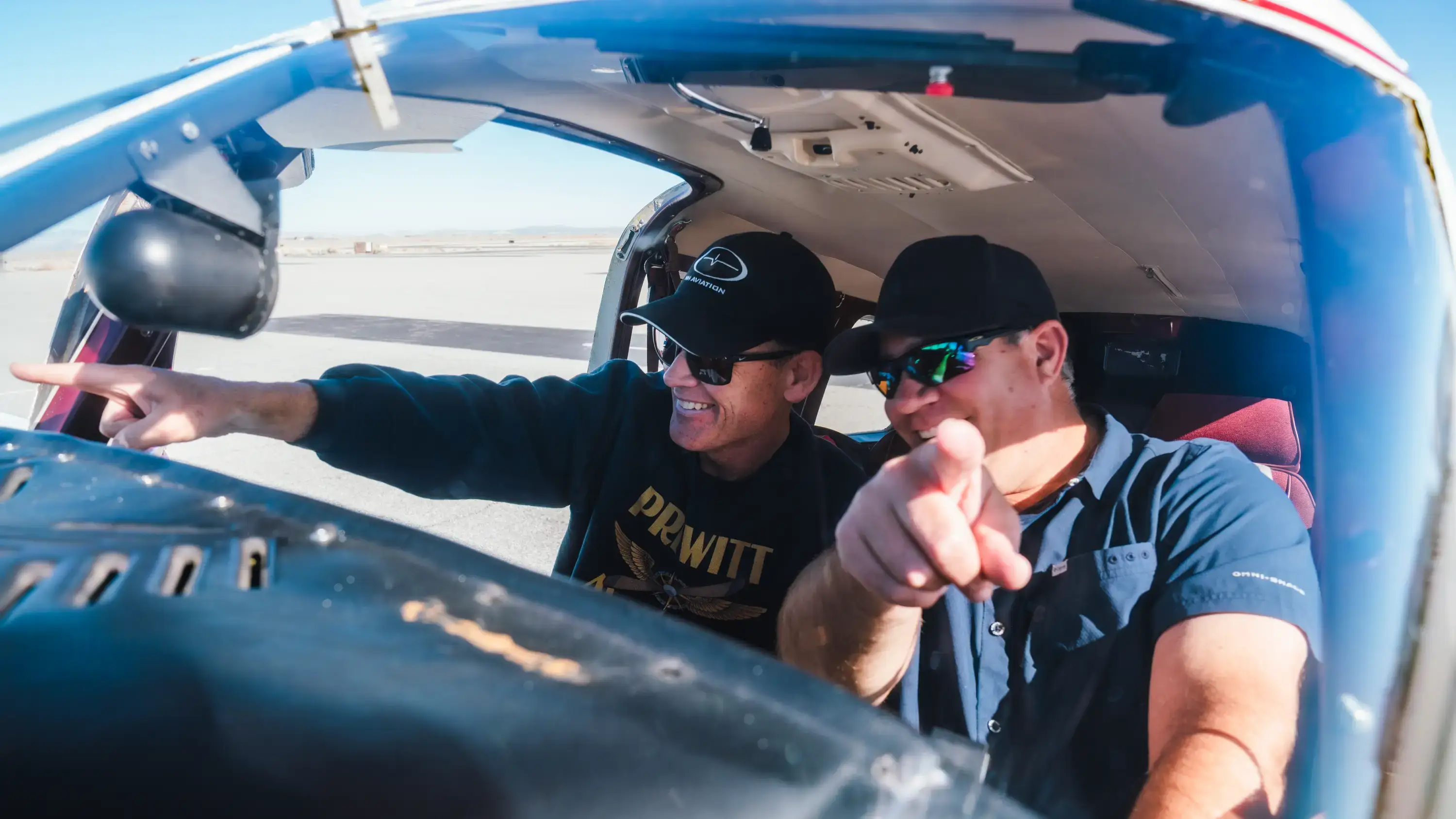
When an aviation accident makes the news, it is easy to assume it says something about learning to fly in general. In reality, most of the incidents that generate national or local headlines involve military, experimental, charter, or other operations that look nothing like a certificated flight school lesson. Student and instructional flying is one of the most closely supervised segments of aviation: every flight follows a standardized curriculum, a certificated instructor is present until you are cleared to solo, and every maneuver is briefed and practiced deliberately. That structure is exactly why training flights do not resemble the kind of incident that ends up on the evening news.
What Actually Keeps a Training Flight Safe
Instead of guessing at statistics, it helps to look at the specific mechanisms that make instructional flying different:
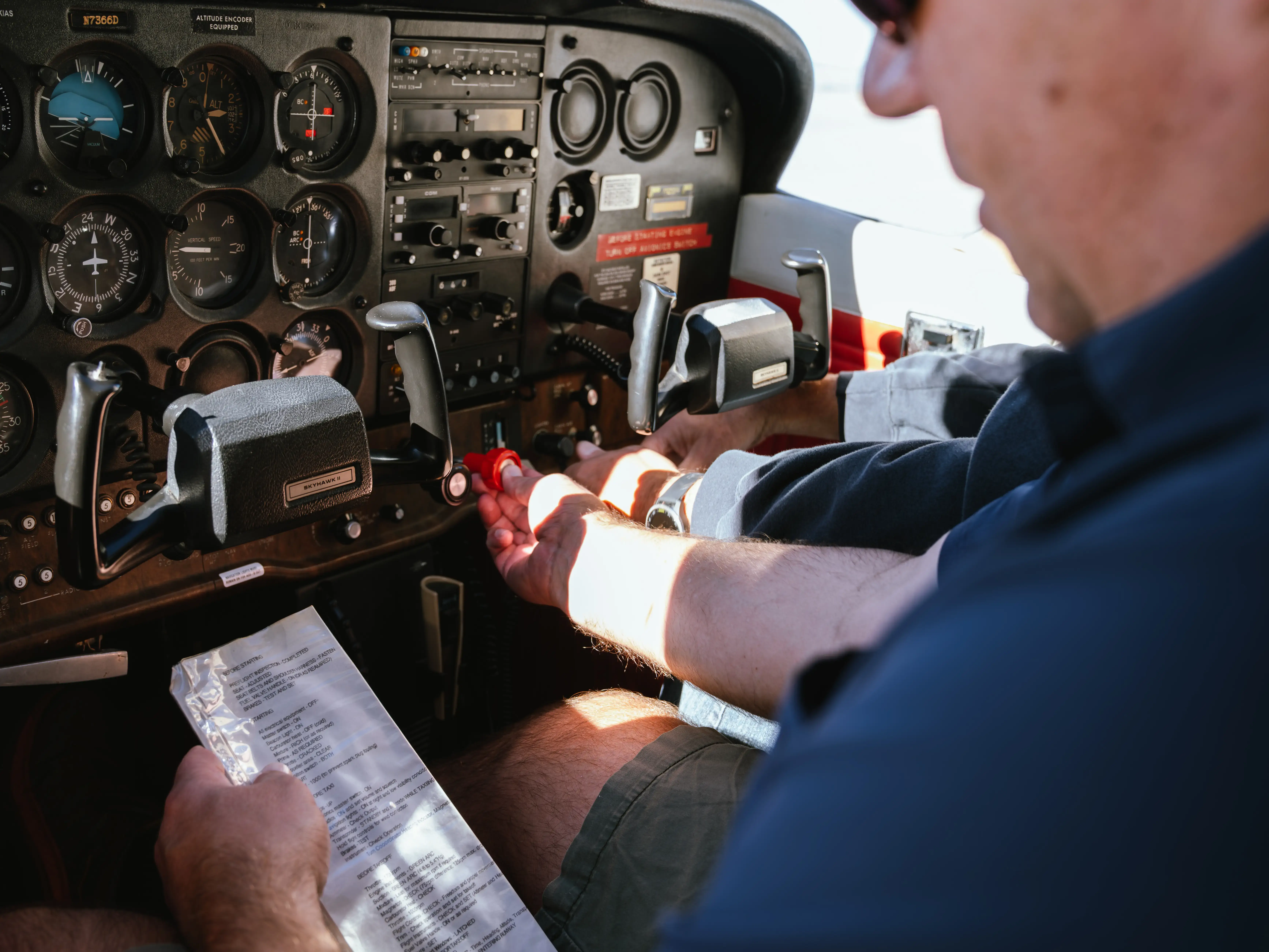
- A certificated instructor is with you for every flight until you solo, coaching real-time decisions, not just demonstrating maneuvers.
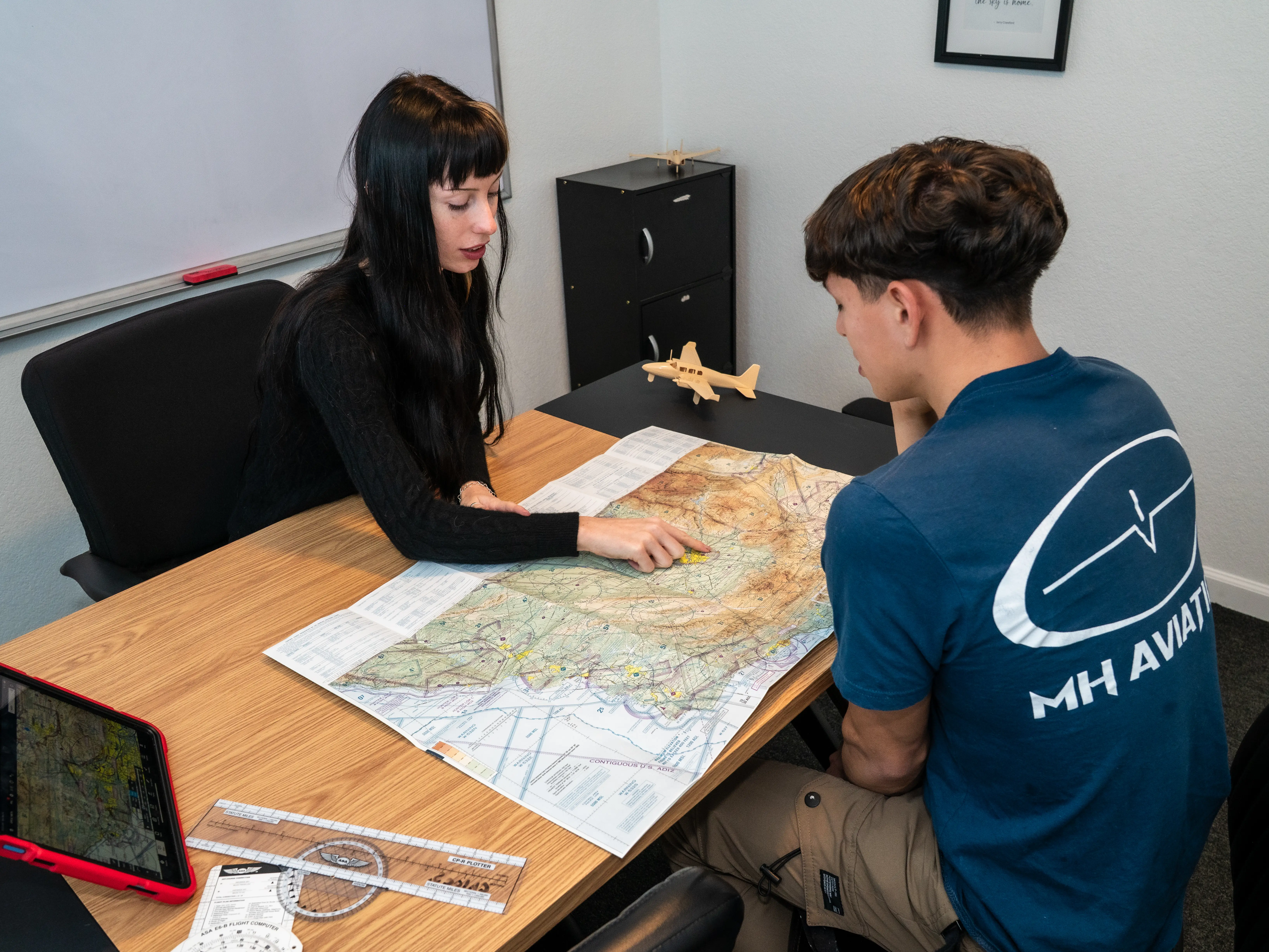
- A standardized curriculum under FAA Part 61 means risk management is taught alongside stick-and-rudder skills from lesson one, not introduced later.
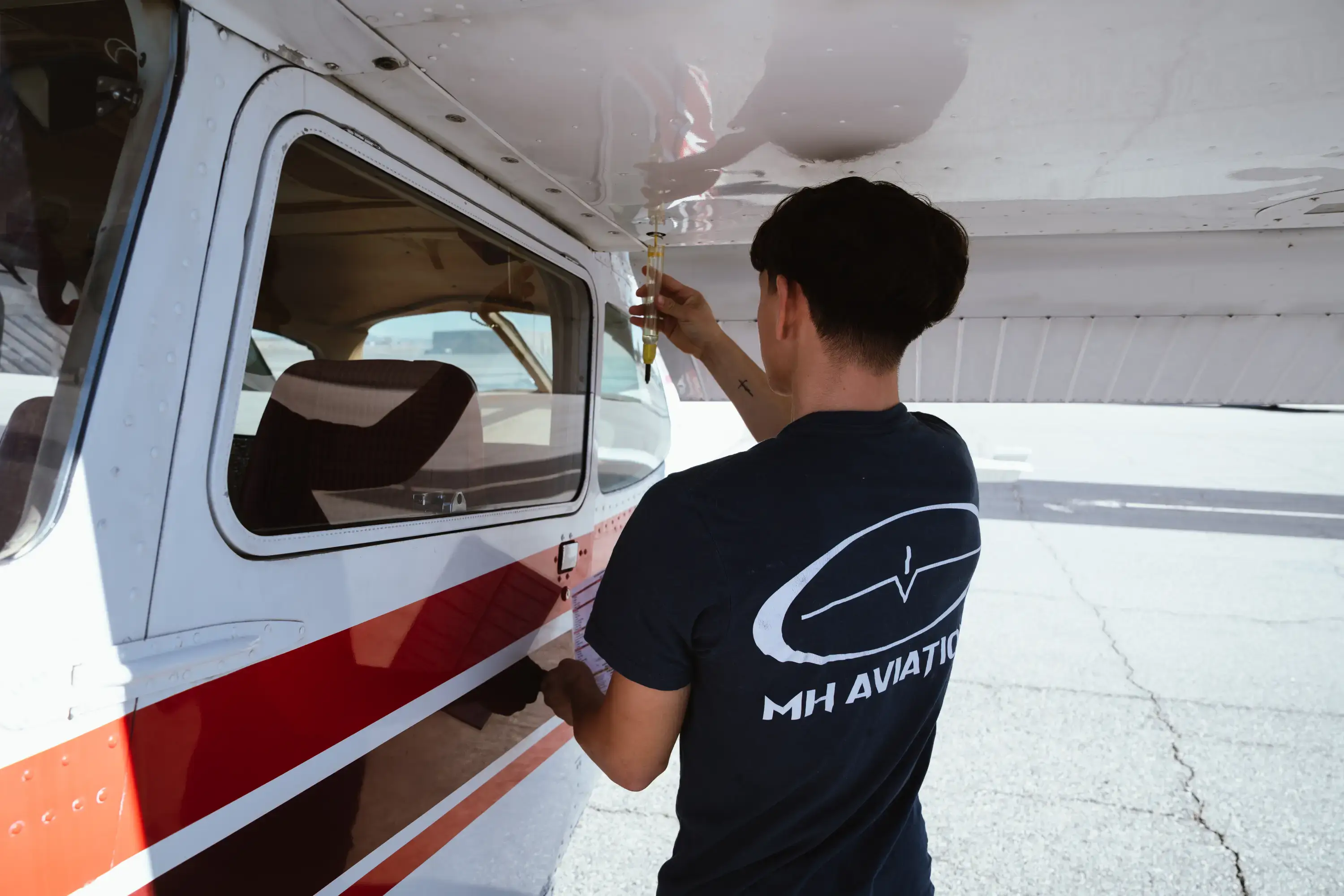
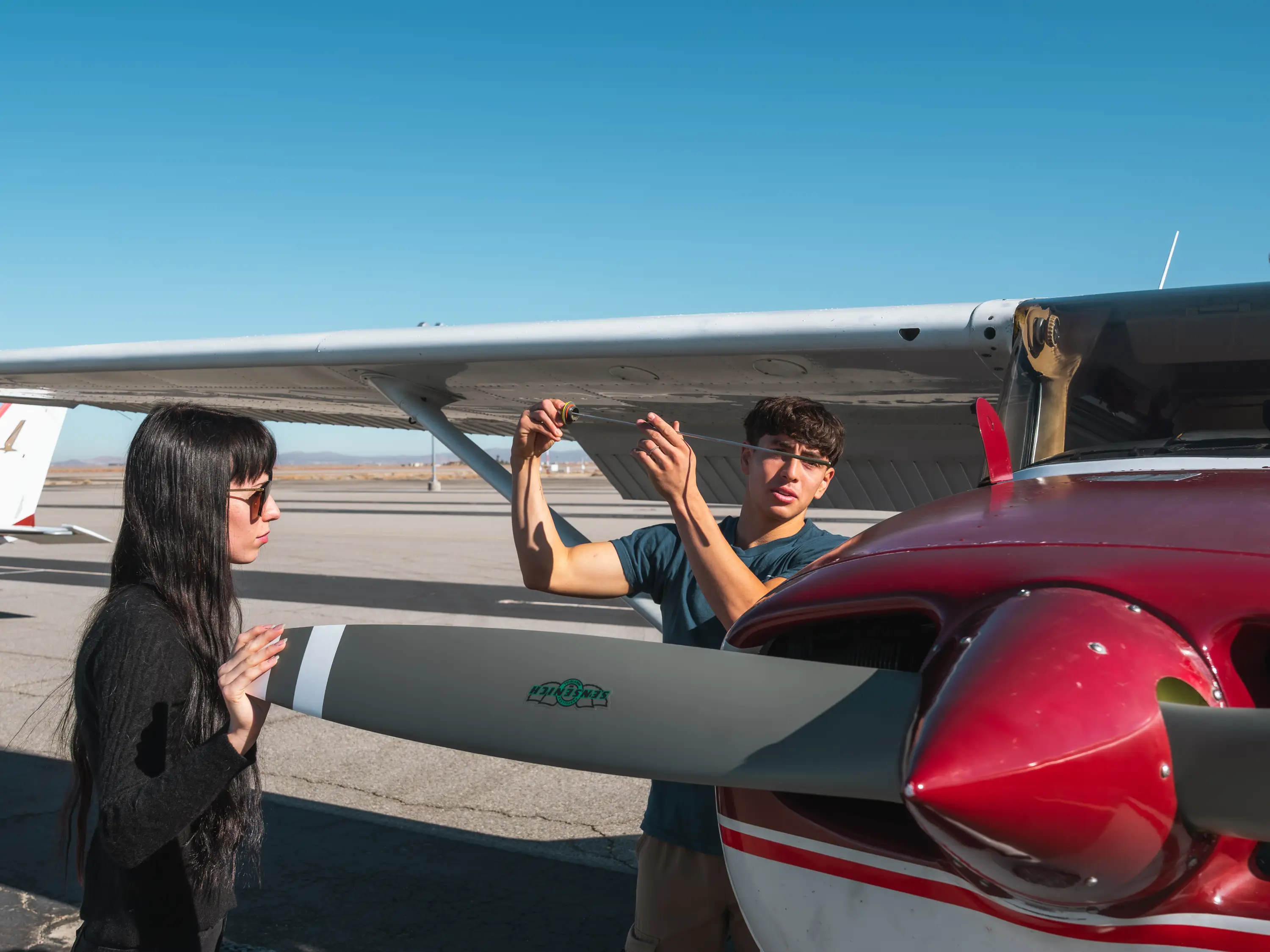
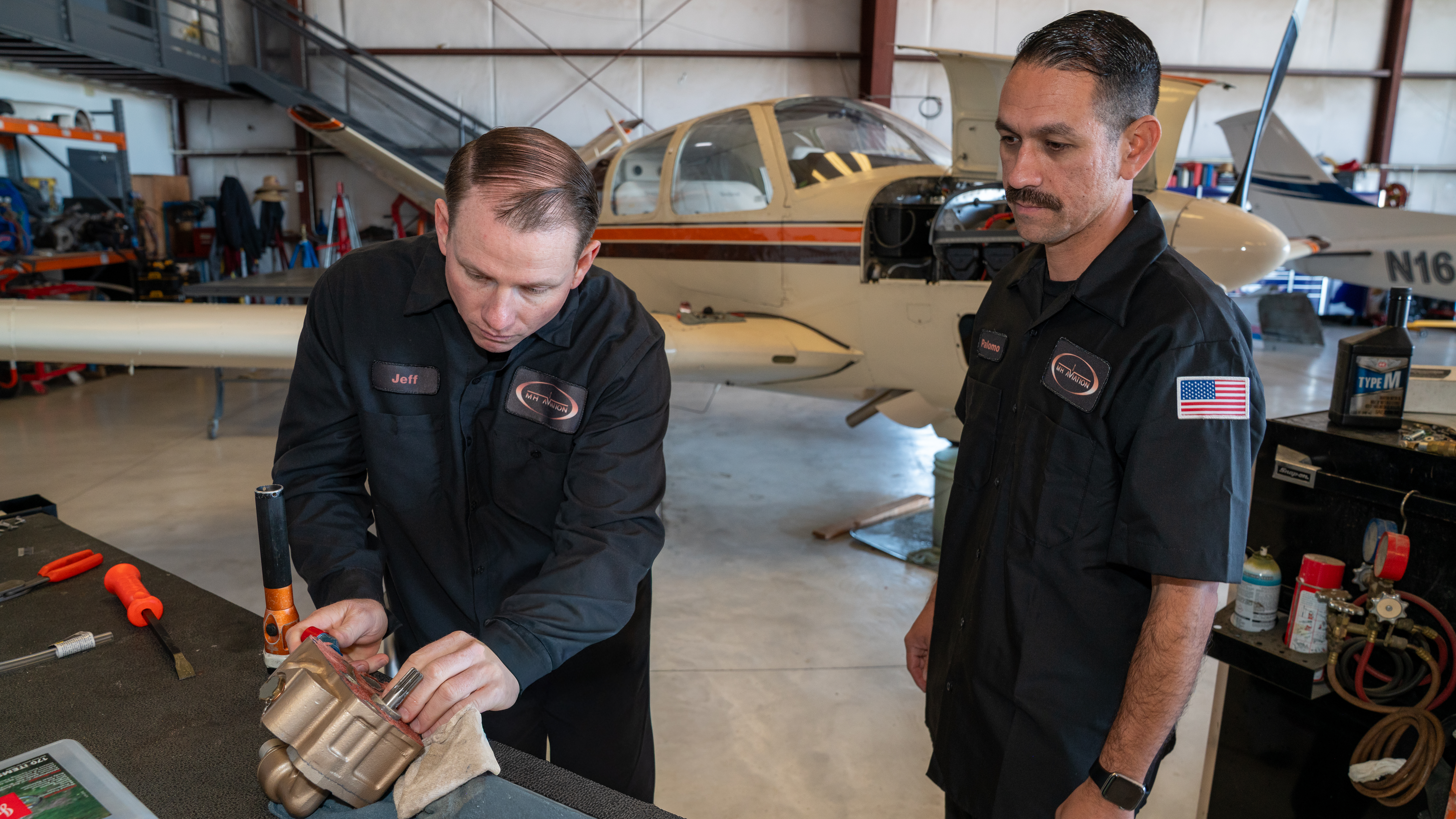
- A documented maintenance program keeps the aircraft you fly in inspected on a schedule far more frequent than a personally owned airplane.
- Weather and go/no-go decisions are made deliberately, with a trained second set of eyes in the cockpit.

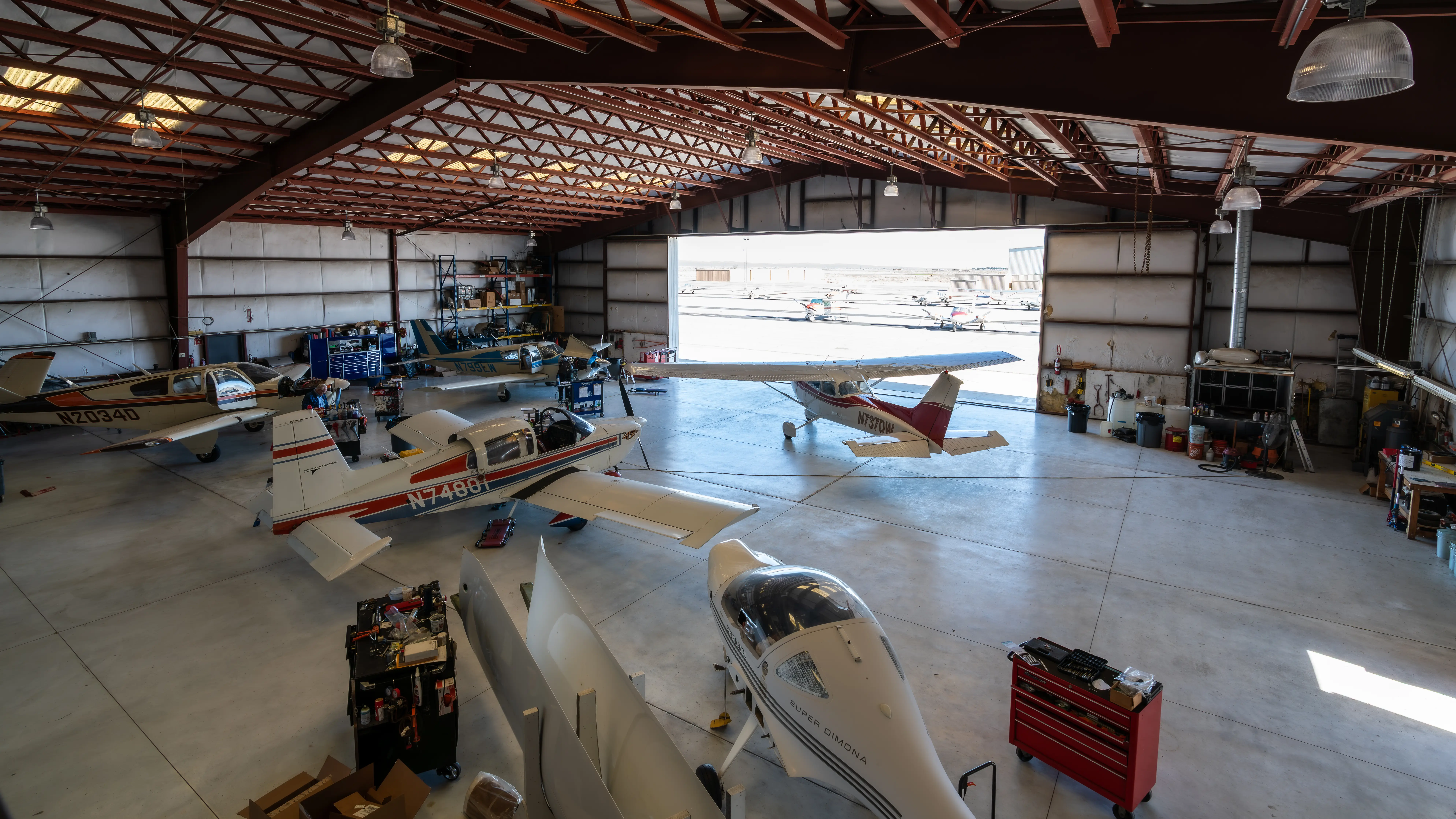
At MH Aviation, that last point is built into our structure: we are also an FAA Part 145 Repair Station, so the same team that trains you also maintains the aircraft you train in, with Annual, 50-hour, and 100-hour inspections handled in-house. You can see how that works in more detail on our aviation safety standards page.
Where Fear Turns Into Useful Questions
A little apprehension is a good sign, not a bad one. It usually means you are about to ask the right questions instead of skipping them: who is teaching me, how is the aircraft maintained, and what happens if the weather is questionable on lesson day. Those are exactly the questions a flight school should be able to answer clearly. If you want a broader look at official aviation safety oversight, the FAA Safety Team (FAASTeam) is a useful starting point for understanding how the FAA approaches safety education across all of general aviation.
Put Your Energy Into the Safety Conversation, Not a Financing One
MH Aviation does not offer third-party financing, so instead of a financing conversation, the safety conversation is where you should spend your time: ask about instructor standardization, maintenance schedules, and how a school handles a marginal weather day. Programs like our Private Pilot Certificate and Instrument Rating are both built around that same structured, supervised approach, whether you are flying your first lesson or preparing for a checkride. Our companion guide on how we build a safety-first culture for student pilots and our aviation safety FAQ both go deeper into exactly what that structure looks like.
Frequently Asked Questions
Does one aviation accident in the news mean flight schools are unsafe?
No. Most headline aviation accidents involve operations very different from FAA-regulated instructional flying, which follows a standardized curriculum with a certificated instructor present for every lesson.
How is a student pilot protected from making a dangerous mistake?
A certificated instructor is with you for every flight until you are cleared to solo, and lessons are structured so new skills build on ones you have already demonstrated safely.
What should I ask a flight school if I’m nervous about safety?
Ask how the aircraft are maintained, how instructors are trained and standardized, and how weather-related go/no-go decisions are made. A school that answers clearly is one worth training with.
Is general aviation regulated the same way as the airlines?
General aviation and instructional flying are regulated by the FAA under a different set of rules than airline operations, but both are subject to FAA oversight, inspection requirements, and certification standards.
Does MH Aviation’s in-house maintenance change how safety works day to day?
Yes. Because MH Aviation operates its own FAA Part 145 Repair Station, the aircraft used for training are inspected and maintained by the same team, rather than depending on an outside shop’s schedule.
Talk Through Your Concerns With Our Team
If recent news has you weighing whether flight training is right for you, the fastest way to get real answers is a conversation, not another headline. Contact our team to talk through exactly how instruction, maintenance, and safety work together at MH Aviation before you make your decision.