Cheapest Way to Become a Pilot: 2026 Step-by-Step Guide
Published by
Jessica Haney
Published on
Updated on
Read time
9 min read
The cheapest way to become a pilot in 2026 is not always the flight school with the lowest posted hourly rate.
That sounds strange until you look at how flight training is billed. You pay for aircraft time. You pay for instructor time. You may also pay for review flights when too much time passes between lessons. So the real question is not, “Who has the cheapest airplane?” It is, “Which school helps you turn paid hours into real progress?”
At MH Aviation in Lancaster, California, we keep the math clear. Our Cessna 172 wet rate starts at $195/hr, compared with a regional average around $205/hr for similar training aircraft. But the bigger savings come from consistency: training at Fox Field (KWJF) with High Desert weather, open scheduling, and in-house maintenance support.
If you are comparing cheap flight schools in California, start here: the lowest advertised hourly rate can still become expensive if you lose time to fog, airport congestion, aircraft downtime, or long gaps between lessons.
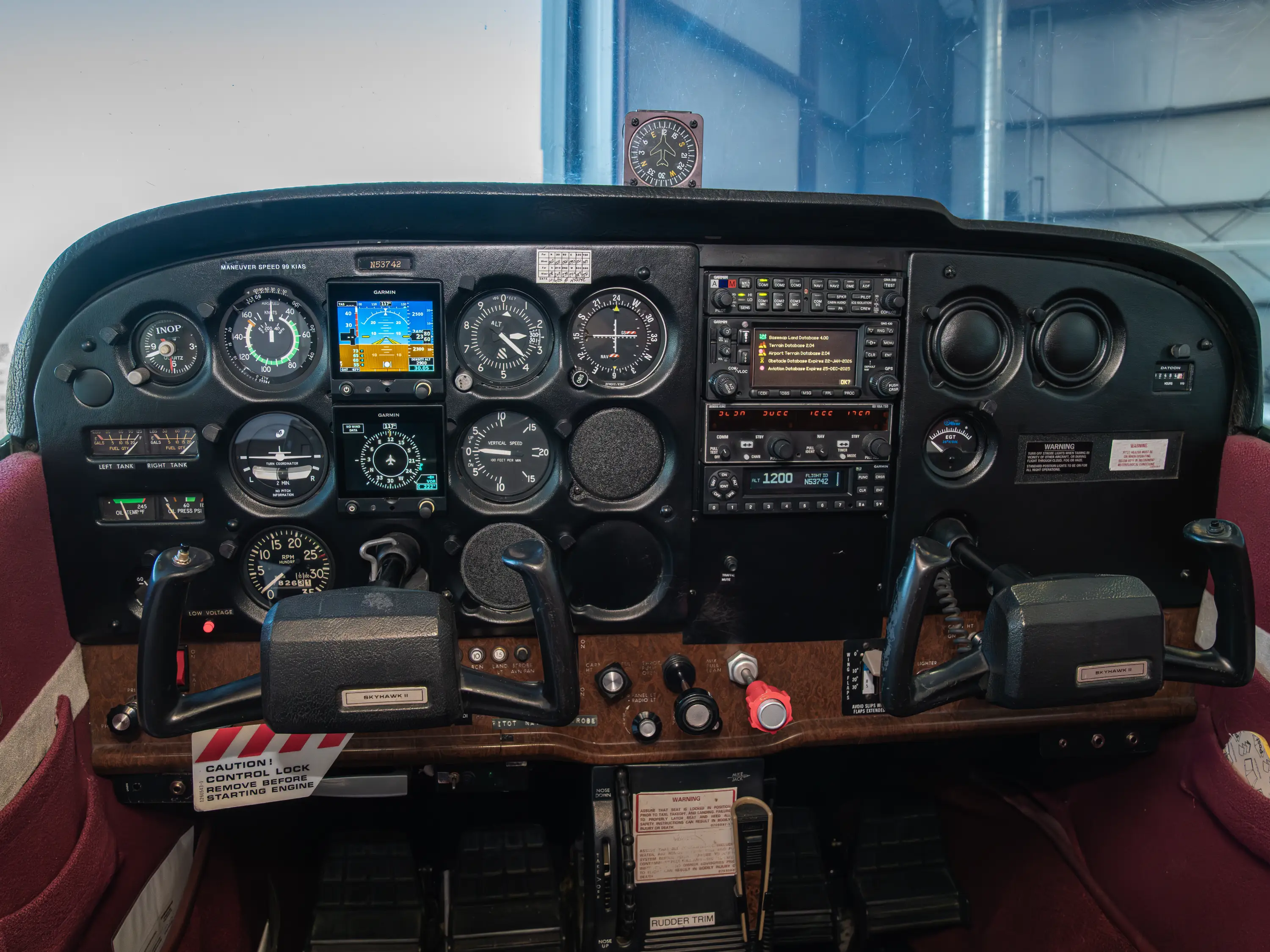
The Cheapest Path Starts With Fewer Wasted Hours
The FAA minimum for a Private Pilot Certificate is 40 flight hours. That is the legal floor, not a promise that every student will finish there. The FAA explains the 40-hour minimum in its pilot certificate requirements, and FAA guidance breaks down the required training and solo time.
In real life, most students need more than the minimum. AOPA notes that many private pilot students finish closer to 50-80 hours, depending on consistency, preparation, weather, and training rhythm.
That extra time is where the cost grows.
Here is the simple math:
| Training Scenario | Aircraft Rate | Instructor Rate | Dual Training Cost |
|---|---|---|---|
| 40 dual-style hours example | $195/hr | $75/hr | $10,800 |
| 60 dual-style hours example | $195/hr | $75/hr | $16,200 |
| Difference | $5,400 |
This is only an example, because every training plan includes a mix of dual instruction, solo time, ground time, supplies, testing fees, and checkride costs. Still, the lesson is clear: 20 extra dual hours can add about $5,400 before you even count outside fees.
That is why the cheapest way to get a private pilot license in 2026 is to reduce the hours you waste, not just chase the lowest hourly advertisement. Our flight training cost guide for Lancaster, CA gives the fuller cost breakdown if you want to see how the pieces fit together.
A Low Hourly Rate Helps, But Only If You Can Actually Fly
Hourly rate still matters. It is one of the biggest line items in your budget.
At MH Aviation, our single-engine Cessna 172 wet rate starts at $195/hr. “Wet” means fuel is included in the aircraft rate, which helps make your budget easier to understand. Our private pilot instructor rate is $75/hr.
That gives you a practical advantage over schools charging closer to the regional average of $205/hr for similar aircraft. Over 40 aircraft hours, the aircraft-rate difference alone is:
| Rate Comparison | 40 Aircraft Hours | 60 Aircraft Hours |
|---|---|---|
| MH Aviation Cessna 172 at $195/hr wet | $7,800 | $11,700 |
| Regional average around $205/hr | $8,200 | $12,300 |
| Aircraft-rate difference | $400 | $600 |
That matters. But it is only part of the answer.
If a cheaper school has long taxi delays, crowded airspace, limited aircraft availability, or frequent cancellations, you may pay less per hour while needing more hours. A cheap hourly rate at the wrong airport can become a more expensive certificate.
That is why our rates page focuses on competitive pricing and the training conditions that protect your budget: transparent wet rates, open scheduling, and maintenance support that keeps aircraft moving.
Fox Field Helps You Keep Your Training Rhythm
Flight training rewards repetition. If you fly twice a week, your skills stay fresh. If you fly once every three weeks, each lesson can start with review.
That is where location becomes a cost factor.
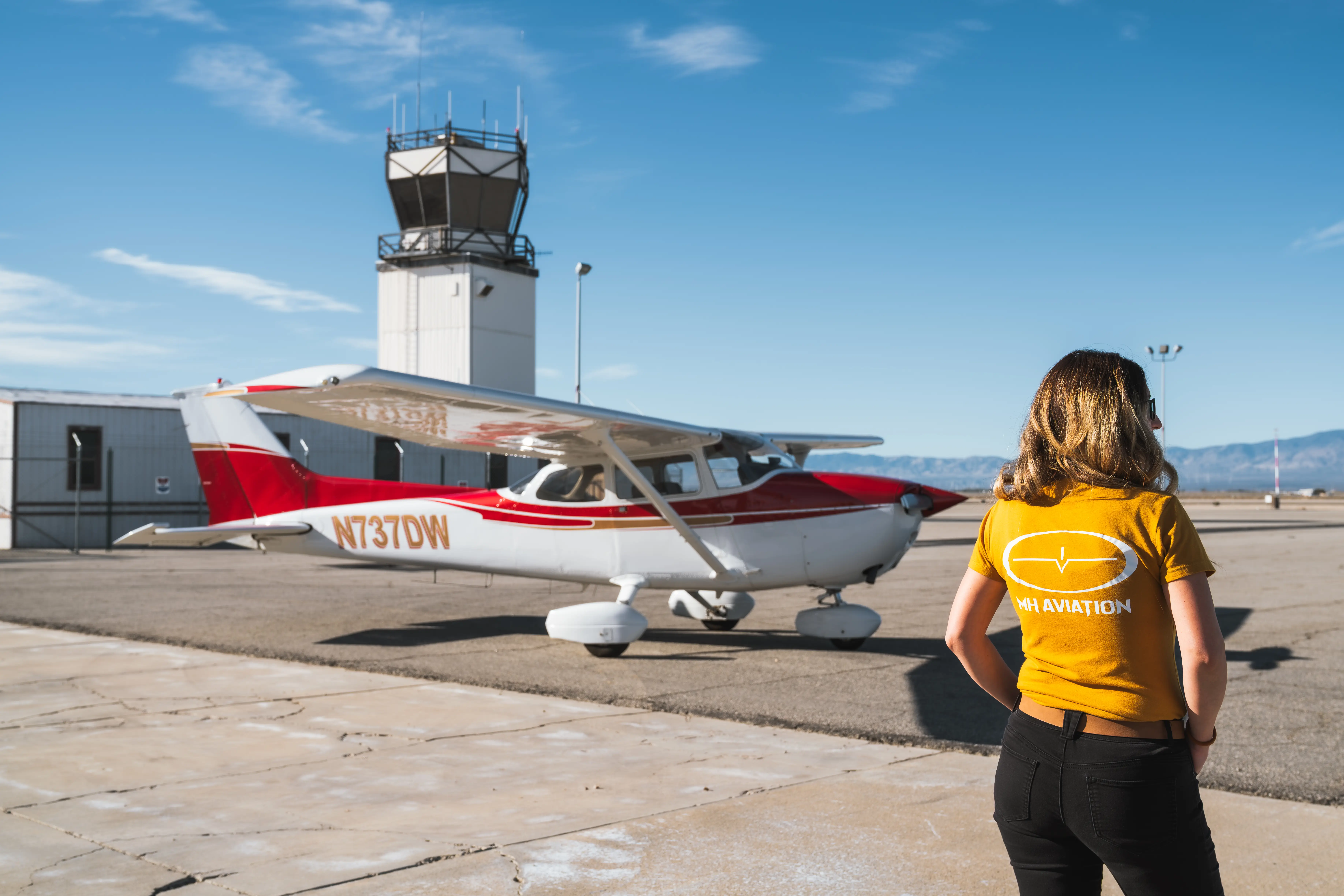
MH Aviation trains at Gen. William J. Fox Airfield (KWJF) in Lancaster. Our High Desert location helps students avoid many of the coastal marine-layer delays that affect LA Basin airports. With 300+ flyable days per year, you have more chances to keep flying instead of waiting for weather to clear.
This is not just a comfort issue. It is a money issue.
When weather cancels a lesson, you lose momentum. When momentum fades, proficiency takes longer. When proficiency takes longer, the bill grows. Training at Fox Field gives you a better shot at staying consistent from pre-solo work through checkride prep.
You also avoid some of the airport congestion that can turn paid aircraft time into waiting time. Less time sitting and more time training is one of the quiet ways students save money.
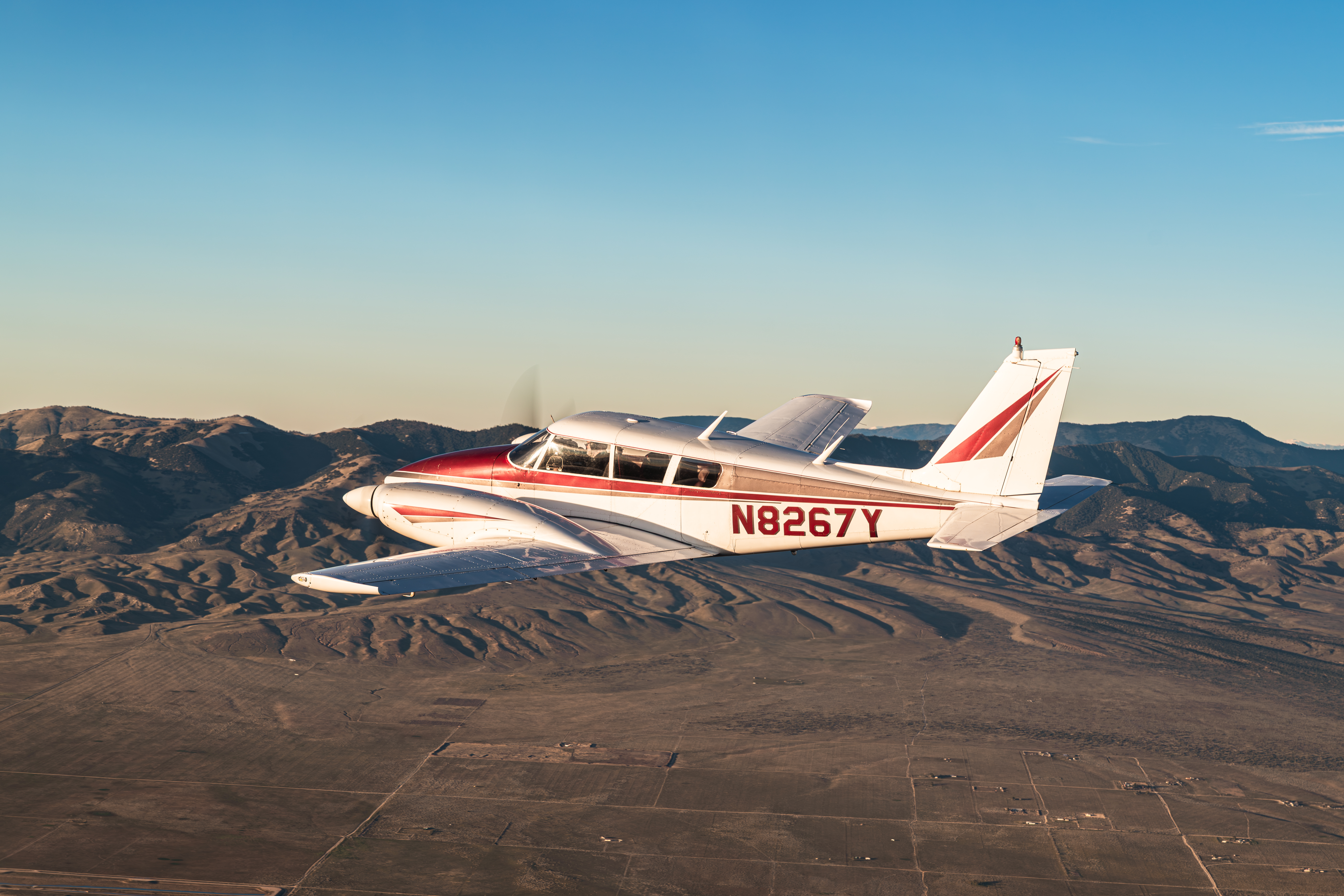
Pay-As-You-Go Keeps You In Control
Large upfront packages can feel simple at first. But if you are new to aviation, you may not yet know your schedule, pace, learning style, or certificate path.
Our pay-as-you-go model gives you more control. You can start training, learn your rhythm, and build a budget around real progress instead of locking yourself into a large package before you understand the process.
That flexibility is especially useful if you are comparing cheap flight schools while also managing work, school, family, or a career change. You can still train seriously. You just do not have to surrender control of your budget on day one.
For students who want a longer professional path, we can also help you think beyond the private pilot certificate. The lowest-cost decision for your PPL may not be the lowest-cost decision for your full path to Instrument Rating, Commercial Pilot License, Multi-Engine Rating, or Zero to Airline. A clear roadmap helps you avoid paying twice for poor planning.
Financing may still be part of your decision, especially if you are trying to train faster. The key is to compare the financing terms, the school schedule, and the aircraft availability together. A loan does not fix a slow training environment.
Maintenance Delays Are Cost Delays
Most new students think about aircraft maintenance as a safety topic. It is. But it is also a cost topic.
If your training aircraft goes down and the school depends on outside-shop availability, your schedule can stall. A stalled schedule can mean more review flights later. That is how a mechanical delay becomes a training-cost problem.
MH Aviation operates an in-house FAA Part 145 Repair Station at Fox Field. Our maintenance background goes back to 1988, and that maintenance culture is part of how we run the flight school today. When aircraft need attention, our team is not waiting on a distant outside shop to begin the conversation.
No flight school can promise an aircraft will never need maintenance. That would be the wrong way to talk about aviation. The better question is: what system is in place when maintenance needs happen?
Our answer is simple. Training, maintenance, facilities, and aircraft support live in the same aviation ecosystem. That helps protect your schedule, and your schedule protects your budget. You can learn more about that operating model on our about page.
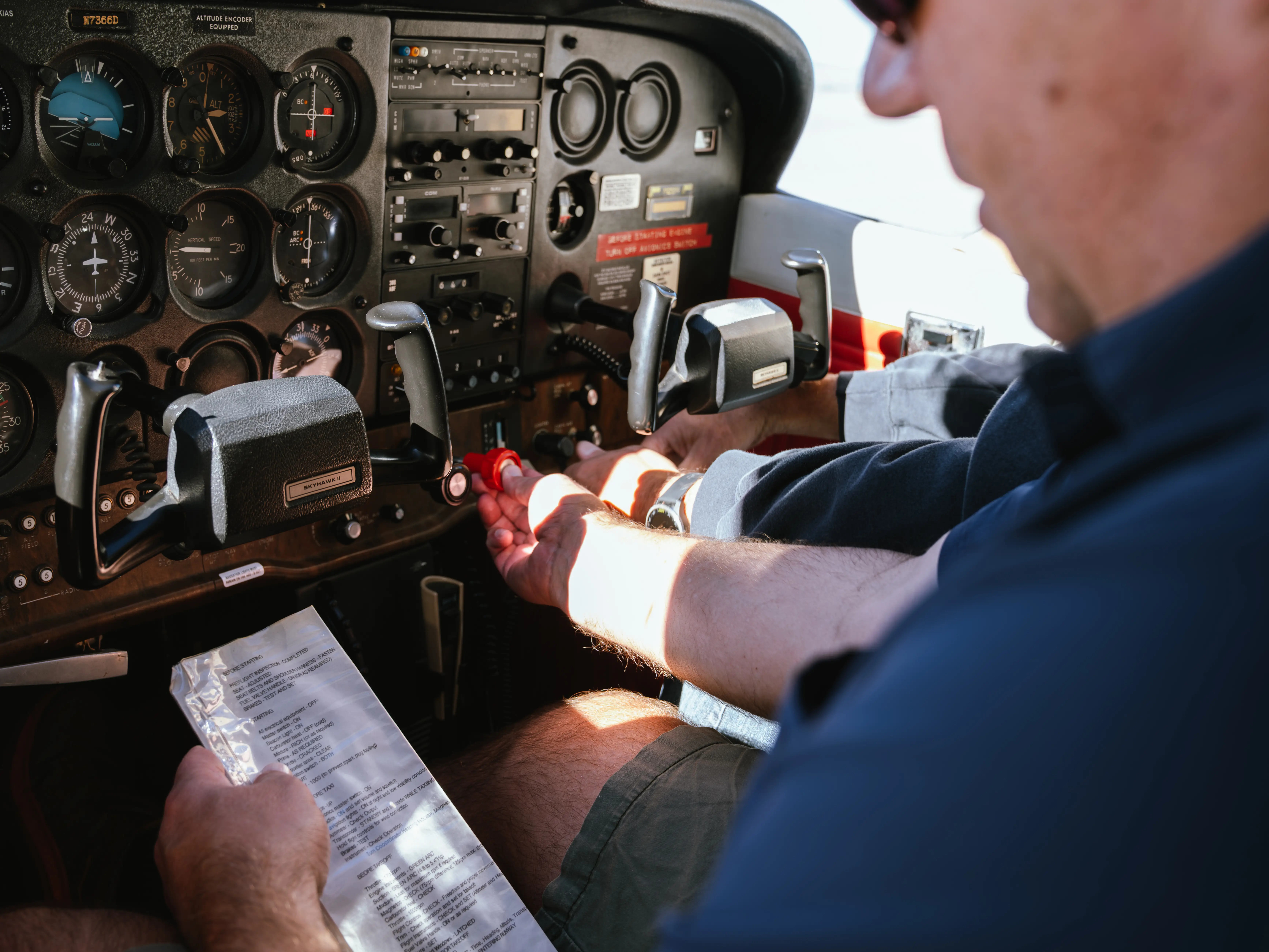
What to Compare Before Choosing a Cheap Flight School
If you are searching for the cheapest flight school in California, use a better checklist than hourly rate alone.
Ask these questions before you choose:
- What is the aircraft wet rate? If fuel is not included, your real number may be higher than the posted rate.
- What is the instructor rate? Aircraft cost and instructor cost both matter.
- How many days can you realistically fly? Weather, aircraft availability, and your schedule decide your pace.
- How long is the taxi to the practice area? Paid time should be useful training time.
- How often do students have to repeat lessons after gaps? Consistency protects proficiency.
- How does the school handle maintenance? Aircraft downtime can become budget drift.
- Do you have to buy a large package upfront? Pay-as-you-go can reduce financial pressure while you learn your pace.
- Will the school build a full-path plan? If you want a career, your PPL is only step one.
That checklist helps you compare schools fairly. A school with a lower aircraft rate but poor availability may cost more in the end. A school with a slightly higher rate but better consistency may save you money. At MH Aviation, we aim to give you both: competitive wet rates and a training environment built for progress.
If you are new to flying, our new student guide is a useful next step before you compare programs.
The Most Budget-Friendly Training Plan for 2026
The cheapest practical path is simple, but it requires discipline:
- Start with a discovery flight so you know this is the right goal before you spend heavily.
- Get your FAA medical and student pilot certificate moving early so paperwork does not slow your solo path.
- Study between lessons so cockpit time is used for flying, not relearning basics.
- Fly consistently when weather, aircraft, and your schedule allow.
- Train at an airport where paid time becomes useful time instead of delay time.
- Avoid long breaks unless you are ready to pay for review.
- Use a clear budget plan that includes aircraft, instructor, ground school, supplies, written exam, medical, and checkride fees.
This is not glamorous advice. It is what works.
If your goal is the Private Pilot Certificate, the first win is consistency. If your goal is a professional path, the first win is building your private pilot training in a way that supports the ratings after it.
FAQ: Saving Money on Flight Training in 2026
What is the cheapest way to become a pilot in 2026?
The cheapest way is to train consistently at a school with transparent rates, reliable aircraft availability, and a practical airport environment. A low hourly rate helps, but your final cost depends on how many hours you need to reach proficiency. Start with our current rate overview and compare total training conditions, not just the posted aircraft price.
What is the cheapest way to get a private pilot license in 2026?
Choose a school where you can fly often, avoid unnecessary delays, and pay as you go. At MH Aviation, our Cessna 172 wet rate starts at $195/hr, and our High Desert location at Fox Field helps students avoid many weather delays that can stretch training. Your actual completion time depends on proficiency, preparation, and schedule.
Are cheap flight schools always cheaper?
No. Some schools advertise a low hourly rate but train from congested or weather-limited airports. If you pay for extra taxi time, repeated lessons, or long scheduling gaps, the cheaper posted rate may not produce the cheaper certificate. Compare total efficiency before you choose a flight training program.
How much can consistency save during flight training?
It depends on your training mix, but the math is easy to see. At $195/hr for the aircraft and $75/hr for PPL instructor time, 20 extra dual hours can add about $5,400. Even avoiding part of that review time can keep thousands in your budget.
Does MH Aviation require a large upfront package?
No. Our pay-as-you-go flexibility helps you stay in control while you learn your training rhythm. Contact us through the enrollment page when you are ready to build a plan around your schedule and budget.
Build a Cheaper Path by Training Smarter
The lowest-cost path to becoming a pilot is not about cutting corners. It is about cutting waste.
You need safe aircraft. You need consistent instruction. You need enough flight time to become proficient. And you need a school that helps your paid hours count.
At MH Aviation, our job is to help you make a clear plan: competitive wet rates, High Desert training weather, pay-as-you-go control, and in-house maintenance support at Fox Field. If you are comparing flight schools for 2026, start with the numbers that actually change your final cost.
Contact MH Aviation to review current rates and build your flight training budget.