Is Becoming a Pilot Worth It in 2026? Cost vs. ROI

Published by
Jessica Haney
Published on
Updated on
Read time
9 min read
Flight training is a real investment, and it’s fair to ask whether it pays off. The honest answer comes down to two numbers: how much you spend getting to your ratings, and how quickly you start earning once you have them. At MH Aviation in Lancaster, CA, both sides of that equation work in your favor: lower training costs going in, and a faster path to a paycheck coming out.
Is Becoming a Pilot Worth It? The Honest Answer
For most students planning a professional career, yes — but “worth it” depends on controlling the two things that actually drive cost: your hourly rate and how many extra hours you end up paying for because of delays. We won’t tell you training pays for itself on a fixed timeline, because that depends on your own pace, the job market, and your career stage. What we can tell you is exactly what drives the bill, and how we keep that bill lower than most alternatives.
For the full pay picture once you’re rated, see our breakdown of how much pilots actually make, from CFI to captain.
What Flight Training Actually Costs at MH Aviation
Here’s what each certificate runs at Fox Field, using our current wet rates (fuel included):
| Certificate | Aircraft Rate | Instructor Fee | Where to Start |
|---|---|---|---|
| Private Pilot Certificate | $170/hr | $75/hr | ~40 FAA minimum hours |
| Instrument Rating | $170/hr | $80/hr | ~50 FAA minimum hours |
| Multi-Engine Rating | $295/hr | $90/hr | ~10 FAA minimum hours |
| Commercial Pilot License | $170/hr | $80/hr | Contact us for a quote |
We break down the full cost math, hour by hour, in our flight training cost guide for Lancaster, CA. The short version: our single-engine wet rate is $170/hr, compared to a regional average around $205/hr, and our multi-engine rate is $295/hr against roughly $395/hr in the LA area. That gap compounds over hundreds of training hours.
We don’t currently offer in-house financing. Instead, our lower rates mean you need less capital to get through training in the first place, and our pay-as-you-go rates page lets you see exactly what you’re committing to before you start.
Delays Drive Your Real Training Cost, Not the Sticker Price
Most students who overspend on flight training don’t overspend on the hourly rate. They overspend because training stalls: a broken aircraft, a scheduling backlog, or weeks of grounded weather that force them to relearn maneuvers they’d already mastered. Every restart costs real money.
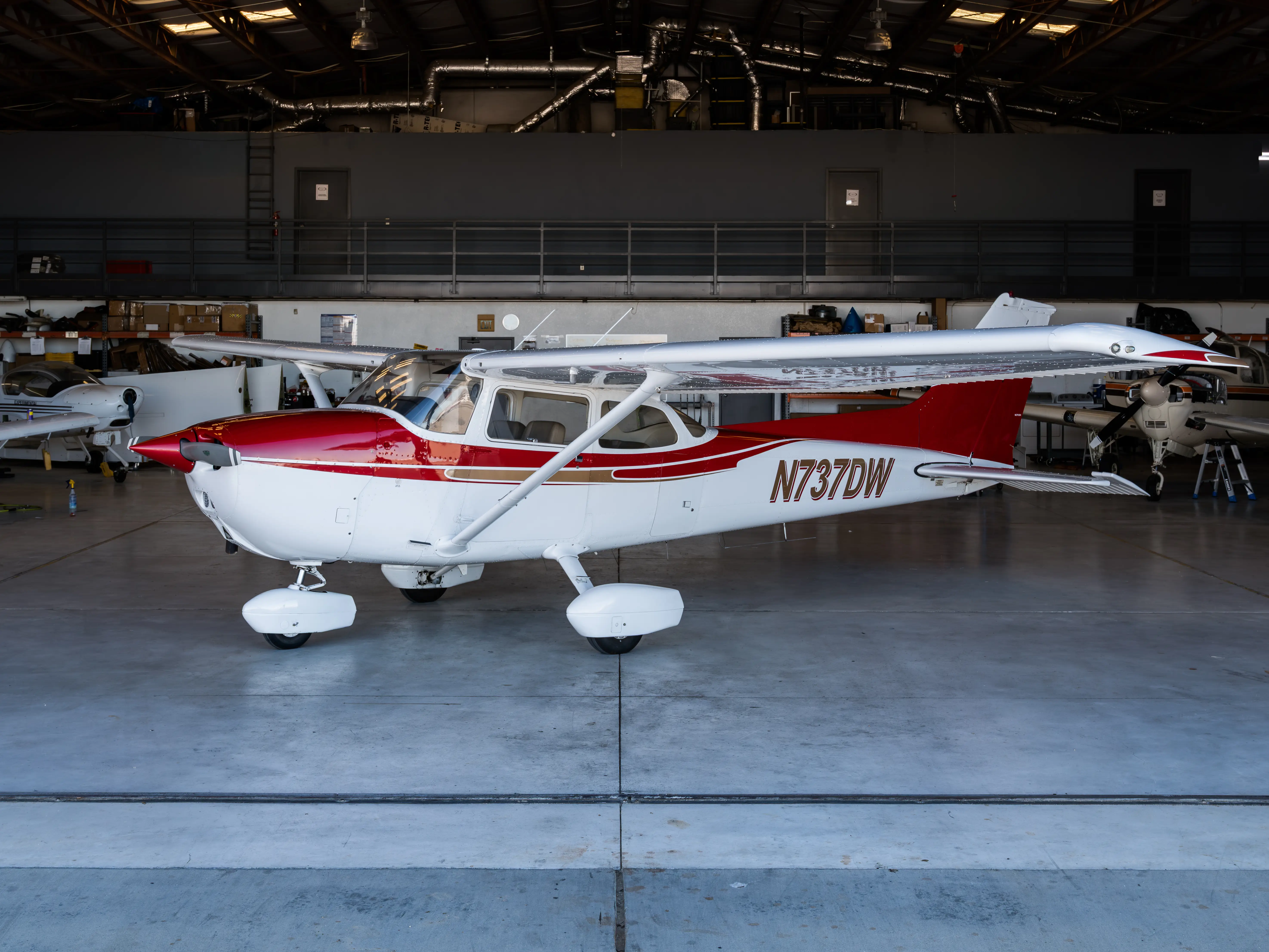
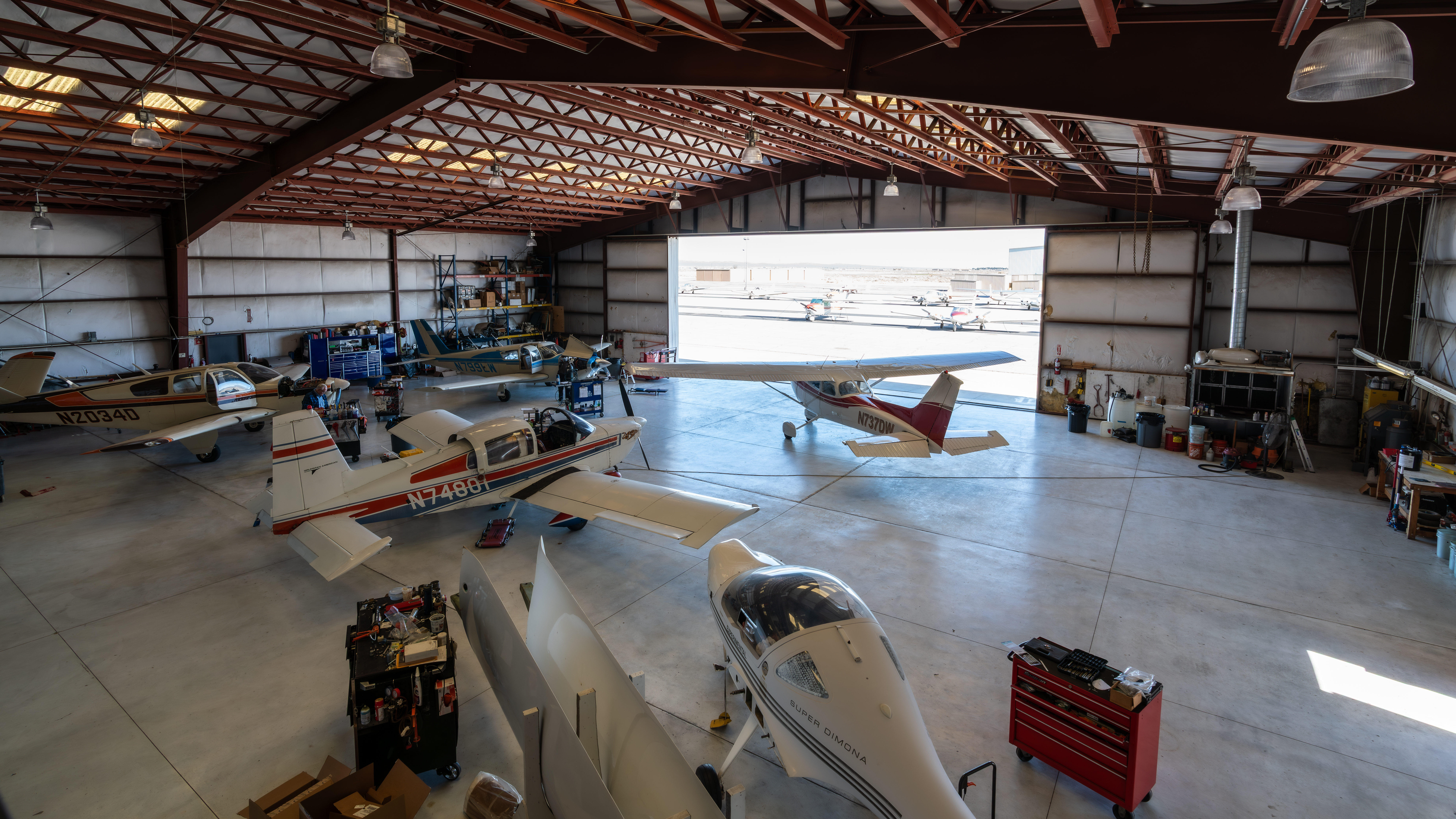
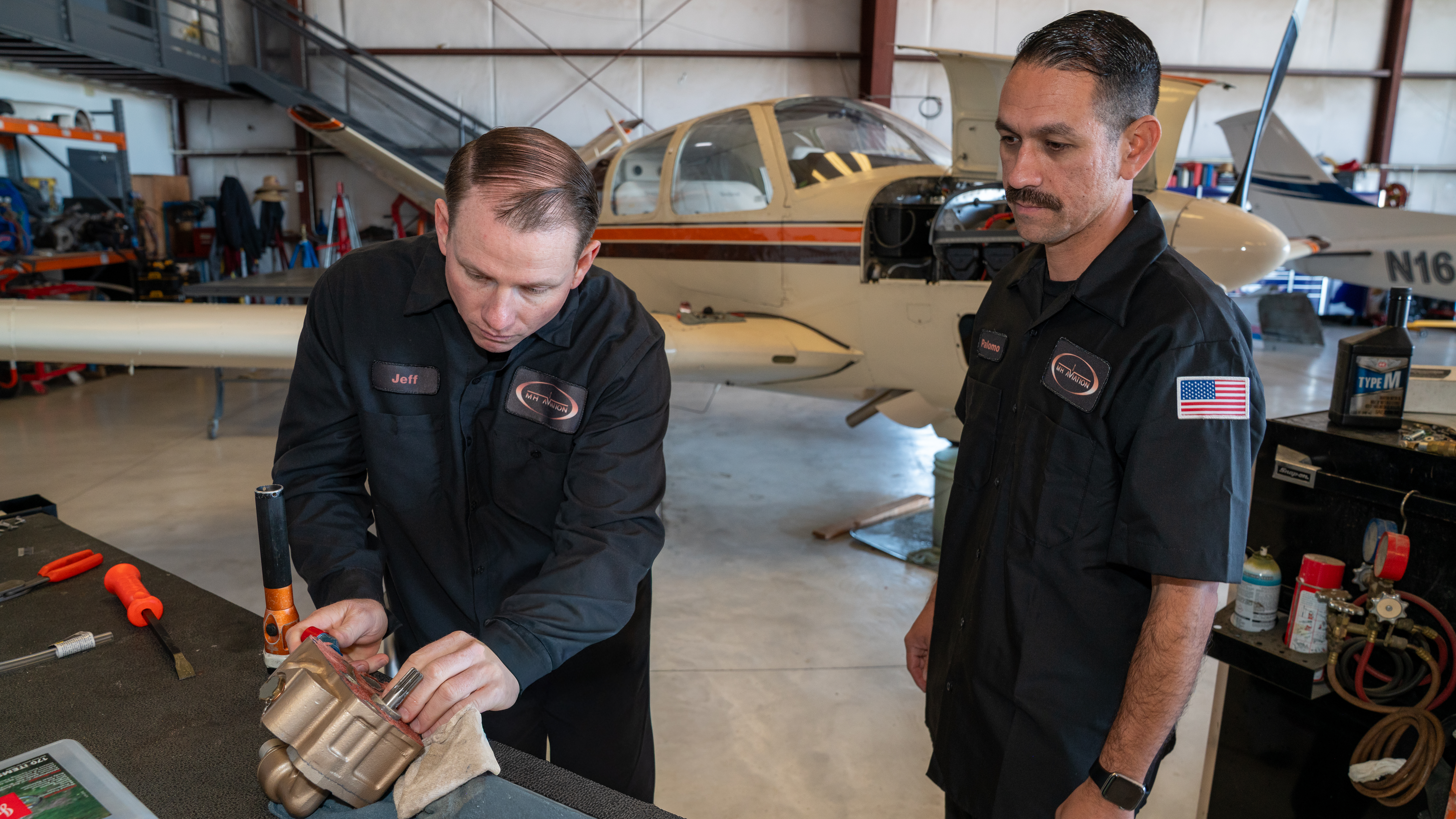
MH Aviation is also an FAA Part 145 Repair Station, so our own maintenance team keeps our training fleet flying instead of waiting on an outside shop for parts. Pair that with 300+ flyable days a year at Gen. William Fox Airfield (KWJF) — none of the marine-layer fog that grounds LA Basin schools for days — and you spend more of your budget actually flying, not waiting.
How Earning While You Build Hours Changes the Math
The biggest shift in the cost-versus-payoff conversation happens after your Commercial Pilot License. Most professional-track pilots become a Certified Flight Instructor to build the 1,500 hours required for airline eligibility — and MH Aviation actively hires our own CFI graduates. That means the clock flips: you get paid to teach while you log hours, rather than paying to log them.
That’s the part a simple sticker-price comparison misses. Two students can spend the same amount reaching their commercial certificate, but the one who starts earning as a CFI sooner recovers ground faster. Fewer delays getting there means fewer months spent training and not earning.
Where the Investment Leads: Pilot Salary by Career Stage
Once you’re instructing, flying regional or charter routes, or working toward a major airline seat, pay climbs with experience and seniority. The U.S. Bureau of Labor Statistics reports a median of $122,670 for commercial pilots and $226,600 for airline pilots, copilots, and flight engineers as of May 2024 — figures that represent the ceiling this training path can lead toward, not a starting salary. We walk through what that looks like stage by stage on our future for pilots page and in our full pilot salary breakdown.
Frequently Asked Questions
-
Is becoming a pilot worth the cost in 2026?
For most students planning a professional career, yes — but the real driver is how efficiently you train. Lower hourly rates and fewer delays mean less total spend before you start earning as a CFI, and pay climbs from there. -
How much does flight training cost at MH Aviation?
Our single-engine wet rate is $170/hr, compared to a regional average around $205/hr. See our full training cost guide for a certificate-by-certificate breakdown. -
Can I really earn money while still working toward my rating?
Yes, once you reach the CFI level. MH Aviation actively hires our own instructor graduates, so you can log hours toward the 1,500-hour rule while earning income instead of paying to time-build. -
Does financing make training more worth it?
We don’t currently offer in-house financing. Our pay-as-you-go structure and lower wet rates are designed to reduce how much capital you need up front instead. See our rates page for current numbers. -
What’s the biggest thing that makes training cost more than expected?
Delays. Aircraft downtime and weather cancellations force students to relearn skills, which adds hours and cost. Our in-house Part 145 maintenance and 300+ flyable days a year at Fox Field are built to minimize both. -
Where does the payoff actually show up?
Once you’re instructing, flying commercial or regional routes, or building toward a major airline seat. The BLS reports medians of $122,670 for commercial pilots and $226,600 for airline pilots — see our full salary breakdown for how that climb works.
See Your Own Numbers
The best way to know if becoming a pilot is worth it for you is to see your own timeline and budget, not a generic average. Contact us and we’ll walk through a personalized training plan, current rates, and how quickly you could be earning as a CFI at MH Aviation.