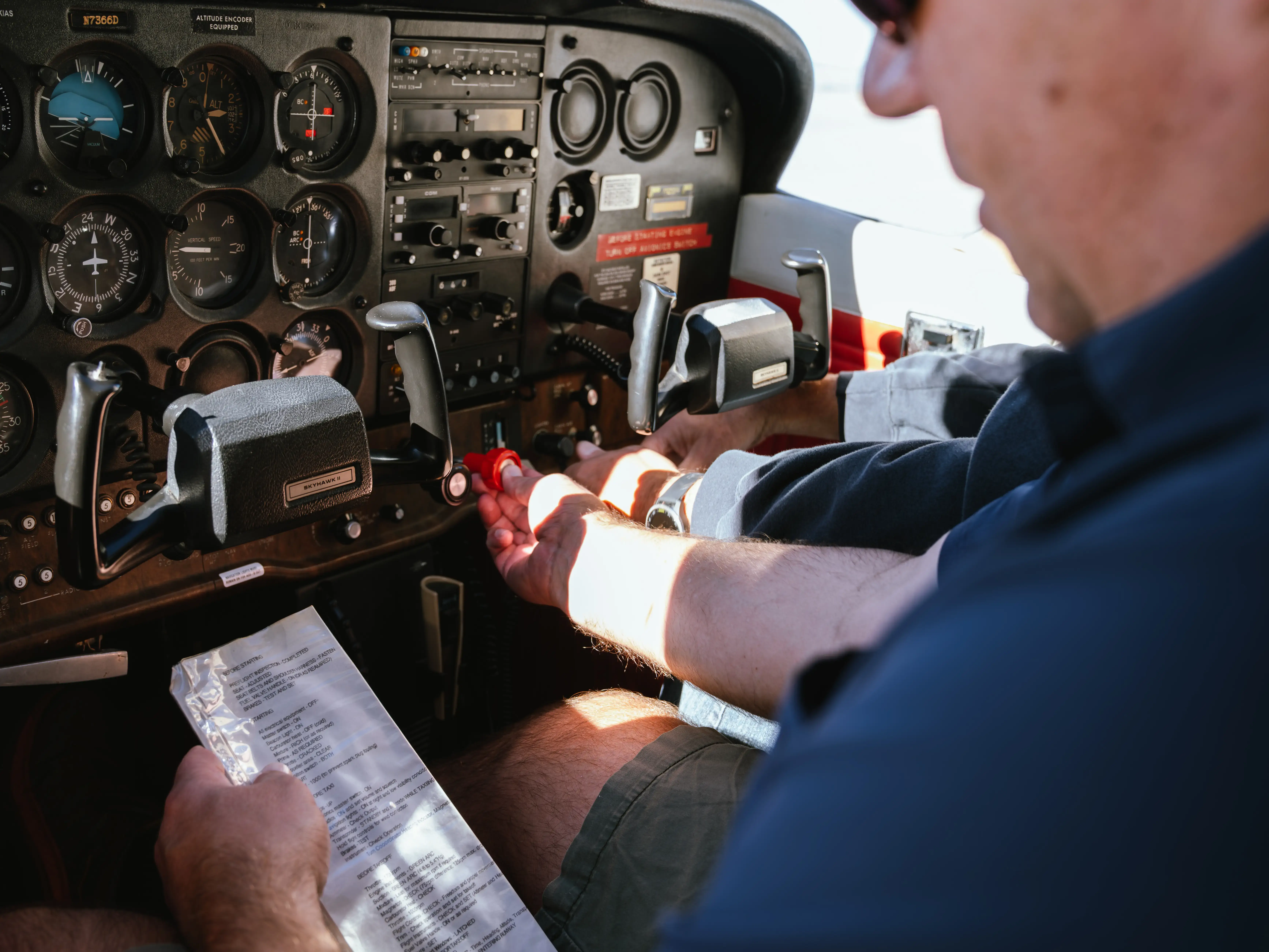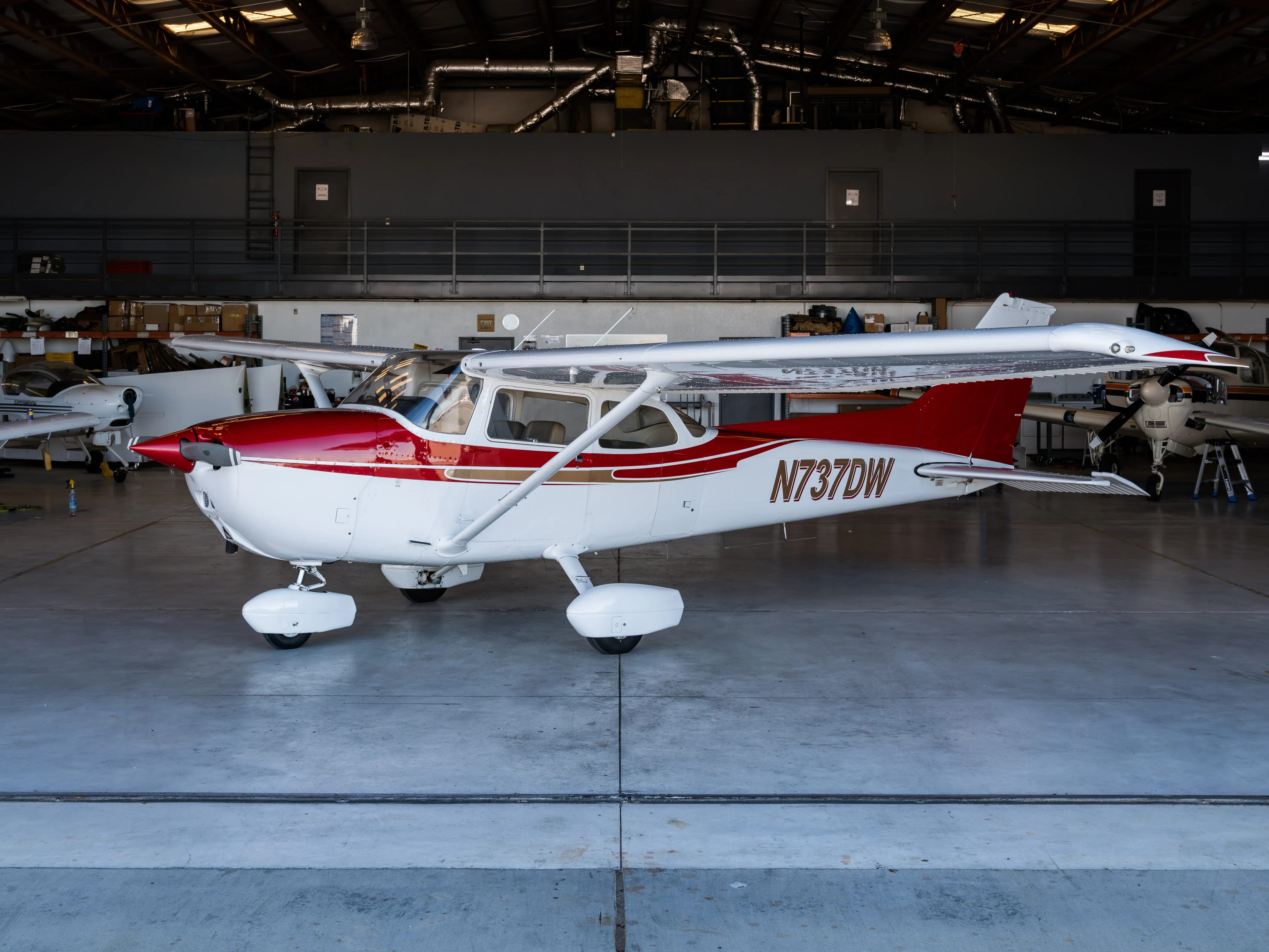
How Much Do Pilots Make in 2026? Salary Breakdown

Published by
Jessica Haney
Published on
Updated on
Read time
9 min read
If you’re weighing a professional flying career, you’re probably less worried about whether you can do it and more curious what the paycheck actually looks like along the way, and when it starts to add up. The honest answer: it depends heavily on where you are in the climb. A flight instructor building hours, a regional first officer, and a senior captain are three very different paychecks. Here’s what the numbers actually say, stage by stage, and how training at MH Aviation in Lancaster, CA changes how fast you move through them.
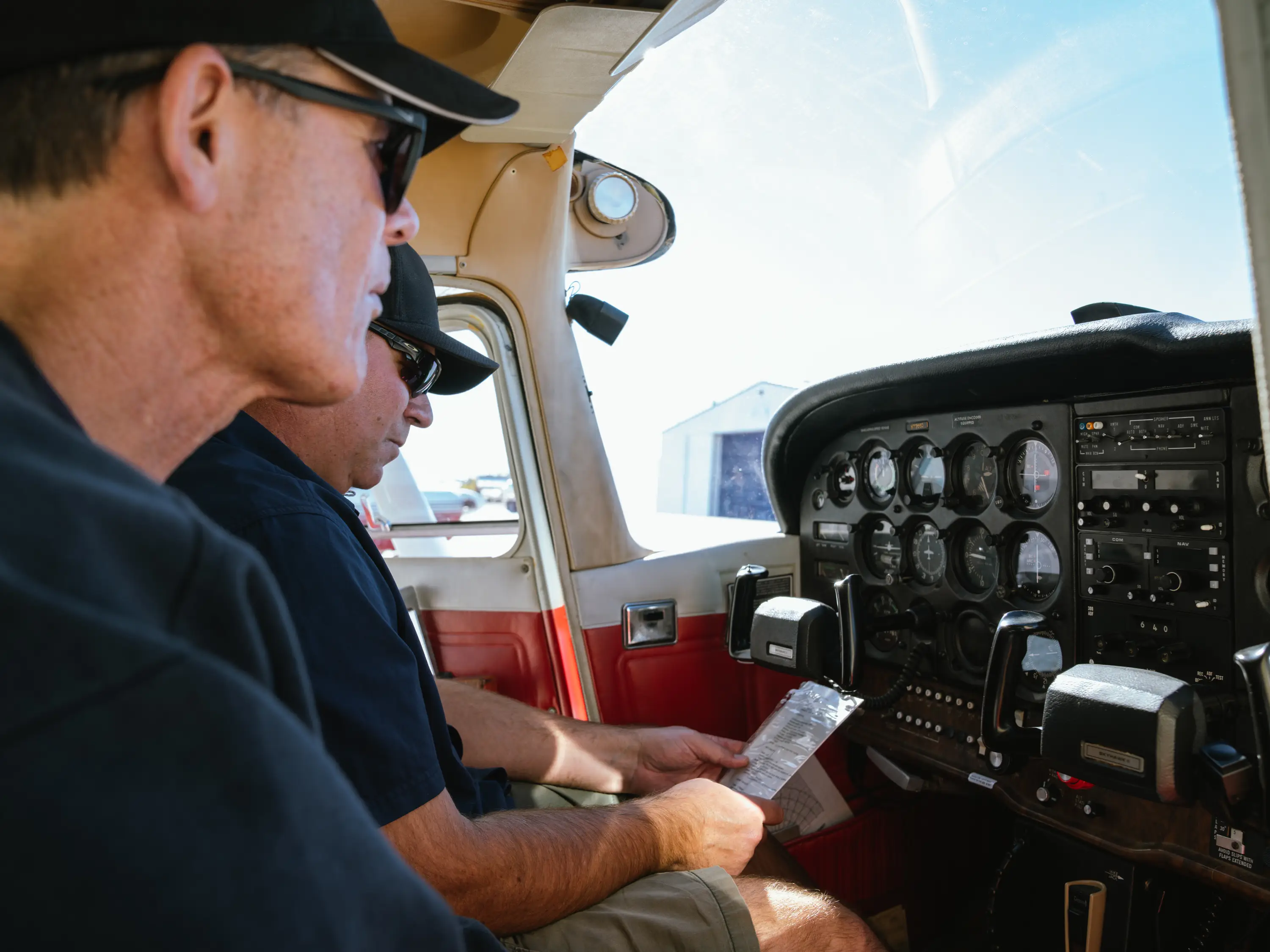
How Much Do Pilots Make? The Short Answer
According to the U.S. Bureau of Labor Statistics, the median annual wage for airline pilots, copilots, and flight engineers was $226,600 as of May 2024. Commercial pilots, a category that covers many charter, corporate, and regional roles, reported a median of $122,670 in the same report.
Those are national medians, not a starting salary and not a promise. Pay climbs in stages, and how fast you climb comes down to how efficiently you move from your first logbook entry to an airline-ready resume, more than luck. That’s the part MH Aviation was built to control.
CFI Pay: Getting Paid While You Build Your 1,500 Hours
Before you can sit in an airline cockpit, you need to be ATP-eligible, which for most civilian pilots means 1,500 total flight hours under the FAA’s structure in 14 CFR Part 61. Becoming a Certified Flight Instructor (CFI) is the most common way pilots build those hours, because it flips the math: you get paid to teach while you log time, rather than paying out of pocket to fly.
MH Aviation actively hires our own CFI graduates, which matters more than it might sound. It’s the difference between spending your savings to time-build and earning a pilot salary from day one of your professional career. Exact instructor pay depends on your schedule and experience level, so contact us and we’ll walk you through what current CFI compensation looks like here.
Regional, Charter, and Corporate Pay: The Middle of the Climb
Once you’ve built hours and earned your Commercial Pilot License, the next tier opens up: regional airlines, charter operators, and corporate flight departments. This is where the BLS’s $122,670 commercial pilot median lives — a meaningful jump from instructor pay, and it tends to move quickly with seniority.
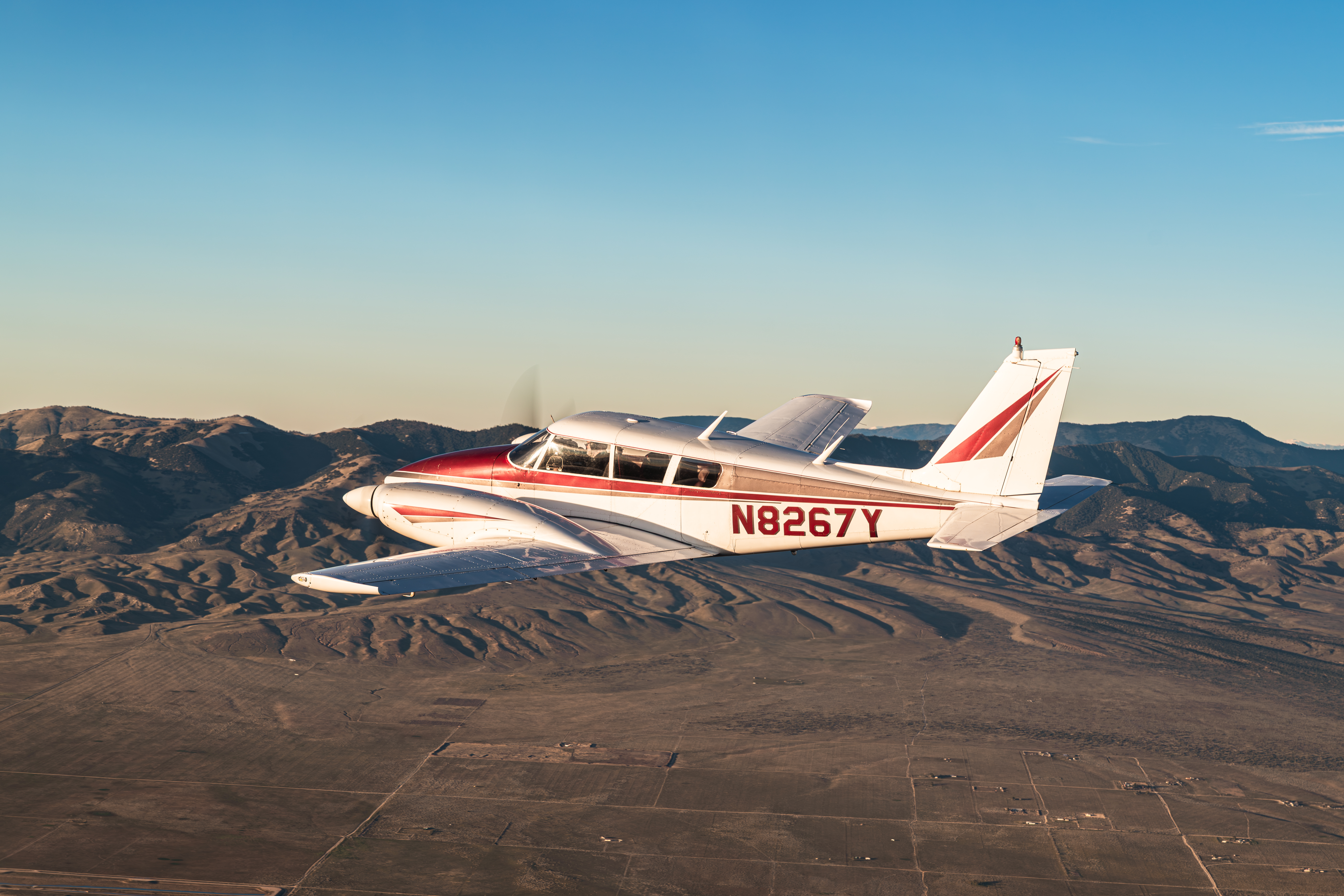
Corporate and charter flying is one of the higher-paying niches in this tier for experienced pilots who bring precision and strong client-facing skills. Cargo operators like FedEx and UPS are also known for offering some of the strongest pay in the industry, which is part of why our multi-engine training in the Piper PA-30 matters — it’s the rating that opens the door to complex, higher-paying operations. Regional pay scales shift often as airlines compete for talent, so treat any specific number you see elsewhere as a snapshot, not a guarantee.
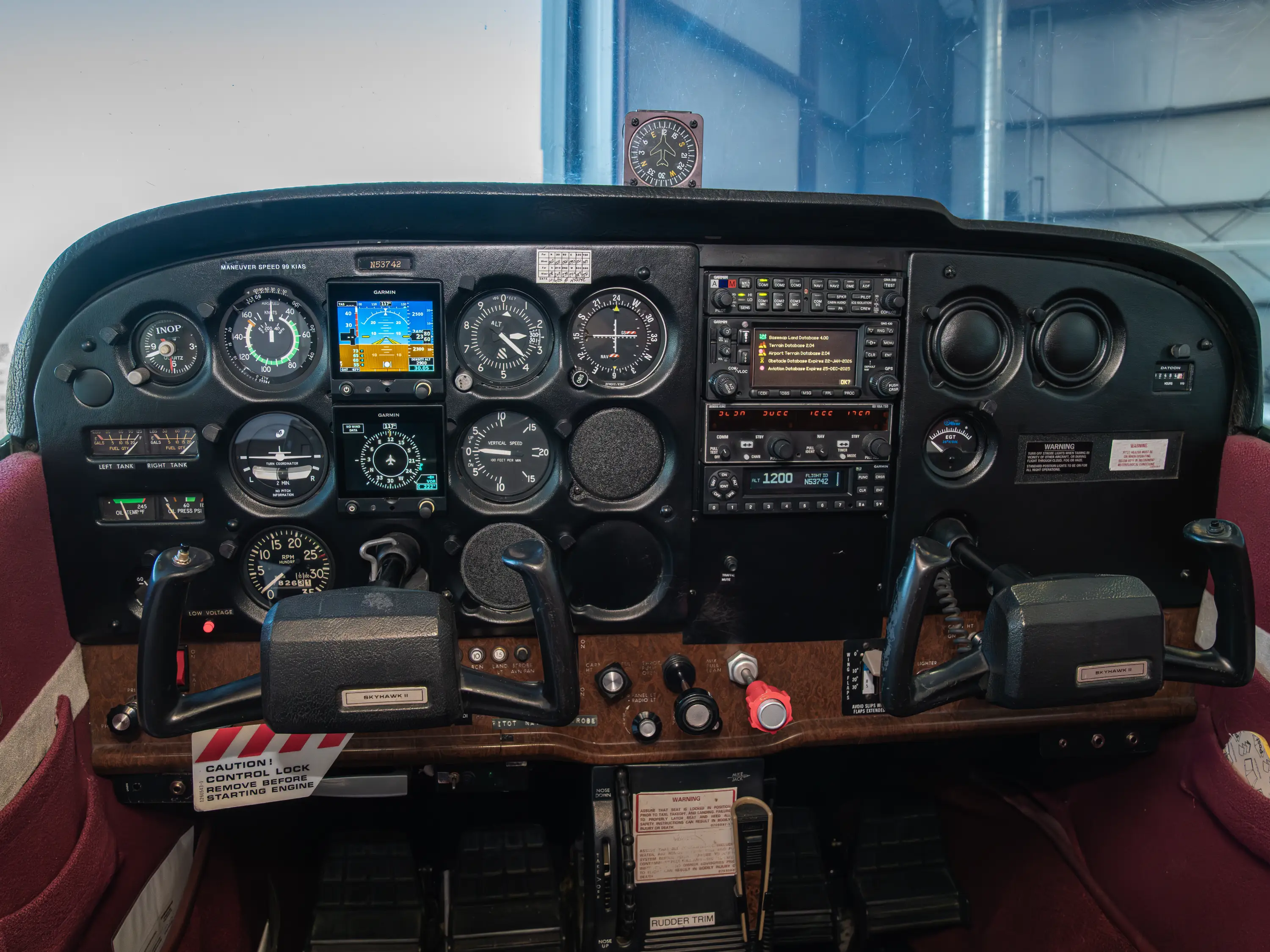
Major Airline Captain Pay: Where the $226,600 Median Comes From
The BLS’s $226,600 median for airline pilots, copilots, and flight engineers is weighted heavily by senior captains at major carriers. Advancement to that seat depends on seniority and each airline’s own hiring and promotion rules, not just total hours, so treat 1,500 hours as the milestone that makes you eligible, not a guarantee of a major-airline seat the day you hit it.
Here’s how the stages generally line up:
| Career Stage | What You’re Doing | Pilot Salary Signal | MH Aviation Path |
|---|---|---|---|
| Certified Flight Instructor | Teaching students while logging hours toward 1,500 | Earning income instead of paying to time-build | Certified Flight Instructor |
| Regional / Charter / Corporate | Flying for a regional airline, charter operator, or flight department | BLS commercial pilot median: $122,670 | Commercial Pilot License |
| Major Airline Captain | Flying for a major carrier after building seniority | BLS airline pilot median: $226,600 | Zero to Airline track |
What Actually Controls How Fast You Reach Higher Pay
The single biggest variable in your timeline is downtime, not talent. Every day your training aircraft sits waiting on a part is a day you’re not building toward your next rating or your next pay tier. Because MH Aviation is also an FAA Part 145 Repair Station, our own maintenance team keeps our fleet ready to fly instead of waiting on an outside shop.
We’re also based at Gen. William Fox Airfield (KWJF) in the High Desert, with 300+ flyable days a year and none of the marine-layer fog that grounds LA Basin schools for days at a time. More flyable days means more consistent progress, and consistent progress is what actually moves you through the ratings that unlock a higher pilot salary.
We don’t currently offer in-house financing, but our lower wet rates mean you need less capital to get through training in the first place — see our rates page for current numbers.
Is a Pilot Salary Worth the Cost of Training?
That’s the question underneath all of this, and it deserves its own answer. We break down the real cost-versus-payoff math, including how our in-house maintenance and CFI hiring shorten your timeline to a paycheck, in Is Becoming a Pilot Worth It? Cost vs. ROI in 2026.
For the full picture on where a professional flying career can take you — airlines, cargo, corporate, and instruction — visit our future for pilots page.
Frequently Asked Questions
-
How much do pilots make when they first start?
New pilots typically start as instructors, which means earning income while logging hours rather than paying to time-build. Once you move into commercial, regional, or charter flying, the BLS reports a $122,670 median for commercial pilots. -
How much do airline pilots make?
The BLS reports a $226,600 median annual wage for airline pilots, copilots, and flight engineers as of May 2024. That figure is weighted by senior captains, so it represents the top of the climb, not a starting number. -
Does the 1,500-hour rule guarantee a higher pilot salary?
No. Reaching 1,500 hours makes you eligible for an Airline Transport Pilot certificate, which most airlines require. Actual hiring and pay still depend on the airline’s own standards, seniority, and current hiring needs. -
Can I really earn money while building flight hours?
Yes, through flight instruction. MH Aviation actively hires our own CFI graduates, so you can log hours and earn a paycheck at the same time instead of paying out of pocket to time-build. -
What pilot careers pay the most besides the airlines?
Cargo carriers like FedEx and UPS are known for some of the strongest pay in the industry, and corporate/charter flying is a well-paying niche for experienced pilots. Our multi-engine rating prepares you for both. -
How does MH Aviation help me reach a higher pilot salary faster?
As an FAA Part 145 Repair Station, we keep our own fleet flying instead of waiting on outside maintenance, and our Fox Field location gives us 300+ flyable days a year. Both mean fewer delays between you and your next rating.
Start Building Toward Your Pilot Salary Today
No one hands you a pilot salary at graduation. You build it one rating at a time, and how fast you move through those ratings depends on the school behind you. At MH Aviation, our in-house maintenance, High Desert weather, and CFI hiring pipeline are built to keep you flying, not waiting.
Ready to see where you’d start? Contact us to talk through your path from your first lesson to your first professional paycheck.