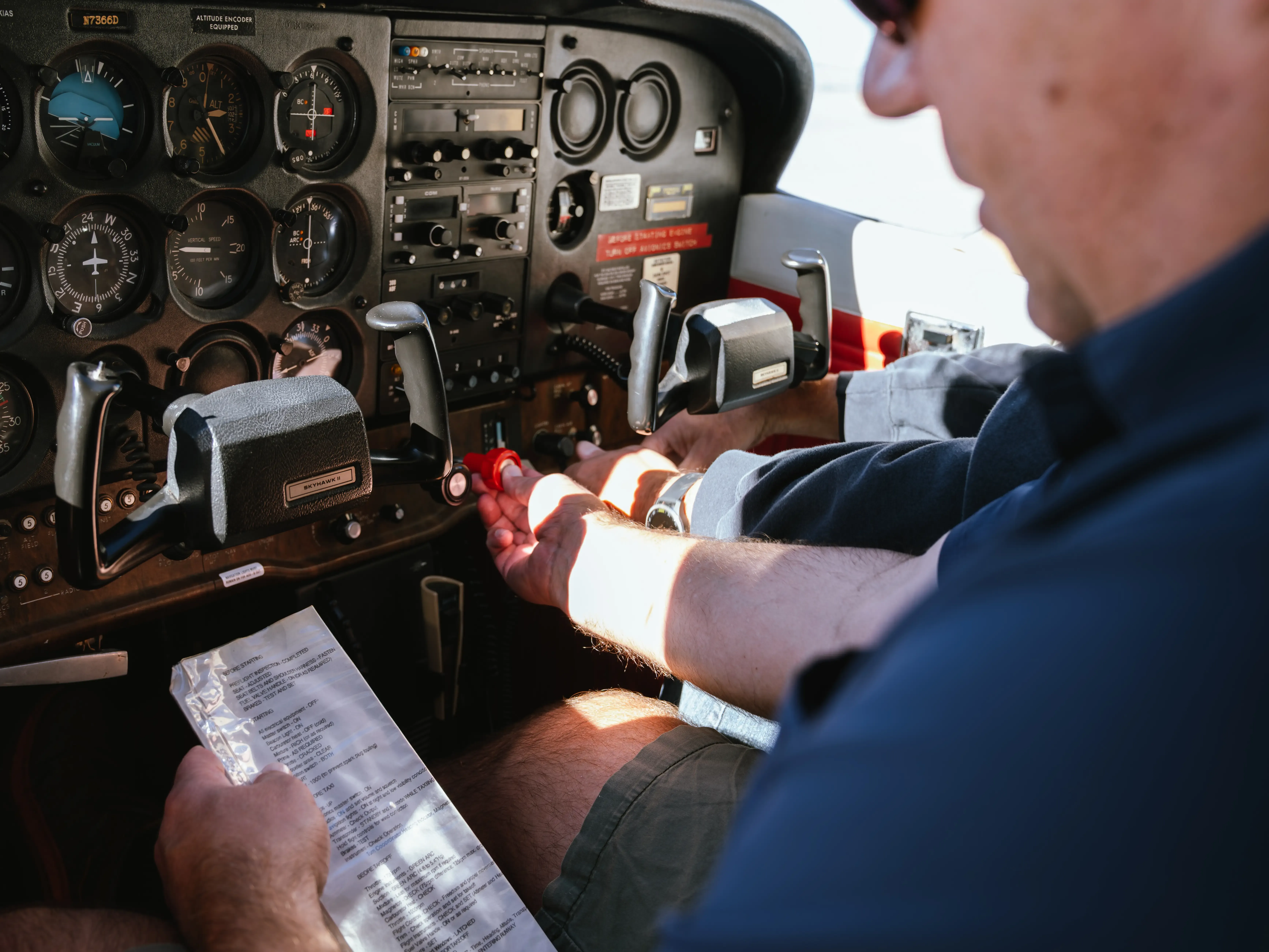
Biennial Flight Review Checklist
Walk into your flight review prepared. Here is exactly what to bring, what your instructor will cover, and what gets written in your logbook when you are done.
A Flight Review Is Preparation, Not a Pass-or-Fail Test
Most pilots show up to a flight review with a low-grade case of checkride nerves, and they do not need them. Under FAR 61.56 a flight review is training, not a practical test: you cannot fail it, there is no unsatisfactory logbook entry, and if something is rusty your instructor simply logs the time as dual given and keeps working with you until it is sharp. What preparation actually buys you is time and money. The regulatory minimum is one hour of ground and one hour of flight, but the actual time is at your instructor's discretion, so a pilot who arrives with current documents, a reviewed Part 91, and a rough plan for the flight usually finishes in a single session, while a pilot who arrives cold usually comes back a second day. This page is the preparation side of that equation. If you are still working out whether you are due (the 24-calendar-month math, checkride and WINGS exemptions, what happens when it lapses), read our FAA flight review requirements page first, or the full FAR 61.56 flight review guide.
You Cannot Fail It
There is no unsatisfactory entry for a flight review. Rusty flying is simply logged as dual instruction given.
1 Hour Ground + 1 Hour Flight
That is the regulatory floor. Arriving prepared is what keeps you close to it.
Your Instructor Sets the Content
The maneuvers and ground topics are at CFI discretion, so we build the session around the flying you actually do.
24 Calendar Months, Not 24 Months
Your review stays valid through the last day of the 24th month after it was signed, which usually buys you more time than pilots expect.
The Aircraft
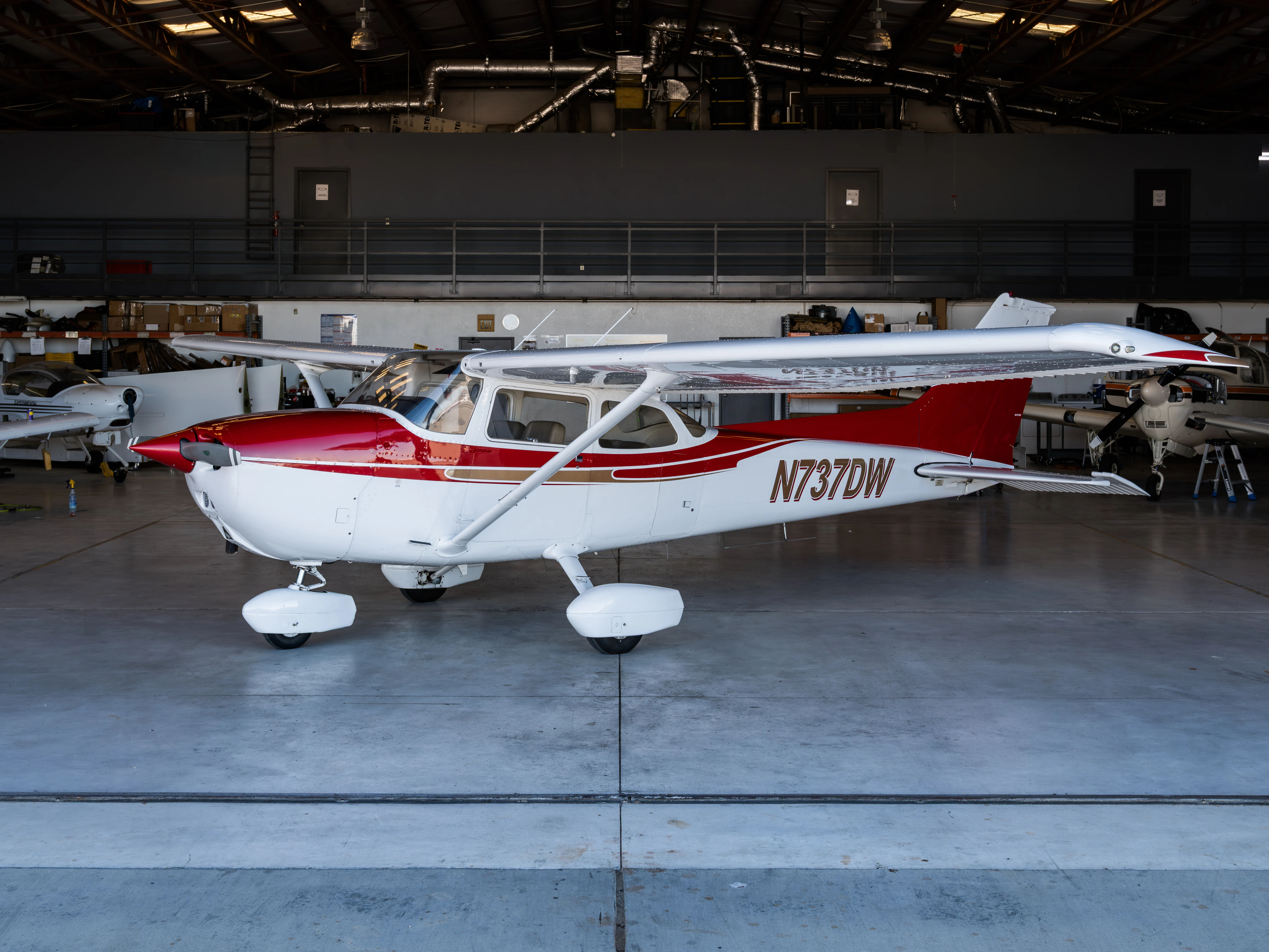
Fly It in a Cessna 172 You Will Recognize
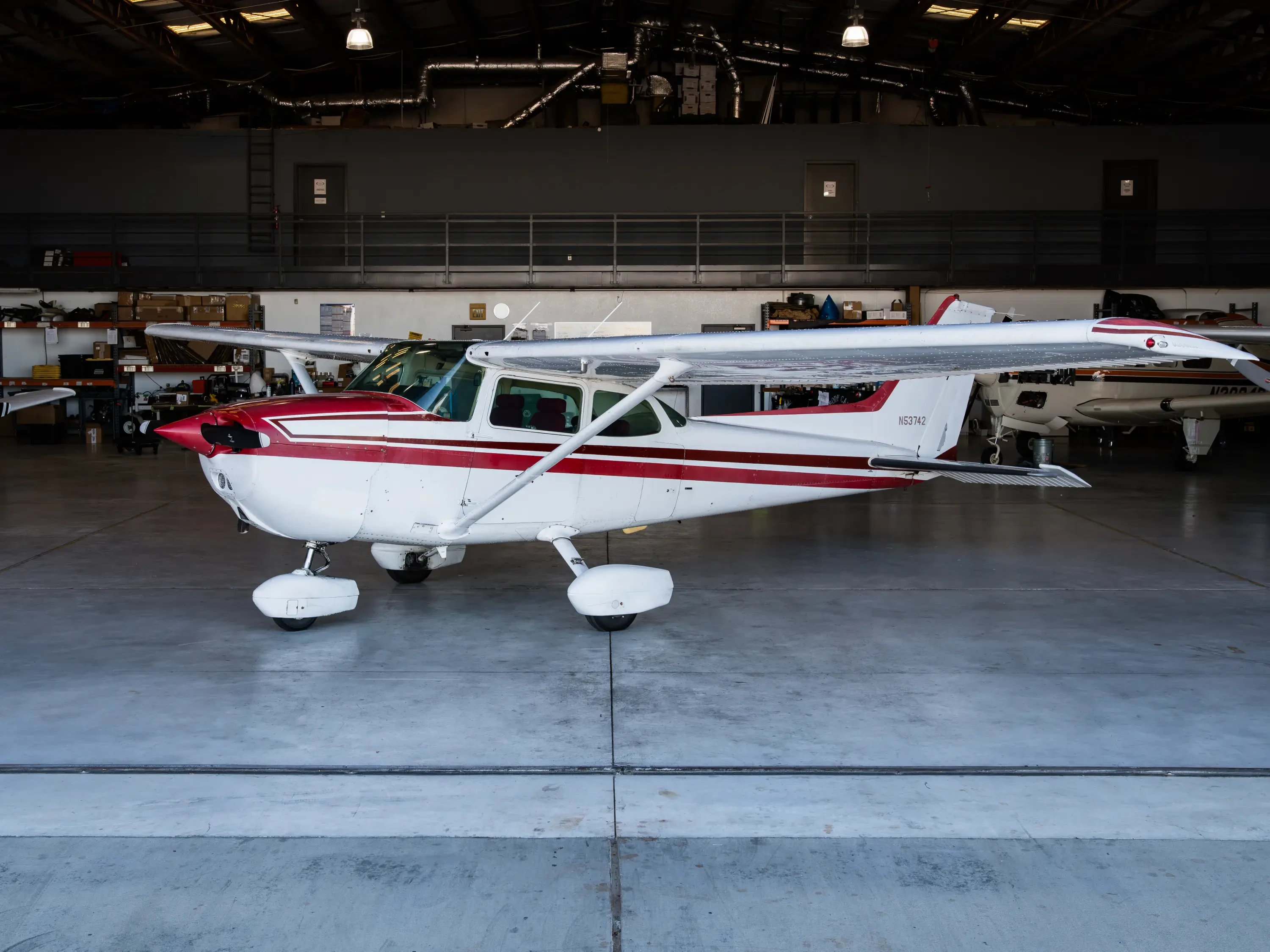
You are welcome to complete your review in your own airplane. If you would rather not put the hours on it, or yours is in our shop for its annual, our Cessna 172N/P fleet is available at $195 per hour, wet, with fuel included.
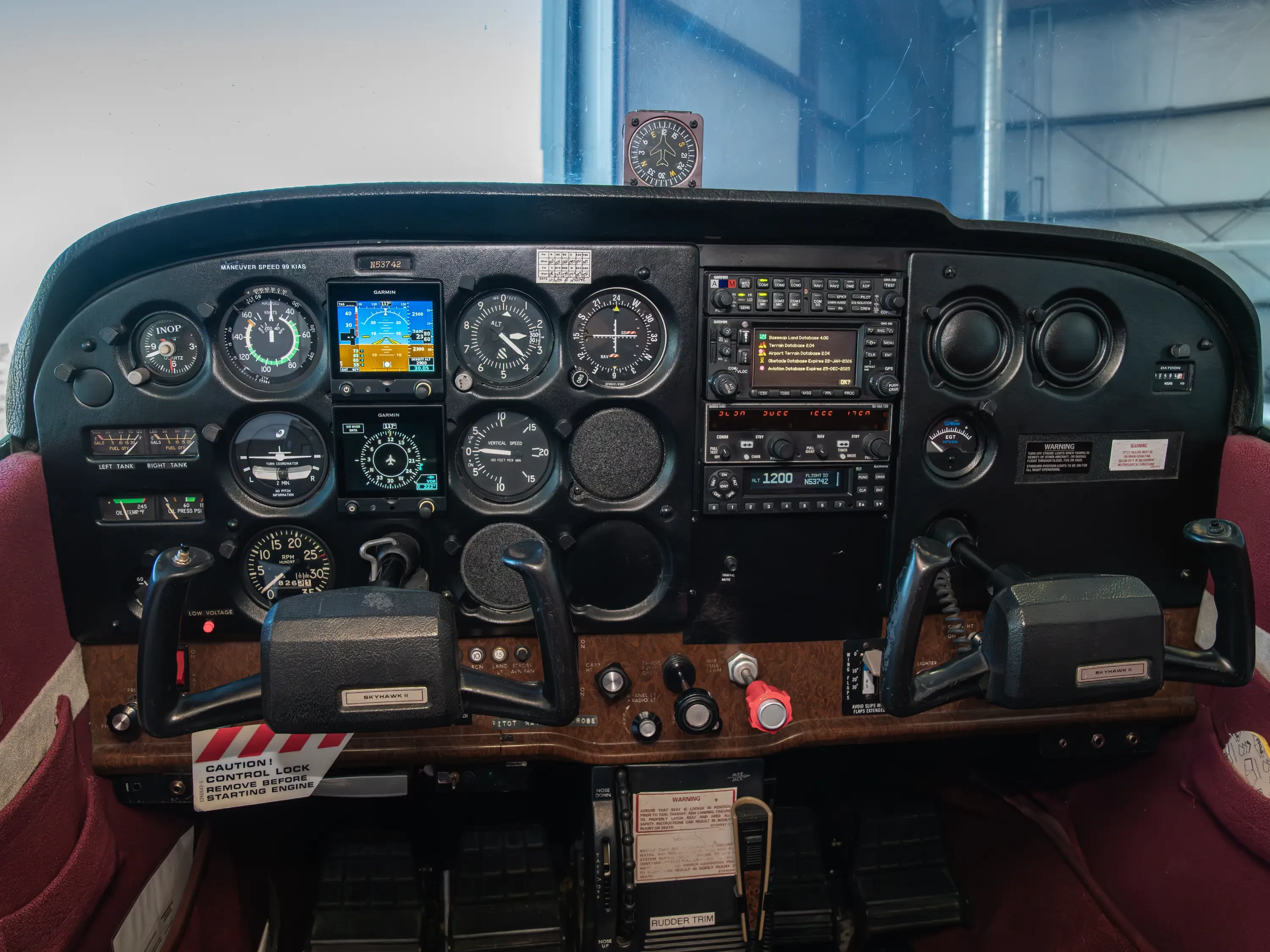
These are not tired trainers. Our aircraft carry 180 HP engine conversions for real climb performance in high-desert density altitude, and Garmin G5 digital displays so your scan translates directly to modern panels. Everything is maintained in-house by our own FAA Part 145 Repair Station, which is why a broken airplane rarely costs you a scheduled review.
If your last flight review was in steam gauges and your airplane now has glass, say so when you book. That transition is a genuinely useful hour of flight training and a common reason pilots leave a review feeling like they learned something.
The Four Blocks
How Your Flight Review Session Runs
Pre-Brief Call
Before you drive out, we ask what you fly, where you fly it, and when you last flew. That conversation shapes the whole session so nothing on the day is a surprise.
Start the ConversationGround Hour
One hour minimum on current Part 91 general operating and flight rules: airspace, currency versus proficiency, weather sources, ADS-B, and anything that changed since your last review.
Read the GuideFlight Hour
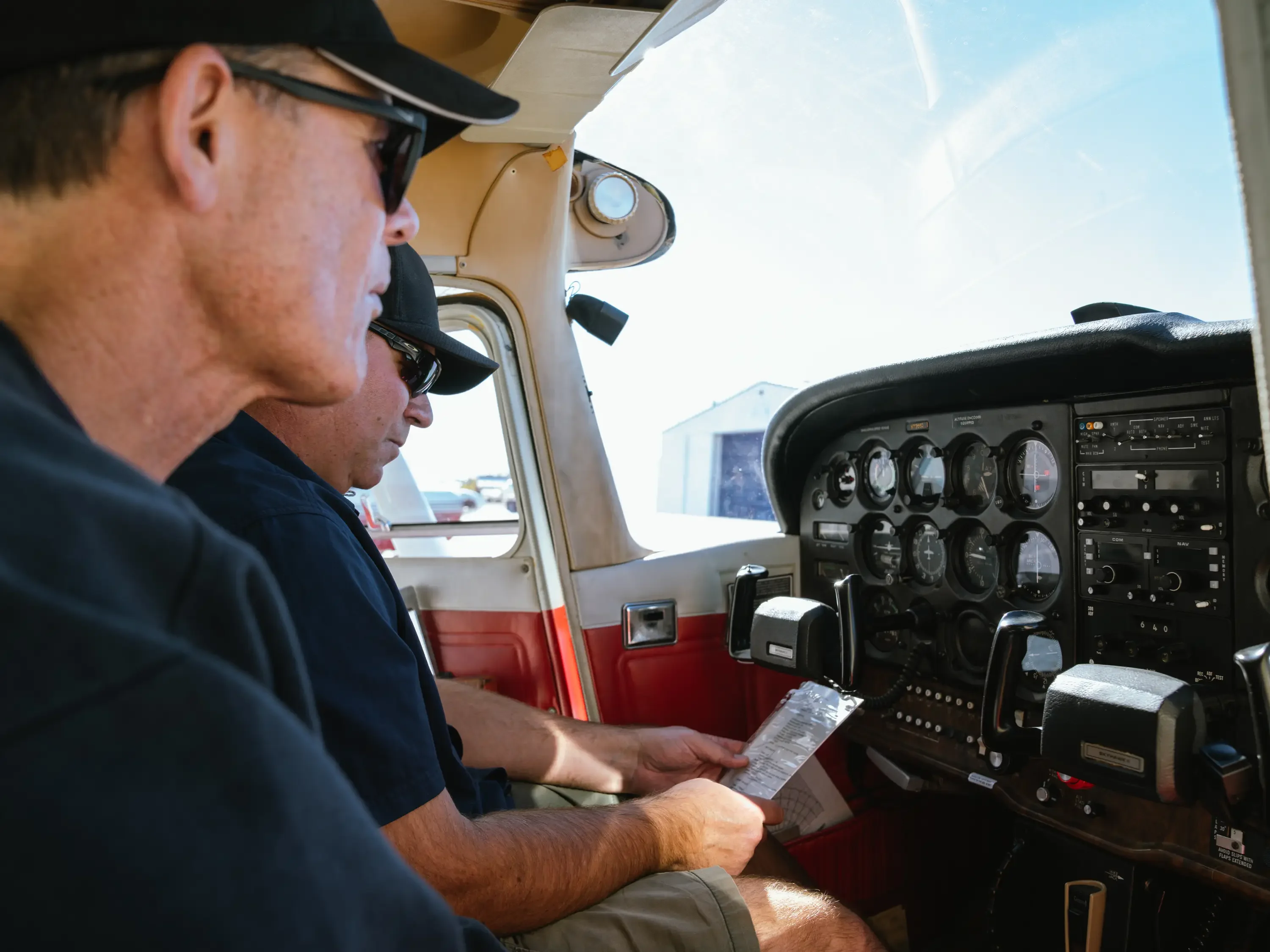
One hour minimum in the airplane, covering the maneuvers and procedures that show you can safely exercise your certificate privileges. Expect slow flight, stalls, steep turns, a simulated engine failure, and landings.
See the FleetDebrief and Endorsement
We debrief honestly, then your instructor makes the logbook entry and signs the 61.56 endorsement. Your 24-calendar-month clock resets that day.
Book Your SlotBefore You Drive Out
Your Flight Review Checklist
Bring Your Documents
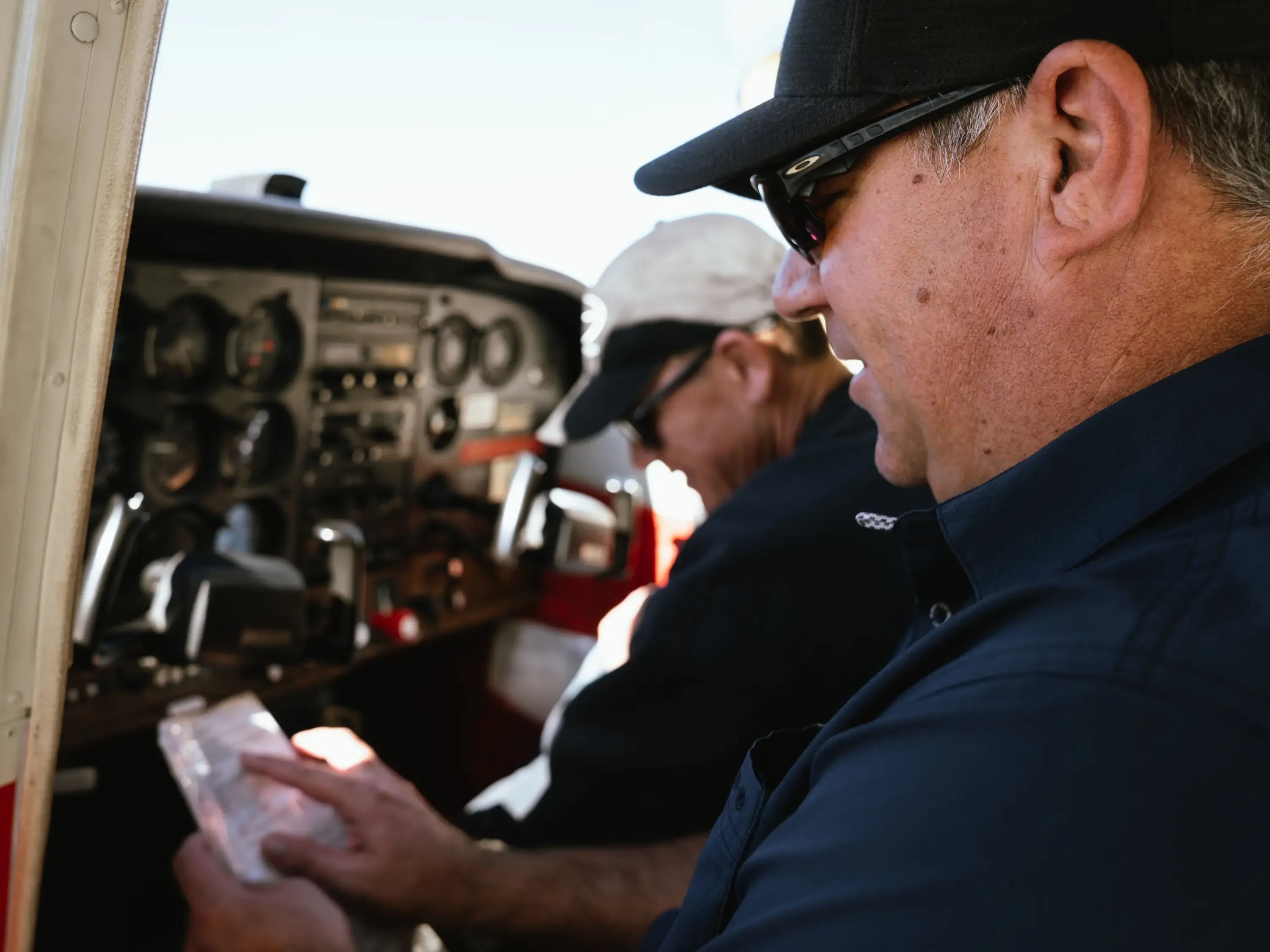
Pilot certificate, government-issued photo ID, and your medical certificate or BasicMed paperwork. Bring the physical logbook, not just the app export, because the endorsement has to go somewhere.
Know Your Airplane's Paperwork
If you are flying your own aircraft, have the airworthiness certificate, registration, operating limitations, and weight and balance on board, plus current annual, transponder, and static system inspection dates.
Re-Read Part 91
The ground hour covers current general operating and flight rules. Skim Part 91 subparts A and B, refresh airspace entry requirements and cloud clearances, and be ready to talk about VFR fuel reserves.
Prepare a Short Cross-Country
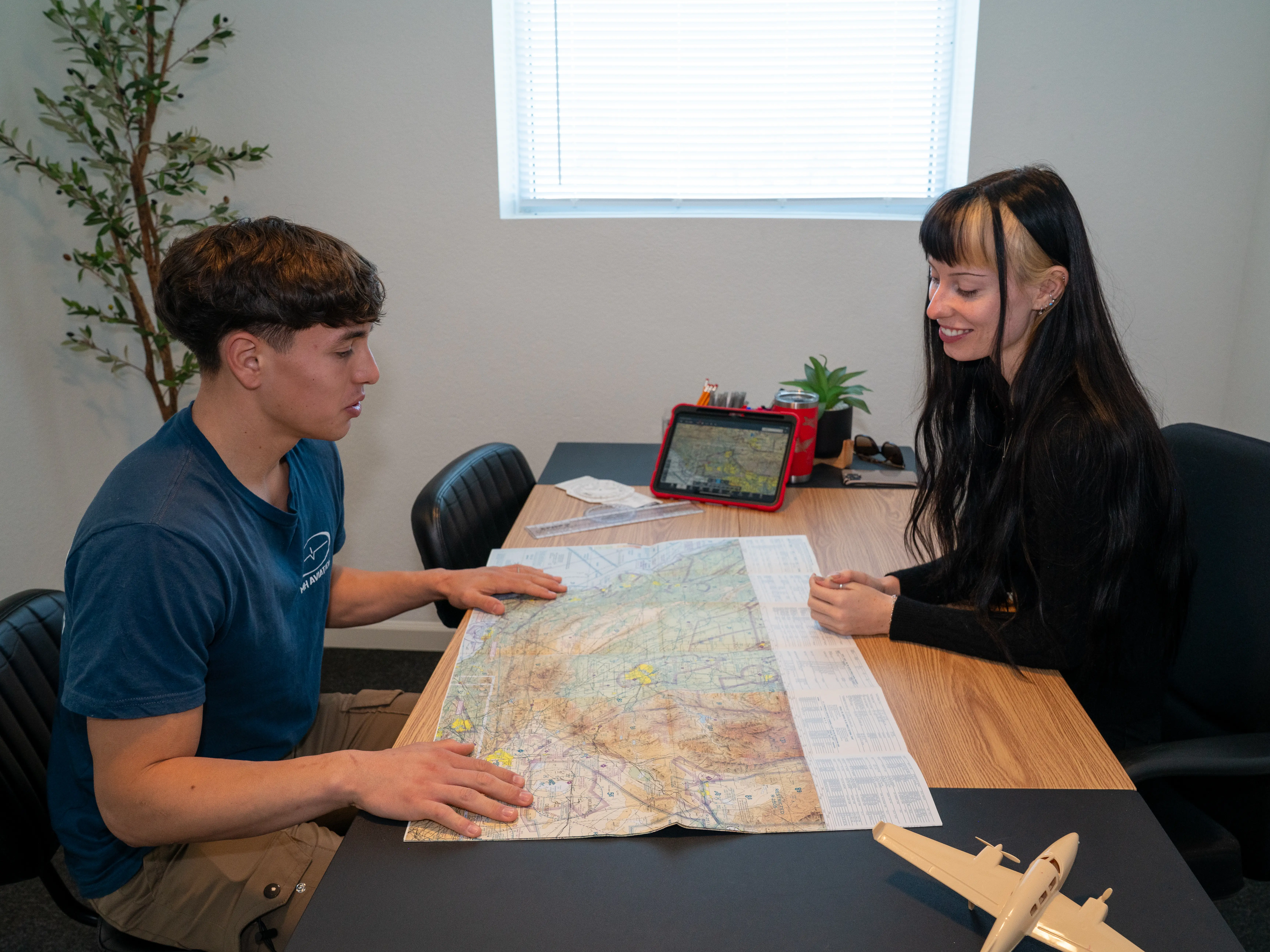
Many instructors open with a planning scenario. Have a realistic route from Fox Field with weather, performance numbers, and a diversion plan already thought through.
Fly Once Beforehand
If it has been more than a few months, book an hour of practice first. Landings and stalls come back quickly, and one warm-up flight often turns a two-day review into a one-day review.
Come With Real Questions
The most valuable reviews are the ones where the pilot brings a list. Something you have avoided, an approach that never felt right, an airspace you route around. Bring it.
Signed Under 61.56(a)
A dated logbook entry with your CFI's certificate number and expiration date.
24 Calendar Months
Valid through the last day of the 24th month, not the flight's anniversary.
No Grade Attached
Satisfactory or more training. There is no failing entry in the regulation.
What Actually Goes in Your Logbook
The whole point of the session is one line of ink. Your instructor makes a logbook entry certifying that you satisfactorily completed a flight review under 14 CFR 61.56(a), dated and signed with their CFI certificate number and expiration date. That entry, not a certificate and not a card, is your proof of currency.
Check it before you leave the building. Confirm the date, confirm the regulation cited, and confirm the signature is legible. Then note the expiration in whatever you actually look at, because the clock runs to the last day of the 24th calendar month, not the anniversary of the flight.
More questions about the endorsement, exemptions, or what happens if yours has already lapsed? We answer them on our FAA flight review FAQ page.
Biennial Flight Review Checklist:
Common Questions
What should I bring to a biennial flight review?
Bring your pilot certificate, photo ID, medical certificate or BasicMed documentation, and your physical pilot logbook so the endorsement can be signed. If you are flying your own aircraft, also bring its airworthiness certificate, registration, operating limitations, weight and balance, and current inspection records.
How should I study for a flight review?
Focus on current Part 91 general operating and flight rules, since that is what the ground hour is required to cover. Refresh airspace entry requirements, VFR weather minimums and cloud clearances, fuel reserves, and anything that has changed in the regulations since your last review. Then prepare a short cross-country from your home field with weather and performance numbers ready.
Can I fail a biennial flight review?
No. A flight review is a training event, not a practical test, and there is no regulatory entry for an unsatisfactory flight review. If your instructor is not yet ready to sign the endorsement, the time is logged as dual instruction given and you continue training until you meet the standard.
What does the flight review endorsement look like?
It is a logbook entry certifying that you satisfactorily completed a flight review under 14 CFR 61.56(a), dated and signed by the instructor with their CFI certificate number and expiration date. Read it before you leave and confirm the date and regulation are correct: that entry is your proof of currency.
How long does a flight review take at MH Aviation?
The regulatory minimum is one hour of ground training plus one hour of flight training, and prepared pilots who fly regularly often finish in a single session of roughly two to three hours including brief and debrief. The actual time is at the instructor's discretion, so a pilot returning after a long layoff should plan on more.
Can I use my own airplane for the flight review?
Yes, as long as it is airworthy and you are rated for it. Many owners fly their own aircraft for the review, and some schedule it alongside the aircraft's annual inspection at our on-site Part 145 Repair Station. If you would rather use ours, our Cessna 172 fleet is available at $195 per hour wet.
Do I still need a flight review if I just passed a checkride?
No. Passing an FAA practical test for a new certificate, rating, or operating privilege within the preceding 24 calendar months satisfies the flight review requirement, and so does completing a phase of the FAA WINGS Pilot Proficiency Program. Our flight review requirements page covers each exemption in detail.
What maneuvers will I fly during the review?
The maneuvers are at the instructor's discretion, chosen to show you can safely exercise your certificate privileges. In practice most reviews include slow flight, power-on and power-off stalls, steep turns, a simulated engine failure, and a mix of normal, short-field, and soft-field landings, with the emphasis shifted toward the kind of flying you actually do.
Get It Done in One Trip to Fox Field
Fox Field (KWJF) sits above the marine layer that grounds the LA basin, with uncongested airspace and practice areas minutes from the pattern. That means less time taxiing and holding, and more of your hour spent actually flying.
If you own your airplane, you can also line the review up with its annual inspection at our on-site FAA Part 145 Repair Station and handle pilot currency and aircraft airworthiness in the same visit.
Tell us what you fly and when you are due, and we will put you with an instructor and a tail number. If you are a private pilot getting current again after a long break, our private pilot training team handles those reviews every month.
Due for Your Review?
Show Up Prepared.
Leave With the Endorsement.
Tell us what you fly and when you are due, and we will match you with an instructor and an airplane at Fox Field (KWJF).
Call us at (661) 518-2700