
Instrument Rating (IR)
Master modern avionics and fly safely in low visibility. Upgrade your Private Pilot License with instrument precision using our glass-cockpit fleet.
Fly Through the Clouds with Confidence
As a Private Pilot, you have the freedom to fly—until the clouds roll in. The Instrument Rating (IR) is the single most important investment in your safety and utility as a pilot. It transforms you from a fair-weather flyer into a precise, competent aviator capable of navigating zero-visibility conditions.
At MH Aviation, we don't just teach you to pass a test; we teach you to trust your instruments. We have invested heavily in upgrading our fleet to mirror the technology you will find in modern commercial aviation, ensuring your transition to a professional cockpit is seamless.
Program Overview
* MH Aviation instructors are independent contractors and are not employees of MH Aviation.
- • Hold a Private Pilot License (or be concurrently enrolled).
- • Current FAA Medical Certificate.
- • English language proficiency.
Precision Flying in a Digital World
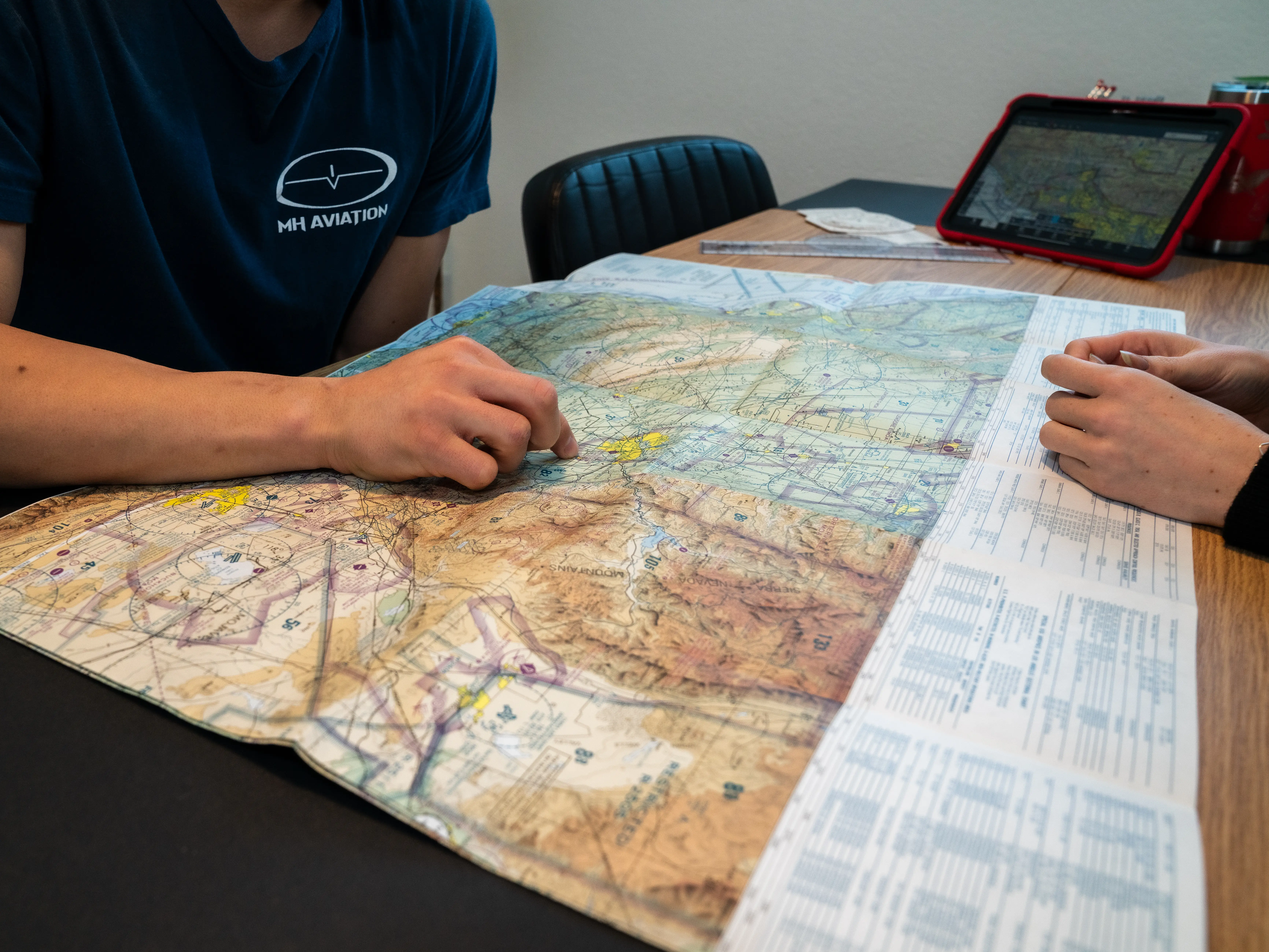
Instrument flying is about discipline. You will learn to ignore your body's sensory illusions and rely 100% on the data in front of you. This course is rigorous, focusing on flight planning, ATC procedures, and precision approaches.
Unlike schools that train on outdated 'steam gauges,' we train you on modern Glass Cockpits. This reduces your cognitive load and builds muscle memory for the high-tech environments found in modern charter and airline operations.
- Advanced Weather Navigation
- IFR Regulations & Procedures
- Precision & Non-Precision Approaches
- Cockpit Resource Management (CRM)
Expand Your Limits
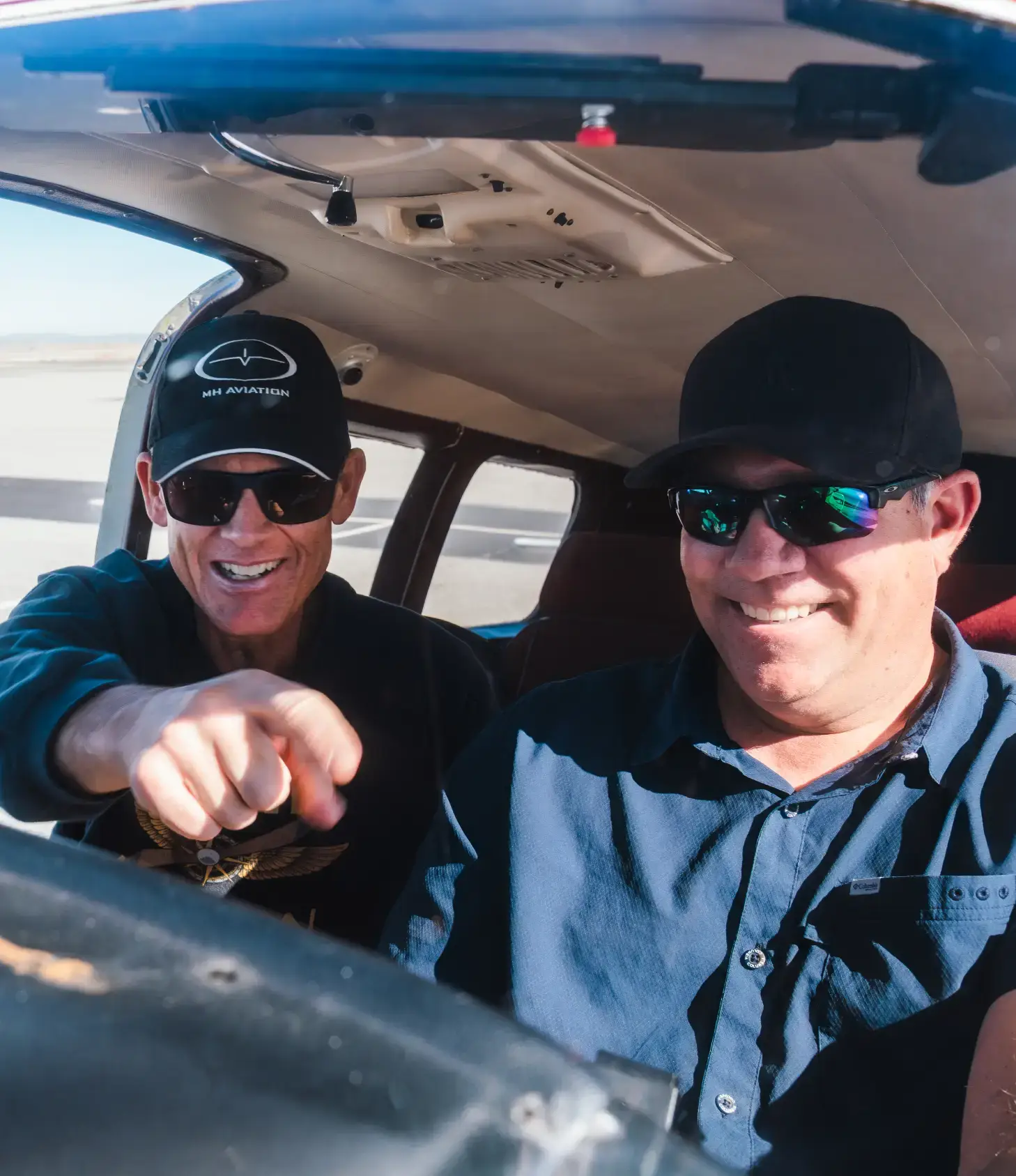
Stop Getting Scrubbed for Weather
The marine layer grounds VFR pilots in the LA basin constantly. With an Instrument Rating, those clouds become just another part of your flight plan. Get the rating that actually lets you use your license.
Real World Confidence
“The transition to the glass cockpit was seamless thanks to the G5s in the MH fleet. When I started my Commercial training, I was already ahead of the curve.”
A Modern Tech Stack for Modern Pilots
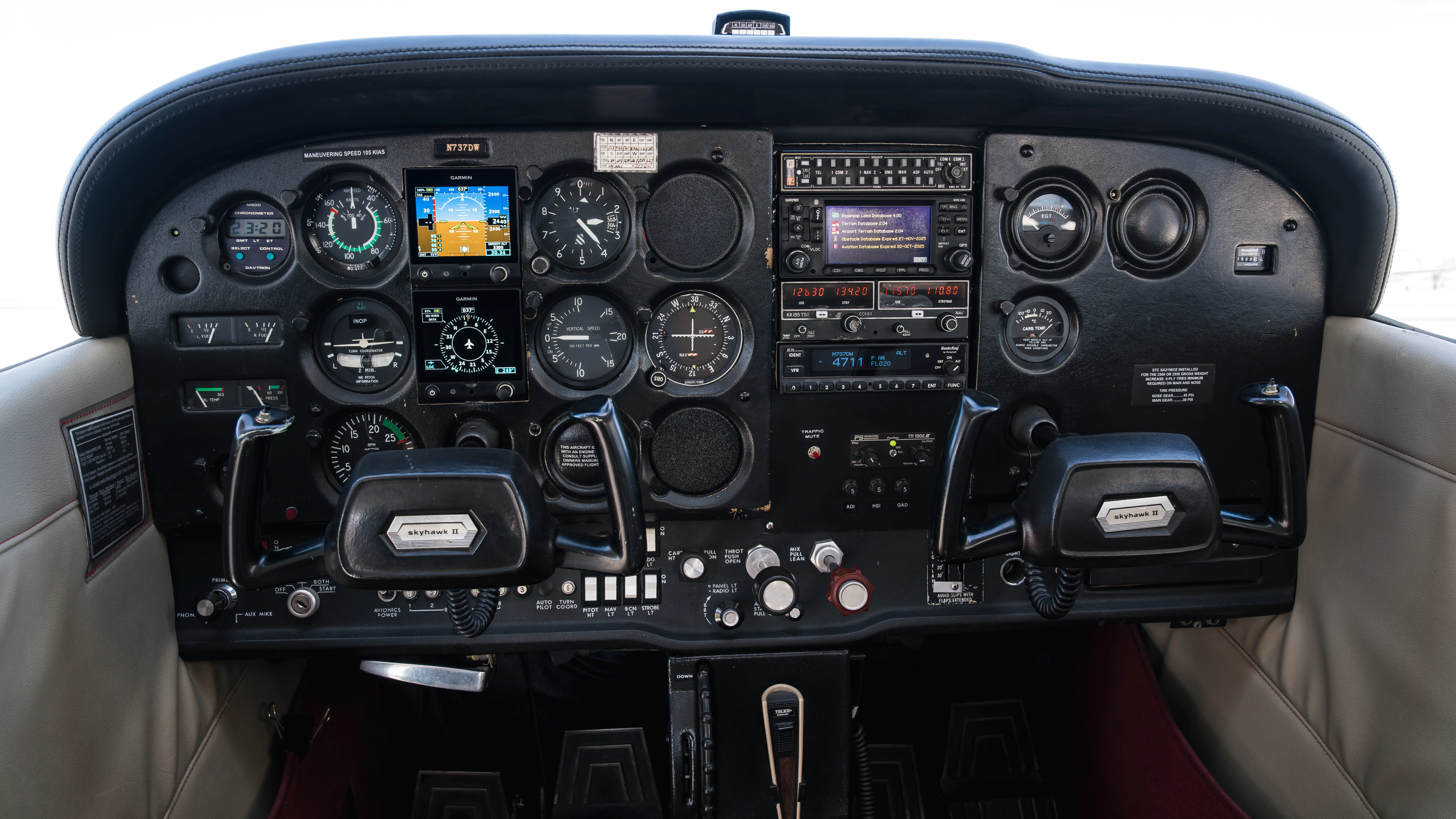
We believe in training like you fly. That is why we upgraded our Cessna 172 fleet with 180 HP engine conversions and modern digital avionics. You aren't learning on museum pieces; you are learning on capable, IFR-certified machines.
The Aircraft
- Cessna 172N/P models fully IFR Certified.
- 180 HP Engine Conversions for superior climb performance in high density altitude.
- Garmin G5 Glass Cockpits for digital attitude and heading reference.
- Digital Nav/Com systems for clear communication.
The Instruction
- One-on-one mentorship with CFIIs who have real-world experience.
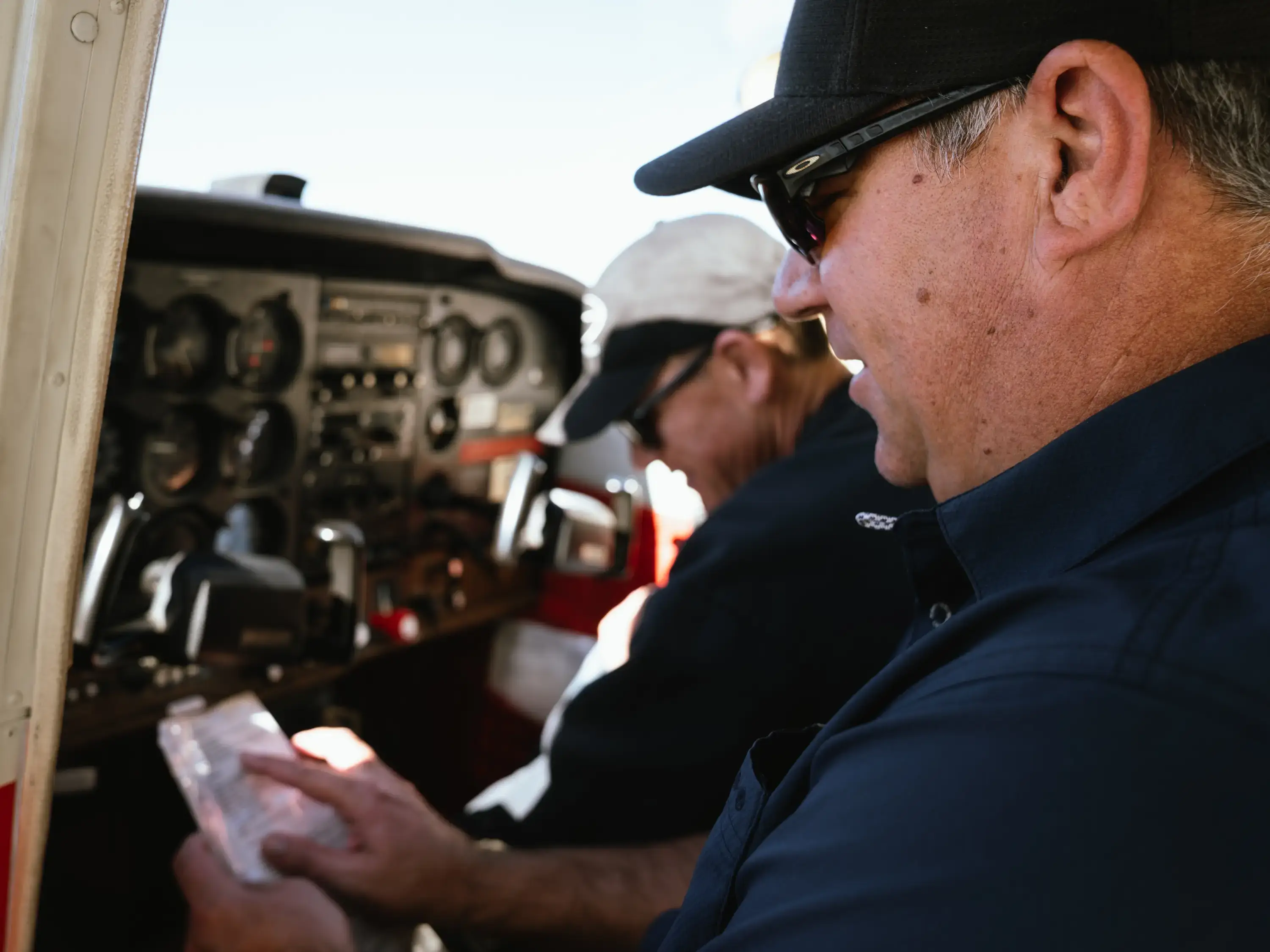
- Scenarios based on actual IMC (Instrument Meteorological Conditions).
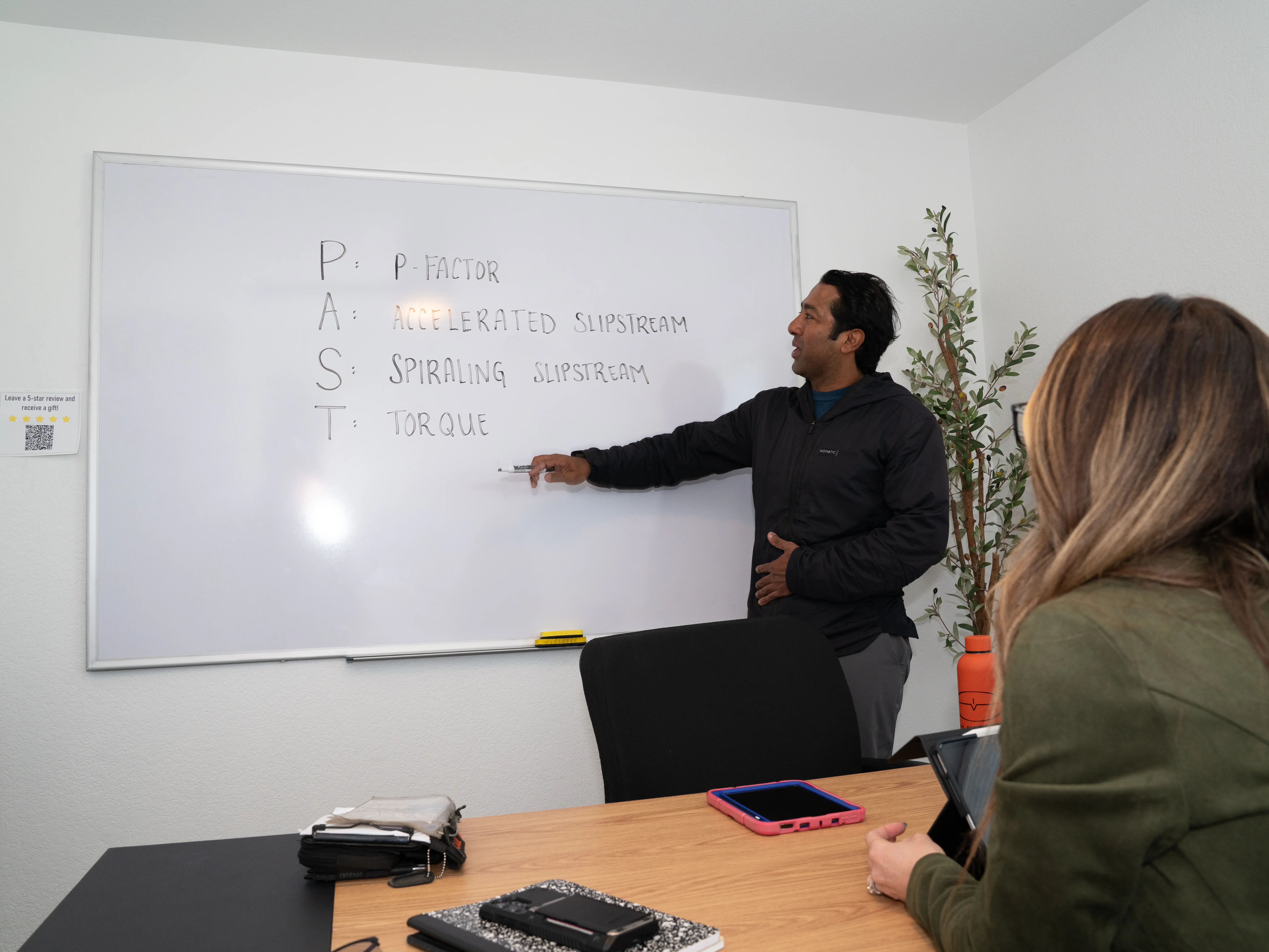
- Comprehensive ground school on IFR charts and procedures.
The MH Aviation Advantage
We Invest in Tech So You Fly Safe
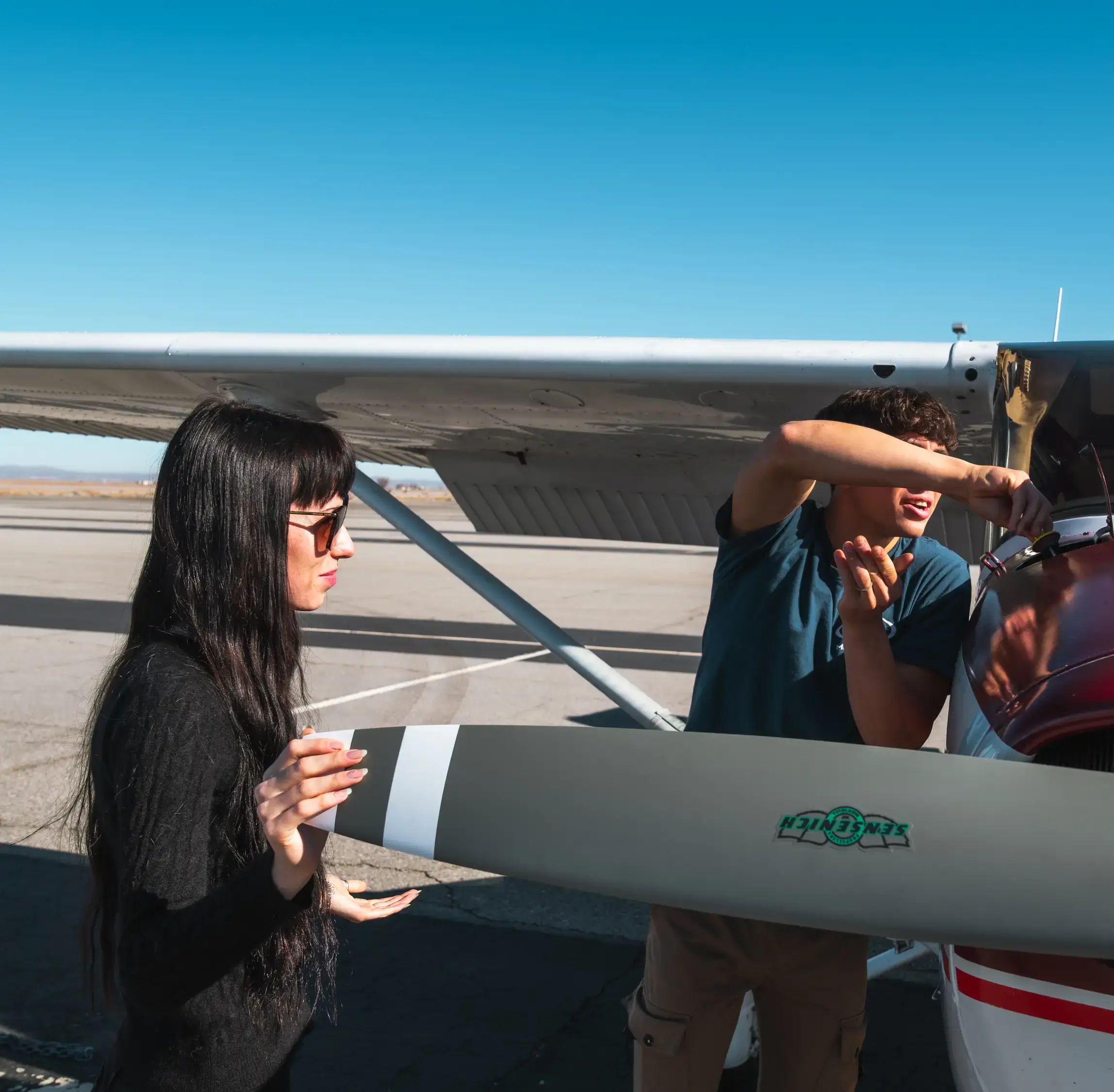
Many flight schools hesitate to upgrade their fleets due to cost. We took a different approach. We recently invested $150,000 into our fleet specifically to provide modern avionics for instrument training.
Location Matters: Fox Field (KWJF)
Our location in the High Desert offers a strategic training advantage over the LA Basin.
- Consistent Flyable Weather: We don't get grounded by the coastal marine layer, meaning you finish your rating faster.
- Real Weather Encounters: When weather does happen, our glass cockpits allow you to navigate it safely under supervision.
- Focused Environment: Less congestion than LAX-adjacent airports means less time taxiing and more time flying approaches.
Reliability is Key
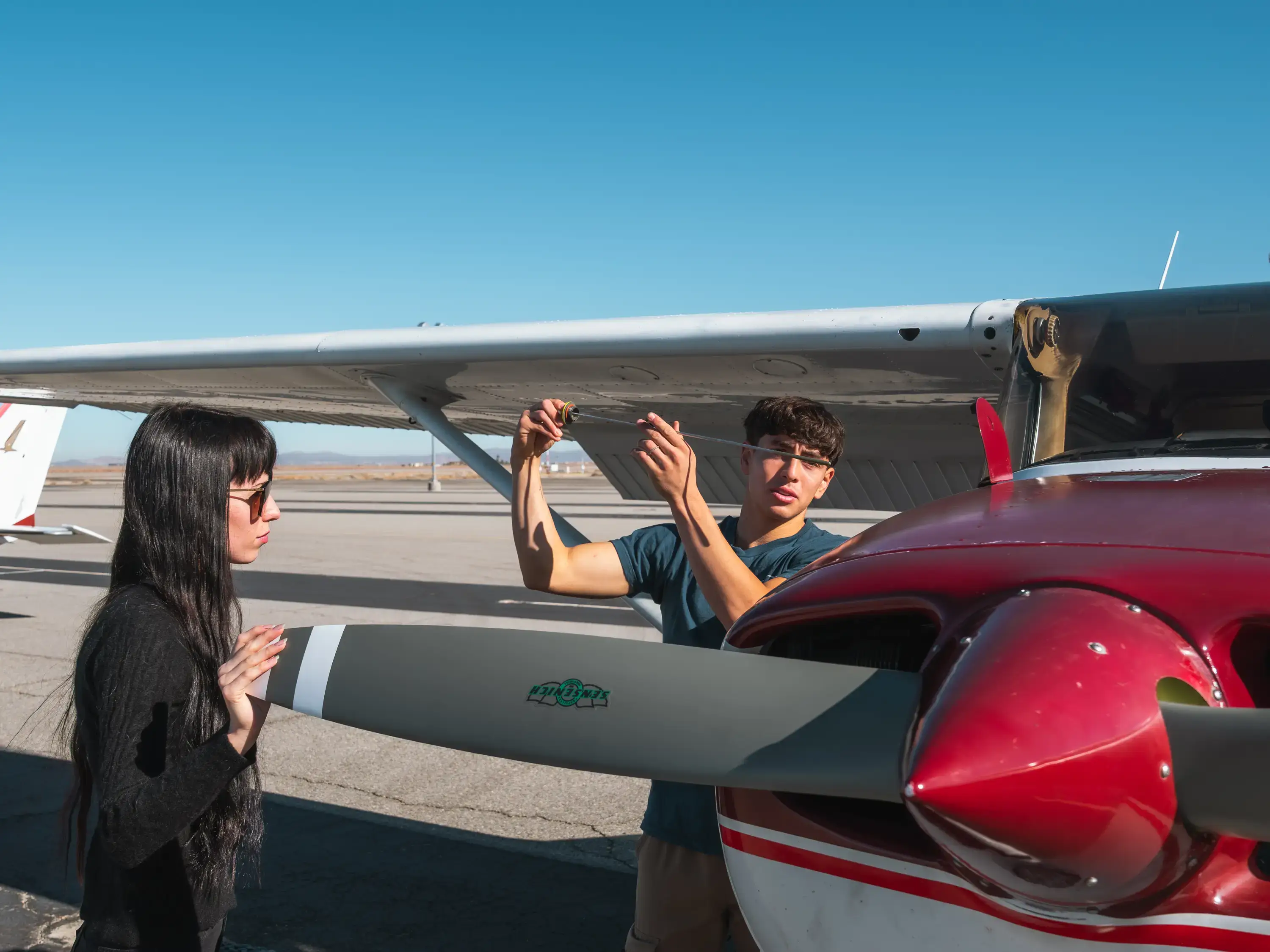
We own our maintenance facility. While other students wait weeks for a mechanic to fix a radio, our priority is keeping the training fleet airworthy. No downtime means no rust on your skills.
TARGET AUDIENCE
Who is this for?
Private Pilots looking to improve safety and situational awareness.
Career-track students preparing for Commercial Pilot training.
Aircraft owners who want lower insurance rates and higher dispatch reliability.
Students who have not yet achieved their Private Pilot License (PPL).
Your Roadmap to IFR Proficiency
Our syllabus is designed to incrementally increase your workload, ensuring you never feel overwhelmed, just challenged.
Phase 1: Basic Attitude Instrument Flying
- Controlling the aircraft solely by reference to instruments.
- Scan techniques and glass cockpit symbology.
Phase 2: Navigation & Procedures
- Intercepting and tracking VOR and GPS courses.
- Holding patterns and ATC communications.
Phase 3: Approaches
- Precision (ILS) and Non-Precision (RNAV/GPS, VOR) approaches.
- Missed approach procedures.
Phase 4: Cross-Country & Checkride Prep
- Long-distance IFR flight planning.
- Mock checkrides to ensure you pass on the first attempt.
The Bridge to a Professional Career
The Instrument Rating is the great filter in aviation. It is where hobbyists are separated from professionals. If your goal is the airlines, this is a non-negotiable step.
Potential Roles
* Even if you don't plan to fly professionally, an IR significantly lowers insurance premiums for aircraft owners.
Start Your Instrument Training
Document Check
Bring your PPL, Logbook, and Medical Certificate to our office.
Discovery Meeting
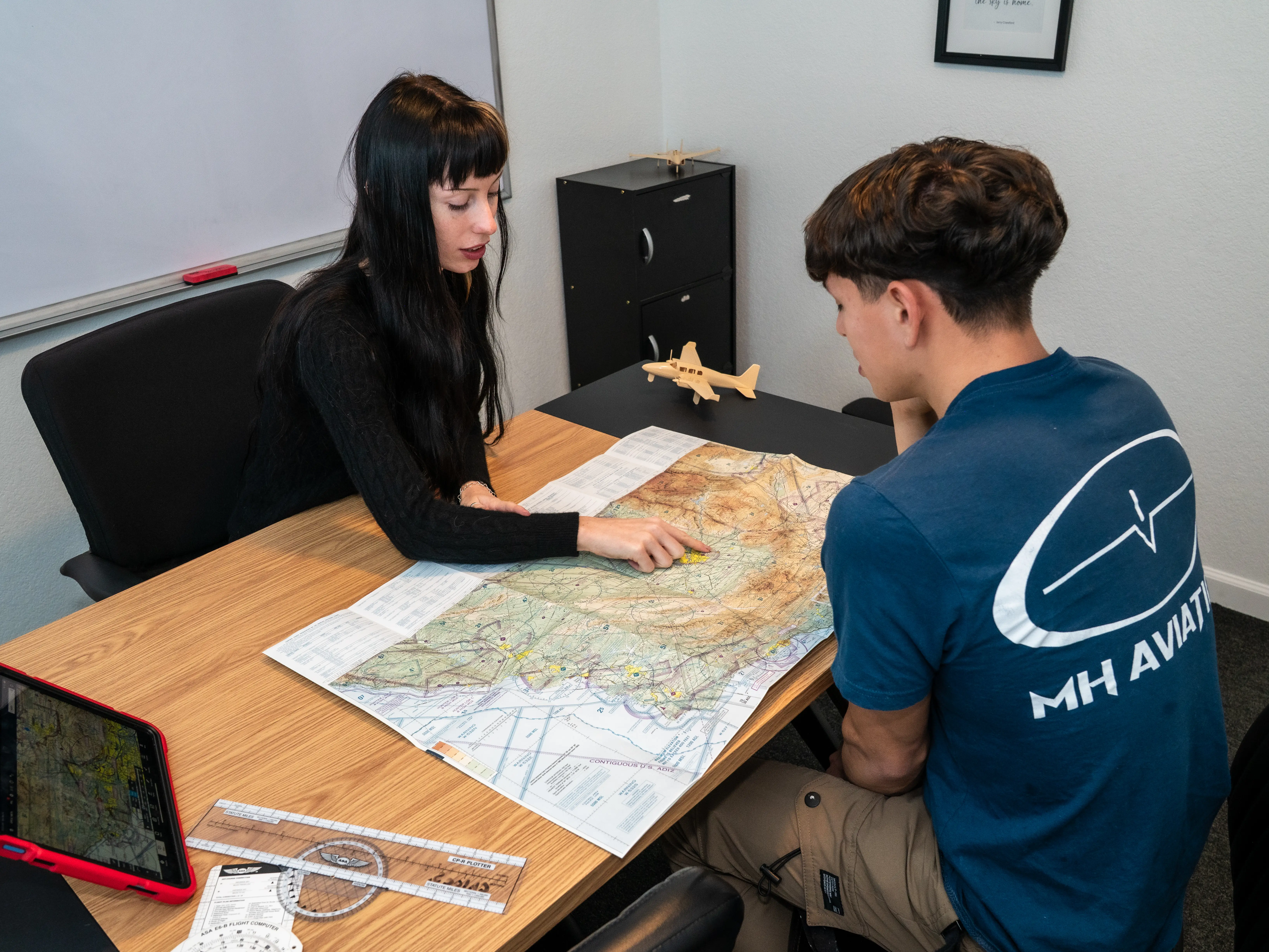
Meet with a CFII to discuss your goals and assess your current proficiency.
Flight Schedule
Book your first block of instrument instruction and receive your ground school materials.
Your Questions Answered
Why is an Instrument Rating (IR) considered the most important safety rating?
The Instrument Rating is often called the 'life insurance' of aviation. It equips you with the skills to fly solely by reference to instruments, allowing you to safely navigate through clouds, fog, and low visibility. For career-track pilots, it is non-negotiable—airlines operate under IFR (Instrument Flight Rules) 100% of the time, and you cannot obtain a Commercial Pilot License without instrument proficiency.
Why does MH Aviation train with Garmin G5 Glass Cockpits?
We believe in training for the future, not the past. Airlines and modern charter operators fly 'glass,' not steam gauges. Our recent $150,000 fleet upgrade ensures you master the same digital avionics, situational awareness tools, and scan patterns used in professional jets (like the Garmin G5 displays), reducing the learning curve when you transition to complex aircraft.
How does training at Fox Field (KWJF) speed up my rating?
The biggest delay in flight training is the 'marine layer'—a persistent fog that grounds schools in the LA Basin for weeks at a time. Located in the High Desert, Fox Field enjoys over 300 flyable days a year. This consistent weather allows you to fly more frequently, retain muscle memory better, and finish your rating significantly faster than the national average.
What are the prerequisites to start IFR training?
You must hold a Private Pilot License (PPL) and a current FAA Medical Certificate. While the FAA requires 50 hours of Cross-Country (XC) Pilot in Command time for the checkride, you can (and should) start your instrument training while building these hours, making your time building more efficient and educational.
Is the Instrument Rating harder than the Private Pilot License?
It is different. While PPL is about stick-and-rudder skills, the Instrument Rating is about precision, workload management, and mental discipline. It requires a higher level of study regarding weather and regulations. However, our structured curriculum and 'family-style' mentorship break these complex topics down into manageable steps, ensuring you never feel overwhelmed.
Will I get to fly in 'Actual' IFR conditions?
Absolutely. While many schools simulate weather with a hood, we take advantage of safe, actual IFR conditions when they present themselves. Logging 'actual' instrument time builds a level of confidence and competence that simulated training simply cannot match, preparing you for real-world commercial operations.
How long does it take to complete the Instrument Rating?
The FAA minimum is 40 hours of instrument time, though the national average is closer to 60. At MH Aviation, our in-house maintenance (Part 145) ensures planes are ready when you are. If you fly full-time (3-4 times a week), you can realistically complete the rating in a few months, avoiding the 'scheduling battles' common at larger academies.
Do I need my own Electronic Flight Bag (iPad/ForeFlight)?
Yes. Part of modern IFR mastery is learning to utilize tools like ForeFlight or Garmin Pilot effectively. We teach you how to integrate these Electronic Flight Bags (EFBs) into your workflow for flight planning, plate reading, and situational awareness, just as you would in a professional cockpit.
Can I combine the Instrument Rating with the Commercial Pilot training?
Yes. This is a common strategy. The flight hours you accumulate during your Instrument training count towards the 250 total hours required for your Commercial Pilot License. By training with our high-performance 180 HP Cessnas, you are building commercial-grade proficiency while earning your instrument ticket.
Does the 180 HP engine conversion matter for IFR training?
It matters for safety and performance. High density altitude in the desert can limit standard aircraft. Our 180 HP conversions provide superior climb rates and performance margins, giving you a safer training platform for practicing missed approaches and complex instrument procedures in real-world conditions.
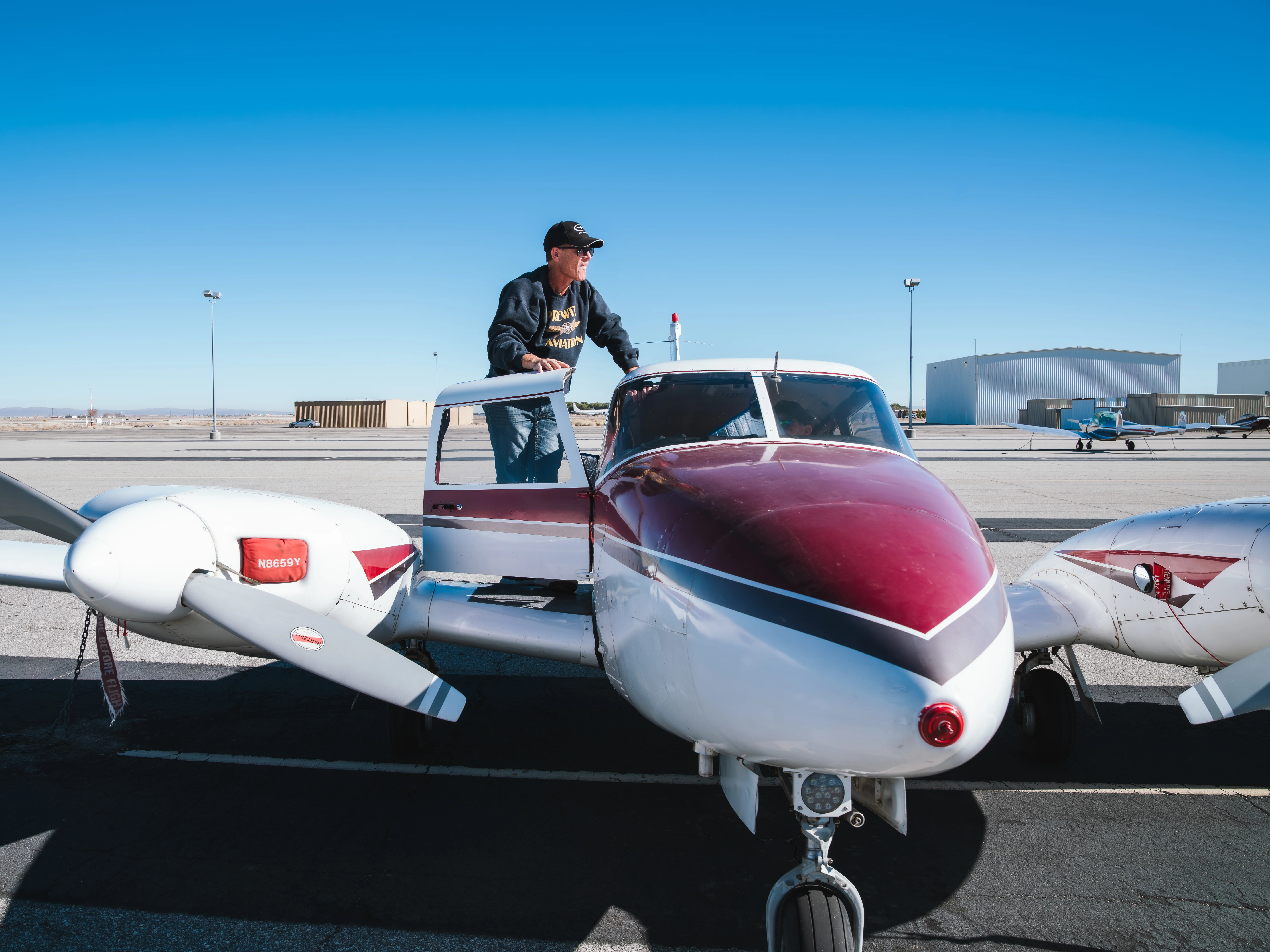
Fly This Aircraft
Ready for Takeoff?
Schedule your flight training or rental block with this aircraft today.
Call us at (661) 948-7779