Commercial Pilot License (CPL)
Transition from hobbyist to professional. Master complex aircraft operations, precision maneuvers, and the professional standards required to get paid to fly.
Stop Paying to Fly. Start Getting Paid.
The Commercial Pilot License is the turning point where aviation shifts from a passion to a profession. It is not just about logging hours; it is about refining your stick-and-rudder skills to a razor-sharp standard and adopting the mindset of a pilot in command.
At MH Aviation, we don't just teach you the maneuvers to pass a test. We train you for the job. You will fly high-performance aircraft in the demanding high-desert environment, mastering energy management and complex systems under the mentorship of instructors with real airline experience.
Program Overview
* MH Aviation instructors are independent contractors and are not employees of MH Aviation.
- • Hold a Private Pilot Certificate
- • Hold an Instrument Rating (Highly Recommended)
- • At least 18 years old
- • Hold a valid FAA Medical Certificate
Precision, Performance, and Professionalism
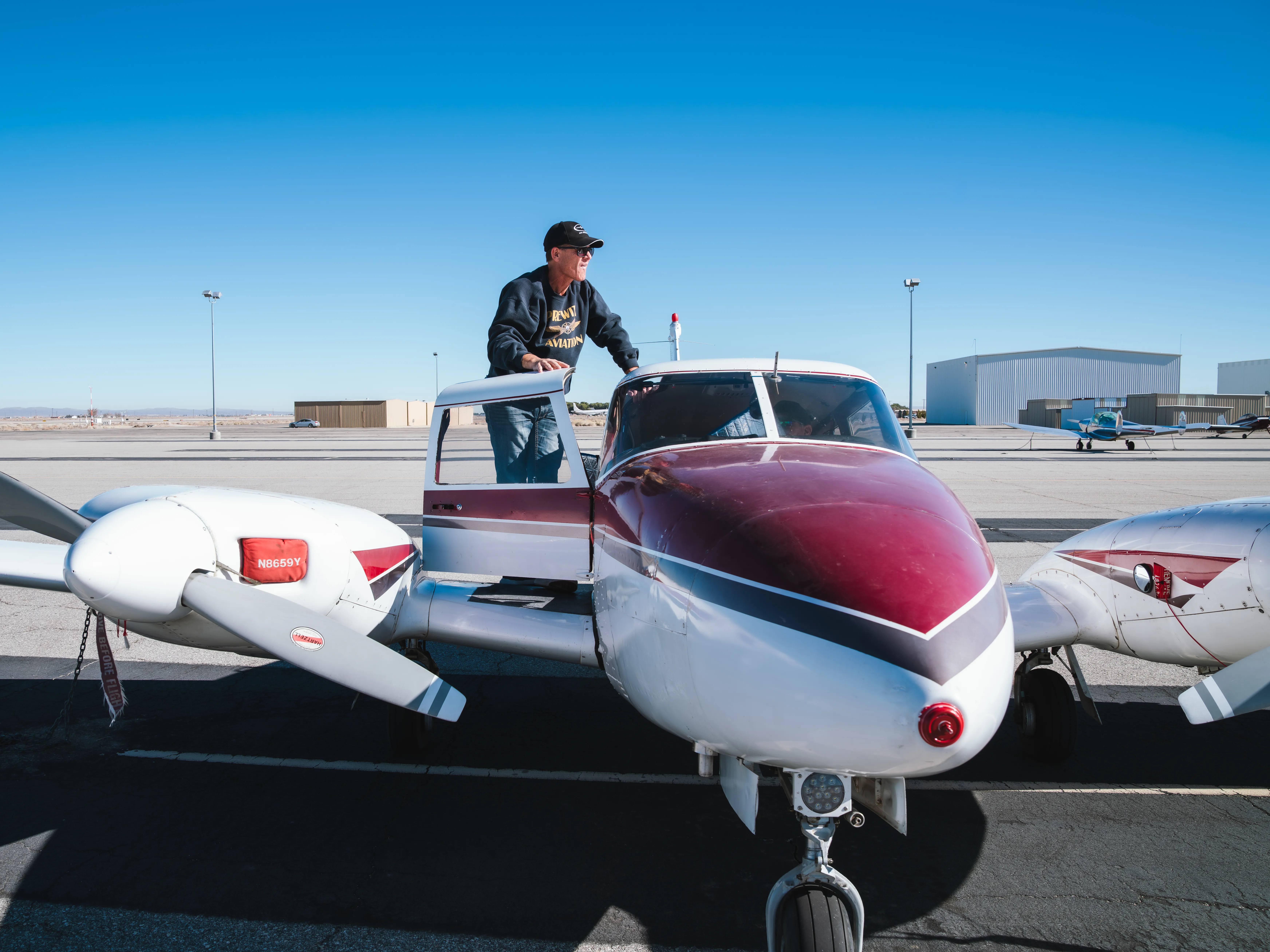
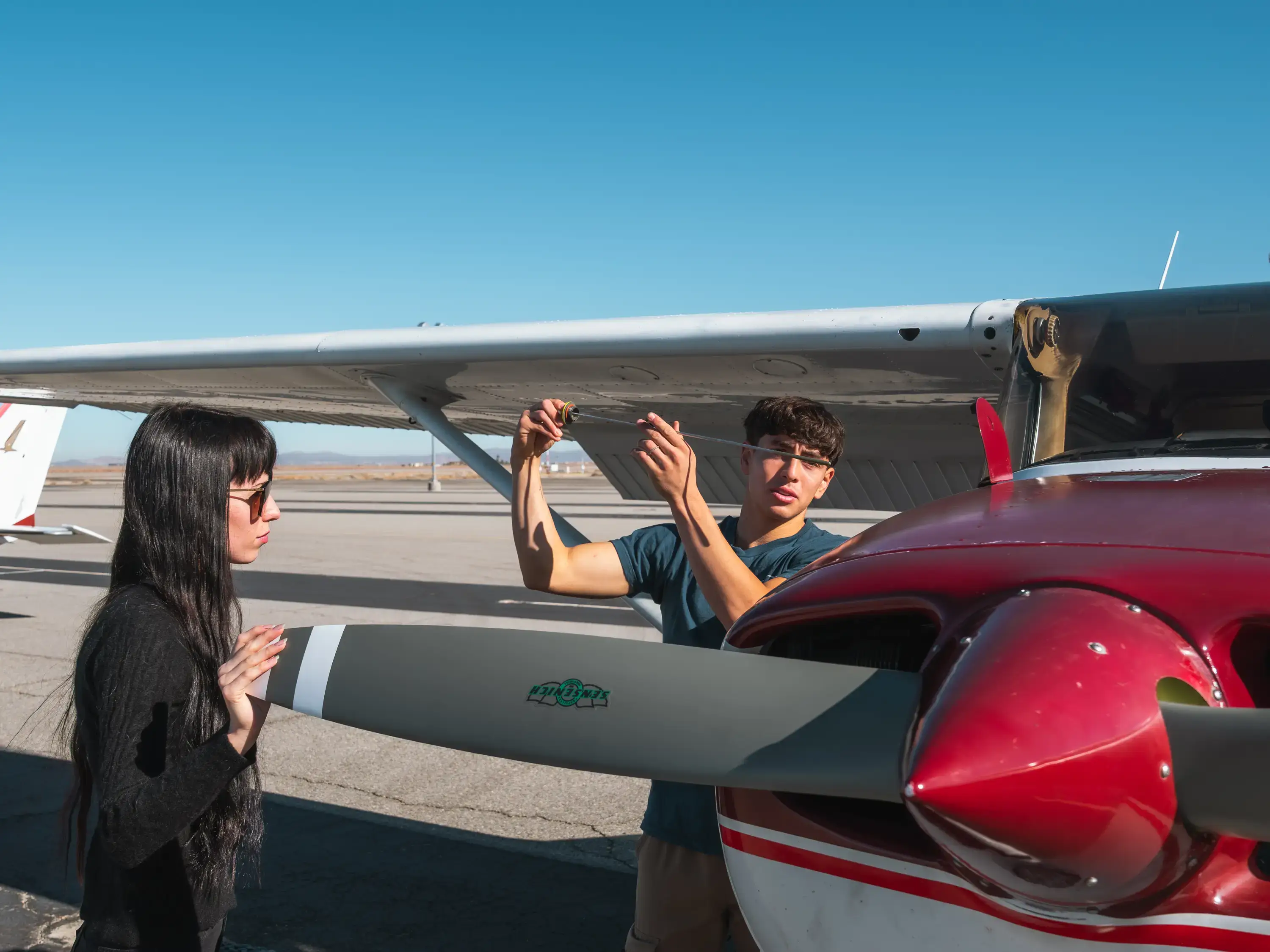
Commercial training is rigorous. You are moving beyond simply keeping the airplane safe to flying it with exact precision. You will master new aerodynamic concepts and complex aircraft systems (retractable landing gear, constant speed propellers).
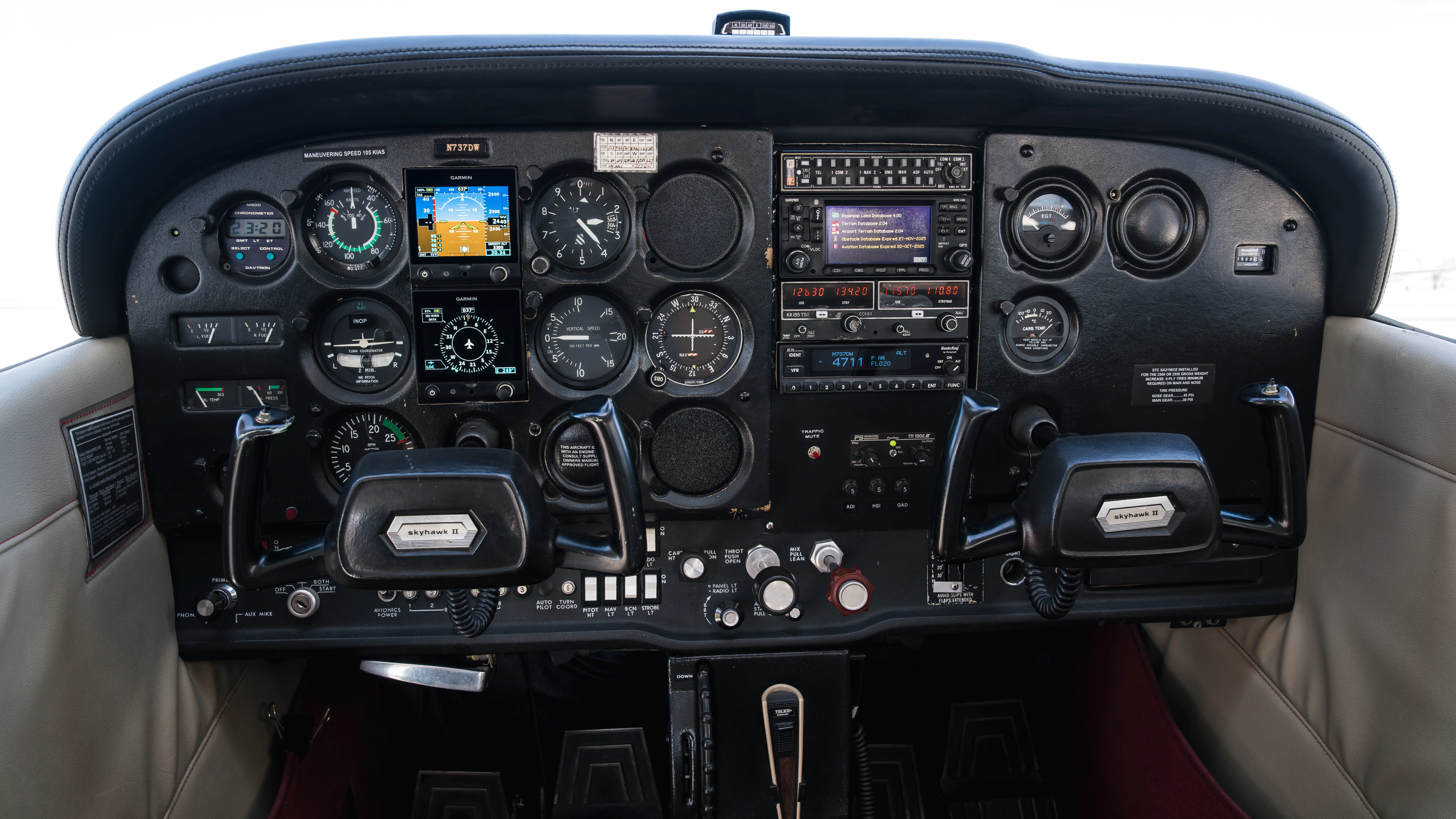
We utilize our upgraded 180 HP Cessna fleet and complex aircraft to teach you superior energy management—a skill that sea-level training in underpowered aircraft often fails to develop.
- Complex Aircraft Endorsements
- Advanced Commercial Maneuvers (Chandelles, Lazy Eights)
- High-Altitude Energy Management
- Professional Crew Resource Management (CRM)
Become a Pro
Ready to upgrade your status?
The airlines are hiring, but they need competent pilots, not just certificate holders. Start your commercial training with a school that prioritizes proficiency.
A Complete Commercial Syllabus
Our curriculum is designed to exceed FAA minimums in terms of skill, ensuring you are comfortable in the pilot's seat of high-performance machinery.
Flight Training
- Commercial maneuvers (Eights on Pylons, Steep Spirals)
- Complex aircraft operations (gear and prop management)
- Night flying and cross-country operations
- Emergency procedures and systems failures
Ground Instruction
- Advanced aerodynamics and aircraft systems
- Commercial regulations (Part 119, 135, 121 overview)
- High-altitude weather & physiology
- Professional pilot conduct and career mentorship
Why Build Your Hours at MH Aviation?
Real Professional Mentorship
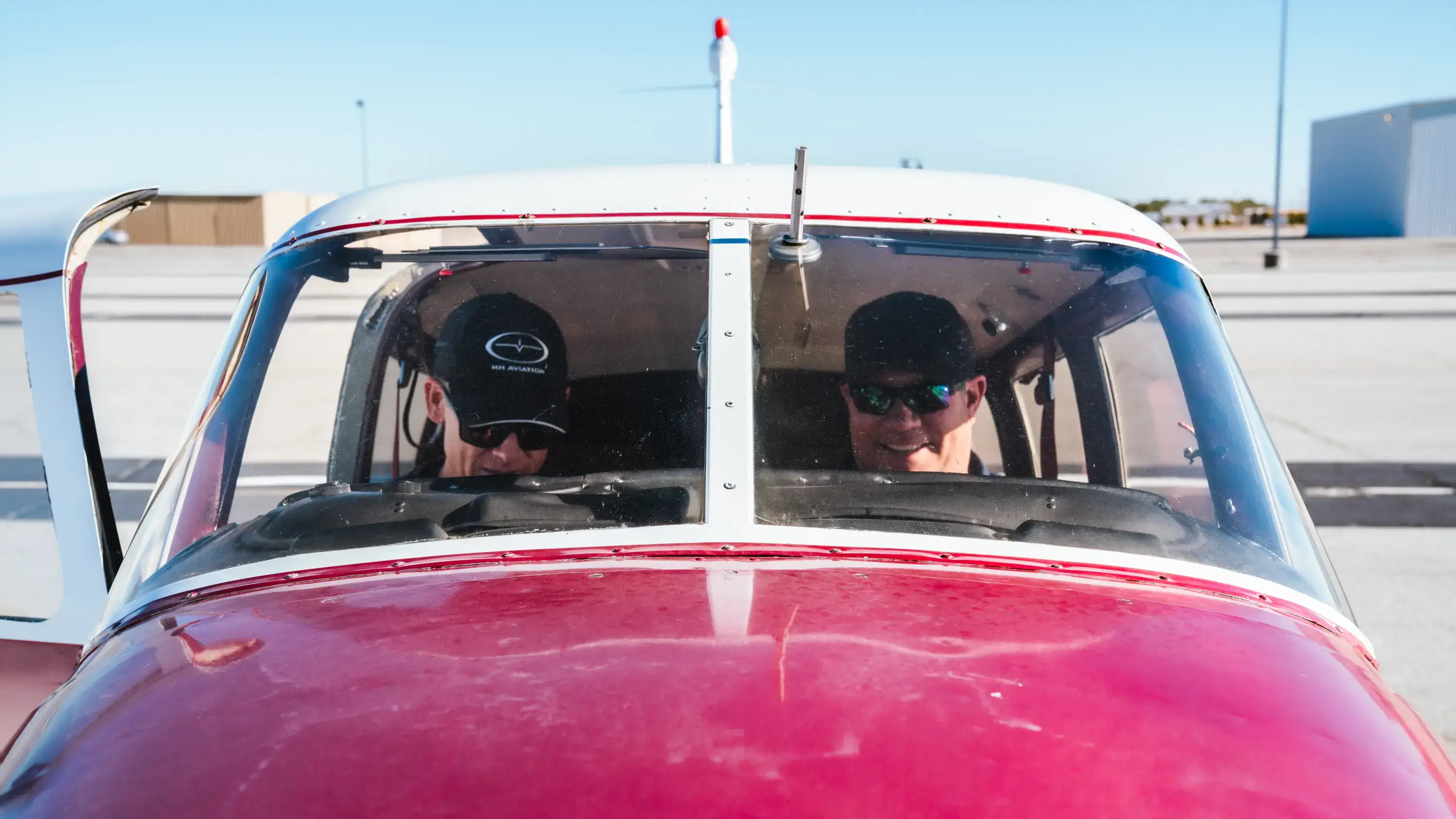
Many schools just pair you with a slightly more experienced student. At MH Aviation, you train under the guidance of instructors with airline experience, such as Joseph Vazquez Miller and Carl Indriago.
This means you aren't just learning to pass a checkride; you are learning the flows, callouts, and decision-making processes used in professional cockpits today.
No 'Time Building' Delays
The biggest killer of commercial training is downtime. You need to build hours, but broken planes keep you grounded.
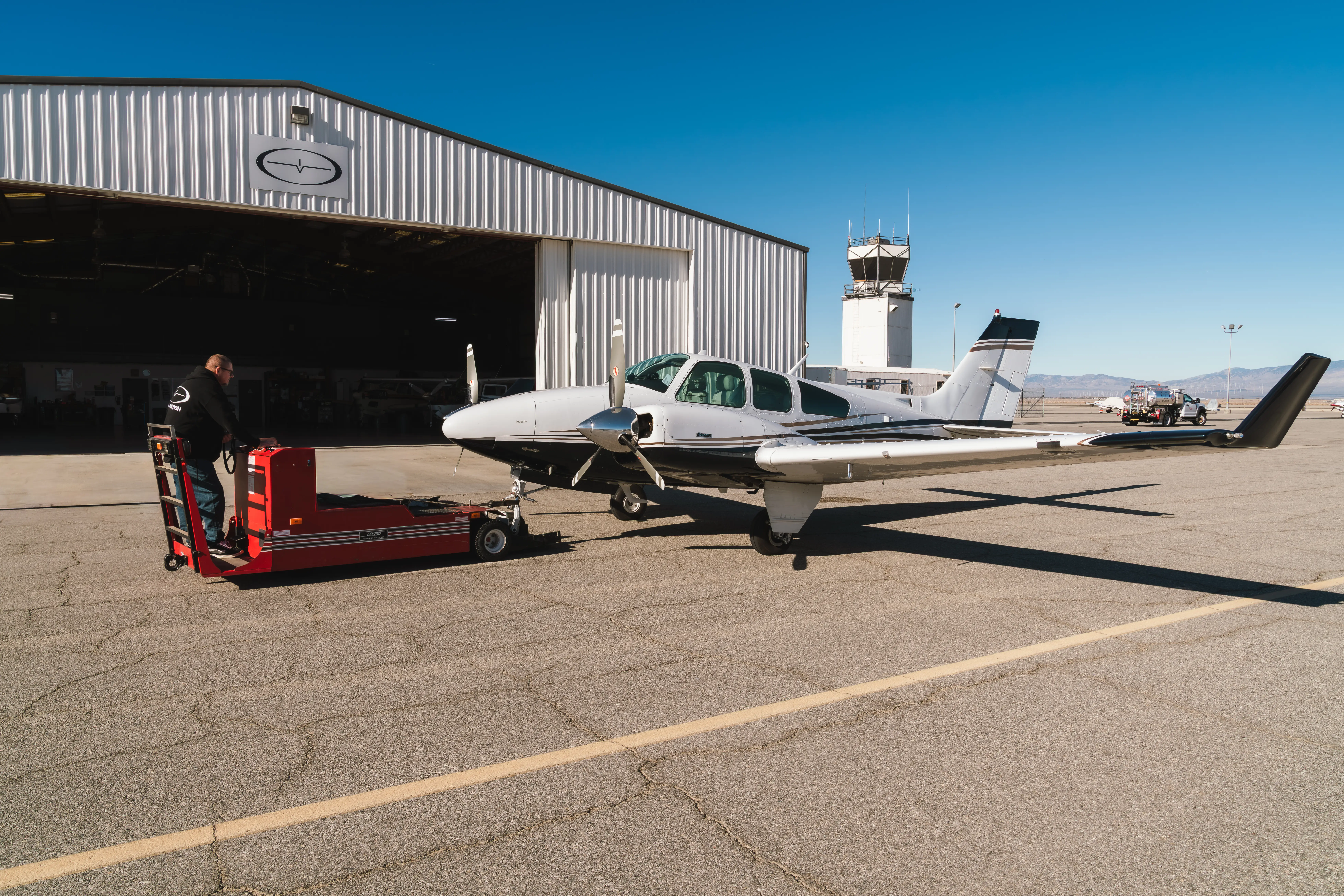
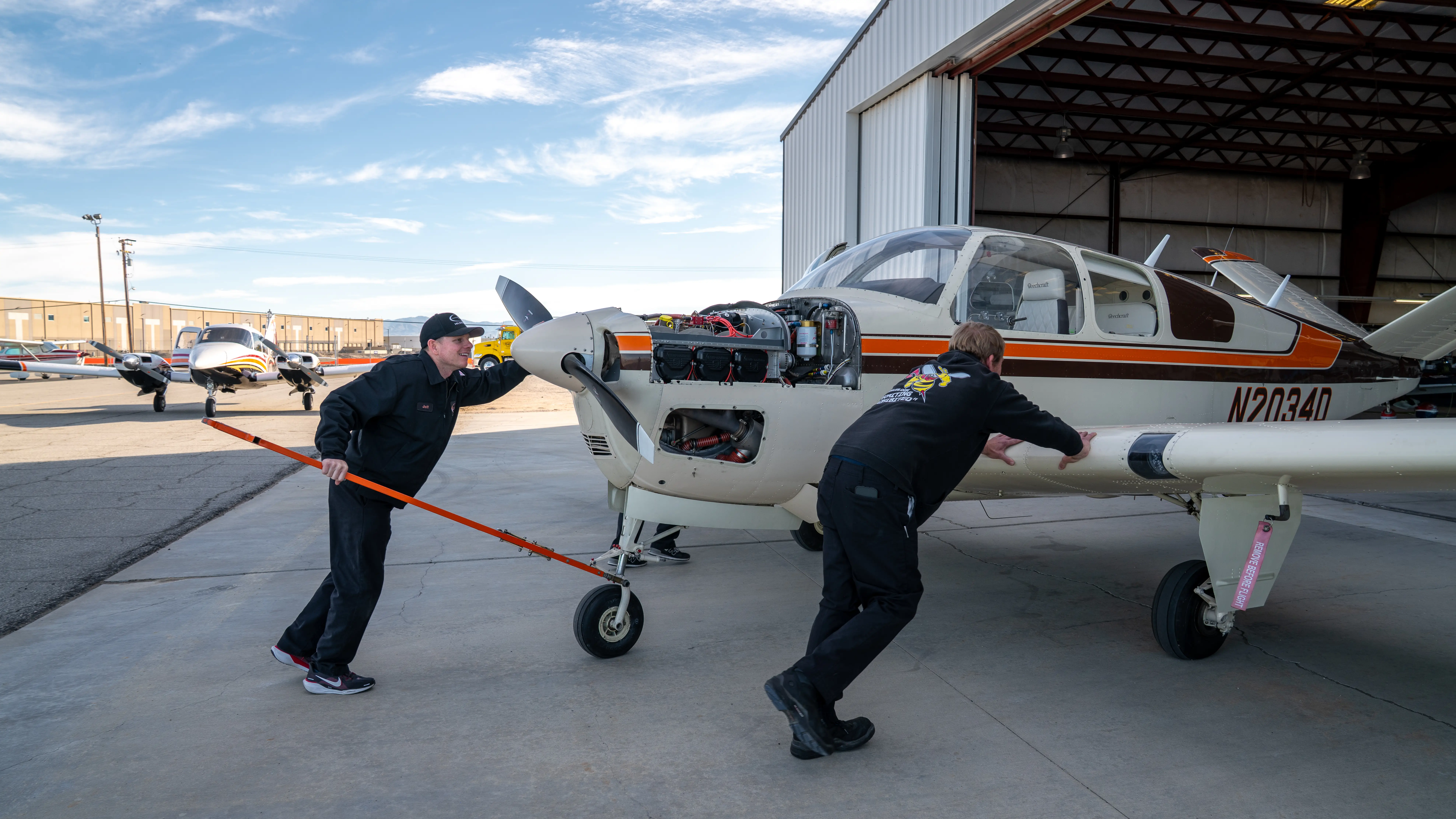
Because we own our maintenance facility (Part 145), our planes are priority one. We keep the fleet flying so you can keep building hours and finish on your timeline, not ours.
- 180 HP engines for superior climb performance and real-world handling
- Fox Field (KWJF) location avoids the 'marine layer' that grounds LA basin flights
- Structured environment to ensure efficient time building
Market Demand
With a projected need for 127,000 new pilots in North America over the next 20 years and median pay exceeding $219k, there has never been a better time to invest in your commercial rating.
TARGET AUDIENCE
Who is the CPL for?
Private pilots who want to make aviation their career
Pilots seeking to improve their precision and aircraft handling skills
Individuals aiming for the airlines, charter, or cargo operations
Casual flyers who do not intend to fly for compensation or hire.
Steps to Commercial Certification
We structure your commercial training to be efficient, combining time-building with advanced skill acquisition.
Time Building & Prerequisites
- Accumulate necessary Pilot-in-Command (PIC) time
- Complete long cross-country requirements
Advanced Maneuvers Training
- Mastery of Chandelles, Lazy Eights, and Steep Spirals
- Precision power-off 180 landings
Complex Aircraft Transition
- Training in retractable gear/constant speed prop aircraft
- Systems management and emergency operations
Checkride Prep
- Mock checkrides with senior instructors
- Final sign-off
Your Roadmap to the Airlines
Obtaining your Commercial Pilot License is the gatekeeper to paid flying jobs. Once licensed, you can legally work as a pilot. For most, this is the stepping stone to Flight Instruction (CFI) to build the requisite 1,500 hours for the airlines.
Potential Roles
* Most airlines require 1,500 total flight hours. The CPL is your ticket to the jobs that will get you there.
Start Your Commercial Career
Discovery Call
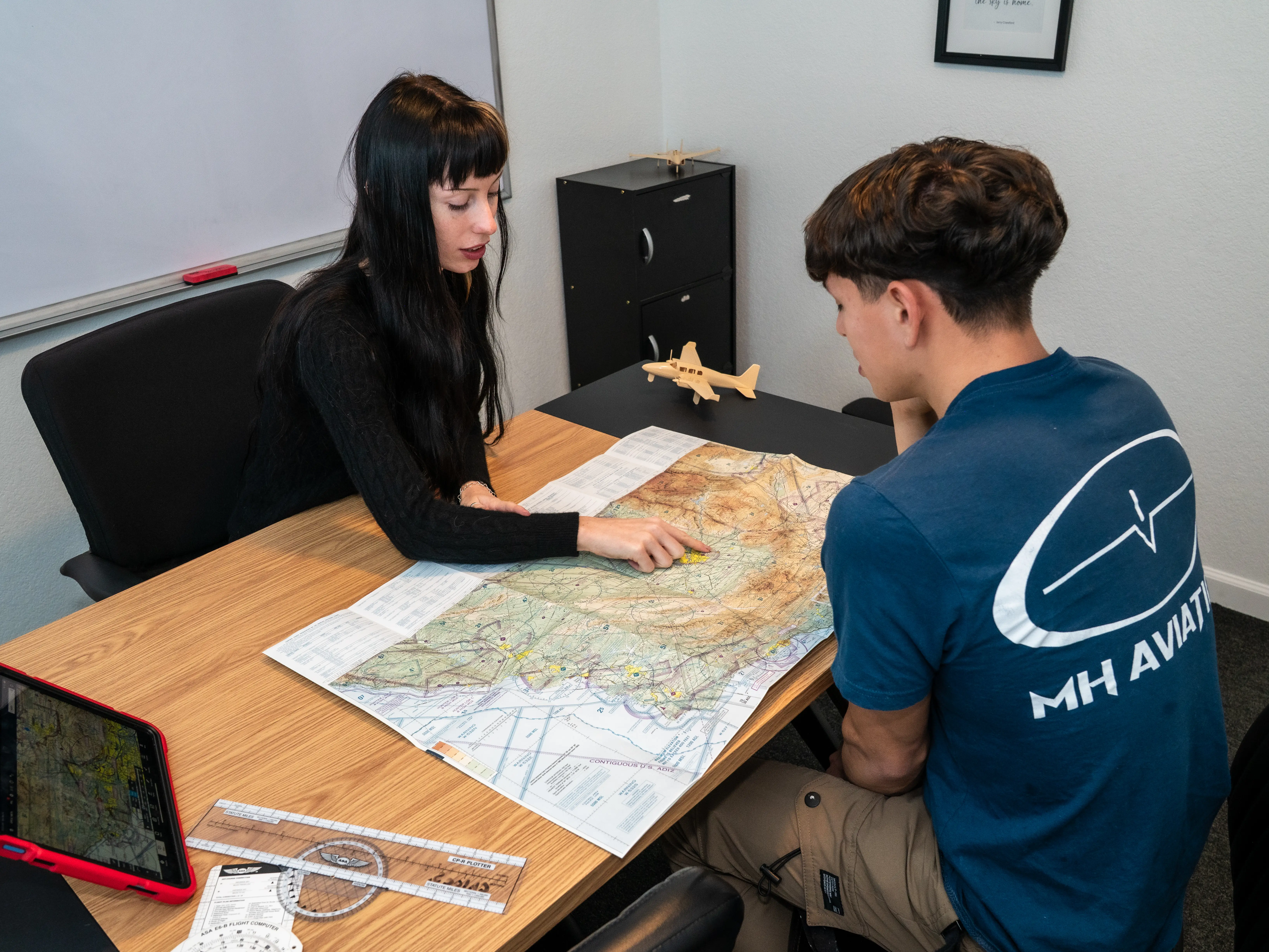
Speak with our admissions team to review your current hours and map out your commercial timeline.
Documents Review
We verify your PPL, medical, and logbook hours to ensure you meet enrollment prerequisites.
Flight Schedule
We pair you with a senior instructor and build a flight schedule that fits your goals.
Commercial Pilot Training Questions
What is the difference between a Private Pilot and a Commercial Pilot?
The primary difference is compensation. A Private Pilot Certificate allows you to fly for pleasure, while a Commercial Pilot Certificate (CPL) allows you to get paid to fly. It is the mandatory bridge between being a hobbyist and a professional, requiring a higher standard of airmanship, precision in commercial maneuvers, and mastery of aircraft systems.
How many flight hours do I need for my Commercial License?
Under FAA Part 61 regulations, you need a minimum of 250 total flight hours to be eligible for the checkride. This includes specific requirements for cross-country flight, instrument training, and complex aircraft operations. At MH Aviation, we structure your time-building phase efficiently so you aren't just burning gas, but actively preparing for professional standards.
Why is the 180HP upgrade important for commercial training?
Commercial checkrides require demonstrating precise energy management and performance maneuvers like chandelles and lazy eights. Our Cessna 172 fleet features 180HP engine conversions, giving you the surplus power and climb performance needed to master these maneuvers confidently, especially in the high density altitude of the High Desert.
Do you offer Complex Aircraft training required for the CPL?
Yes. The FAA requires commercial candidates to have training in a technically advanced airplane (TAA) or a complex aircraft (retractable gear, constant speed prop, flaps). We provide this training in-house, ensuring you meet all complex endorsements and logbook requirements without needing to rent from a third party.
Can I start Commercial training without an Instrument Rating?
Technically yes, but it is not recommended. If you obtain a Commercial License without an Instrument Rating, you will be restricted from carrying passengers for hire on flights beyond 50 nautical miles or at night. To be a hireable professional pilot, you should complete your Instrument Rating (IR) before finalizing your Commercial ticket.
How does training at Fox Field (KWJF) help my career?
Fox Field offers two distinct advantages for career pilots: weather and wind. Unlike flight schools in the LA basin that get grounded by the marine layer, we fly almost every day. Furthermore, the High Desert wind conditions force you to master crosswind landings early, making you a 'stick and rudder' pilot with superior handling skills compared to those trained in calm coastal air.
Who will be instructing me?
You will be trained by instructors who are focused on airline standards. Our team includes mentors with active airline experience (such as Joseph Vazquez Miller and Carl Indriago), ensuring that you aren't just learning to pass a test, but learning the cockpit resource management (CRM) and professionalism required by major carriers.
How long does it take to complete the CPL program?
Because we own our own Part 145 Repair Station, our fleet availability is significantly higher than the industry average. If you fly full-time and have your prerequisites met, the specific commercial training module can often be completed in a matter of weeks, provided you have met the 250-hour total time requirement.
Are there budget-friendly options for commercial training?
While we do not currently offer direct financing, our aircraft rates are significantly lower than the regional average (approx. $155/hr vs $205/hr). Our 'pay-as-you-go' structure allows you to build your hours at your own pace without the burden of large student loans.
What is the next step after getting my Commercial License?
For most pilots, the next step is the Certified Flight Instructor (CFI) rating. While you are legally allowed to work with a CPL, low-time jobs are scarce. Becoming a CFI at MH Aviation is the most reliable way to build the 1,500 hours required for an Airline Transport Pilot (ATP) certificate while earning an income.
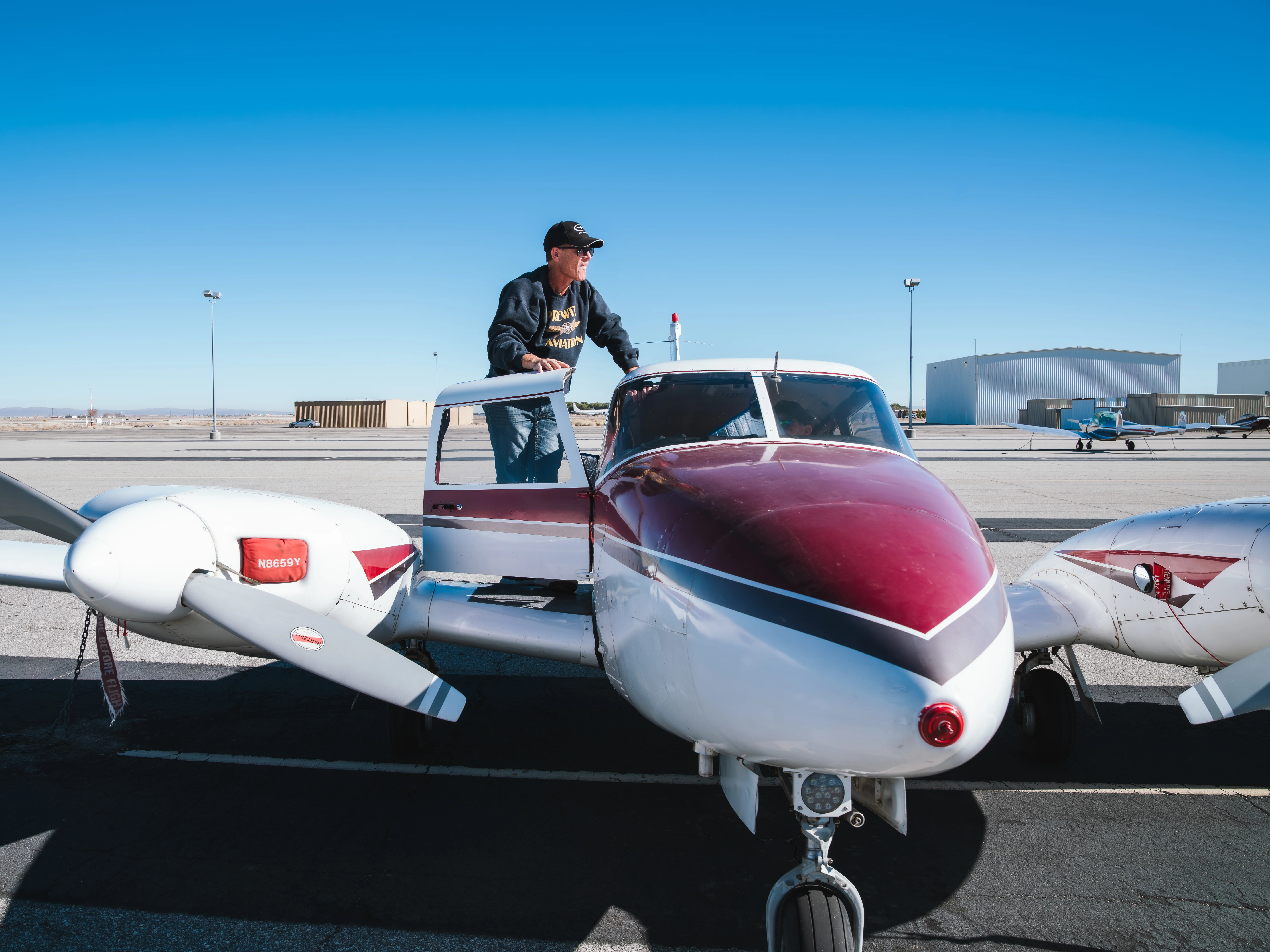
Fly This Aircraft
Ready for Takeoff?
Schedule your flight training or rental block with this aircraft today.
Call us at (661) 948-7779