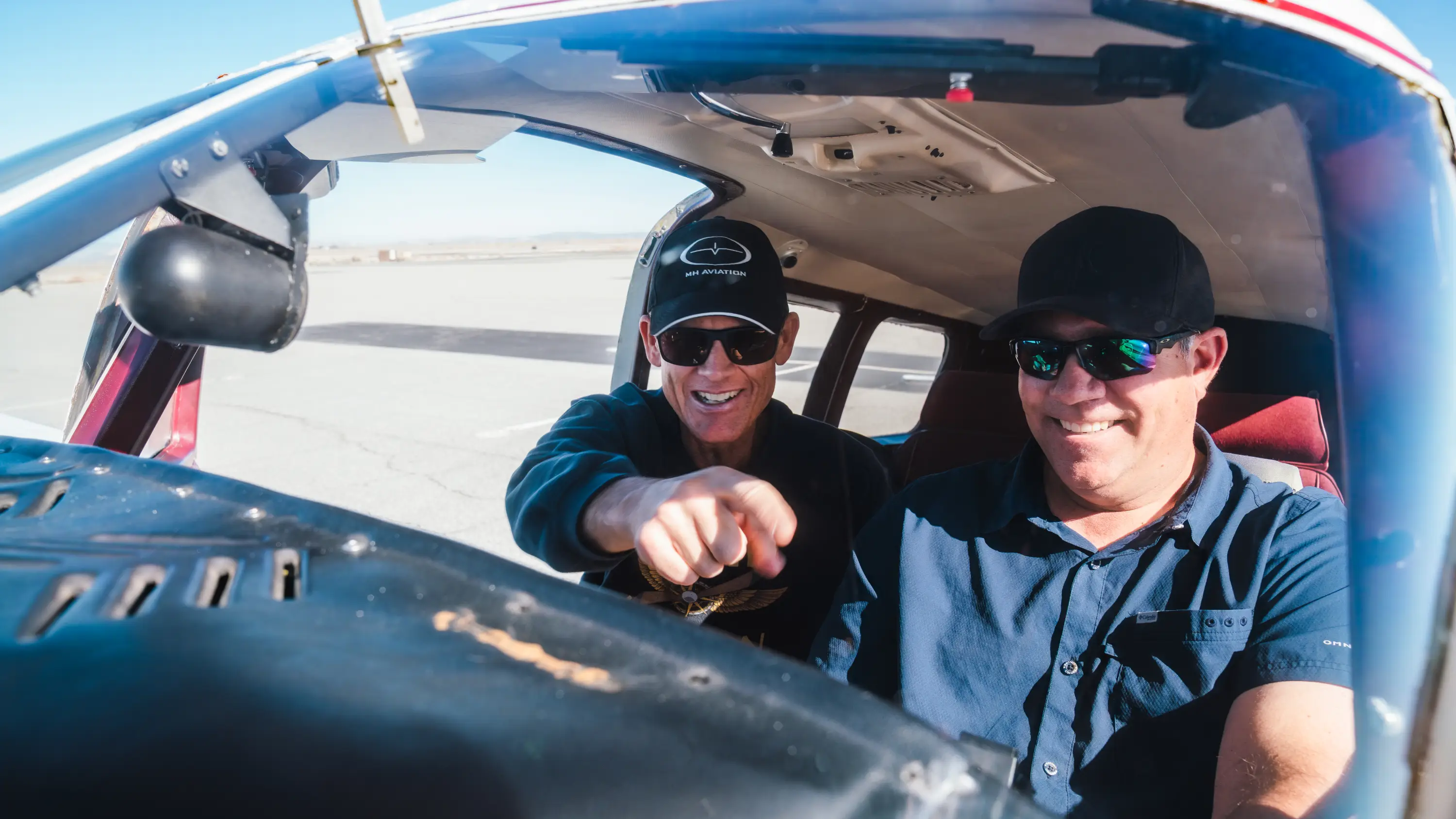
1,500 Hour Rule and Restricted ATP
Answers about the 1,500 hour rule, restricted ATP, how long it takes and what it costs to build airline ATP hours, from MH Aviation at Fox Field in Lancaster, CA.
Browse 1,500 Hour Rule and Restricted ATP FAQs
Get detailed answers about our pilot training programs, costs, and career pathways.
Select a category below to view targeted frequently asked questions, or search the entire database of questions.
Answers about the 1,500 hour rule, restricted ATP, how long it takes and what it costs to build airline ATP hours, from MH Aviation at Fox Field in Lancaster, CA.
Browse 1,500 Hour Rule and Restricted ATP FAQs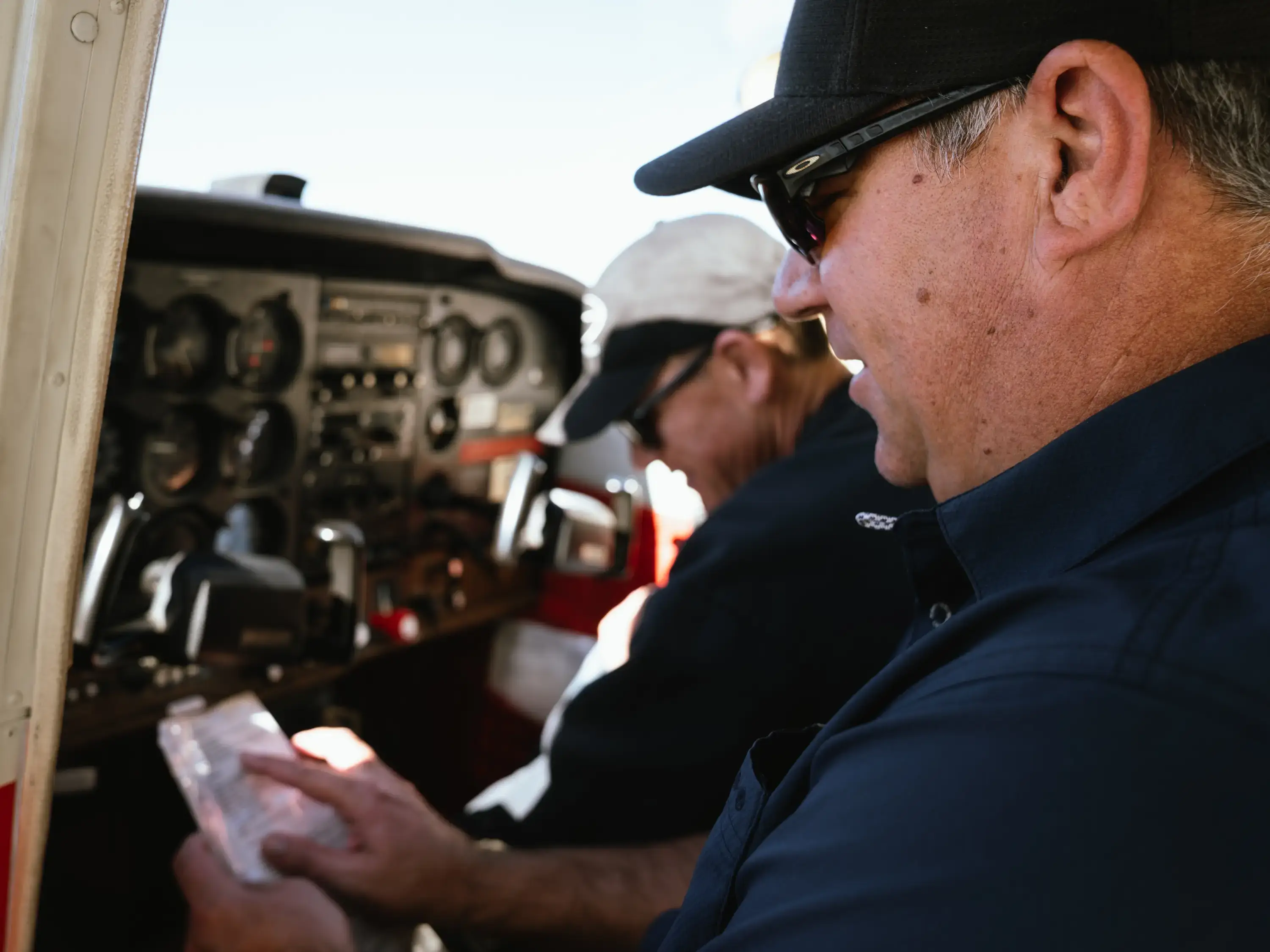
Find answers about instrument rating cost ($195/hr), FAA flight hours, Garmin G5 glass cockpit training, and weather factors at Fox Field in Lancaster, CA.
Browse Instrument Rating FAQs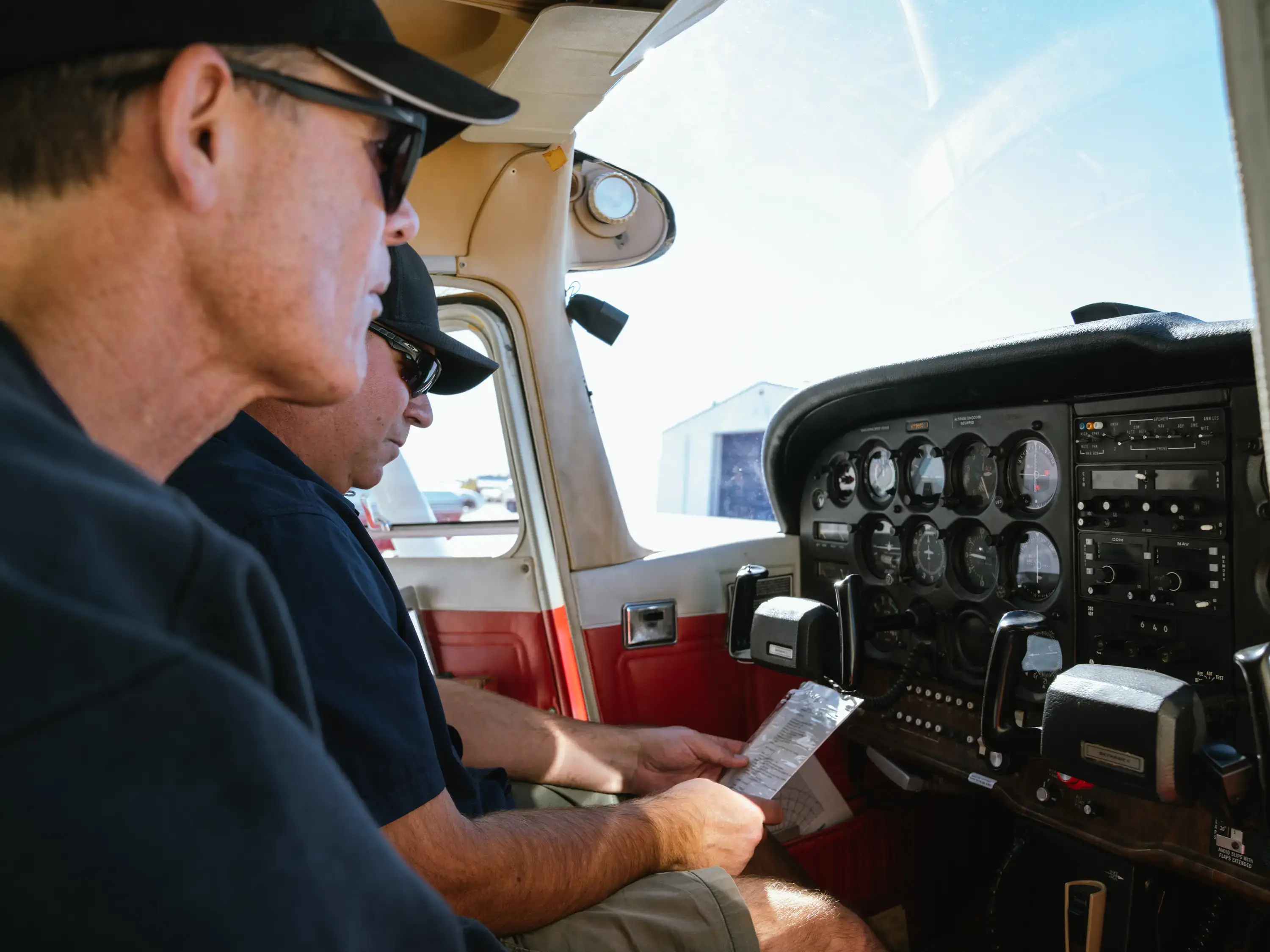
Answers to the most common FAA flight review questions: what FAR 61.56 requires, how the 24-calendar-month rule works, exemptions, the endorsement, and booking a BFR at Fox Field in Lancaster, CA.
Browse Flight Review (BFR) FAQs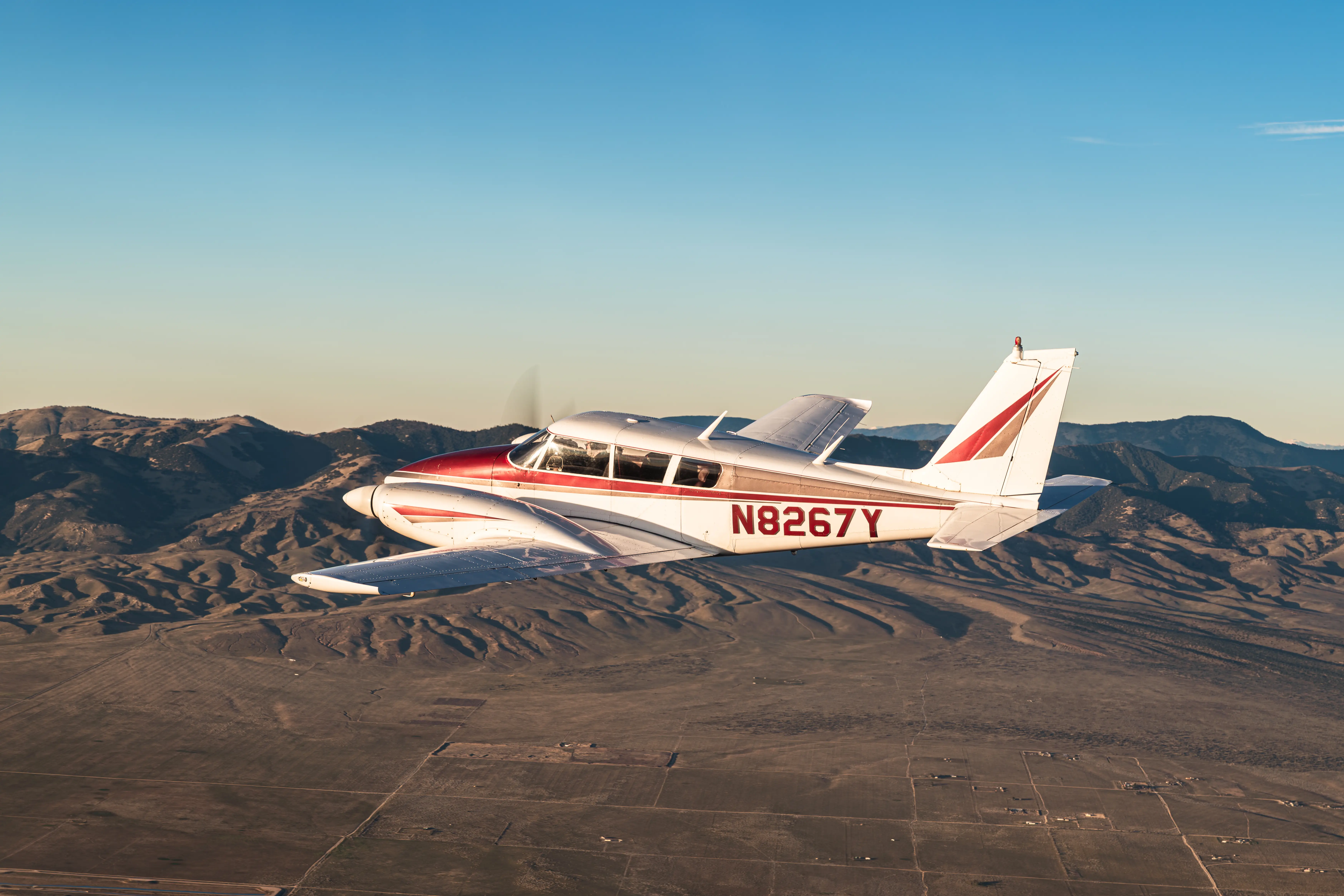
Find answers about multi-engine rating cost ($305/hr), training timeline, twin-engine safety, and the Safety Pilot time-building program in Lancaster, CA.
Browse Multi-Engine FAQs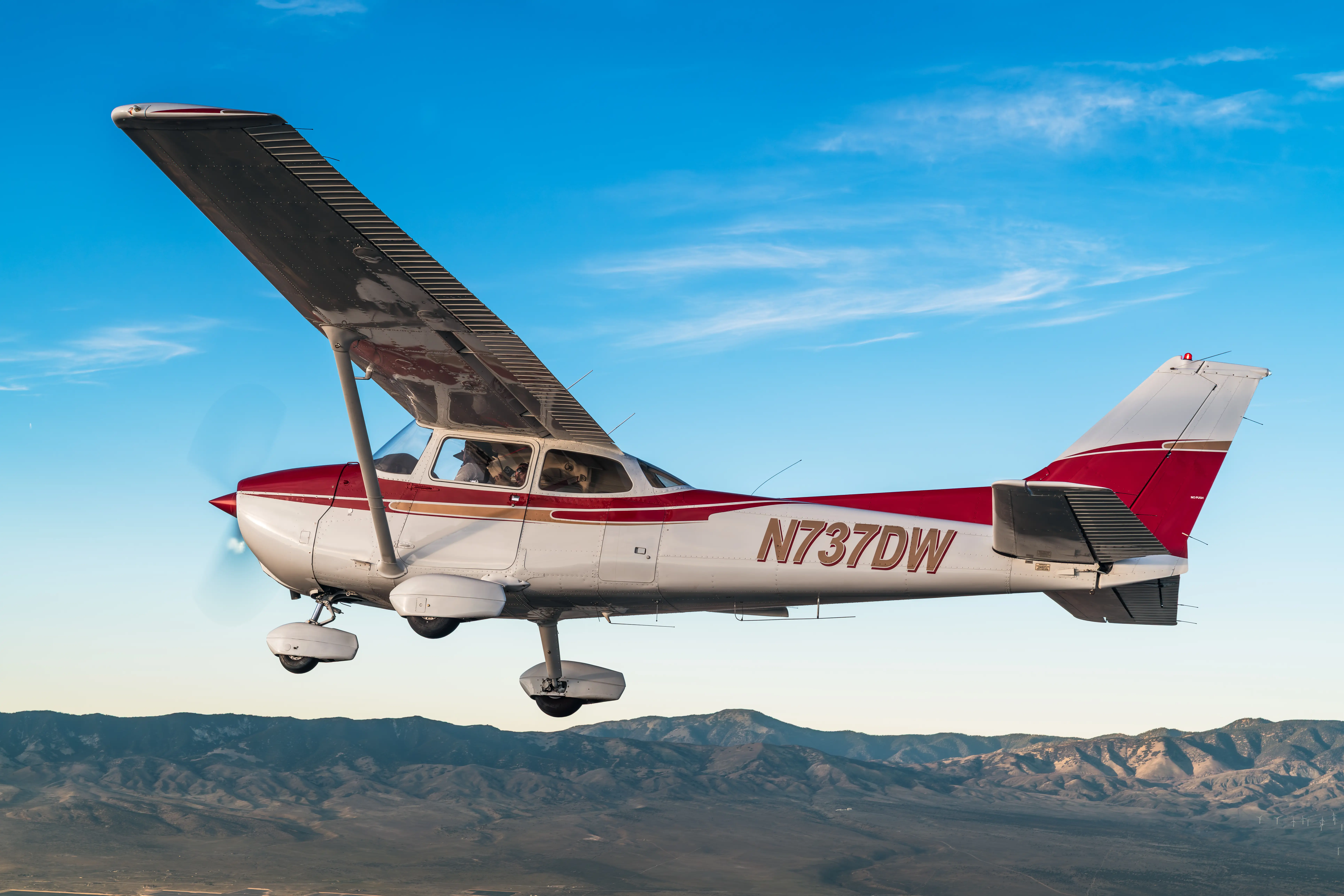
Answers to the top questions new pilots ask about pilot salary, CFI pay while building hours, airline pay progression, and whether a professional pilot career is worth the training investment.
Browse Pilot Salary & Career Outlook FAQs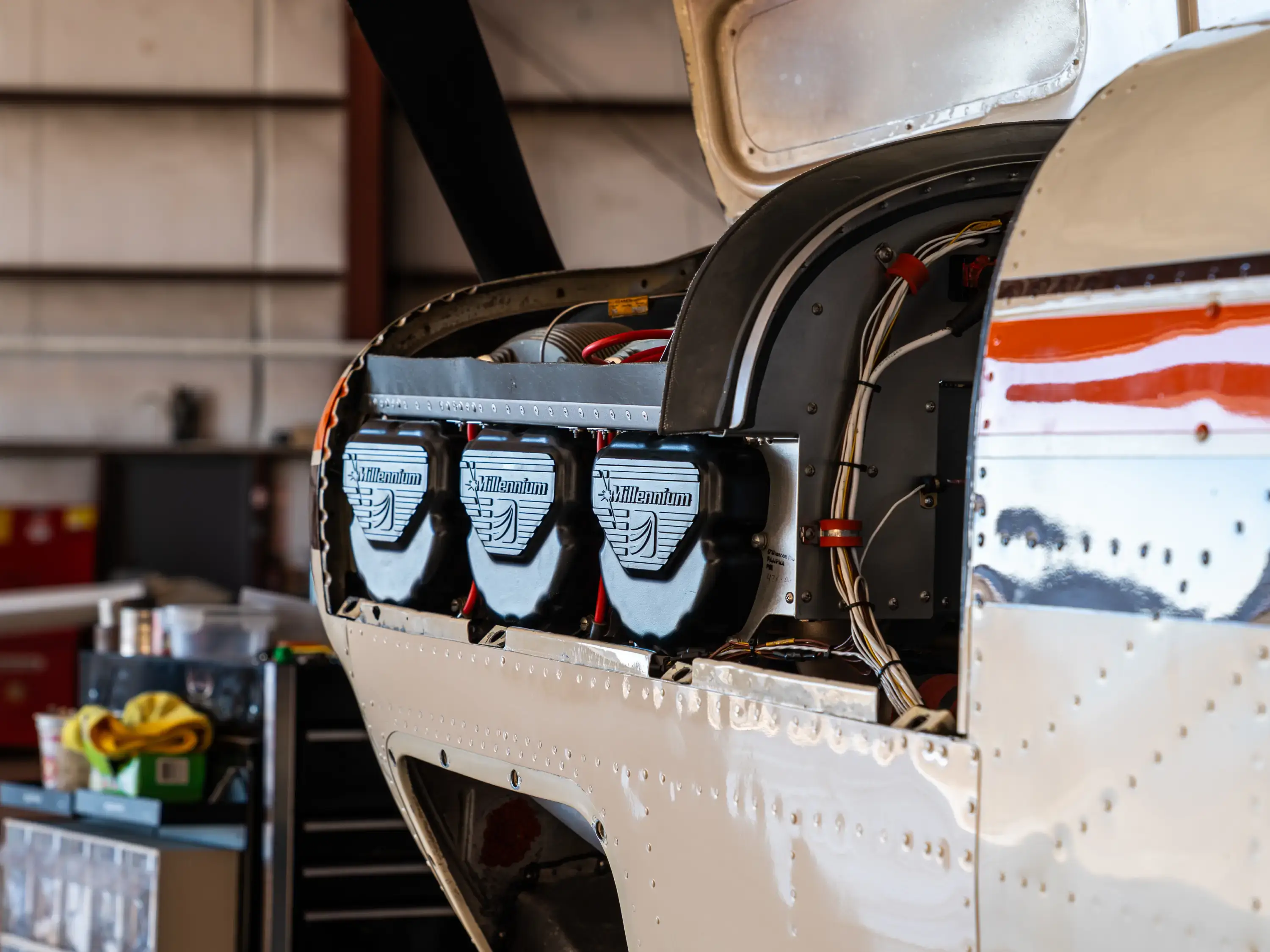
Answers to the top aviation safety questions new pilots ask about aircraft maintenance, FAA oversight, instructor training, and flying at Fox Field in Lancaster, CA.
Browse Aviation Safety FAQsThe FAA generally requires 1,500 hours of total time as a pilot to hold an airplane Airline Transport Pilot (ATP) certificate, which airline pilots need to fly for a Part 121 airline. For a career pilot the rule works like a finish line, and every certificate you earn is a step toward it. At MH Aviation we build your training plan around the full requirement, and our explanation of the 1,500 hour rule is a good place to start reading.
No. The 1,500 hours must include 500 hours of cross-country, 100 of night, 75 of instrument, 50 in the class of airplane and 250 as pilot in command. A pilot with 1,500 total hours can still fall short of one of those minimums. We help students track each category from the first lesson, and our guide to what counts toward the 1,500 hours shows how each type of time is logged.
A restricted privileges ATP lets qualifying pilots apply with fewer total hours: 750 for military pilots, 1,000 for bachelor's degree graduates and 1,250 for associate's degree graduates, each with 200 hours of cross-country. The degree must come from an FAA-authorized program with approved Part 141 training. If you are weighing a degree route against a certificate path, we walk through both with you, and our guide on restricted ATP explains the conditions.
It usually takes two to five years from the first lesson, depending on how many hours you fly each month. Training runs about a year for a full-time student, and building time as an instructor takes the rest. A student who flies 60 hours a month in the building phase finishes sooner than one who flies 20. We map your timeline month by month in our guide on how long it takes to reach 1,500 flight hours.
There is no single number, because the cost depends on how you build hours after training. Our single-engine training aircraft start at $170 an hour wet, with instructor time billed at $80 an hour. Time building as an instructor can offset much of the second phase, while renting aircraft for that phase can cost six figures. Our breakdown of the cost of building 1,500 flight hours shows the math, and our rate sheet has current numbers.
Yes, as a flight instructor. A certificated flight instructor may log pilot-in-command time for all flight time while serving as the authorized instructor, so instructing both pays and builds your logbook. Pay and available hours depend on student demand. MH Aviation prioritizes its own graduates for instructor positions, subject to availability and performance, and you can read how the certificate works in our CFI guide.
The standard ATP does not require a degree, and a degree is how some pilots qualify for the reduced-hours route. Airlines set their own hiring requirements, which can go beyond the FAA minimum, so check the companies you want to fly for. We cover the question in depth in our guide on whether you need a degree.
No. Reaching the hours makes you eligible for the ATP under FAA rules, and hiring is a separate process with its own requirements. Think of 1,500 hours as the point your options open. We help students plan the time before it so their logbook and record are ready when it arrives.
Start with a first flight at Fox Field in Lancaster. You will meet the instructors, see the fleet and the maintenance hangar, and talk through a plan for your goals. From there, our Zero to Airlines program lays out each certificate on the way to the hours you need. There are no waitlists, so you can usually begin soon after you decide.
The Instrument Rating is often called the 'life insurance' of aviation. It equips you with the skills to fly solely by reference to instruments, allowing you to safely navigate through clouds, fog, and low visibility. For career-track pilots, it is non-negotiable—airlines operate under IFR (Instrument Flight Rules) 100% of the time, and you cannot obtain a Commercial Pilot License without instrument proficiency.
Our single-engine Cessna 172 fleet is available at a competitive wet rate of $195/hr, which includes fuel. Flight instruction is $80/hr. Because we maintain our fleet in-house at our Part 145 Repair Station, you avoid the 'maintenance gaps' that cause training delays and cost overruns.
We believe in training for the future, not the past. Airlines and modern charter operators fly 'glass,' not steam gauges. Our recent $150,000 fleet upgrade ensures you master the same digital avionics, situational awareness tools, and scan patterns used in professional jets, reducing the learning curve when you transition to complex aircraft.
The biggest delay in flight training is the 'marine layer'—a persistent fog that grounds schools in the LA Basin for weeks at a time. Located in the High Desert, Fox Field enjoys over 300 flyable days a year. This consistent weather allows you to fly more frequently, retain muscle memory better, and finish your rating significantly faster than the national average.
You must hold a Private Pilot License (PPL) and a current FAA Medical Certificate. While the FAA requires 50 hours of Cross-Country (XC) Pilot in Command time for the checkride, you can (and should) start your instrument training while building these hours, making your time building more efficient and educational.
It is different. While PPL is about stick-and-rudder skills, the Instrument Rating is about precision, workload management, and mental discipline. It requires a higher level of study regarding weather and regulations. However, our structured curriculum and 'family-style' mentorship break these complex topics down into manageable steps, ensuring you never feel overwhelmed.
Absolutely. While many schools simulate weather with a hood, we take advantage of safe, actual IFR conditions when they present themselves. Logging 'actual' instrument time builds a level of confidence and competence that simulated training simply cannot match, preparing you for real-world commercial operations.
It matters for safety and performance. High density altitude in the desert can limit standard aircraft. Our 180 HP conversions provide superior climb rates and performance margins, giving you a safer training platform for practicing missed approaches and complex instrument procedures in real-world conditions.
To act as pilot in command of an aircraft, 14 CFR § 61.56 requires that you have completed a satisfactory flight review within the preceding 24 calendar months. The review must include a minimum of 1 hour of ground training on the current general operating and flight rules of Part 91 and 1 hour of flight training on the maneuvers and procedures necessary to safely exercise your certificate privileges. Those are floors, not targets. The actual time is at the instructor's discretion.
The FAA counts calendar months, so your currency runs through the last day of the 24th month, not the anniversary of the flight. A flight review completed on June 5, 2026 is good through June 30, 2028. That extra partial month is free, but do not plan a trip around it. Schedule the next review before the final weeks, when weather and instructor availability get tight.
No. A flight review is a training event, not a practical test, and there is no regulatory entry for an unsatisfactory flight review. If your flying or your regulatory knowledge needs work, the instructor logs the session as dual instruction given and you keep training until you meet the standard. Nothing negative goes in your logbook and nothing is reported to the FAA.
Two paths cover most pilots. First, passing an FAA practical test for a new pilot certificate, rating, or operating privilege within the preceding 24 calendar months satisfies the review, so a new instrument rating or multi-engine rating resets your clock. Second, completing one or more phases of the FAA WINGS Pilot Proficiency Program satisfies it. Passing a practical test for the issuance, renewal, or reinstatement of a flight instructor certificate also counts. Our FAA flight review page breaks each path down.
It is a logbook entry, not a certificate or a card. Your instructor certifies that you satisfactorily completed a flight review under 14 CFR 61.56(a), then dates and signs it with their CFI certificate number and expiration date. Bring your physical logbook to the session so the endorsement has somewhere to live, and read it before you leave to confirm the date and regulation are right. Our biennial flight review checklist walks through everything else worth bringing.
Plan on roughly two to three hours at the airport for a prepared pilot who flies regularly: one hour of ground, one hour of flight, plus brief and debrief. Pilots returning after a long layoff frequently need more, and that is normal; the instructor signs the endorsement when the flying meets the standard, not when the clock hits two hours. Studying current Part 91 rules beforehand and flying one warm-up hour is the single most effective way to keep it to one session.
You are paying for aircraft time plus instructor time. Our upgraded Cessna 172N/P fleet rents at $195 per hour wet, fuel included, and instruction is billed separately at our published hourly rate, so call us at (661) 518-2700 for a current quote on a typical two-hour review block. If you own your aircraft you can fly the review in it and pay only for instruction, and owners often schedule the review alongside their annual inspection at our on-site Part 145 Repair Station.
Bring your pilot certificate, government-issued photo ID, your medical certificate or BasicMed documentation, and your pilot logbook. If you are flying your own airplane, bring its airworthiness certificate, registration, operating limitations, weight and balance, and current annual and transponder inspection dates. Many instructors also open with a cross-country planning scenario, so arrive with a realistic route, weather, and a diversion plan already worked out.
Legally, a satisfactory flight review is what restores your PIC privileges, and your private pilot certificate itself never expires. Practically, most pilots returning after a multi-year break want a few hours of refresher flying before the review, and we build that as a short getting-current block rather than stretching the review itself. If you plan to carry passengers, remember you also need three takeoffs and landings in the preceding 90 days under FAR 61.57.
Nothing happens to your certificate. It does not expire or lapse. You simply cannot act as pilot in command until you complete a satisfactory flight review. There is no penalty, no reinstatement paperwork, and no FAA involvement. You can fly with a CFI as dual instruction any time, so an expired review is a scheduling problem, not a regulatory one. Call us and we will get you on the schedule.
Only in narrow circumstances. Under 14 CFR 61.56(i), flight simulators and flight training devices may be used to meet flight review requirements when used as part of an approved course at an FAA-certificated Part 142 training center. Because we focus on practical general aviation training, every flight review at MH Aviation is flown in an actual aircraft.
The FAA deliberately leaves the content to the instructor, which is why a good review is built around your flying rather than a fixed script. Most sessions include slow flight, power-on and power-off stalls, steep turns, a simulated engine failure, and a mix of normal, short-field, and soft-field landings. If you fly long cross-countries, expect more diversion planning and airspace work. If you fly locally on weekends, expect more emergency procedures and pattern work.
We are the only multi-engine training provider in the Antelope Valley. By training at Gen. William Fox Airfield (KWJF) in Lancaster, you avoid the heavy congestion and airspace delays of the Los Angeles basin. Plus, our rates are significantly lower—you will save approximately $100 per hour compared to LA area flight schools.
Our Piper Twin Comanche (PA-30) is available at an industry-leading rate of $305/hr (Wet), which includes fuel. Flight instruction is $90/hr. For pilots who already hold the rating and want to build multi-engine time, we offer a Safety Pilot Program at a reduced instruction rate of $60/hr.
Because this is typically an 'add-on' rating to an existing Private or Commercial certificate, it is highly accelerated. Most students who train consistently can complete the entire ground and flight curriculum in 7 to 14 days.
You will train in our Piper PA-30 Twin Comanche. The Twin Comanche is a highly responsive, stable, and efficient twin-engine aircraft. It is the perfect platform for mastering asymmetric thrust, engine-out aerodynamics, and systems management without the excessive fuel costs of larger twins.
Yes. You must hold at least a Private Pilot Certificate and a current FAA Medical Certificate. While an Instrument Rating is not legally required to add a multi-engine rating, we highly recommend having it if you plan to fly the aircraft in IFR conditions or pursue a professional career.
No. The multi-engine training and checkride will satisfy the requirements for operating a complex aircraft (retractable gear, flaps, and controllable-pitch propellers). You will receive these endorsements as part of your multi-engine rating endorsement.
To help pilots build the multi-engine hours required for airline hiring, we offer a Safety Pilot Program. You can split the cost of the aircraft with another rated pilot while one flies under the hood and the other acts as safety pilot, or fly with our instructors at a reduced rate of $60/hr.
Safety is our absolute priority. We perform all simulated engine failures at safe altitudes and strictly adhere to FAA Practical Test Standards (ACS). We use 'zero-thrust' throttle settings to simulate the drag of a feathered propeller without actually shutting down the engine, ensuring a safe and controlled learning environment.
Yes. Earning your initial Commercial Certificate in a multi-engine aircraft (Commercial Multi-Engine Land) is a common path for career-track pilots. This allows you to meet the commercial requirements while simultaneously gaining valuable twin-engine experience.
Pilot salary varies a lot by career stage and employer, but the ceiling is high: the U.S. Bureau of Labor Statistics puts median pay for airline pilots, copilots, and flight engineers at $226,600 (May 2024 data). Pay starts lower at the regional and instructor level and climbs quickly as you build hours and seniority. We break down what pilots actually earn at each stage — CFI, regional, and major airline — in our full pilot salary breakdown and on our future for pilots page.
CFI pay is one of the most overlooked parts of the pilot salary conversation. Instructing is the most common path to the 1,500 hours airlines require, and MH Aviation actively hires CFIs, so you're drawing a paycheck and logging hours at the same time instead of paying out of pocket to time-build. Exact pay depends on flight schedule and experience — reach out and we'll walk you through current instructor pay at MH Aviation.
Regional first-officer pay has risen sharply over the last several years as airlines compete for talent during the ongoing pilot shortage, with rapid pay increases tied to seniority and upgrade to captain. The BLS reports a broader $122,670 median for commercial pilots, a category that includes many regional and charter roles, though it's a fast-moving number — we'd rather point you to current regional airline pay scales directly than quote a figure that could be outdated by the time you read this.
This is where pilot salary tops out. Senior captains at major carriers are a large part of why the BLS reports a national median pilot salary of $226,600, with total compensation often running higher with signing bonuses and profit sharing during the current hiring boom.
For most students planning a professional career, yes — the training investment is front-loaded, but pilot salary compounds quickly once you're instructing, then flying regional, then major airline routes. We walk through the real cost-versus-payoff math, including how in-house maintenance at MH Aviation shortens your timeline to a paycheck, in our guide on whether becoming a pilot is worth it.
Yes. The 1,500-hour rule sets the floor most pilots must clear before an airline will hire them, so how efficiently you build those hours directly affects how soon you start earning airline-level pilot salary. Because MH Aviation is also an FAA Part 145 Repair Station, our aircraft spend less time grounded for maintenance, which means less waiting and more flying toward that milestone.
Corporate and charter flying is one of the higher-paying niches for experienced pilots who value precision and client service. Cargo operators like FedEx and UPS also offer some of the highest salaries in the industry. Multi-engine training, like the Piper PA-30 program at MH Aviation, prepares you for both paths.
Start with your Private Pilot Certificate, then move into Commercial and CFI training so you can begin earning as an instructor while you build hours toward the 1,500-hour rule. Our programs page lays out the full pathway, or you can contact us to talk through the timeline that fits your goals.
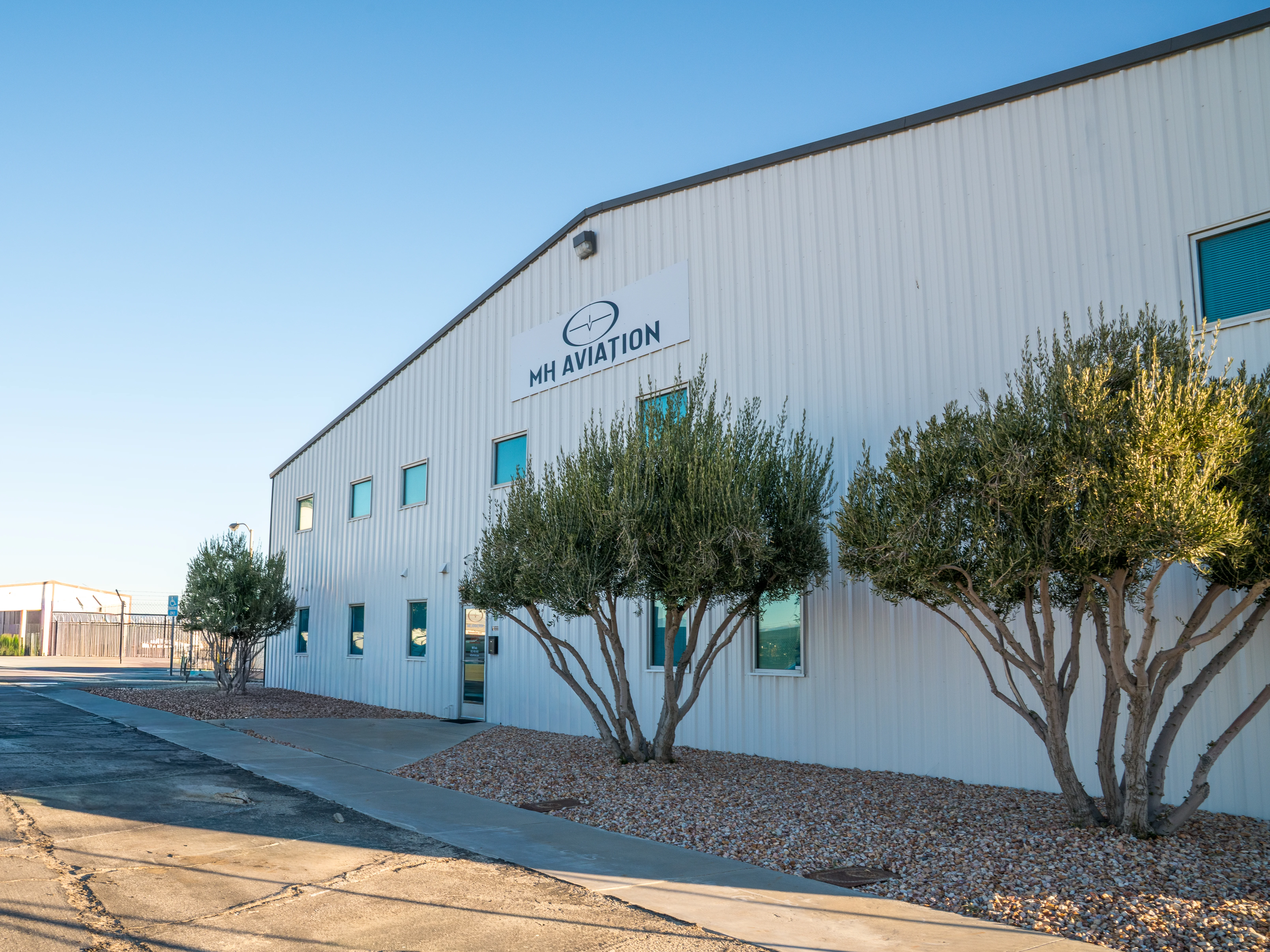
We are a full-service FAA Part 145 Repair Station located directly at Gen. William Fox Airfield (KWJF), not just a flight school that contracts maintenance out. Our own Chief Inspector and technicians perform Annual, 50-hour, and 100-hour inspections in-house, so the same team responsible for keeping the fleet airworthy is invested in your training day to day. See the full picture on our aviation safety standards page.
Flight training is a structured, closely supervised activity. Every lesson follows an FAA-approved curriculum, every maneuver is briefed before you fly it, and a certificated instructor is with you the entire time until you're cleared to solo. Combine that with an aircraft that is inspected far more frequently than a personal-use car, and training flights are one of the most closely monitored ways to spend time in the air.
Beyond the FAA-required Annual Inspection, we perform 50-hour and 100-hour inspections on our training fleet — well beyond what a typical personal aircraft owner might schedule. Because our repair station is on-site, small squawks get addressed immediately instead of waiting for an outside shop opening.
Our Certified Flight Instructors (CFIs) are FAA-certificated and trained to teach risk management alongside stick-and-rudder skills from your very first lesson — including preflight risk assessment, weather decision-making, and emergency procedures. Instruction is delivered under FAA Part 61, which allows your CFI to tailor the pace of training to your progress while still meeting every required safety milestone.
Yes. Fox Field (KWJF) sits in the High Desert and enjoys over 300 flyable days a year, which keeps students out of the marine-layer fog and traffic congestion that ground or complicate training near the LA Basin. More consistent weather and less congested airspace mean fewer rushed decisions and more time to fly at a steady, unhurried pace.
No — both are FAA-regulated training structures that must meet the same certification standards to earn a rating. Part 141 follows a more rigid, pre-approved syllabus, while Part 61 (our training structure) gives instructors flexibility to adapt the pace to each student. Every safety milestone, endorsement, and checkride requirement is still governed by the FAA regardless of which part a school trains under.
Our fleet has been upgraded with Garmin G5 glass cockpits and 180 HP engine conversions. Glass cockpits give students clearer situational awareness of attitude, altitude, and systems than older analog gauges, while the engine upgrade provides stronger climb performance and safety margins, especially in the High Desert's higher density altitude.
It's natural to feel uneasy after seeing an aviation accident in the news, but most headline-making incidents involve military, experimental, or unrelated commercial operations, not FAA-regulated flight training. Student and instructional flying is one of the most heavily supervised segments of aviation, with a certificated instructor onboard, standardized training aircraft, and a curriculum built specifically around managing risk. We go into more depth in our guide on whether general aviation is safe, and our team is always happy to talk through exactly what safety measures apply to training here.
Yes. All simulated emergencies, including engine-out procedures in our multi-engine aircraft, are practiced at safe altitudes and follow FAA Practical Test Standards (ACS). For multi-engine training specifically, we use 'zero-thrust' throttle settings to simulate a feathered propeller without actually shutting down the engine, so you get realistic practice in a controlled environment.
Operating as an FAA Part 145 Repair Station means our maintenance operation is held to additional oversight, documentation, and quality-control requirements beyond a standard maintenance shop. Combined with FAA Part 61 flight instruction standards, both halves of our business — training and maintenance — answer directly to FAA regulation.
Have more questions?
Our instructors are ready to help you navigate your flight training questions and plan your path.
Call us at (661) 518-2700