 MH Aviation
 What’s on the Multi-Engine Checkride?
If you are getting ready for your multi-engine checkride at MH Aviation, you are probably asking one simple question:
What exactly are they going to test me on?
The good news is that it is not a mystery. The FAA spells it out clearly in the Multi-Engine Airman Certification Standards (ACS).
Let’s break it down in plain English.
The Two Parts of the Checkride
Like every other checkride, the multi-engine ride has two required parts:
- Oral exam (Ground)
- Flight test (Air)
You must pass both.
The Oral Exam
The oral exam is mostly about one core question:
Do you understand how a multi-engine airplane works, and what happens when one engine fails?
1. Regulations You Are Expected to Know
You need to understand how the rules apply to multi-engine operations.
Commonly tested regulations include:
- 61.123 and 61.129 (Eligibility)
- 61.31 (Type ratings and limitations)
- 91.205 & 91.213 (Equipment requirements)
- 91.175 (IFR rules)
2. Aircraft Systems (The MH Aviation Advantage)
This is where training at a school with in-house maintenance shines. You need to know your systems.
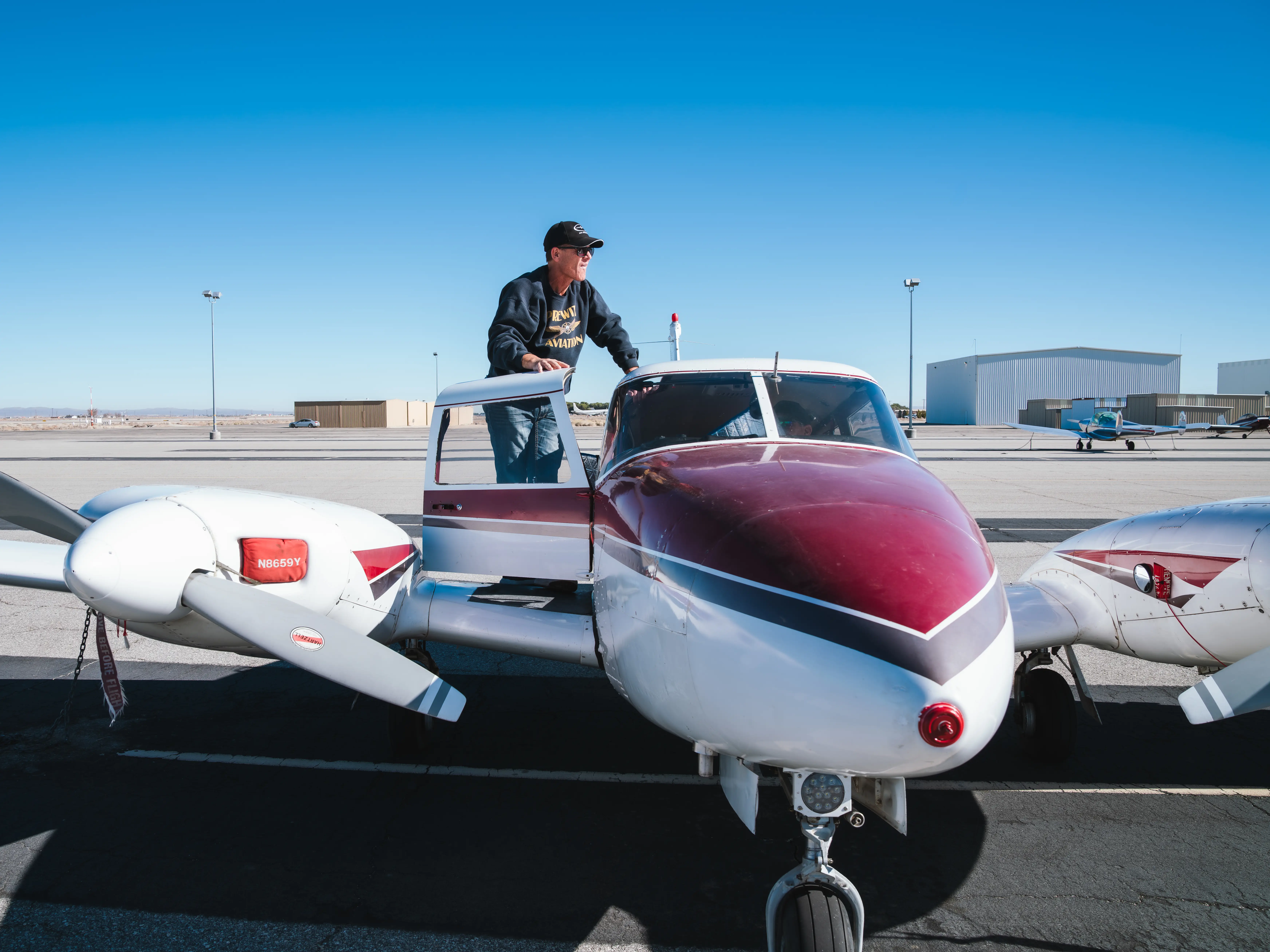
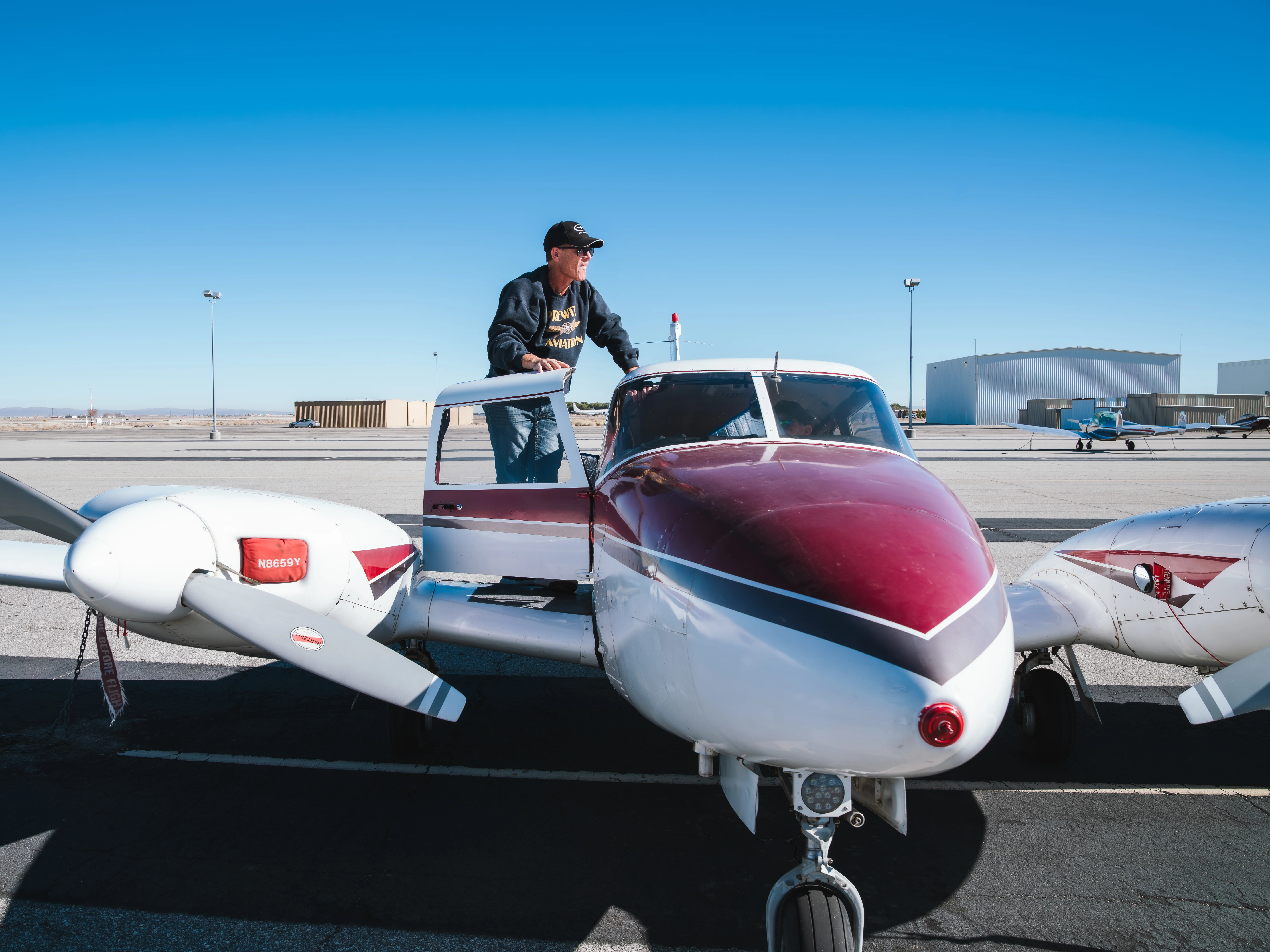
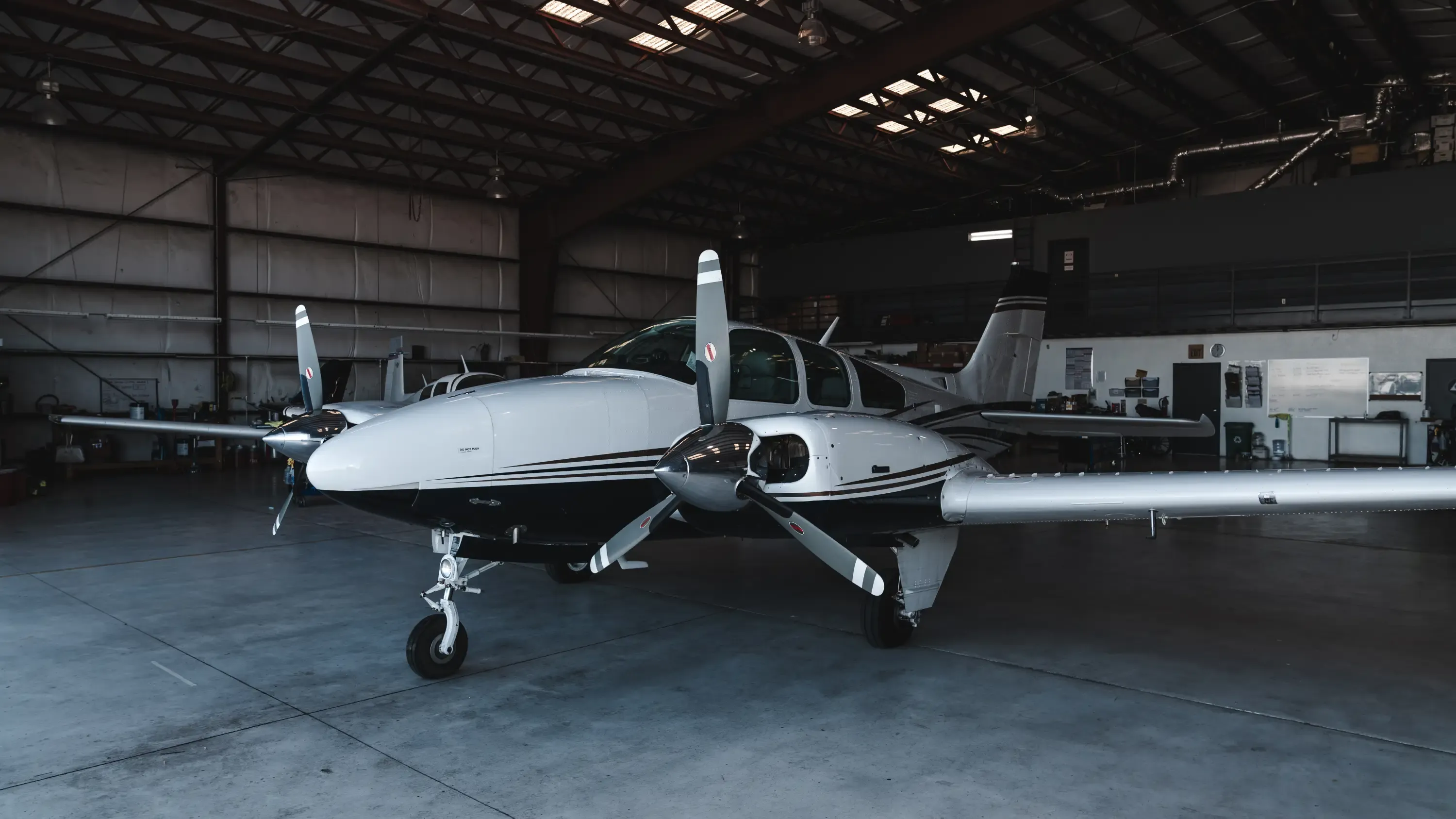
In our Piper PA-30 Twin Comanche (N8267Y), you should expect detailed questions on:
- Engines: The Lycoming IO-320s.
- Fuel System: How the selectors work and how to crossfeed.
- Electrical System: Managing load if an alternator fails.
- Landing Gear: The retraction mechanism.
Because MH Aviation is also a repair station, our instructors and mechanics can help you understand these systems at a level most students never see.
3. Performance and Limitations
You must understand:
- Vmc (Minimum controllable airspeed)
- Vyse (The “Blue Line” - best rate of climb single engine)
- Critical engine factors
You will almost certainly be asked: “What happens if you lose an engine after takeoff in Lancaster on a hot day?” (Hint: Density altitude at KWJF matters).
4. Emergency Procedures and Decision Making
You must understand:
- Engine failure during the takeoff roll
- Engine failure after liftoff
- Engine failure in cruise
- When to secure an engine versus when to troubleshoot
The Flight Portion
Everything you fly comes directly from the ACS.
1. Normal Operations
You can expect normal takeoffs and landings at William J Fox Airfield, along with steep turns and slow flight.
2. Engine Failure Procedures
This is the core of the checkride.
You will perform:
- Simulated engine failure after takeoff
- Engine failure in cruise
- Single-engine approaches
- Single-engine go-around
3. Vmc Demonstration
You must show proper setup, recovery, and good judgment throughout the maneuver.
4. Instrument Work if Applicable
If you are adding multi-engine privileges to your instrument rating, expect a single-engine approach.
Why People Fail the Multi-Engine Checkride
Most applicants do not fail because they cannot fly.
They fail because:
- They do not understand Vmc or single-engine aerodynamics
- They rush checklists
- They misidentify the failed engine
The Bottom Line
The multi-engine checkride is not about being perfect. It is about safety.
At MH Aviation, our goal is to ensure you are confident in the Piper PA-30. With our focus on maintenance and safety, you’ll know that the aircraft is performing exactly as it should, allowing you to focus on flying the plane.
If you train to the ACS and truly know the airplane, you will succeed.