 MH Aviation
 What Is the 1,500 Hour Rule?
If you’ve spent more than five minutes looking into becoming an airline pilot in the U.S., you’ve heard about the 1,500 hour rule. It comes up in every forum and every conversation at William J Fox Airfield.
So what is it, really? Where did it come from? And what does it actually mean for your training here at MH Aviation?
In the United States, you generally need 1,500 total flight hours to earn an Airline Transport Pilot (ATP) certificate. You must hold an ATP certificate to fly for an airline operating under Part 121.
This requirement comes directly from FAA regulations: 14 CFR §61.159.
Why Does the Rule Exist?
Before 2013, pilots could be hired by an airline with as little as 250 hours.
After the Colgan Air Flight 3407 accident in 2009, Congress directed the FAA to raise experience requirements. This resulted in regulations requiring:
- All Part 121 airline pilots hold an ATP certificate
- An ATP certificate requires 1,500 hours
What Does “1,500 Hours” Actually Mean?
It means 1,500 hours of total flight time logged as a pilot. However, the FAA does not accept just any 1,500 hours.
You must also have specific experience, including:
- 500 hours of cross-country time
- 100 hours of night time
- 75 hours of instrument time
- 50 hours in the class of airplane (typically multi-engine)
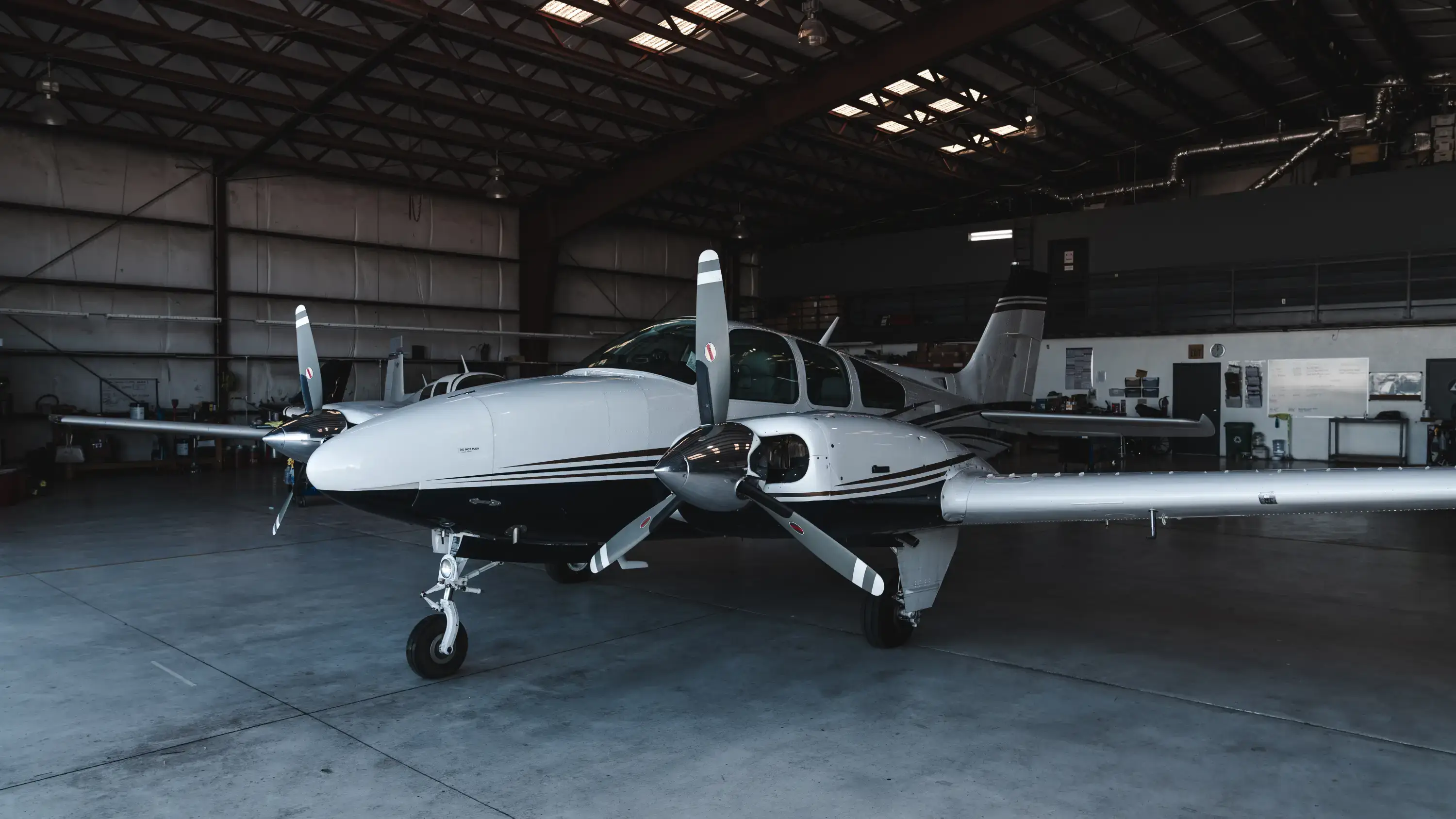
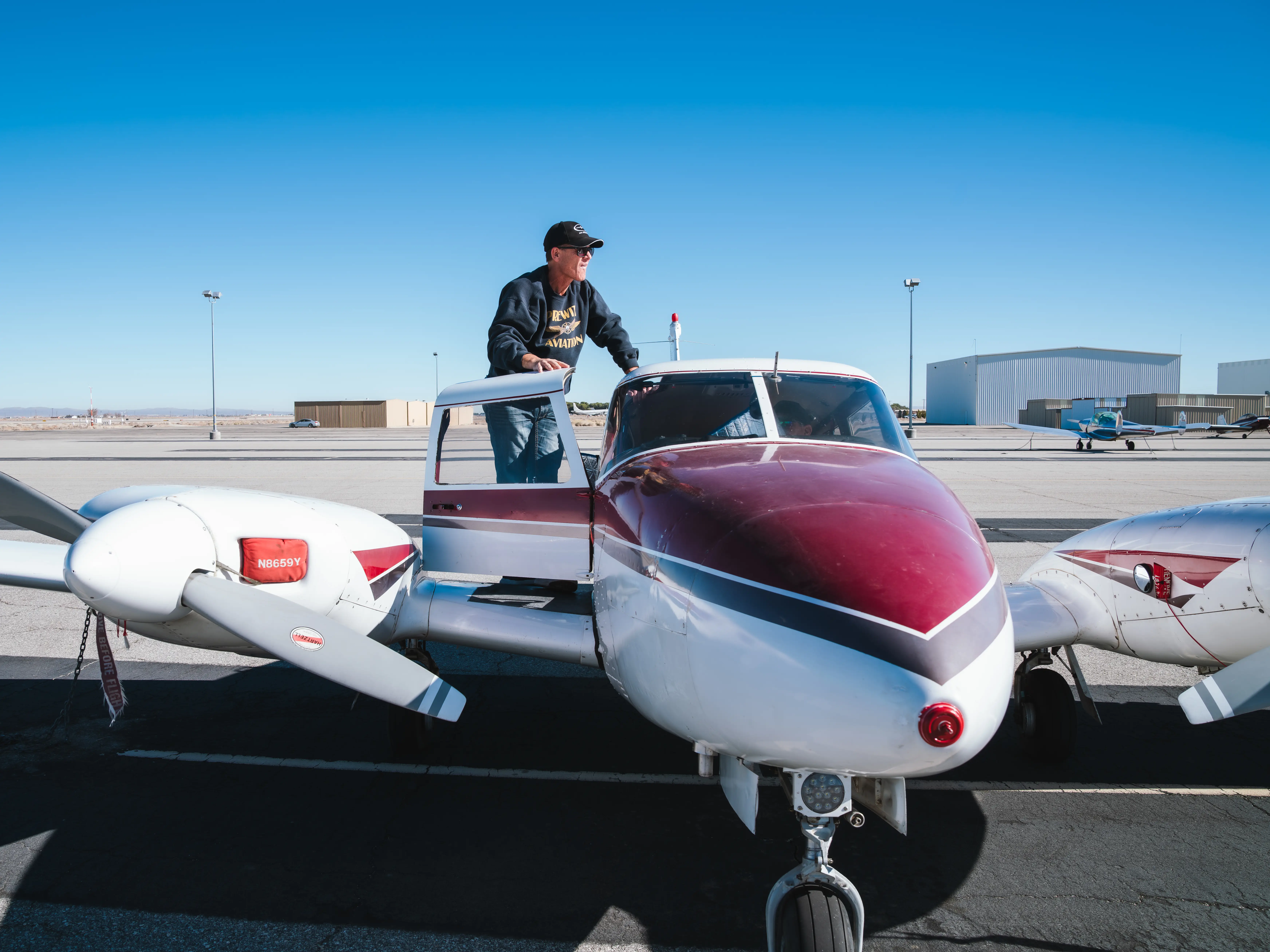
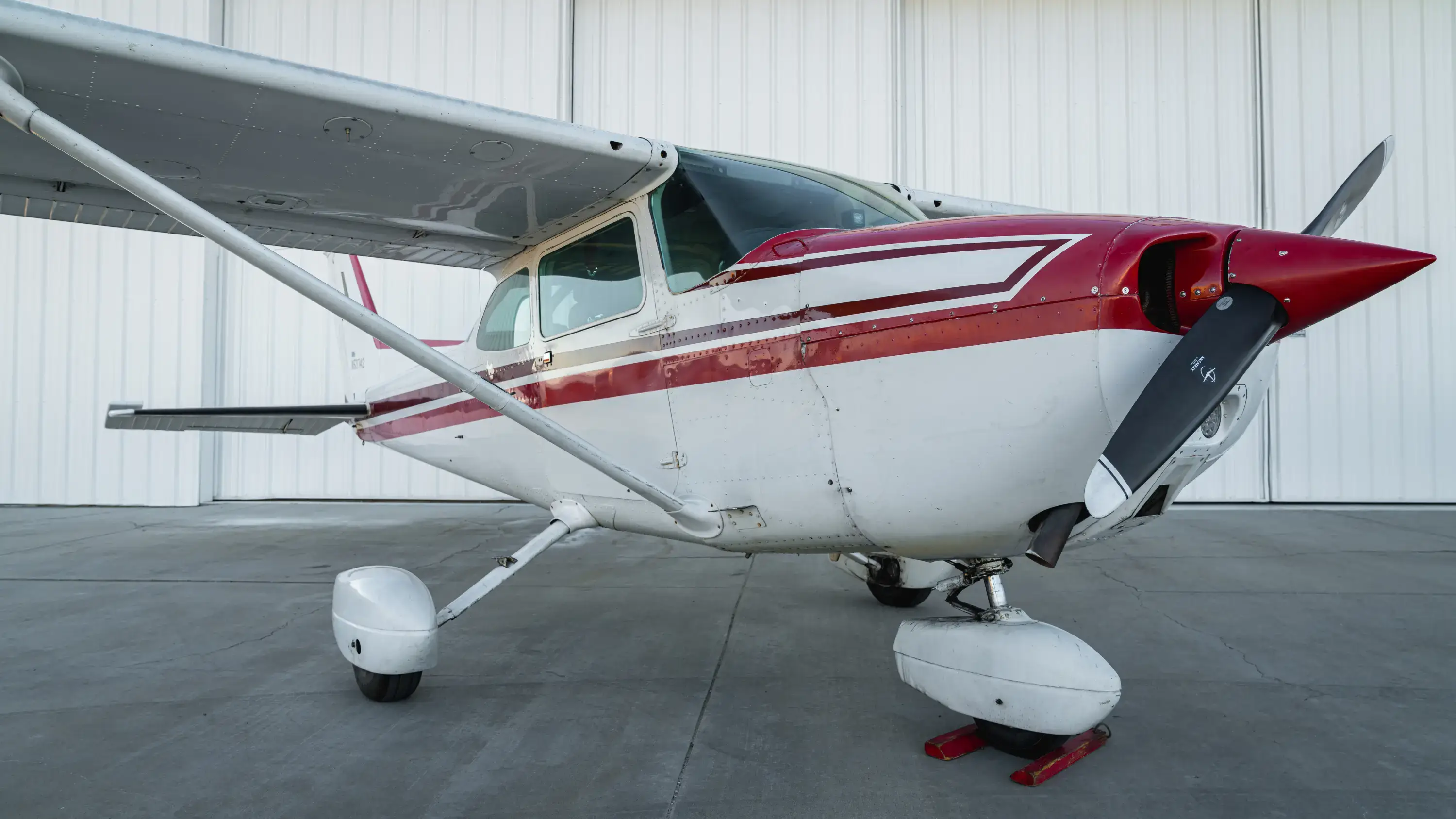
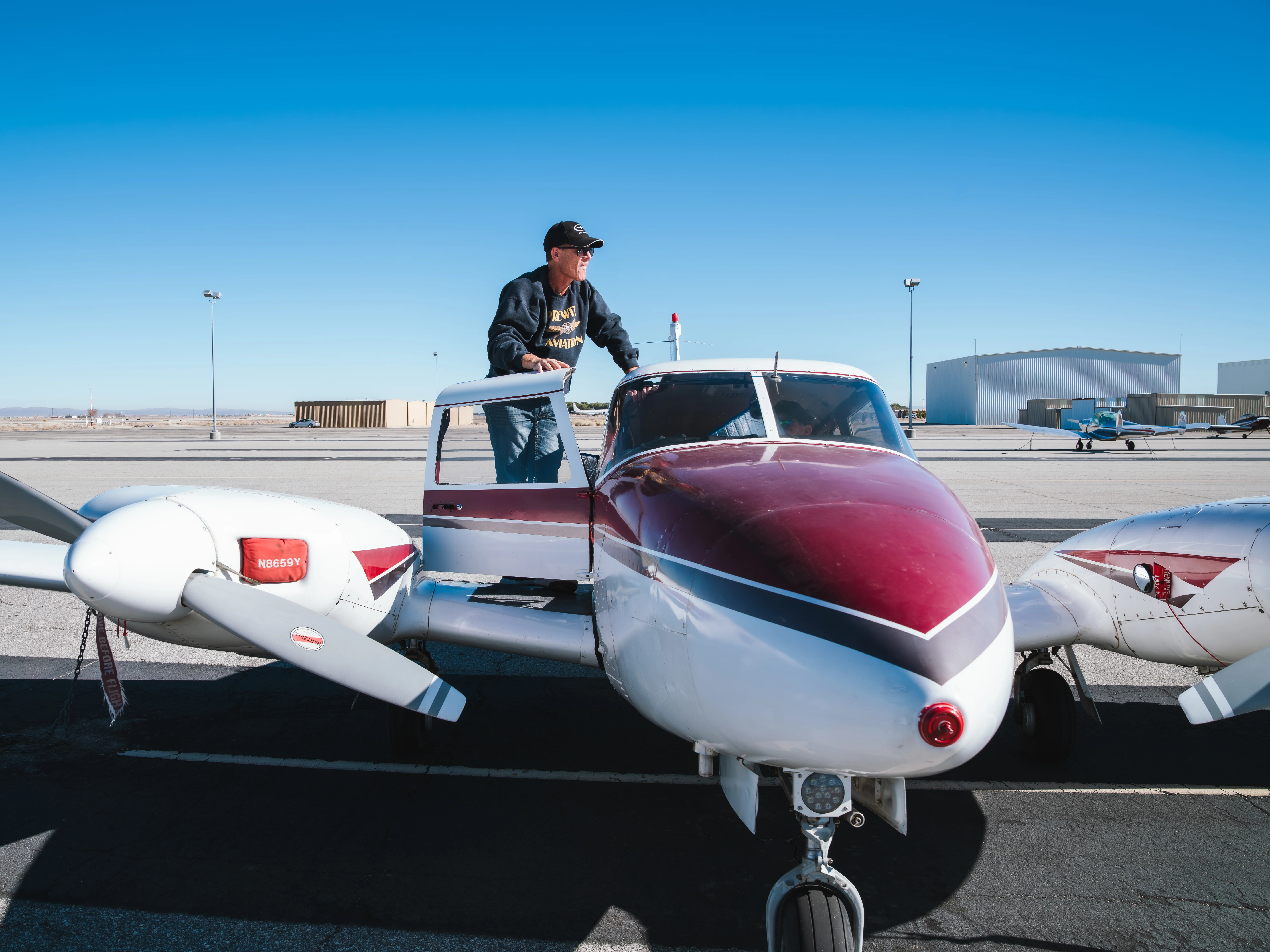
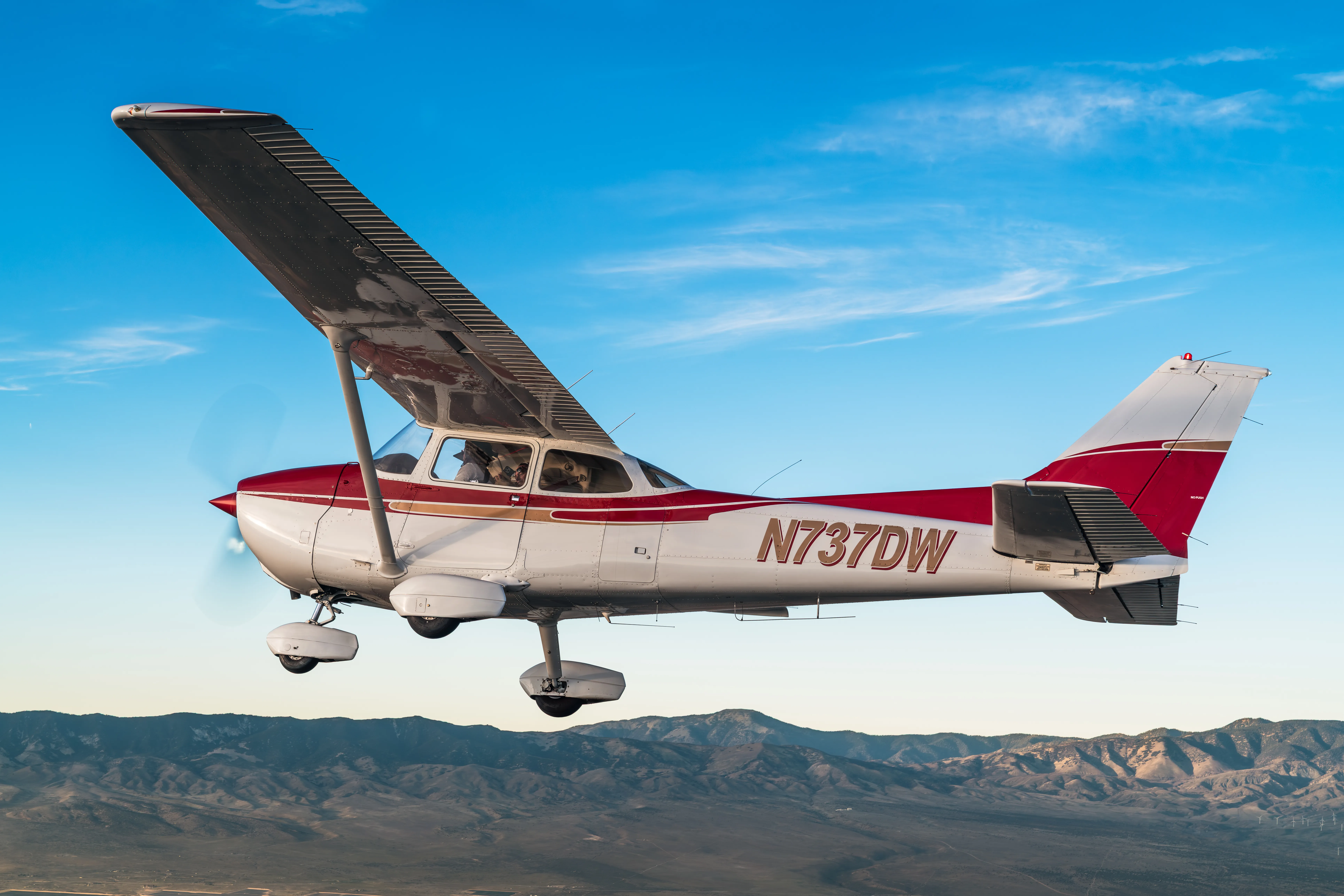
At MH Aviation, we structure your training to help you chip away at these requirements from day one, utilizing our fleet of Cessna 172s and our Piper PA-30 for that critical multi-engine time.
How to Qualify for ATP With Less Than 1,500 Hours (Restricted ATP)
The FAA allows certain pilots to qualify with fewer hours through a Restricted ATP (R-ATP).
1. Military Pilots – 750 Hours
For current or former U.S. military pilots.
2. Bachelor’s Degree in Aviation – 1,000 Hours
For graduates of approved university aviation programs with 60 aviation credits.
3. Associate’s Degree in Aviation – 1,250 Hours
For graduates with 30 aviation credits.
You Still Need Real Flying Experience
Even with reduced hour minimums, pilots must still meet nearly all standard ATP experience requirements.
This is where training at a busy airfield like KWJF (Lancaster) matters. The experience you gain here in the high desert involves real density altitude considerations, complex winds, and diverse traffic. It makes for a better pilot.
What Can You Do Before You Have 1,500 Hours?
Until you reach ATP minimums, you are in the time-building phase of your career.
At MH Aviation, we know this phase well. The most common path is becoming a Certified Flight Instructor (CFI).
We are currently seeking experienced and dedicated Flight Instructors to join our team. Working as a CFI at MH Aviation allows you to:
- Build hours in our well-maintained fleet
- Instruct inside a supportive environment
- Network within the aviation community
Other paths include Part 135 charter, survey flying, or pipeline patrol.
Does the 1,500 Hour Rule Make Better Pilots?
This remains a major debate. However, the rule exists, and every U.S. airline pilot must comply with it.
The Practical Takeaway
If you want to fly for the airlines:
- You will need an ATP certificate.
- You generally need 1,500 hours.
There is no shortcut around the number. The only thing you can control is the quality of your training and the reliability of the aircraft you fly.
Why This Matters for Your Training Strategy
People quit flight training because it takes too long and life gets in the way.
At MH Aviation, we keep our planes flying so you can keep logging hours. Whether you are renting our Cessna 172N/P models or building multi-engine time in the Piper PA-30, our goal is to help you reach that 1,500-hour mark efficiently.