 ActivePILOT Team
 The year 2026 is a great time to be a pilot. The pilot shortage is still very real. Airlines are looking for new pilots every day. To get those jobs, you need more than just a license. You need a Multi-Engine Rating. This rating is the big bridge to the airlines. It shows you can handle complex planes and big responsibilities.
But many students run into a wall here. They finish their training and then wait weeks for a test. Or they find out the plane is broken. At MH Aviation in Lancaster, CA, we do things differently. We use our over 35 years of experience to make sure you succeed without the long wait.
This guide will show you how to master your multi-engine checkride. You will learn about the Piper PA-30, the Airman Certification Standards (ACS), and why training in the Antelope Valley gives you an edge.
Your Airline Path: The Multi-Engine Rating in 2026
If you want to fly for a major airline, you must have an Airline Transport Pilot (ATP) certificate. This usually requires the 1,500 hour rule. A large part of those hours must be in planes with more than one engine.
The Multi-Engine Rating is not just about flying. It is about safety. You must learn what to do if an engine stops working. This is the core of your training. At MH Aviation, we help you move through this phase quickly. Many schools take months. Our students often finish their training and checkride prep in just 7 to 14 days.
This fast pace is part of our Zero to Airlines track. We want to get you into a professional cockpit in 9 to 12 months. Traditional paths can take 4 to 6 years. Your time is valuable. We help you use it well.
Mastering the Piper PA-30 Twin Comanche
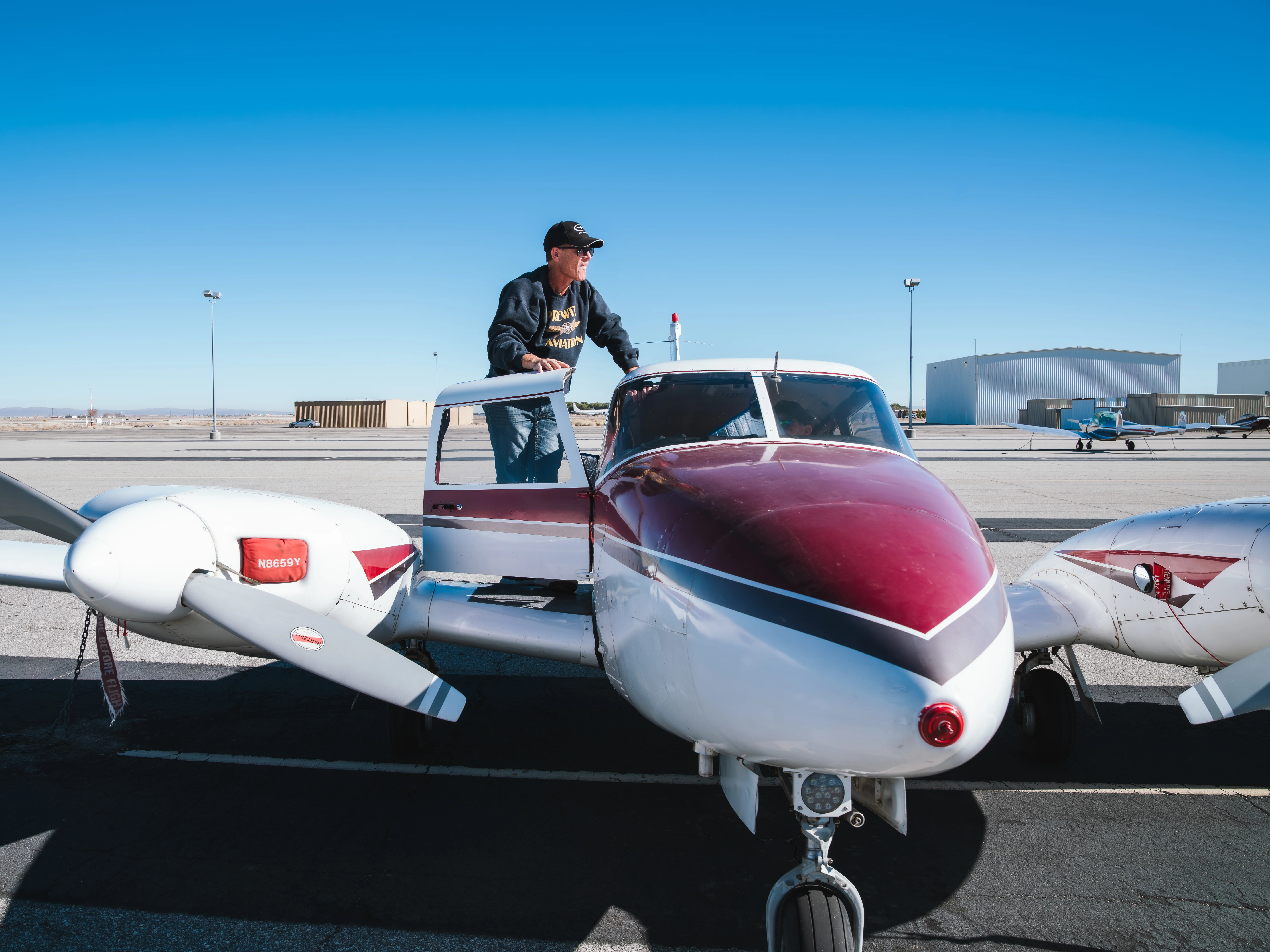
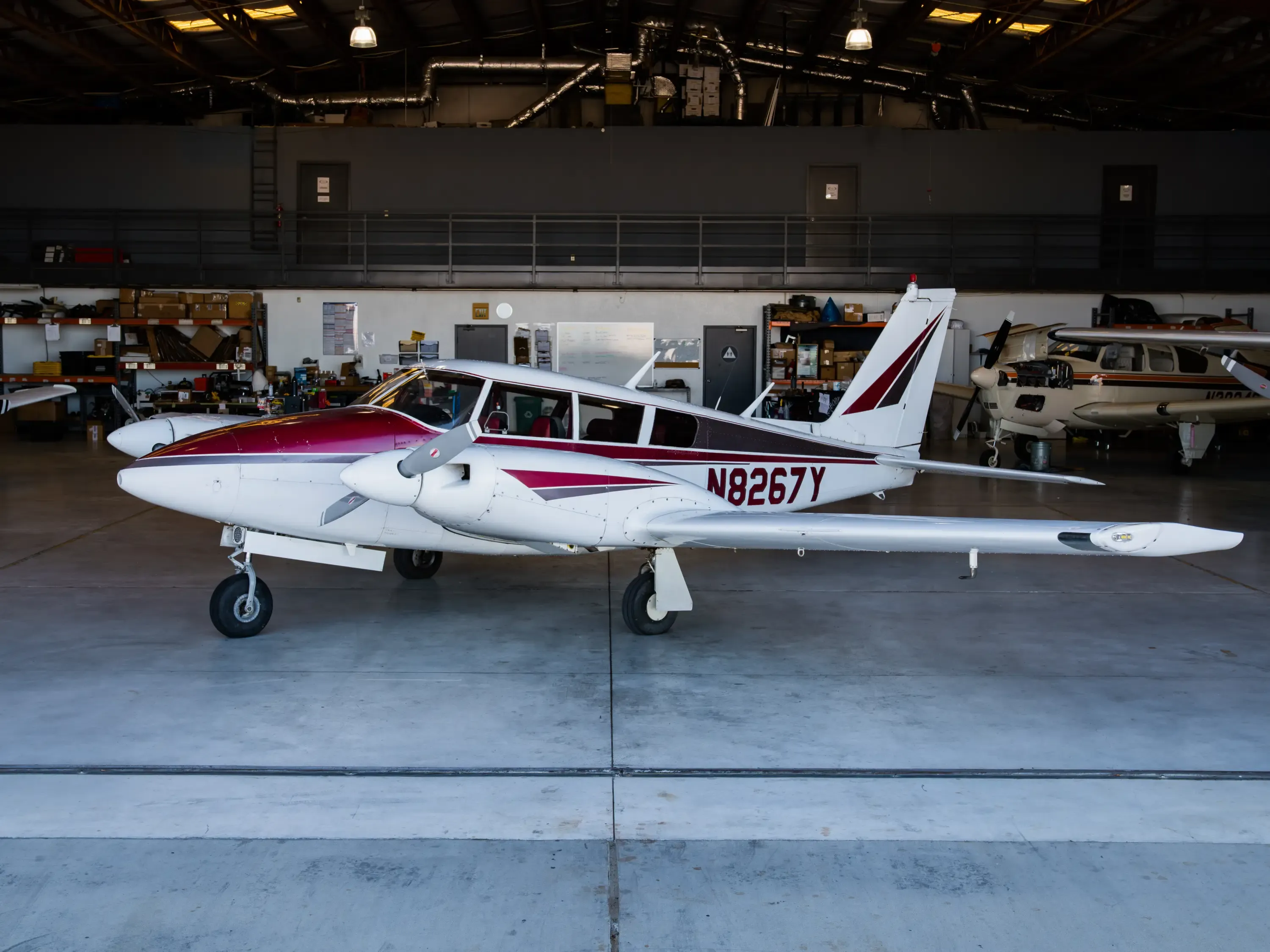
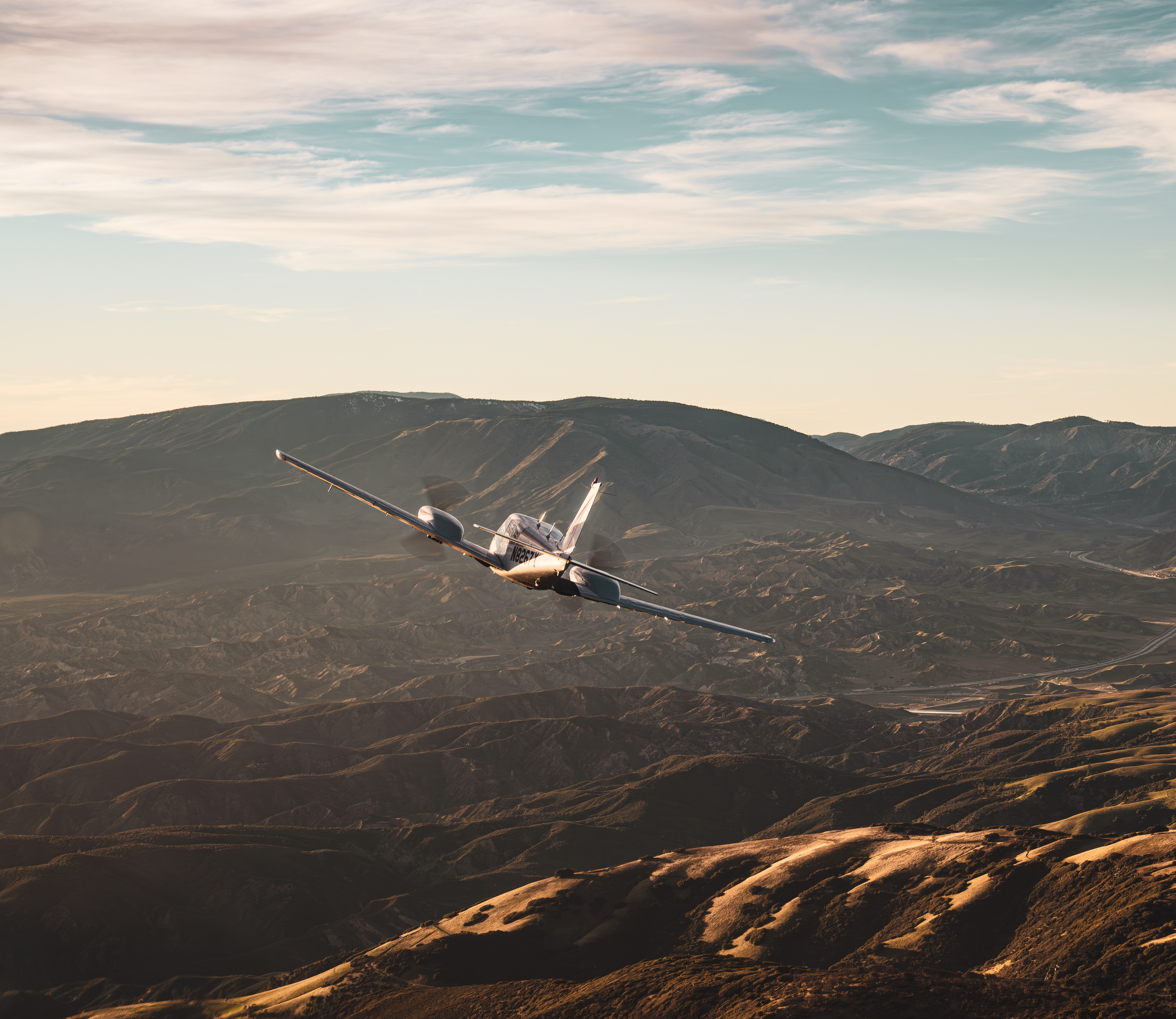
Your training will happen in our 1966 Piper PA-30 Twin Comanche (N8267Y). This plane is a classic for a reason. It is fast, sleek, and very efficient. It uses two Lycoming IO-320 engines. Each engine has 160 HP. This gives you a total of 320 HP to work with.
The Twin Comanche is a complex aircraft. This means it has retractable landing gear and a constant speed propeller. Learning these systems is vital for your Commercial Pilot License.
Why the PA-30 is the Perfect Trainer
- Retractable Gear: You will master the flow of bringing the gear up after takeoff.
- Twin Power: You get to feel the power of two engines.
- Speed: With a cruise speed of 139 mph, you learn to stay ahead of the aircraft.
- Stability: It is a stable plane that helps you focus on the ACS maneuvers.
You can see the full details of this aircraft on our fleet page. We keep this plane in top shape because your safety is our first goal.
The ACS: Your Checklist for Success
The FAA uses the Airman Certification Standards (ACS) to test you. It is basically the “rule book” for your checkride. The examiner will use it to grade your skills. You must know it inside and out.
During your Multi-Engine Rating course, you will focus on these key areas:
1. The Oral Exam (Ground Portion)
You must explain how the Piper PA-30 works. You will talk about the fuel system, the electrical system, and the landing gear. You also need to know the FARs (Federal Aviation Regulations). The examiner will ask about Vmc. This is the minimum controllable airspeed with one engine out.
2. Normal Operations
You will show that you can take off and land smoothly at Fox Field (KWJF). The examiner will watch your radio calls and how you navigate the uncongested airspace in Lancaster.
3. Engine Failure Procedures
This is the most important part. You will practice simulated engine failures. You must show you can identify the “dead” engine, verify it, and secure it. This must be done while keeping the plane under control.
4. Vmc Demonstration
You will slow the plane down with one engine at full power. You must show you can recover before losing control. This builds the “stick and rudder” skills that make you a great pilot.
For more details on these maneuvers, you can read the official FAA Multi-Engine ACS.
High Desert Training: Why Lancaster Winds Make Better Pilots
Where you train matters. Many schools in the LA Basin have to deal with the marine layer. This is a thick fog that rolls in from the ocean. It can ground flights for days. Lancaster is different. We have over 300 flyable days per year.
Training at Gen. William J. Fox Airfield (KWJF) gives you a strategic advantage. Our location in the High Desert offers:
- High-Density Altitude: The air is thinner here. This teaches you how the plane performs when it has less lift. This is a vital skill for professional pilots.
- Consistent Crosswinds: You will master crosswind landings. While other pilots stay on the ground, you will be in the air building confidence.
- Less Congestion: You spend less time waiting on the ground and more time flying. This helps you finish your Private Pilot Certificate or Multi-Engine Rating faster.
Whether you are from Palmdale, Santa Clarita, or Victorville, the drive to Lancaster pays off in better skills.
No More Waiting: Speed Up Your Certification
At many schools, the “mechanical cancellation” is a dream killer. A student is ready for a test, but the plane breaks. Then they have to wait weeks for a mechanic.
MH Aviation solves this with our in-house maintenance. We run an on-site FAA Part 145 Repair Station (Certificate No. MHAR094E). This is a big deal. Our team performs all checks and repairs in our own hangar. We do not wait for third-party shops. If the Piper PA-30 needs a repair, we prioritize it.
This keeps our fleet ready for you. You can fly consistently. Consistency is the secret to lower costs. When you fly often, you don’t have to relearn skills. You move through the Instrument Rating or multi-engine course with ease.
Transparent Pricing: Multi-Engine Costs Compared
Training for the airlines is a significant investment. We believe in honesty and integrity. We do not use hidden fees. We use a pay-as-you-go model. This means you do not need to take on huge upfront debt.
We also offer some of the most competitive rates in California. Take a look at the table below to see how we compare to schools in the Los Angeles area.
Multi-Engine Training Comparison (2026 Estimates)
| Feature | MH Aviation (KWJF) | LA Basin Average |
|---|---|---|
| Aircraft Wet Rate | $295/hr | ~$395/hr |
| Checkride Wait Time | 1 - 2 Weeks | 3 - 8 Weeks |
| Maintenance | On-Site Part 145 | Third-Party (Off-Site) |
| Annual Flyable Days | 300+ Days | ~240 Days (Fog Delays) |
| Instructor Pass Rate | Over 90% | Industry Average |
If you are comparing schools on cost, start with the hourly rate and the total training environment. Our competitive pricing, reliable aircraft availability, and high-desert flying weather help students train efficiently without hidden fees. You can review our current rates or contact us with questions about the multi-engine course.
Frequently Asked Questions
-
How long does the multi-engine course take at MH Aviation?
Most students finish their training and checkride prep in just 7 to 14 days. This is possible because we have high aircraft availability and great weather in Lancaster.
-
What are the requirements to start multi-engine training?
You must hold at least a Private Pilot License. You also need a valid FAA Medical Certificate. We recommend having your Instrument Rating as well.
-
Why is the Piper PA-30 a good plane for the checkride?
The Twin Comanche is very efficient and handles well. It is a complex aircraft, which helps you meet the requirements for a Commercial Pilot License.
-
Can I build multi-engine time at MH Aviation?
Yes. We offer a Safety Pilot Program for rated pilots at $60/hr. This is an affordable way to reach your airline minimums and the 1,500 hour rule.
-
Do you have a waitlist for multi-engine training?
No. We maintain a no waitlist policy. We use Flight Schedule Pro to make sure you can book your flights when you are ready to fly.
Start Your Multi-Engine Journey Today
The sky is waiting for you in 2026. Don’t let weather delays or broken planes hold you back. At MH Aviation, we provide the tools, the tech, and the family-style care you need to succeed.
You get to train in the Piper PA-30 with Garmin G5 glass cockpits. You get the benefit of an on-site maintenance team. And you get to fly in the clear skies of the Antelope Valley.
Are you ready to earn your wings and start your airline career?
Enroll with us today or visit us at Fox Field to see our fleet in person. If you have more questions, feel free to contact MH Aviation or call us at (661) 948-7779. Your seat in the cockpit is ready!