 MH Aviation
 How Long Does It Take to Become an Airline Pilot?
The honest answer?
For most people, 4 to 6 years.
Not because it has to take that long, but because most flight training in the U.S. is slow, loosely structured, and built around flying only when maintenance and weather allow.
Here in Lancaster, CA, we see it differently.
Let’s talk about the timeline.
How It Normally Works
At a typical flight school, training is often a scheduling battle. You fly a couple of times a week. Sometimes the weather cancels. Sometimes your instructor changes. Frequently, the airplane is down for maintenance because the school has to wait on an outside mechanic.
You move through the ratings one by one:
- Private Pilot
- Instrument
- Commercial
- Multi-Engine
- Instructor (CFI/CFII)
That phase alone usually takes 2 to 3 years for the average student at a standard school.
Then comes the big requirement.
To get hired by the airlines, you need 1,500 total flight hours.
When most students finish training, they have around 250 hours. That means building another 1,250 hours, usually by flight instructing.
At a normal pace, that takes another 2 to 3 years.
That is how most pilots end up in the 4 to 6 year timeline.
Why It Takes So Long
Learning to fly is not inherently slow. The timeline stretches because most schools are:
- Dealing with frequent mechanical delays
- Dependent on outside maintenance shops
- Located in areas with poor flying weather
- Constantly dealing with scheduling conflicts
Training becomes something you fit into your life instead of something you focus on.
How MH Aviation Is Different
MH Aviation wasn’t built just as a flight school; we are a staple in the aviation community with a full-service maintenance and repair center.
This changes the training reality significantly:
- Maintenance Priority: We own the shop. When an aircraft needs an inspection or repair, it gets done immediately by our in-house team (Jeff, Michael, and the crew). You aren’t waiting weeks for a part.
- Weather: Located at General William Fox Airfield (KWJF) in Lancaster, CA, we have some of the best flying weather in the country.
- Structure: We utilize Flight Schedule Pro to keep your training organized and visible.
You are not just taking occasional flying lessons. You are training with a team that keeps the fleet flying so you can keep flying.
What That Does to the Timeline
With reliable aircraft and the high-desert weather in Lancaster, students can progress much faster than the national average.
From there, you move directly into time building. We are actively seeking dedicated Flight Instructors to join our team, offering a clear path to build your 1,500 hours right here at MH Aviation.
- Instructor flying opportunities
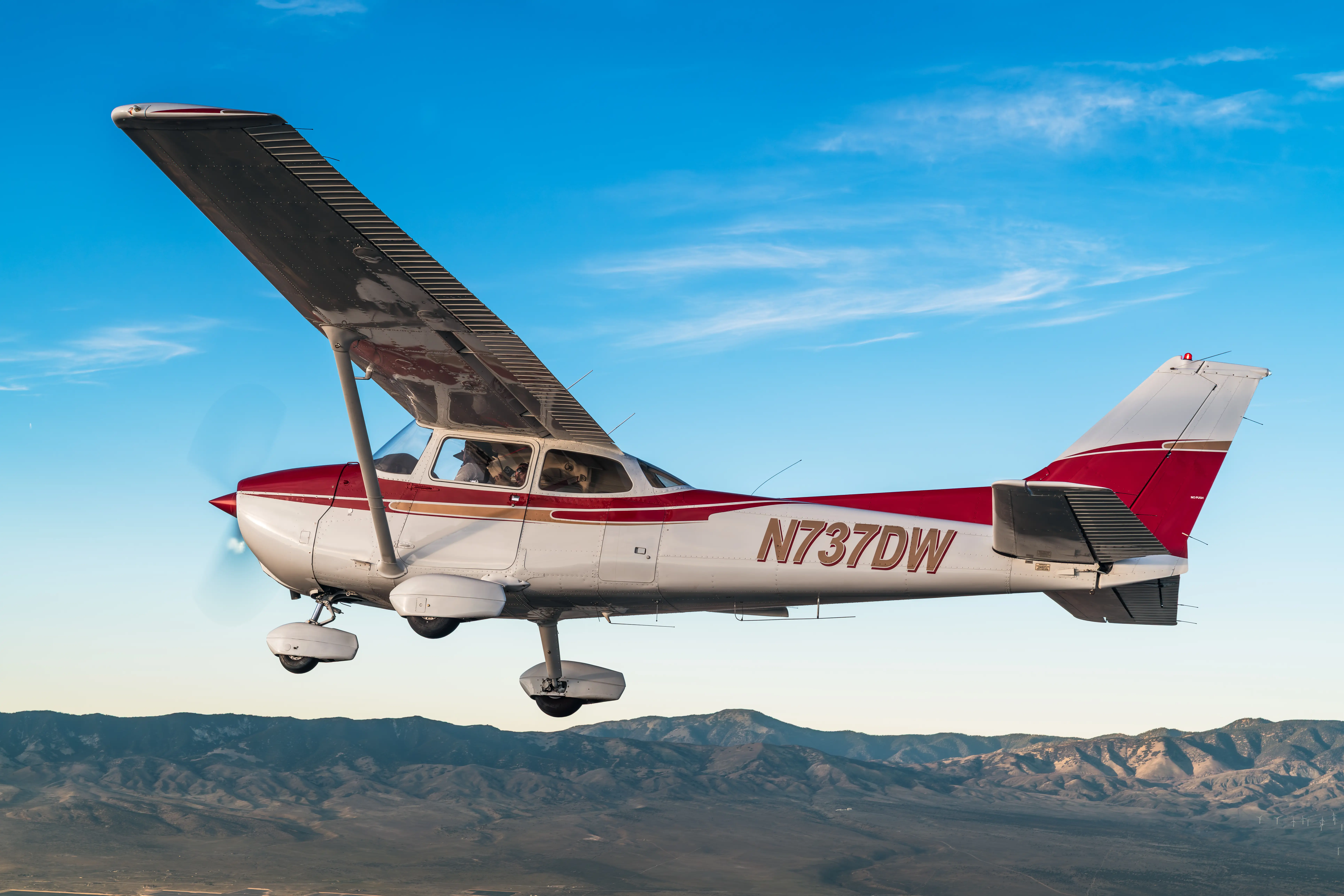
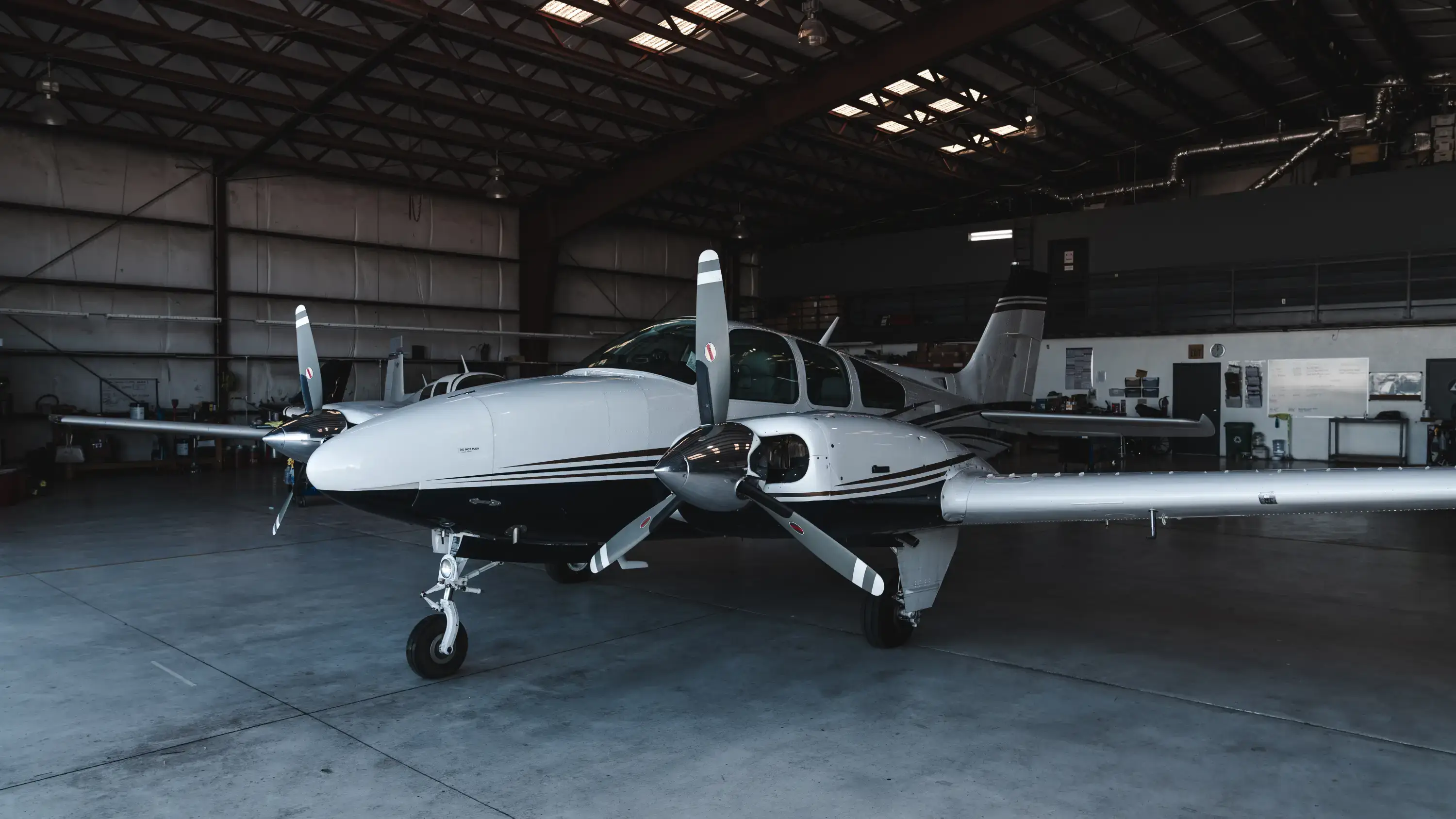
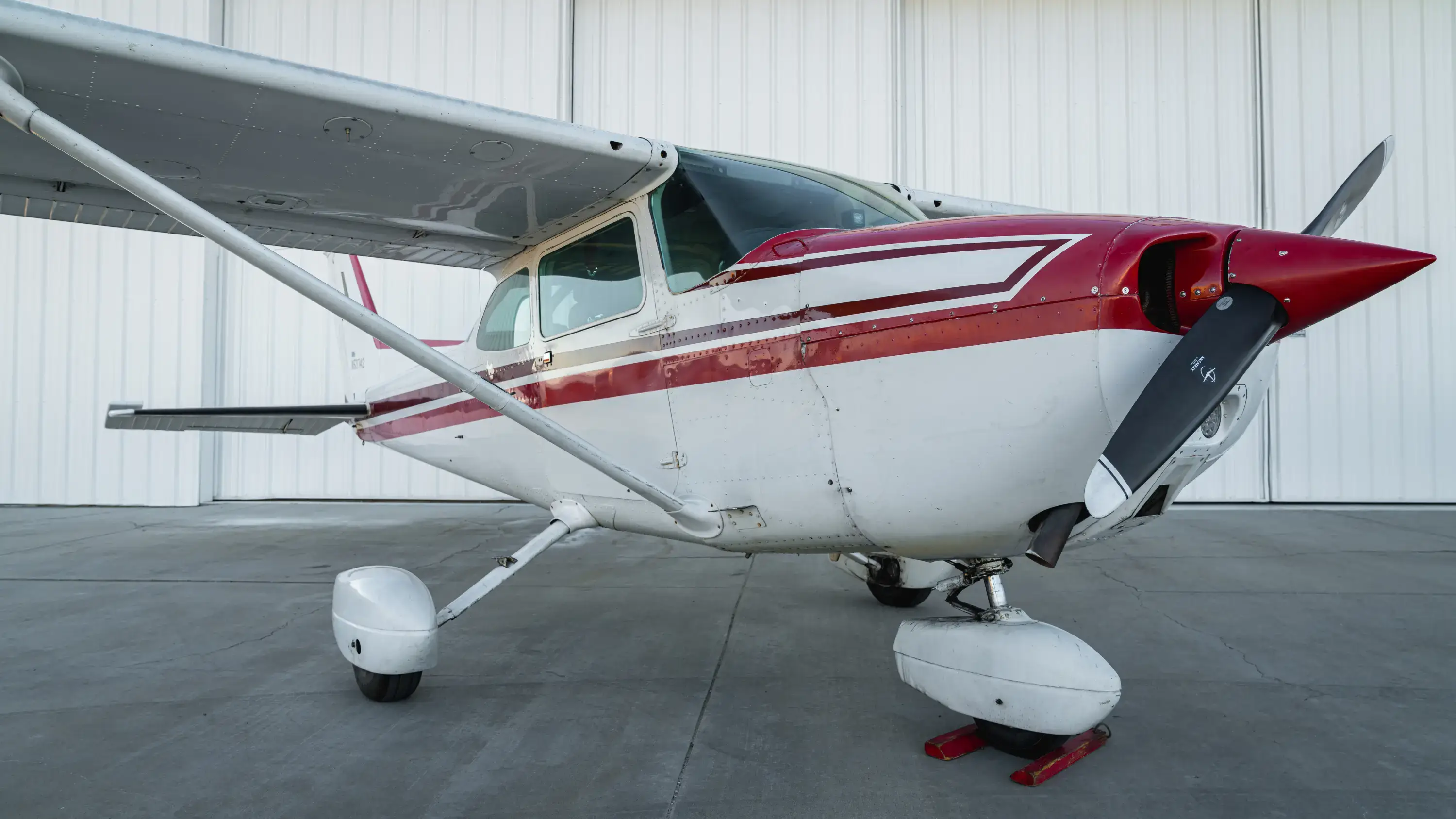
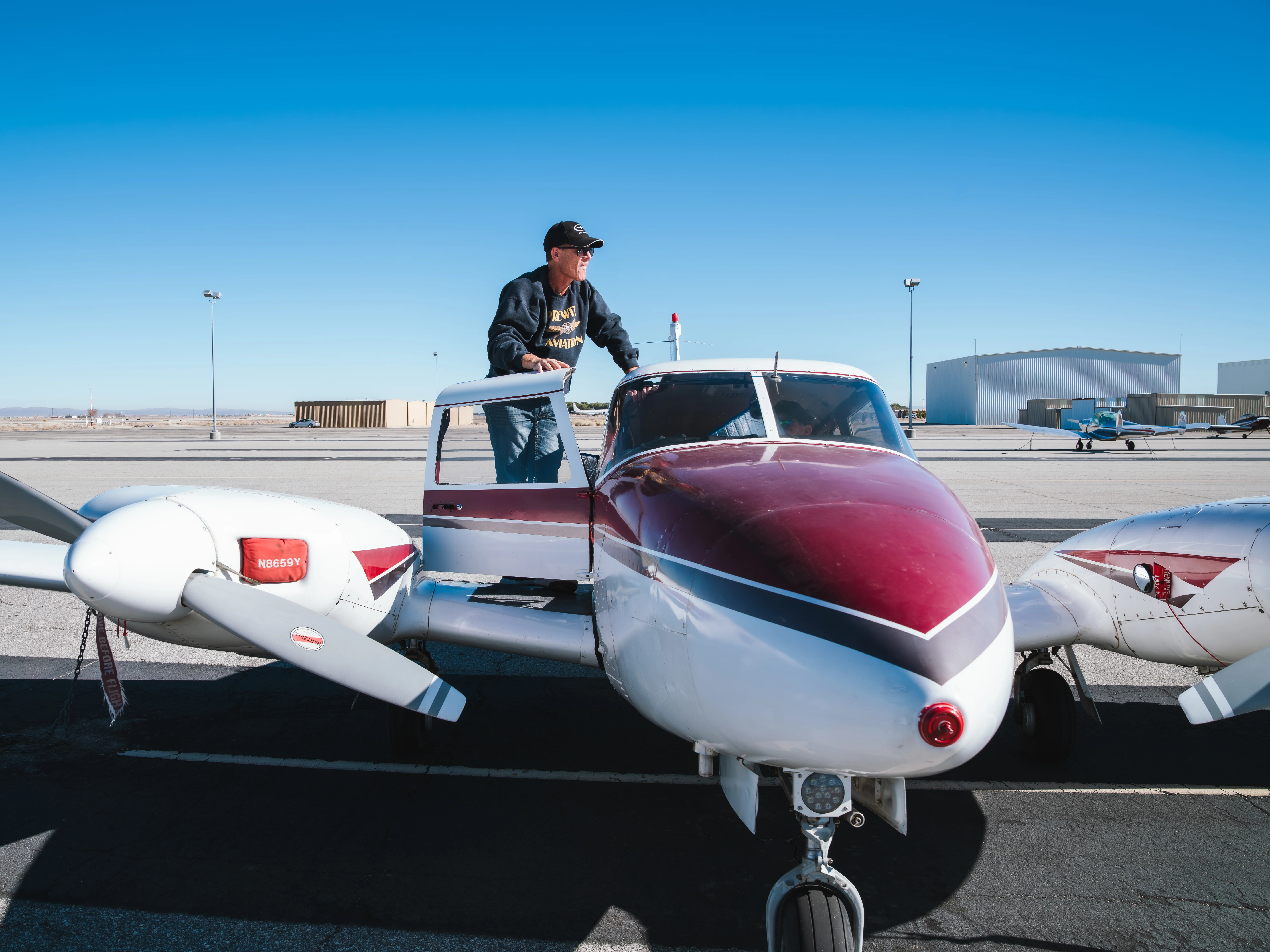
- Access to a diverse fleet (Cessna 172s and Piper PA-30)
- Real-world flying experience in complex airspace
Because our aircraft are maintained in-house, students are not losing months to mechanical downtime.
Most motivated pilots can reach airline minimums significantly faster when the planes are actually airworthy.
The Reality Check
This requires dedication.
You cannot realistically do this quickly while:
- Flying only once a month
- Ignoring study requirements
This is a professional training environment. It is structured and designed for people who want to reach the airlines efficiently.
So What’s the Real Answer?
If the question is:
“How long does it take to become an airline pilot?”
The honest answer is:
- Traditional path: 4 to 6 years for most people due to delays.
- The MH Aviation path: Significantly faster because we control the maintenance and have the weather to support you.
Same licenses. Same FAA requirements. Very different execution.
The Bottom Line
The timeline is not about talent.
It is about consistency and aircraft availability.
Train where the planes fly.
At MH Aviation, we’ll get the job done while being fair and honest. That is the difference.