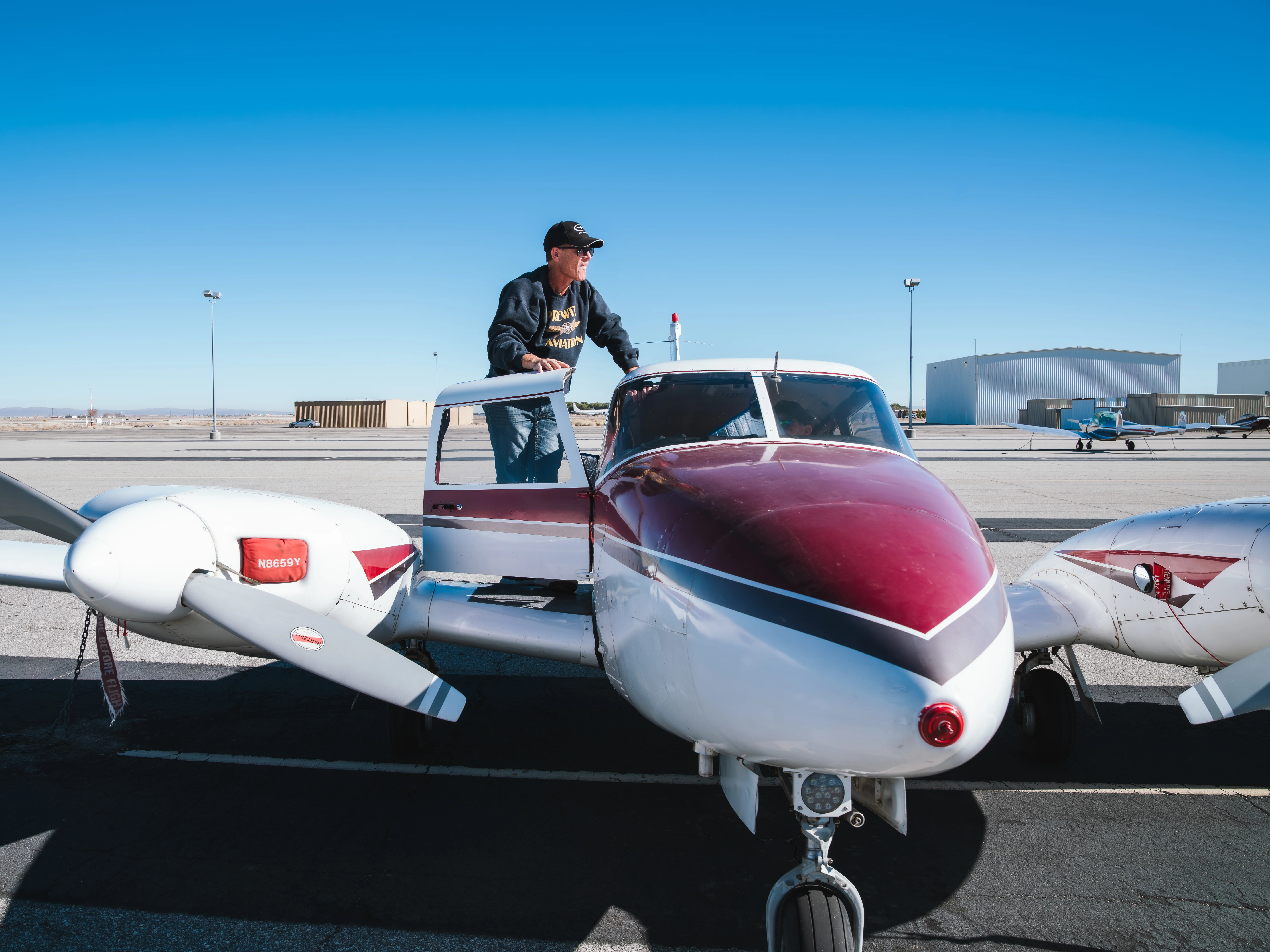
 MH Aviation Team
 You are looking for a hands-on career in Lancaster, CA. You are probably comparing your options. Trade school, community college, an apprenticeship program. All of them promise a stable career without a four-year degree.
But there is one option most people in the Antelope Valley overlook: flight training.
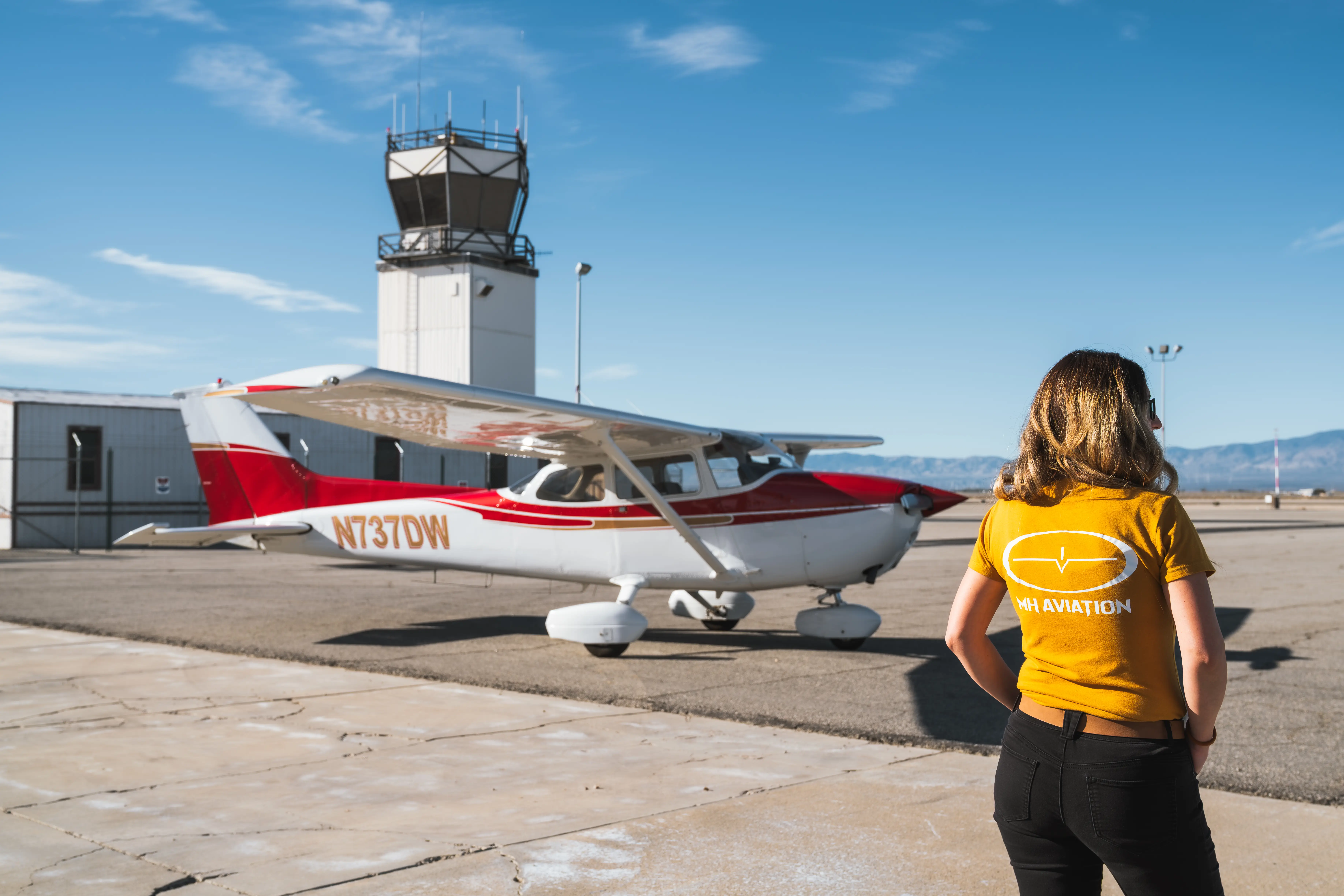
At MH Aviation, located at Gen. William J. Fox Airfield (KWJF) in Lancaster, we train students from zero experience to professional pilot. This guide breaks down how flight training compares to traditional trade school paths so you can make the most informed decision for your future.

Career and Salary Comparison: Flight Training vs Trade School
Before anything else, look at where each path leads.
| Career Path | Training Duration | Starting Salary | Experienced Salary | Job Outlook |
|---|---|---|---|---|
| Commercial Pilot | 12 to 18 months full time | $60,000 to $90,000 | $150,000 to $300,000+ | Strong, FAA projects major pilot shortage through 2035 |
| Electrician | 4 to 5 years apprenticeship | $45,000 to $55,000 | $80,000 to $100,000 | Steady |
| HVAC Technician | 6 months to 2 years | $38,000 to $50,000 | $60,000 to $80,000 | Steady |
| Plumber | 4 to 5 years apprenticeship | $45,000 to $60,000 | $75,000 to $100,000 | Steady |
| Welder | 6 months to 2 years | $35,000 to $50,000 | $55,000 to $75,000 | Moderate |
Flight training leads to one of the highest earning skilled careers available without a four-year degree. The aviation industry is facing a structural pilot shortage that is expected to drive salaries and demand even higher through the next decade.
How Long Does Each Path Take?
Time is money. Here is a realistic side by side comparison.
Trade school paths:
- HVAC or welding certification: 6 months to 2 years
- Electrician or plumber: 4 to 5 years including apprenticeship before you can work independently
- Many trades require years of supervised work before you reach full earning potential
Flight training at MH Aviation:
- Private Pilot Certificate: 2 to 4 months full time
- Instrument Rating: 2 to 3 months
- Commercial Pilot License: 6 to 9 months
- Multi-Engine Rating: 2 to 4 weeks
A full-time student at MH Aviation can hold a Commercial Pilot License with an Instrument Rating and Multi-Engine Rating in 12 to 18 months. At that point you are eligible to work as a flight instructor, charter pilot, or begin building hours toward an airline career.
Cost Comparison: What Does Each Path Actually Cost?
| Path | Total Training Cost | Time Before Full Earning Potential |
|---|---|---|
| Flight Training at MH Aviation (PPL through CPL) | $25,000 to $35,000 estimated | 12 to 18 months |
| Electrician (trade school + apprenticeship) | $5,000 to $15,000 tuition + 4 years reduced apprentice wages | 4 to 5 years |
| HVAC Technician | $1,200 to $15,000 | 1 to 3 years |
| Plumber (trade school + apprenticeship) | $5,000 to $10,000 tuition + 4 years reduced wages | 4 to 5 years |
Flight training has a higher upfront training cost than some trade paths. But the ceiling on pilot salaries is dramatically higher, and you reach full earning potential faster. A regional airline first officer starting at $70,000 will outpace most trade careers within a few years.
The Pay-As-You-Go Advantage
Many schools push students into massive upfront loans before they have flown a single hour. We do not do that.
At MH Aviation, you pay for the training you actually complete. Our aircraft rental starts at $155/hr (wet), well below the regional average of $205/hr. For your Multi-Engine Rating, our rate is $295/hr compared to nearly $395/hr closer to Los Angeles.
We believe elite flight training should not come with a prohibitive price tag. No packages, no pressure, just transparent pricing you can review on our rates page before committing to anything.
Why Fox Field (KWJF) Gives You a Training Edge
Where you train matters. Gen. William J. Fox Airfield (KWJF) in Lancaster, California is one of the best training environments in Southern California for several reasons.
- 300+ flyable days per year means fewer weather cancellations than LA Basin schools dealing with coastal marine layer fog
- Uncongested airspace means you spend your paid flight time practicing maneuvers, not waiting in line for ATC clearances
- High desert environment with consistent crosswinds and density altitude variations builds superior aircraft handling skills that airlines value
- Zero waitlist policy means you schedule flights when it works for you, not whenever a slot opens up
- In-house maintenance team keeps the fleet airworthy and available, meaning zero maintenance delays grounding your training
Students from Palmdale, Victorville, Santa Clarita, and across the High Desert choose Fox Field because the training environment here produces results faster than anywhere else in the region.
Modern Aircraft and Glass Cockpit Training
Trade school puts you in a shop. Flight training puts you in a cockpit.
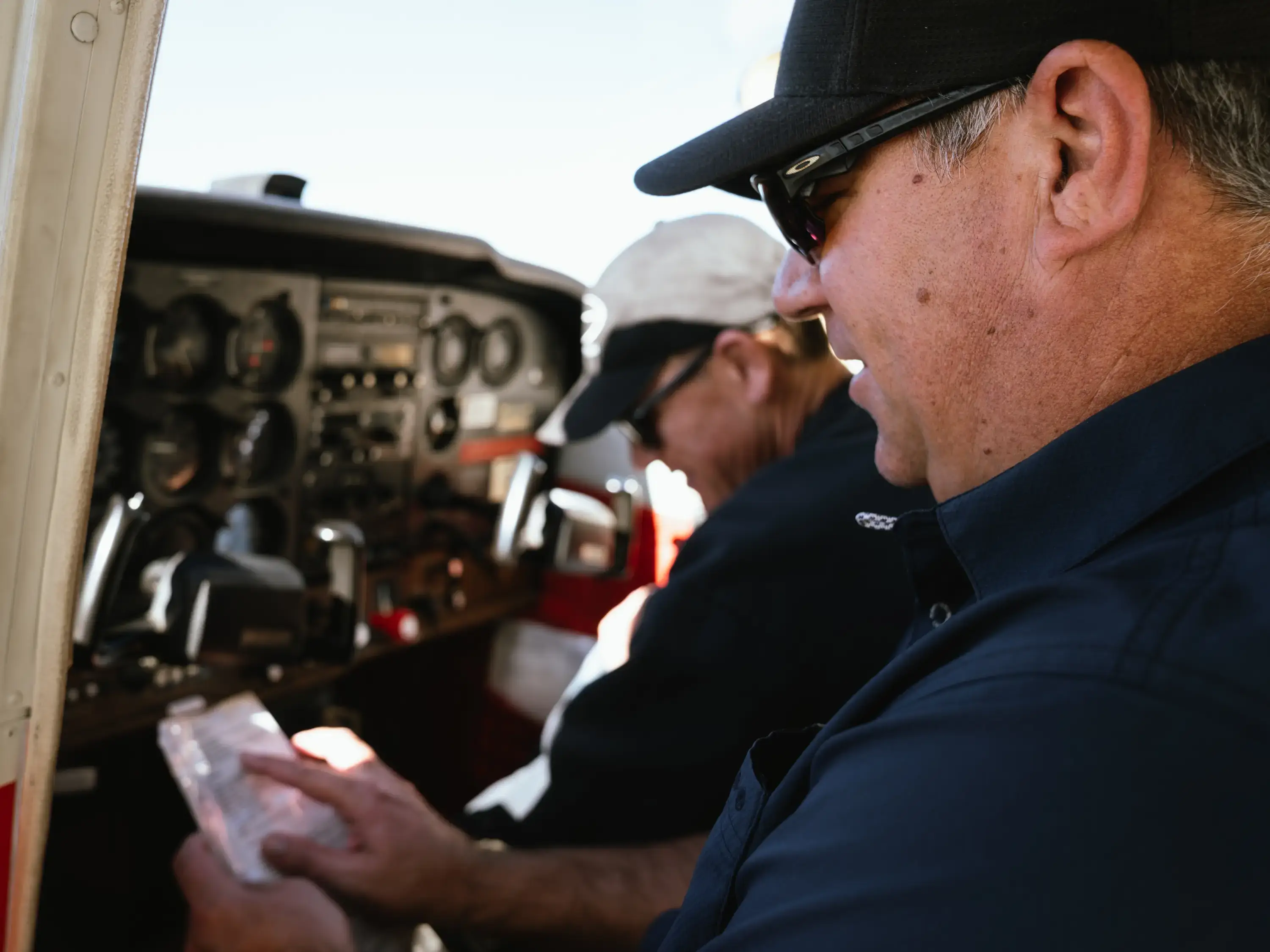
Our fleet features over $150,000 in recent avionics upgrades, equipping every aircraft with Garmin G5 glass cockpit displays. You train on the same digital systems used in modern airline cockpits from your very first lesson.
Standard schools in the LA area often make students wait 3 to 8 weeks for a multi-engine checkride slot. Our students complete their Multi-Engine Rating training and checkride prep in just 7 to 14 days because of our open availability and on-site maintenance.
Is Flight Training Right for You?
Flight training is not for everyone. Here is an honest breakdown of who thrives in this path.
Flight training is a great fit if you:
- Want a career with high earning potential and a clear progression path
- Prefer hands-on skill building over classroom lectures
- Are self-motivated and can commit to a consistent training schedule
- Want to be working in your career field within 12 to 18 months
- Are based in or near Lancaster, Palmdale, or the Antelope Valley
A traditional trade might be a better fit if you:
- Prefer to earn income during training through an apprenticeship model
- Want lower upfront costs with a slower path to full earnings
- Are not comfortable with the physical and medical requirements of flying
Frequently Asked Questions
Is flight school considered a trade school?
- Flight training is a vocational career path, similar in structure to trade schools in that it builds a specific skilled profession without requiring a four-year degree.
- The FAA certificates you earn are federally recognized credentials that qualify you to work professionally as a pilot.
- Many students and employers in the skilled trades community consider flight training a premium vocational path with higher earning potential than most traditional trades.
How much does flight training cost compared to trade school in California?
- Trade school tuition in California typically runs $1,200 to $15,000 depending on the program, but electrician and plumber paths also involve 4 to 5 years of reduced apprentice wages before full earning potential.
- Flight training at MH Aviation from Private Pilot Certificate through Commercial License runs approximately $25,000 to $35,000 total.
- The higher upfront cost of flight training is offset by a faster path to full earning potential and a significantly higher salary ceiling.
Can I become a pilot without a college degree?
- Yes. The FAA does not require a college degree to earn any pilot certificate or rating.
- A Private Pilot Certificate, Instrument Rating, Commercial Pilot License, and Multi-Engine Rating are all achievable based entirely on flight hours and FAA knowledge tests.
- Some airlines have historically preferred degree holders, but the ongoing pilot shortage has significantly reduced this preference at regional carriers.
How long does it take to become a commercial pilot from zero experience?
- A full-time student at MH Aviation in Lancaster, CA can realistically hold a Commercial Pilot License with Instrument and Multi-Engine ratings in 12 to 18 months.
- Part-time students training around a work schedule should expect 2 to 3 years.
- Consistent training is the single biggest factor. Students who fly at least 3 times per week finish significantly faster than those who fly once a week.
Is there a pilot shortage in 2026?
- Yes. The FAA and major aviation industry groups project a significant commercial pilot shortage through at least 2035 driven by mandatory retirement ages, post-pandemic airline expansion, and a surge in air travel demand.
- Regional airlines in particular are actively hiring and offering signing bonuses, flow-through agreements, and accelerated upgrade timelines to attract qualified candidates.
- This makes 2026 one of the best times in decades to begin flight training.
What trades pay the most in Lancaster, CA?
- Among traditional trades, electricians and plumbers typically earn the most in the Lancaster area, with experienced professionals earning $75,000 to $100,000.
- Commercial pilots based in California consistently out-earn most trade careers, with regional airline captains earning $120,000 to $180,000 and major airline captains earning significantly more.
- Flight training at Fox Field (KWJF) gives Antelope Valley residents direct access to a career path that outpaces most local trade options within 5 to 7 years of starting.
Start Your Aviation Career in Lancaster Today
You do not have to choose between a hands-on career and a high-paying one. At MH Aviation, you get both.
We combine consistent High Desert weather, modern glass cockpit aircraft, zero waitlists, and transparent pricing to give every student in the Antelope Valley the fastest and most cost-effective path to a professional pilot career.
Contact MH Aviation to schedule your visit or enroll now to secure your spot and start building toward a career that most trade school graduates will never reach.