 MH Aviation Team
 You want to fly for the airlines. The traditional path says it takes four to six years, tens of thousands of dollars, and years of uncertainty before you see the inside of a regional cockpit.
That timeline is not inevitable. It is the result of training at the wrong school.
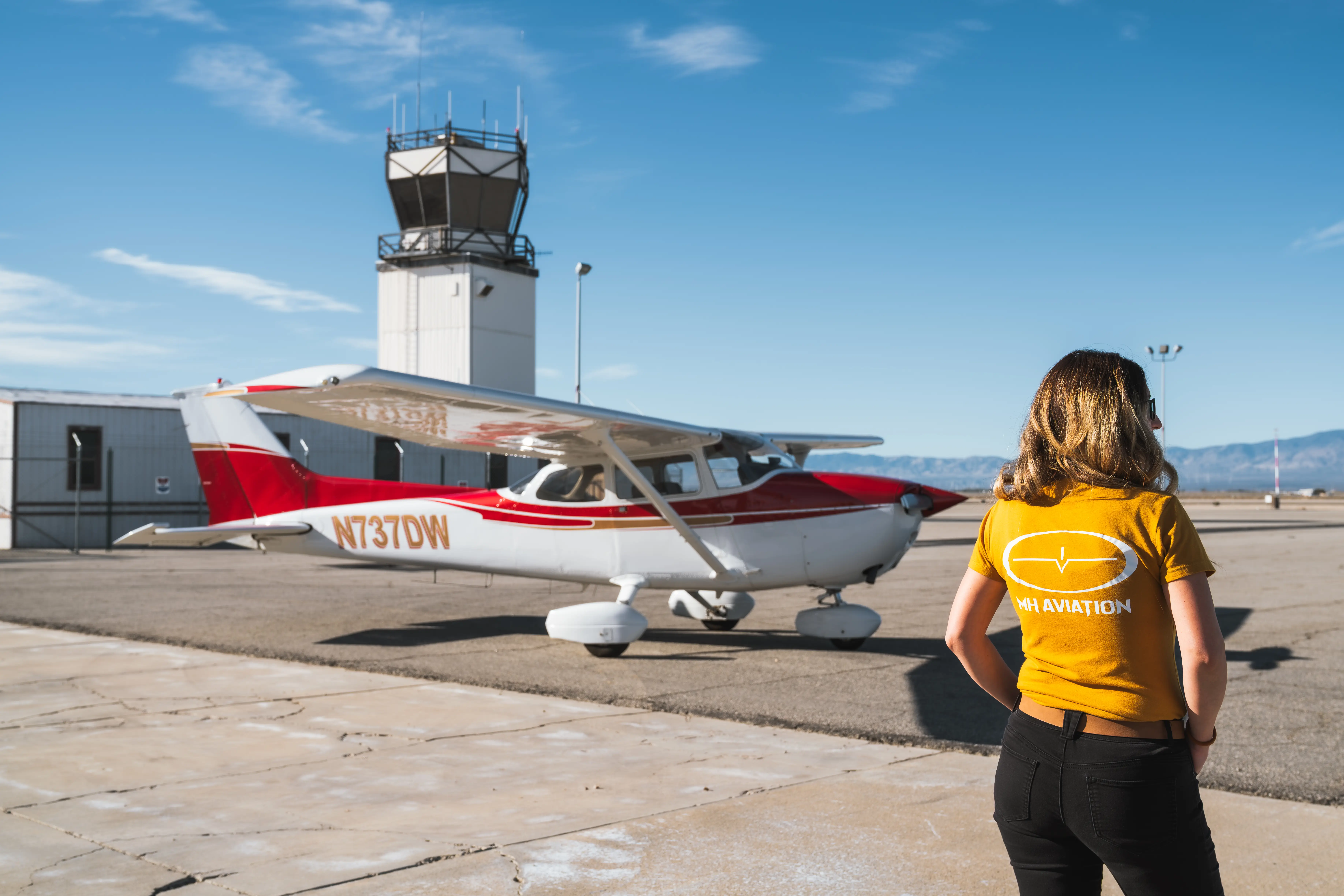
At MH Aviation, located at Gen. William J. Fox Airfield (KWJF) in Lancaster, CA, a full-time student can move from zero flight hours to a Commercial Pilot License with Instrument and Multi-Engine ratings in as little as 12 to 18 months. This guide gives you the exact roadmap, the real costs, and the honest timeline so you can make a plan and start executing it.

The Complete Zero to Airline Roadmap at a Glance
| Phase | Certificate or Rating | FAA Minimum Hours | Duration at MH Aviation | Estimated Cost |
|---|---|---|---|---|
| 1 | Private Pilot Certificate | 40 hours | 2 to 4 months | ~$9,200 |
| 2 | Instrument Rating | 50 hours | 2 to 3 months | ~$11,750 |
| 3 | Commercial Pilot License | 250 hours total | 6 to 9 months | Contact us for a quote |
| 4 | Multi-Engine Rating | 10 hours | 2 to 4 weeks | ~$3,850 |
| 5 | Certified Flight Instructor | varies | 1 to 2 months | Contact us for a quote |
| 6 | Build to 1,500 hours | 1,500 hours total | 1 to 2 years instructing | Paid while building hours |
All aircraft rates are wet (fuel included). Instructor fees are billed separately. For a full cost breakdown read our 2026 Flight Training Cost Guide.
Phase 1: Private Pilot Certificate
Your journey starts with the Private Pilot Certificate. This is where you learn the fundamentals of flight, takeoffs, landings, navigation, and emergency procedures.
The FAA requires a minimum of 40 flight hours. Nationally, most students take 60 to 70 hours because of weather cancellations and scheduling gaps between lessons. At MH Aviation, students consistently finish much closer to the 40-hour minimum.
What you need before you start:
- Be at least 17 years old to earn the certificate (16 to solo)
- Pass an FAA Third Class Medical exam
- Hold a valid FAA Student Pilot Certificate
- Be proficient in English
- U.S. Citizen or TSA clearance for foreign nationals
Estimated duration: 2 to 4 months full time Estimated cost: ~$9,200 at MH Aviation rates
Phase 2: Instrument Rating
Once you hold your Private Pilot Certificate, the Instrument Rating is your next milestone. This qualification teaches you to navigate and fly safely in clouds and low visibility conditions using only your cockpit instruments.
The FAA requires 50 hours of cross-country flight time and 40 hours of actual or simulated instrument time. This is where modern avionics matter. Our fleet recently received over $150,000 in upgrades, equipping every aircraft with Garmin G5 glass cockpit displays. You train on the same digital systems used in modern airline cockpits from day one.
Estimated duration: 2 to 3 months full time Estimated cost: ~$11,750 at MH Aviation rates
Phase 3: Commercial Pilot License
The Commercial Pilot License is the certificate that legally allows you to be paid to fly. The FAA requires 250 total flight hours including specific cross-country, night, and instrument time requirements.
This phase is where consistent training pays off the most. Every gap in your schedule costs you proficiency and money. Students who fly regularly and avoid long breaks finish this phase significantly faster and cheaper than those who stop and restart.
Our aircraft rental starts at $155/hr (wet), well below the regional average of $205/hr. Every flight hour you save translates directly into money staying in your pocket.
Estimated duration: 6 to 9 months full time Estimated cost: Contact us for a personalized quote based on your current hours
Phase 4: Multi-Engine Rating
No regional airline will hire a pilot without twin-engine experience. The Multi-Engine Rating is non-negotiable if your goal is an airline career.
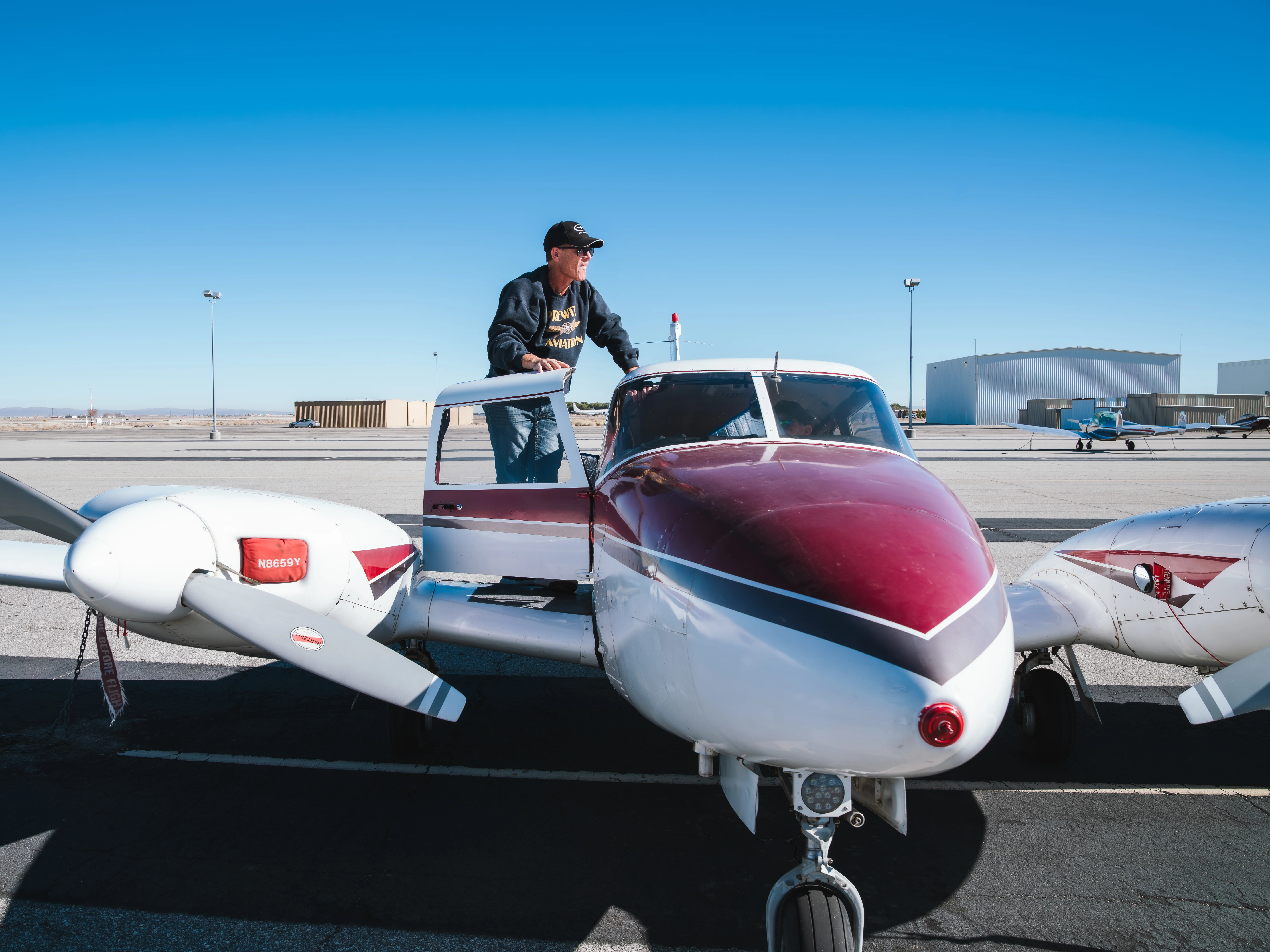
MH Aviation is the only Multi-Engine training program in the Antelope Valley. You will fly our Piper Twin Comanche at $295/hr (wet), compared to nearly $395/hr at schools closer to Los Angeles.
At standard flight schools, students often wait 3 to 8 weeks just to schedule their multi-engine checkride. Our students complete multi-engine training and checkride prep in 7 to 14 days because of our zero waitlist policy and on-site maintenance team.
Estimated duration: 2 to 4 weeks Estimated cost: ~$3,850
Phase 5: Certified Flight Instructor
After your Commercial License and Multi-Engine Rating, the fastest way to build hours toward the airline minimum is to become a Certified Flight Instructor. As a CFI, you get paid to teach while logging the flight time you need.
MH Aviation offers priority hiring status to our own CFI graduates. You get preference for available instructor slots on our flight line, which means you start building hours faster than graduates at schools without an in-house hiring pipeline.
As an independent contractor, you also control your own schedule. You can instruct full time to build hours quickly or work part time while pursuing other opportunities.
Estimated duration: 1 to 2 months to earn the certificate Earning while building hours: Yes, as an independent contractor instructor
Phase 6: Building to 1,500 Hours
The FAA requires 1,500 total flight hours to hold an Airline Transport Pilot (ATP) certificate, which is required to serve as captain at a U.S. airline. First officers at regional airlines typically need 1,000 to 1,500 hours depending on the carrier.
Instructing is the most common and most cost-effective way to build these hours. As a CFI at MH Aviation, you log flight time every time you take a student up. Full-time instructors typically build 500 to 800 hours per year depending on student demand and schedule.
Through our Avlink Partnership, MH Aviation CFI graduates also have opportunities to fly managed aircraft beyond instruction, giving you additional avenues to build diverse flight hours.
Estimated duration: 1 to 2 years of instructing full time
Why Fox Field (KWJF) Accelerates Your Timeline
Where you train determines how fast you finish. Gen. William J. Fox Airfield (KWJF) in Lancaster, California gives MH Aviation students a structural advantage over schools in the LA Basin and coastal Southern California.
- 300+ flyable days per year means far fewer weather cancellations than schools dealing with coastal marine layer fog
- Uncongested airspace means you spend your paid flight time practicing maneuvers, not holding for ATC clearances
- High desert environment with consistent crosswinds and density altitude variations builds superior aircraft handling skills that airlines value
- In-house maintenance team keeps the fleet airworthy and on the flight line with zero maintenance delays
- Zero waitlist policy means you schedule flights when it works for you
Students from Palmdale, Victorville, Santa Clarita, and across the High Desert come to Fox Field because the training environment here produces faster results than anywhere else in the region.
What to Expect From an Airline Career
Here is what the career looks like on the other side of your training investment.
| Position | Typical Total Hours | Starting Salary | Experienced Salary |
|---|---|---|---|
| Regional Airline First Officer | 1,000 to 1,500 hours | $60,000 to $90,000 | $100,000 to $130,000 |
| Regional Airline Captain | 2,000 to 3,000 hours | $100,000 to $140,000 | $150,000 to $200,000 |
| Major Airline First Officer | 3,000 to 5,000 hours | $100,000 to $150,000 | $200,000 to $250,000 |
| Major Airline Captain | 5,000+ hours | $200,000 to $250,000 | $300,000 to $400,000+ |
The FAA projects a significant commercial pilot shortage through at least 2035, driven by mandatory retirement ages and surging air travel demand. Regional airlines are actively offering signing bonuses, flow-through agreements, and accelerated upgrade timelines to attract qualified candidates. 2026 is one of the best times in decades to start this path.
Total Estimated Investment: Zero to Airline
Here is everything aggregated in one place so you can plan your full budget before you commit to anything.
| Item | Estimated Cost |
|---|---|
| Private Pilot Certificate | ~$9,200 |
| Instrument Rating | ~$11,750 |
| Multi-Engine Rating | ~$3,850 |
| Commercial Pilot License | Contact us for a quote |
| Certified Flight Instructor Certificate | Contact us for a quote |
| FAA Written Exams (per exam ~$175, multiple required) | ~$700 to $900 |
| Checkride Fees (DPE, per checkride ~$700 to $900) | ~$2,800 to $3,600 |
| FAA Medical Certificate | ~$100 to $150 |
| Headset | ~$200 to $1,100 |
| Ground School | ~$100 to $300 |
| Total Estimated Out of Pocket (excluding CPL and CFI) | ~$28,700 to $30,850 |
The Commercial Pilot License and CFI certificate costs vary significantly based on how many hours you enter each phase with. Contact us and we will walk you through a personalized estimate based on your current experience and goals.
Transparent Pricing, No Surprises
Many flight schools lock students into expensive packages before they have flown a single hour. We do not do that.
We believe elite flight training should not come with a prohibitive price tag. Our rates are already among the most competitive in the region. While the regional average for similar training aircraft sits around $205/hr, we offer our wet rates at just $155/hr. No packages, no pressure, just transparent pricing you can review on our training program pages before committing to anything.
Frequently Asked Questions
How long does it realistically take to go from zero to airline pilot?
- A full-time student at MH Aviation can hold a Commercial Pilot License with Instrument and Multi-Engine ratings in 12 to 18 months.
- Building to the 1,500-hour ATP minimum through instructing typically takes another 1 to 2 years depending on schedule and student demand.
- The full zero to regional airline timeline for a dedicated student is realistically 3 to 4 years from first flight to first officer seat.
How much does it cost to go from zero to airline pilot?
- Training through your Commercial License, Instrument Rating, and Multi-Engine Rating at MH Aviation runs approximately $25,000 to $35,000 in total estimated costs.
- Ground school, FAA written exams, checkride fees, and a headset add approximately $2,000 to $3,500 on top of flight costs.
- After your CFI certificate, you earn income while building hours rather than paying for them, which significantly offsets the total investment.
What is the FAA minimum to fly for a regional airline?
- The FAA requires a minimum of 1,500 total flight hours and an Airline Transport Pilot (ATP) certificate to serve as captain at a U.S. airline.
- First officer positions at regional carriers typically require 1,000 to 1,500 hours depending on the airline and program.
- You also need a Commercial Pilot License, Instrument Rating, and Multi-Engine Rating at minimum.
Is there still a pilot shortage in 2026?
- Yes. The FAA and major aviation industry organizations project a significant pilot shortage through at least 2035.
- Regional airlines are actively hiring, offering signing bonuses, and creating accelerated upgrade programs to move qualified pilots into captain seats faster.
- This makes 2026 one of the strongest hiring environments for new commercial pilots in recent history.
Can I become an airline pilot without a college degree?
- Yes. The FAA does not require a college degree to earn any pilot certificate or rating.
- Some major airlines have historically preferred degree holders, but the ongoing pilot shortage has significantly reduced this preference, especially at regional carriers.
- Your certificates, ratings, total flight hours, and checkride record matter far more than a degree when applying to regional airlines.
What is the difference between a Commercial Pilot License and an ATP?
- A Commercial Pilot License allows you to be paid to fly and requires 250 total flight hours. This is what you earn during your initial training.
- An Airline Transport Pilot (ATP) certificate is required to serve as captain at a U.S. airline and requires 1,500 total flight hours plus additional knowledge and flight testing.
- Most pilots earn their Commercial License first, instruct to build hours, and then complete their ATP once they reach the hour requirements.
Start Your Zero to Airline Journey Today
The cockpit does not come to you. You have to go get it.
At MH Aviation, you get consistent High Desert weather, modern glass cockpit aircraft, the only Multi-Engine program in the Antelope Valley, zero waitlists, and transparent pricing, everything you need to move from your first flight to a regional airline career without unnecessary delays.
Not sure where to start? Book a first Flight and experience the cockpit firsthand before you commit to a full program.
Ready to go all in? Enroll today to secure your spot or contact MH Aviation to schedule your first flight and start building your personalized roadmap at Fox Field (KWJF) in Lancaster, CA.